Understanding the Open Concept in Small Spaces
An open-concept layout typically merges two or more traditional rooms, such as the living room, dining room, and kitchen, into a single, flowing space. While popular for fostering connectivity and a sense of airiness, a small open-concept living room presents unique considerations. The lack of walls means no natural division, making furniture placement and visual coherence paramount. Our goal is to create distinct zones within the larger area without resorting to physical barriers, ensuring each part serves its purpose while contributing to an overall harmonious design.
Strategic Furniture Selection: The Cornerstone of Small Open-Concept Design
When every inch counts, your furniture choices become critical. Opting for pieces that are appropriately scaled, multifunctional, and visually light can make all the difference in a small open-concept living room.
Multifunctional Pieces Are Your Best Friends
- Ottomans with Storage: These versatile items can serve as extra seating, a footrest, or a coffee table, all while hiding clutter.
- Sofa Beds or Daybeds: Ideal for accommodating overnight guests without dedicating an entire room.
- Nesting Tables: These can be pulled out when needed and tucked away neatly to save space.
- Extendable Dining Tables: Perfect for open-plan living small spaces where the dining area might merge with the living room. They can be compact for daily use and expanded for entertaining.
Scale and Proportion Matter Immensely
Resist the urge to buy oversized furniture, no matter how comfortable it looks in the showroom. Measure your space carefully and choose pieces that fit without overwhelming the room. Furniture with a smaller footprint will make the area feel more spacious.
Embrace Leggy Furniture
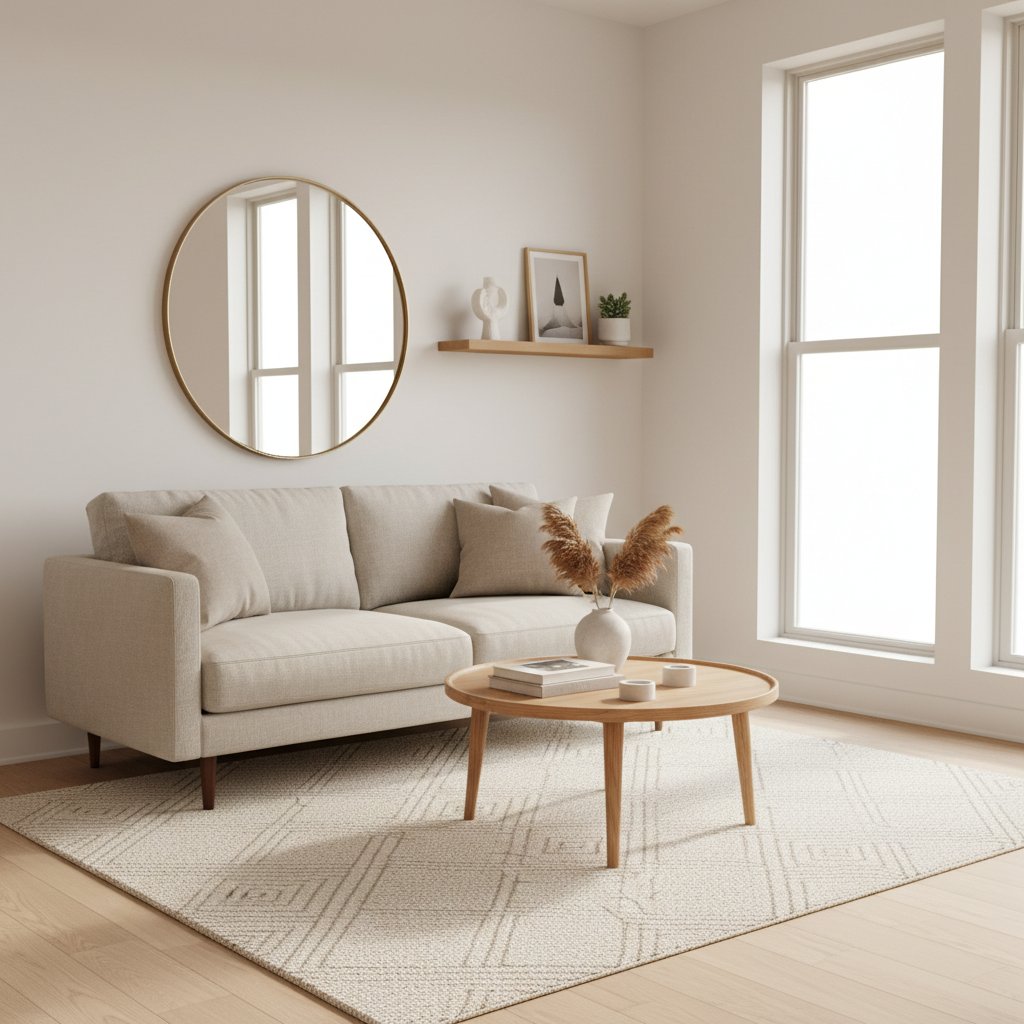
Sofas, chairs, and tables with exposed legs elevate the furniture off the floor, allowing light to pass underneath and creating a sense of openness and airiness. This visual trick can make the room feel larger than it is.
Sectionals vs. Sofas
While a sectional might seem counterintuitive for a small space, a well-chosen, compact sectional can actually be more efficient than a sofa and an armchair, providing more seating in a corner without breaking up the flow with multiple pieces. Look for streamlined designs with clean lines.
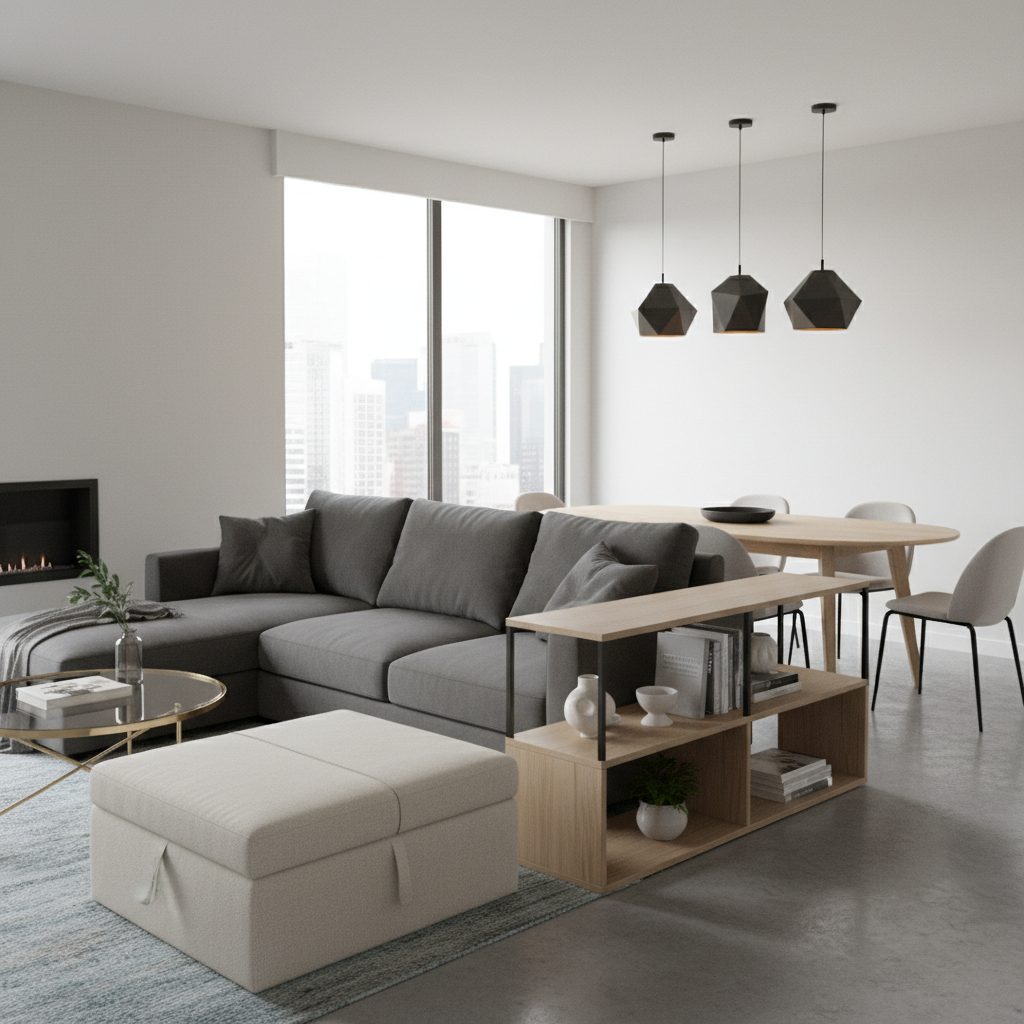
Clever Layouts and Zoning: Defining Areas Without Walls
One of the biggest challenges in a small open-concept living room is creating distinct zones for different activities. Here’s how to do it visually and functionally.
Area Rugs: The Ultimate Zone Definiter
Place a large area rug in the living room area to anchor your seating arrangement and visually separate it from the dining or kitchen zone. Ensure the rug is large enough for at least the front legs of all major furniture pieces to rest on it; a too-small rug can make the space feel disjointed.
Low-Profile Dividers and Open Shelving
Instead of solid walls, consider low-profile room dividers or open shelving units. These allow light and sightlines to pass through, maintaining the open feel while providing a subtle separation. A console table behind a sofa can also act as a soft divider between the living and dining areas.
Furniture Arrangement for Flow
Arrange furniture to create clear pathways that encourage natural movement through the space. Avoid blocking main thoroughfares. Pulling furniture slightly away from walls can also create a sense of depth and make the room appear larger.
Vertical Zoning with Lighting or Art
Use pendant lights over a dining table or a large piece of art above a sofa to delineate specific areas. These vertical elements draw the eye upwards and help define zones without consuming floor space.
Illuminating Your Space: Lighting Strategies for Small Open Concepts
Lighting plays a crucial role in shaping the perception of space. In compact open-plan design, thoughtful lighting can make a small room feel grander and more inviting.
Maximize Natural Light
Keep windows unobstructed. Use light, sheer curtains or blinds that can be pulled back fully during the day. Mirrors placed opposite windows can also amplify natural light.
Layered Lighting is Key
Don’t rely on a single overhead light. Combine ambient (general illumination), task (for specific activities like reading), and accent lighting (to highlight art or architectural features). This creates depth and allows you to control the mood and functionality of different zones.
- Recessed Lighting: Provides clean, overhead ambient light without taking up visual space.
- Floor Lamps: Choose slim designs that provide both ambient and task lighting.
- Wall Sconces: Free up floor and table space while adding decorative light.
Smart Lighting Solutions
Consider dimmer switches for all your lighting. This allows you to adjust the intensity, creating different atmospheres for various activities, from bright and functional during the day to cozy and intimate in the evening.
Color Palettes and Textures: Expanding Visual Horizons
The colors and textures you choose have a profound impact on how large and cohesive your small open-concept living room feels.
Light and Neutral Tones
Pale and neutral colors on walls, large furniture pieces, and floors reflect light, making a room feel more open and airy. Think whites, creams, light grays, and soft pastels. These colors act as a blank canvas, allowing your decor to shine without overwhelming the space.
Monochromatic Schemes for Cohesion
Using varying shades of a single color throughout your open concept space creates a seamless, sophisticated look. This minimizes visual clutter and allows the eye to flow effortlessly from one area to another, enhancing the sense of spaciousness.
Thoughtful Accent Colors
While neutrals form the base, introduce pops of color through accessories like throw pillows, artwork, or decorative objects. This adds personality and interest without making the space feel busy.
Texture Play
Even with a neutral palette, texture can add depth and warmth. Incorporate different textures through fabrics (linen, wool, velvet), rugs (jute, shag), and wood finishes. This richness prevents a neutral room from feeling bland.
Smart Storage Solutions: Decluttering for an Open Feel
Clutter is the enemy of a small open-concept living room. Effective storage solutions are vital to maintaining a clean, spacious, and organized environment.
Built-ins and Custom Cabinetry
If your budget allows, built-in shelves or cabinets can provide seamless storage that integrates with the architecture of your home. They make the most of vertical space and offer a custom, polished look.
Wall-Mounted Shelves and Cabinets
Floating shelves or wall-mounted cabinets keep items off the floor, freeing up valuable real estate. Use them to display decor, books, or neatly organized essentials.
Hidden Storage Galore
Look for furniture with integrated storage: coffee tables with lift-tops, ottomans with removable lids, or beds with drawers underneath. These discreet storage options are invaluable for small living room solutions.
Vertical Storage is Your Friend
Utilize the full height of your walls with tall, slim bookcases or étagères. Stacking items vertically draws the eye upward, making ceilings appear higher and the room feel grander.
Mirror Magic and Reflective Surfaces
Mirrors are a designer’s secret weapon for making small spaces appear larger and brighter. They are among the most effective design tips for small open layouts.
Strategic Placement
Place a large mirror on a wall that reflects a window or an interesting architectural feature. This not only amplifies light but also creates the illusion of another window or an extended room.
Large Statement Mirrors
Instead of many small mirrors, opt for one or two large mirrors. A single, substantial mirror can make a more dramatic impact and contribute to a feeling of spaciousness.
Mirrored Furniture and Accessories
Consider furniture pieces with mirrored accents or tops, such as a coffee table or a side table. These reflective surfaces bounce light around, adding to the bright and open aesthetic.
Personal Touches and Decor: Making It Yours
Even in a small open-concept living room, your personal style should shine through. Thoughtful decor can enhance the space without overwhelming it.
Art and Wall Decor
Choose one or two significant pieces of art rather than many small ones. A large piece of art can create a focal point and add personality without making the walls feel cluttered. Consider vertical gallery walls to draw the eye up.
Greenery Brings Life
Indoor plants add freshness and a touch of nature. Choose tall, slender plants for vertical interest or small potted plants on shelves. Just be mindful not to overcrowd surfaces.
Thoughtful Accessories
Curate your accessories. A few well-chosen decorative objects are more impactful than a multitude of trinkets. Think about quality over quantity to maintain a clean, uncluttered look.
Safety and Practicality in Open-Concept Living
While aesthetics are important, ensuring your small open-concept living room is safe and practical for everyday living is paramount.
Clear Pathways
Ensure there are clear, unobstructed pathways between furniture pieces, especially between different zones. This improves navigability and prevents accidents, particularly important in an open-plan layout where movement might be frequent between the living, dining, and kitchen areas. Good Housekeeping offers excellent advice on arranging furniture for safety and flow, emphasizing the importance of clear access routes and preventing tripping hazards.
Child-Proofing and Pet Safety
If you have children or pets, ensure heavy furniture is anchored to walls, sharp corners are protected, and breakable items are out of reach. In an open space, supervision is easier, but hazards can also be more accessible.
Fire Safety
Make sure fire extinguishers are easily accessible, especially in an open concept where kitchen and living areas are merged. Keep electrical cords tucked away and avoid overloading outlets.
Bringing It All Together: A Cohesive Small Open-Concept Home
Ultimately, successful home design ideas for small living rooms open concept hinge on creating a cohesive narrative throughout the entire space. Consistency in materials, a harmonious color palette, and a clear understanding of each zone’s function will tie everything together.
Embrace the challenge of a small footprint as an opportunity for creative solutions. With intelligent design choices, your compact open-plan living area can become a stunning example of how less truly can be more – a space that feels both expansive and intimately yours, perfectly suited for modern living.
Frequently Asked Questions About Small Open-Concept Living Room Design
How do you make a small open-concept living room look bigger?
To make a small open-concept living room look bigger, focus on light color palettes for walls and large furniture, maximize natural light, use mirrors strategically to reflect light and views, choose appropriately scaled and leggy furniture, and keep clutter to a minimum with smart storage solutions. Creating clear pathways and using monochromatic color schemes also helps the eye flow seamlessly, enhancing the sense of space.
What kind of furniture is best for a small open-plan living room?
The best furniture for a small open-plan living room is multifunctional, appropriately scaled, and visually light. Look for items like storage ottomans, nesting tables, slim-profile sofas or compact sectionals with exposed legs, and wall-mounted shelves. Pieces that serve multiple purposes or have a light visual presence prevent the space from feeling overcrowded.
How can I create distinct zones in an open-concept living room without walls?
You can create distinct zones without walls by using large area rugs to anchor different areas (e.g., living vs. dining), placing low-profile furniture like console tables behind sofas, incorporating open shelving units or subtle room dividers that allow light through, and using strategic lighting (like pendant lights over a dining table) to delineate zones visually.
What are common mistakes to avoid when designing a small open concept space?
Common mistakes include overcrowding the space with oversized furniture, ignoring vertical storage potential, choosing too many dark colors that absorb light, failing to create clear pathways, and neglecting to define distinct zones, which can make the space feel chaotic rather than cohesive.
Can I use dark colors in a small open-concept living room?
While light colors are generally recommended to maximize space, you can use dark colors sparingly and strategically. Consider a dark accent wall or dark furniture pieces against a lighter backdrop to create depth and drama without overwhelming the room. Ensure there is plenty of natural and artificial light to balance the dark tones, and pair them with reflective surfaces.