Understanding Modern Small Home Design Principles
Modern design inherently lends itself to small spaces due to its emphasis on clean lines, functionality, and uncluttered aesthetics. For small homes, these principles become even more crucial, serving as the foundation for an effective floor plan.
Focus on Functionality and Flow
Every element in a small modern home must earn its place. This means furniture serves multiple purposes, storage is integrated seamlessly, and pathways are clear. A well-designed floor plan anticipates movement and ensures that daily activities can be performed without hindrance. The goal is to eliminate dead space and maximize the utility of every square foot.
Embracing Open-Concept Living
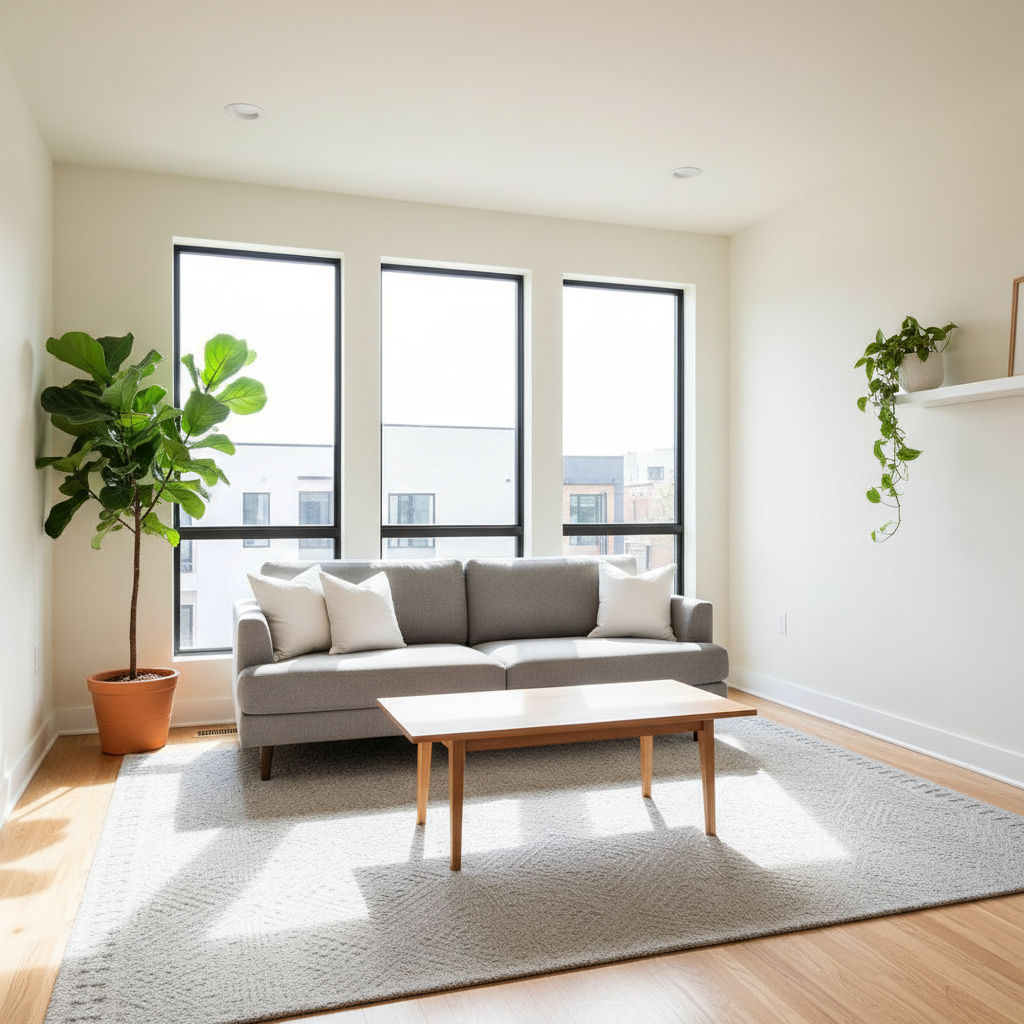
Open floor plans are a hallmark of modern design and particularly beneficial for small homes. By minimizing internal walls, spaces feel larger, brighter, and more connected. A combined living, dining, and kitchen area fosters a sense of spaciousness and encourages social interaction. However, intelligent zoning is still essential to define distinct areas within the open layout.
Light and Brightness: The Illusion of Space
Natural light is a small home’s best friend. Large windows, skylights, and glass doors not only illuminate the interior but also connect it to the outdoors, making the space feel expansive. Light-colored walls, reflective surfaces, and minimalist window treatments further enhance the brightness and create an airy atmosphere, visually pushing boundaries.
Minimalism and Decluttering
Modern design often aligns with minimalist principles. For small homes, this translates into a deliberate approach to possessions. Less clutter means more visual space and a calmer environment. This doesn’t mean austerity, but rather a curated collection of meaningful items and efficient storage solutions to keep everything out of sight yet easily accessible. A well-organized home is a happy home, especially when space is at a premium.
Optimizing Your Small Home Floor Plan: Key Strategies
The success of a small modern home hinges on a thoughtfully optimized floor plan. This involves strategic planning before any construction or renovation begins.
Strategic Zone Planning
Even in an open-concept layout, defining functional zones is vital. Use furniture placement, area rugs, lighting, or even subtle changes in flooring to delineate areas for cooking, dining, working, and relaxing. For instance, a cleverly placed sofa can act as a natural divider between the living room and kitchen, creating distinct yet connected zones. This ensures that while the space feels open, each area serves its intended purpose effectively.
Multi-functional Rooms
This is perhaps the most critical strategy for small homes. A single room might serve multiple purposes throughout the day. A dining table can double as a workspace; a guest bedroom can also be an office or a hobby room. Apartment Therapy often features brilliant ideas for multi-functional furniture that can transform spaces instantly. The key is to design with flexibility in mind, allowing the room to adapt to different needs with minimal effort.
Vertical Space Utilization
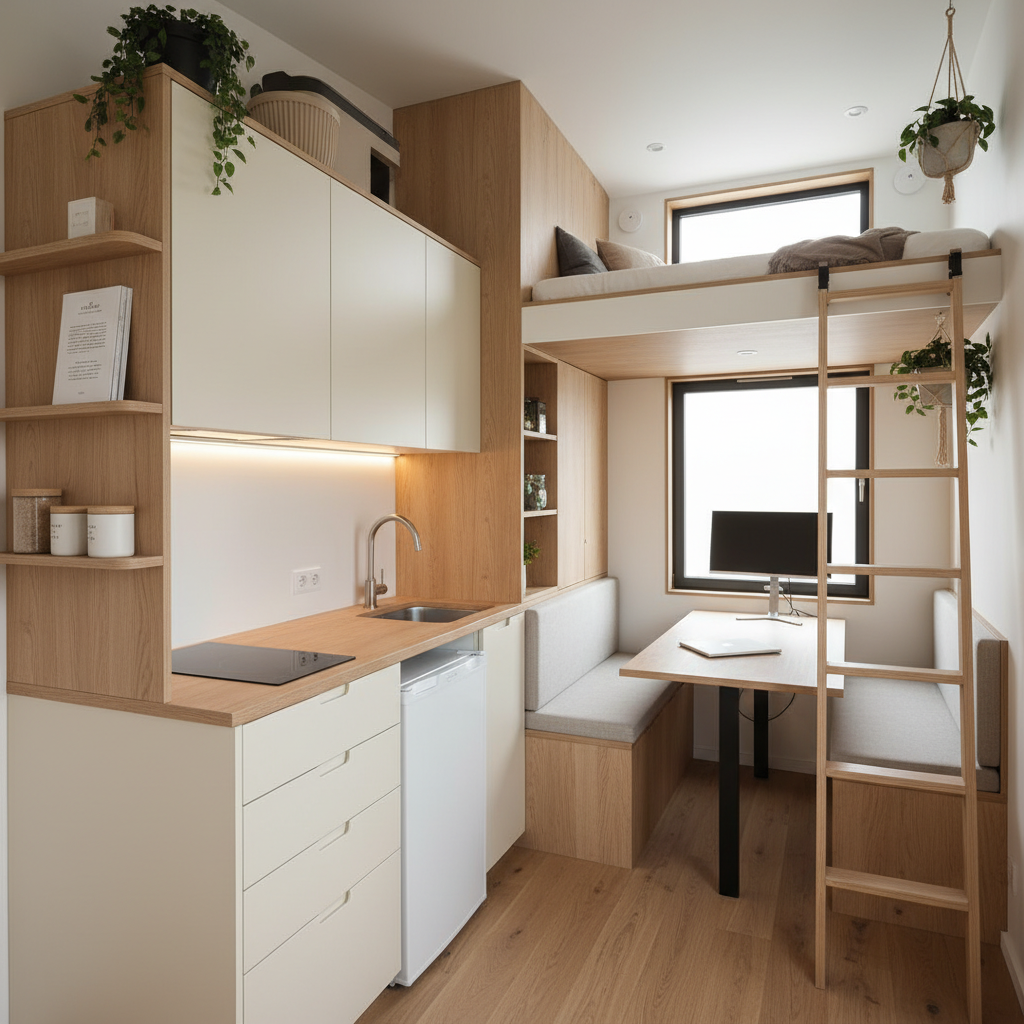
When horizontal space is limited, look up! Verticality is an often-underestimated asset in small home design. Floor-to-ceiling shelving, tall cabinets, loft beds, and integrated storage solutions that extend upwards can significantly increase storage capacity without encroaching on valuable floor area. Think about custom built-ins that maximize awkward nooks and crannies, transforming them into functional storage or display areas.
Smart Traffic Flow
A well-planned floor plan ensures smooth and intuitive movement throughout the home. Avoid placing furniture in ways that obstruct pathways or create bottlenecks. Maintain clear sightlines and easy access to all areas. In an open plan, this means carefully considering the placement of larger pieces of furniture to ensure a natural flow between zones. This thoughtful approach to layout makes a small home feel effortless and comfortable to navigate.
Considerations for Future Needs
While designing for your current lifestyle, it’s also wise to consider future flexibility. Can a workspace be converted into a nursery? Can a living area accommodate a larger gathering if needed? Designing with adaptability in mind ensures your small home can evolve with you over time, preventing the need for costly redesigns later.
Innovative Layouts for Modern Small Homes
Beyond traditional layouts, several innovative approaches are gaining popularity for compact living.
Studio and Loft Designs
Studio apartments are the quintessential small home, where living, sleeping, and often cooking areas share a single open space. Modern studio designs excel at creating distinct zones through smart furniture arrangement, partial walls, or clever room dividers. Loft designs take verticality to the next level, incorporating an elevated sleeping or working area, freeing up significant floor space below. This creates a dynamic, two-level living experience within a minimal footprint, perfect for urban dwelling.
Tiny Homes and ADUs (Accessory Dwelling Units)
Tiny homes represent the extreme end of small living, often under 400 square feet, and demand the most inventive floor plans. ADUs, typically built on existing property, also emphasize efficiency. These designs often feature built-in transformable furniture, hidden storage, and incredibly compact kitchens and bathrooms. The focus is on maximizing every cubic inch, making every element work hard to support a comfortable lifestyle.
Modular and Flexible Spaces
Some modern small homes incorporate modular elements, such as sliding walls, movable partitions, or even furniture on wheels, to reconfigure the space as needed. Imagine a wall that slides to reveal a bedroom at night and tucks away during the day to expand the living area. This level of flexibility allows the home to truly adapt to different activities and times of day, making a small space feel much larger and more versatile than its actual size.
Courtyard and Atrium Integration
For small homes with even a tiny outdoor space, integrating a courtyard or atrium can dramatically enhance the feeling of openness. These elements blur the lines between indoor and outdoor living, providing natural light, ventilation, and a visual extension of the living area. A small private patio or balcony can become an invaluable “extra room” for dining, relaxation, or gardening, expanding the perceived living space.
Maximizing Every Inch: Furniture and Storage Solutions
The right furniture and storage are non-negotiable for successful modern home design ideas for small homes floor plan. They are the tools that bring the optimized layout to life.
Multi-Purpose Furniture
This is where ingenuity truly shines. Think sofa beds, ottomans with storage, nesting tables, expandable dining tables, and beds with built-in drawers. A coffee table that converts into a dining table or a desk is a game-changer. These pieces are designed to adapt to your needs, minimizing the number of individual items required and preserving precious floor space. When choosing furniture, prioritize pieces that serve at least two functions.
Built-in Storage and Cabinetry
Custom built-ins are a small home’s best friend. They can be designed to fit precisely into specific nooks, under windows, or along entire walls, offering seamless storage that doesn’t disrupt the visual flow. Floor-to-ceiling bookshelves, integrated window seats with storage underneath, and cabinetry that blends into the architecture are excellent examples. These solutions utilize vertical space efficiently and contribute to a clean, minimalist aesthetic.
Wall-Mounted and Floating Elements
Keeping the floor clear is paramount in small spaces. Wall-mounted shelves, floating desks, and wall-hung TVs free up floor space, making the room feel larger and easier to clean. Even wall-mounted bedside tables can make a difference in a compact bedroom. These elements also contribute to the modern aesthetic with their sleek, minimalist profiles.
Hidden Storage Solutions
Beyond built-ins, look for opportunities to integrate storage that is completely out of sight. Under-stair storage, toe-kick drawers in kitchens, storage within bed platforms, and even hollow furniture pieces can provide valuable space for stowing away seldom-used items or everyday clutter. The less visible clutter, the more serene and spacious your small home will feel. Consider smart closet organization systems to maximize storage in wardrobes.
Mirrors and Reflective Surfaces
Strategic placement of mirrors can work wonders in a small home. They reflect light and create the illusion of depth, making a room appear much larger than it is. Consider a large mirror on an accent wall or mirrored wardrobe doors. Glossy finishes on cabinetry or furniture also contribute to this effect, bouncing light around the room and enhancing its spaciousness.
Integrating Technology and Sustainability in Small Spaces
Modern small homes are not just about aesthetics and space-saving; they also embrace efficiency and environmental consciousness.
Smart Home Devices for Efficiency
Integrating smart home technology can enhance comfort, security, and energy efficiency. Smart thermostats, lighting systems, and blinds can be controlled remotely, optimizing energy consumption. Voice assistants can streamline daily tasks, reducing the need for multiple gadgets and controllers, further decluttering your small space. These technologies add convenience without adding bulk.
Energy-Efficient Appliances and Lighting
Choosing compact, energy-star rated appliances is crucial for small kitchens and laundry areas. LED lighting is a must, offering superior energy efficiency, longevity, and a variety of color temperatures to suit different moods. Thoughtful lighting design, including task lighting and ambient lighting, can significantly impact the feel and functionality of a small space.
Sustainable Materials Choices
Opt for sustainable and durable materials that stand the test of time and minimize environmental impact. Recycled content materials, bamboo, cork, and locally sourced wood are excellent choices. Not only are they eco-friendly, but they often contribute to a warm, organic modern aesthetic. Durability is key; investing in high-quality materials means less waste and replacement in the long run.
Indoor Air Quality and Natural Ventilation
In a small home, good indoor air quality is paramount. Ensure adequate ventilation through strategically placed windows and exhaust fans. Consider incorporating indoor plants that purify the air. Minimizing VOCs (volatile organic compounds) from paints, furniture, and cleaning products is also important for a healthy living environment. Natural ventilation reduces reliance on air conditioning and keeps the air fresh.
Personalizing Your Modern Small Home
A small modern home should still reflect your personality and style. Thoughtful personalization prevents the space from feeling sterile or impersonal.
Color Palettes and Textures
While light colors generally make a space feel larger, don’t shy away from incorporating richer hues as accents. A single accent wall, colorful throw pillows, or a vibrant piece of art can inject personality without overwhelming the space. Introduce a variety of textures – a chunky knit throw, a wooden coffee table, a sleek metallic lamp – to add depth and interest, creating a more inviting atmosphere.
Art and Decor that Doesn’t Overwhelm
Choose art and decor pieces thoughtfully. A few large, impactful pieces can be more effective than many small ones that create visual clutter. Wall-mounted art frees up surface space. Consider sculptural lighting or unique planters as functional decor elements. When decorating shelves, aim for curated vignettes rather than overcrowding.
Creating Zones with Rugs and Lighting
Area rugs are excellent for defining zones within an open-concept floor plan without building walls. Use different rug sizes and patterns to differentiate the living area from the dining space. Similarly, lighting can create atmosphere and highlight specific areas. A pendant light over a dining table, task lighting in a workspace, and ambient lighting in a living area all contribute to a dynamic and functional small home.
Bringing Nature In
Indoor plants not only purify the air but also add a touch of life, color, and tranquility to any small space. Choose plants that fit the scale of your home, such as succulents, snake plants, or a stylish fiddle-leaf fig if space allows. Vertical gardens or hanging planters can maximize greenery without taking up floor space, enhancing the connection to nature that modern design often seeks.
FAQs About Modern Small Home Floor Plans
What are the most important elements of a modern small home floor plan?
The most important elements include an open-concept layout, strategic zone planning, multi-functional rooms, and efficient vertical storage. These work together to maximize the feeling of space, ensure functionality, and maintain a clean, uncluttered aesthetic.
How can I make a small room feel larger?
To make a small room feel larger, use light color palettes, maximize natural light with large windows, incorporate mirrors and reflective surfaces, choose minimalist and wall-mounted furniture, and maintain clear sightlines with smart traffic flow. Keeping clutter to a minimum is also crucial.
Is open-concept living always best for small homes?
Generally, yes. Open-concept living helps small homes feel more spacious and connected by minimizing physical barriers. However, it’s essential to define distinct zones within the open space using furniture, rugs, and lighting to ensure each area serves its intended purpose effectively without sacrificing privacy when needed.
What kind of furniture is best for small modern homes?
Multi-purpose and modular furniture is ideal. Look for items like sofa beds, nesting tables, ottomans with storage, expandable dining tables, and built-in units. Furniture with slim profiles, clean lines, and light colors also helps maintain an open, airy feel. Wall-mounted and floating furniture also save valuable floor space.
How can I add personality to a minimalist small home?
Add personality through carefully chosen accent pieces. Incorporate interesting textures through textiles like rugs and throws, use a curated selection of art, introduce indoor plants, and select unique lighting fixtures. A thoughtful color palette, even if mostly neutral, can also be punctuated with a single bold color accent to express individuality without overwhelming the space.
Designing a small modern home is an exciting challenge that yields incredibly rewarding results. By focusing on smart floor plans, multi-functional elements, and a minimalist aesthetic, you can create a home that is not only beautiful and contemporary but also highly efficient, comfortable, and perfectly suited to your lifestyle. These modern home design ideas for small homes floor plan concepts prove that living large isn’t about square footage, but about thoughtful, innovative design.