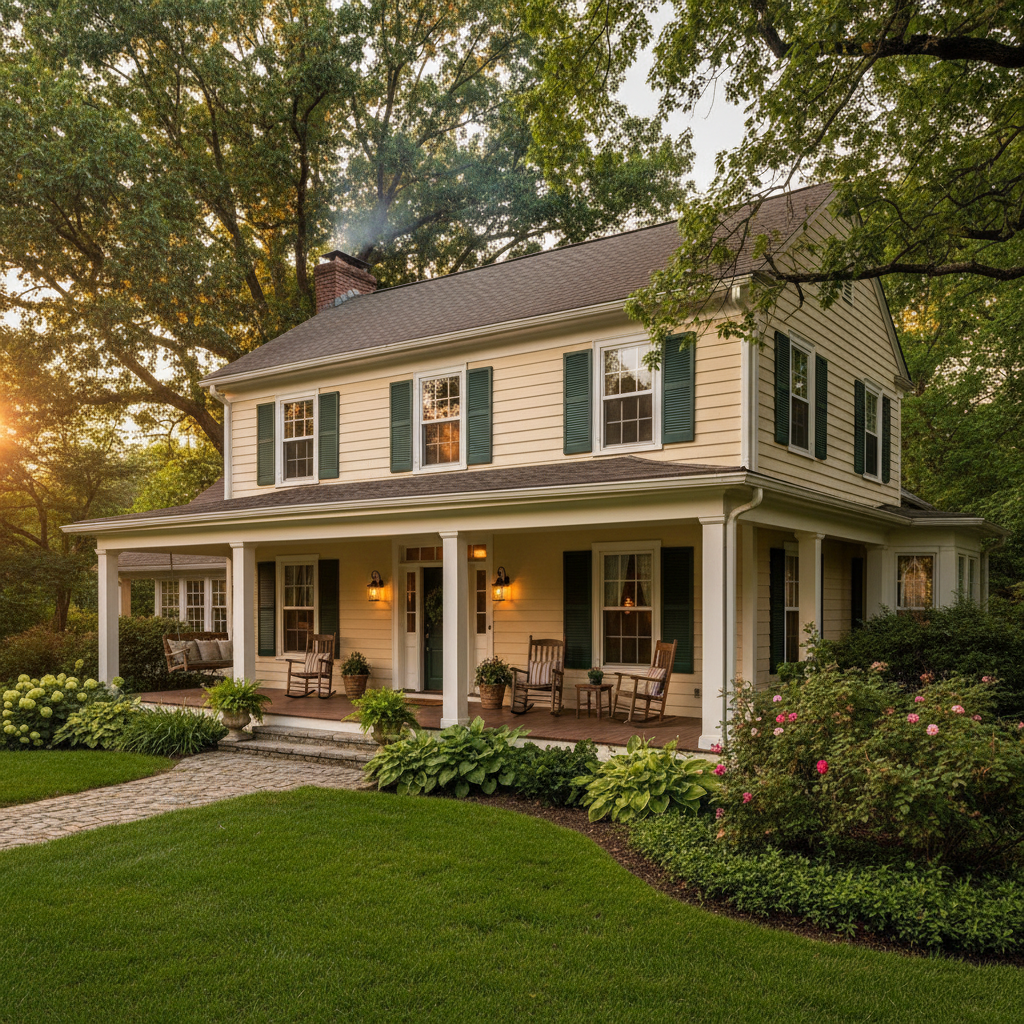
This comprehensive guide will delve into the various reasons behind a sagging porch roof, from the subtle signs to look out for, to the inherent dangers it poses. We’ll explore common culprits like water damage, inadequate support, and structural overload, equipping you with the knowledge to identify the root cause. More importantly, we’ll outline the potential repair solutions and crucial preventative measures, helping you determine when to call in a professional and how to maintain the integrity of your beloved porch.
Understanding Porch Roof Sagging: What Does It Mean?
At its core, a sagging porch roof refers to a noticeable downward deflection or bowing in the roof structure. Instead of a straight, level line, you might observe a curve or dip, particularly in the center or along specific beams. This visual anomaly is usually a symptom of a deeper issue, indicating that the roof’s structural integrity has been compromised. It’s not just the visible roofline that can sag; the underlying support beams, joists, and even the posts themselves can show signs of weakness or deflection, leading to the overall downward movement.
Early detection is crucial. What might start as a subtle dip can progressively worsen, accelerating material fatigue and increasing the risk of more severe structural failure. Recognizing this problem early can significantly reduce the complexity and cost of repairs, ensuring your porch remains a safe and enjoyable extension of your home.
The Alarming Signs of a Sagging Porch Roof
Identifying a sagging porch roof isn’t always as obvious as a dramatic collapse. Often, the signs are subtle at first, evolving over time. Regular inspections of your porch can help you catch these indicators before they escalate into major problems. Here’s what to look for:
Visible Dip or Curve
The most direct sign is a noticeable dip, curve, or unevenness in the roofline itself. Stand at a distance and look along the edge of the roof. If it’s not perfectly straight, or if you can see a distinct hollow, you likely have a sag. This might be concentrated in one area or spread across the entire span.

Cracks in Walls or Ceilings
If your porch roof is connected to your main house, a sagging porch roof can exert undue pressure on the adjacent walls or ceiling. Look for hairline cracks or larger fissures appearing in the interior or exterior walls near where the porch connects. Similarly, check the ceiling of your porch for cracks or signs of stress.
Sticking Doors or Windows
As the structure of your porch shifts and sags, it can subtly alter the framing around doors and windows that are part of or adjacent to the porch. This can cause them to become misaligned, making them difficult to open, close, or lock. If you suddenly find a porch door sticking, it could be a clue.
Water Leaks and Stains
A sagging roof can create low points where water can pool, exacerbating existing damage or creating new vulnerabilities. Look for water stains on the porch ceiling, walls, or posts, especially after rain. Persistent leaks are a clear indication that the roof’s integrity is compromised, and the pooling water will only accelerate deterioration.
Unusual Noises
While less common, creaking, groaning, or popping sounds, especially during windy conditions or when weight is applied (like heavy snow), can indicate that structural elements are under stress. These noises are the timber and connections protesting against undue loads and movement.
Tilting or Leaning Support Posts
The posts supporting your porch roof should be plumb (perfectly vertical). If you notice any of them tilting, leaning, or even separating from their base or the roof beam, it’s a critical sign that the entire structure is shifting and potentially sagging.
Why Is Your Porch Roof Sagging? Common Causes Explored
Understanding the root cause of your porch roof’s deflection is paramount to implementing an effective and lasting repair. Here are the most common culprits:
1. Water Damage and Rot
Water is perhaps the greatest enemy of any wooden structure. Prolonged exposure to moisture can lead to wood rot, severely weakening beams, joists, and posts. Common sources of water damage include:
- Clogged Gutters and Downspouts: If gutters are blocked, water can overflow and cascade directly onto the porch roof structure, soaking into wood and accelerating rot.
- Leaky Roof Shingles or Flashing: Damaged shingles or improperly installed flashing can allow water to penetrate the roof membrane and reach the underlying wooden components.
- Poor Drainage: Water pooling around the base of porch posts can lead to rot at the foundation level, weakening the upright supports.
2. Structural Overload
A porch roof is designed to bear a certain amount of weight. Exceeding this limit can cause it to sag. This overload can come from several sources:
- Heavy Snow and Ice: In regions with significant snowfall, accumulation can put immense stress on a roof not designed for such loads. Ice dams can also form, adding weight and trapping water.
- Improper Materials or Additions: Adding heavy roofing materials (like slate tiles) without reinforcing the underlying structure, or installing heavy decorative elements, can cause a sag.
- HVAC Units or Storage: While rare for porches, sometimes items are placed on flat roofs, creating unanticipated loads.
3. Inadequate Support or Framing
The original construction of the porch might be the problem. This includes:
- Undersized Beams or Joists: If the structural members (beams, joists, rafters) are too small for the span they need to cover or the load they are intended to carry, they will naturally deflect over time.
- Improper Connections: Weak or incorrectly fastened connections between beams, posts, and the main house can lead to instability and sagging.
- Insufficient Number of Supports: Not enough posts or columns to adequately distribute the roof’s weight can cause excessive stress on the existing supports.
- Settling Posts: If the porch posts are not set on proper footings or if the ground beneath them settles, the posts can sink, causing the roof above to sag.
4. Age and Wear
Like all building materials, wood and other components of a porch roof have a lifespan. Over decades, exposure to weather, temperature fluctuations, and continuous load-bearing can lead to natural deterioration, fatigue, and weakening of the materials. This gradual breakdown can manifest as a sag.
5. Foundation Issues
While often overlooked, problems with the porch’s foundation or the footings supporting the posts can directly contribute to a sagging roof. If the foundation settles unevenly, erodes, or is improperly constructed, it can cause the entire porch structure, including the roof, to shift and sag.
6. Pest Infestation
Termites, carpenter ants, and other wood-boring insects can wreak havoc on the structural integrity of a porch. These pests tunnel through and consume wood, creating voids and significantly weakening beams, joists, and posts from the inside out. By the time you notice external signs of damage, the internal structure may be severely compromised.
7. Improper Installation or Repairs
DIY projects or repairs performed by inexperienced contractors can inadvertently lead to structural problems. Using the wrong fasteners, neglecting building codes, failing to properly size lumber, or making incomplete repairs can all contribute to future sagging. Poor flashing installation, for example, can lead to chronic water intrusion.
The Dangers of a Sagging Porch Roof: Don’t Ignore the Signs!
A sagging porch roof is much more than an eyesore; it’s a significant safety hazard and a precursor to more extensive damage. Ignoring the signs can have serious consequences:
1. Safety Hazard and Potential Collapse
This is the most critical danger. A compromised porch roof can suddenly collapse, especially under additional stress from heavy snow, high winds, or even just the weight of people standing on the porch. This poses a severe risk of injury or even fatality to anyone underneath or near the porch.
2. Further Structural Damage to the House
If your porch roof is attached to your main home, its instability can transfer stress to the main house structure. This can lead to cracks in exterior walls, foundation damage, shifted door and window frames, and even compromise the integrity of the main roofline. What starts as a porch problem can quickly become a whole-house issue.
3. Decreased Property Value
A visibly sagging porch roof immediately signals neglect and structural problems to potential buyers. It can drastically reduce your home’s curb appeal and market value, making it harder to sell and likely requiring significant repair investment before any sale can proceed.
4. Increased Pest Infestation Risk
Areas with water damage and compromised wood are magnets for pests like termites, carpenter ants, and rot-inducing fungi. These infestations can further weaken the structure and potentially spread to other parts of your home, creating a much larger and more expensive problem.
5. Exacerbated Water Damage
A sagging roof creates valleys and low points where water can collect instead of draining properly. This standing water accelerates wood rot, deteriorates roofing materials, and can lead to chronic leaks that damage the porch ceiling, walls, and even the foundation below.
6. Higher Repair Costs
The longer a sagging roof is left unaddressed, the more severe the underlying damage becomes. What might have been a localized repair of a single joist could evolve into needing to replace entire sections of the roof, multiple beams, and possibly even address foundation issues, leading to exponentially higher repair costs.
DIY or Professional? Assessing the Severity of Your Sagging Roof
When faced with a sagging porch roof, one of the first questions homeowners ask is whether they can fix it themselves. The answer largely depends on the severity of the sag and its underlying cause. Generally speaking, most instances of a sagging porch roof require professional intervention.
Minor Issues (Potentially DIY with Caution)
In very rare and superficial cases, you might consider a DIY approach if:
- The Sag is Extremely Minor and Localized: A very slight dip in a non-structural decorative element that is easily accessible and shows no signs of rot or serious structural stress.
- The Cause is Clearly Identified and Superficial: For example, a single, easily replaceable trim board has superficial water damage and is not load-bearing.
- You Have Extensive Experience: If you are an experienced carpenter or have significant construction knowledge and tools, you might tackle very minor, non-structural repairs.
Even in these cases, it’s crucial to understand that what appears minor on the surface can often be indicative of deeper problems. When in doubt, always err on the side of caution.
Major Structural Concerns (Professional Intervention Required)
In the vast majority of cases, a sagging porch roof falls into this category and necessitates the expertise of a qualified professional. You absolutely need to call an expert if:
- The Sag is Pronounced: Any visible, significant dip in the main roofline or structural beams.
- The Cause is Unknown: You can’t pinpoint why it’s sagging, which means an expert needs to diagnose the issue.
- There are Signs of Structural Damage: Cracks in walls, shifting posts, widespread wood rot, or compromised connections.
- Water Damage is Extensive: Large areas of rot, persistent leaks, or signs of long-term moisture intrusion.
- Pest Infestation is Suspected: Termites or carpenter ants require specialized treatment and often lead to significant structural compromise.
- Safety is a Concern: If you fear the roof might collapse or cause injury.
- The Porch is Attached to the Main House: Structural issues with the porch can affect your home’s integrity, requiring precise, code-compliant repairs.
- You Lack Expertise or Tools: Repairing structural elements requires specific knowledge of building codes, load-bearing principles, and specialized equipment for shoring and lifting.
A professional contractor, structural engineer, or an experienced general contractor specializing in porch and deck repair will have the knowledge, tools, and insurance to safely and effectively diagnose and fix the problem, ensuring all repairs meet local building codes.
Repairing a Sagging Porch Roof: A Step-by-Step Guide (Professional Overview)
Repairing a sagging porch roof is a complex task that should primarily be handled by experienced professionals. The following steps provide a general overview of the process a qualified contractor would undertake:
1. Comprehensive Inspection and Assessment
The first and most critical step is a thorough inspection. A professional will:
- Visually assess the extent of the sag and any related damage (cracks, leaks, shifting posts).
- Determine the precise cause of the sag (water damage, inadequate support, foundation issues, pests, etc.).
- Evaluate the structural integrity of all components, including rafters, joists, beams, posts, and connections.
- Consult local building codes to ensure any repairs will meet current standards.
- Potentially involve a structural engineer for complex cases.
2. Temporary Shoring and Stabilization
Before any major work begins, the affected section of the roof must be temporarily supported to prevent further sagging or collapse and to allow for safe working conditions. This involves:
- Installing adjustable support posts (shoring jacks) to bear the weight of the roof.
- Distributing the load evenly to prevent damage to the porch floor or foundation during lifting.
- Carefully jacking up the roof slightly, if necessary, to remove stress on compromised elements and bring it back to level.
3. Identifying and Addressing the Root Cause
Merely propping up a sagging roof is not a repair. The underlying issue must be resolved:
- For Water Damage/Rot: Identify and fix the source of the water (repairing gutters, flashing, roof shingles). Remove and replace all rotted wood sections.
- For Inadequate Support: Determine if beams/joists are undersized. This might involve sistering (attaching new lumber alongside existing) or replacing with larger, properly sized lumber. Add additional posts or columns where necessary, ensuring proper footings.
- For Foundation Issues: Address settling or erosion around post footings, potentially involving concrete repairs or adding new, deeper footings.
- For Pest Infestation: Implement professional pest extermination and then replace all compromised wood.
4. Replacing or Reinforcing Damaged Elements
Once the root cause is addressed, the structural components are repaired:
- Replacing Beams/Joists: Severely damaged or undersized beams and joists will be carefully cut out and replaced with new lumber of appropriate dimensions and material, ensuring proper connections.
- Reinforcing Existing Structures: If components are only slightly undersized or mildly damaged, they might be reinforced by “sistering” new, strong lumber alongside them, effectively doubling their strength.
- Repairing or Replacing Posts: Rotated, cracked, or leaning posts will be repaired or replaced, ensuring they are plumb, properly secured, and resting on stable footings.
- Upgrading Connections: Old or weak connections (e.g., inadequate hurricane ties, loose bolts) will be reinforced or replaced with modern, code-compliant hardware.
5. Ensuring Proper Water Management
To prevent future recurrence, the contractor will ensure the porch roof has effective drainage:
- Repairing or installing new gutters and downspouts.
- Ensuring proper flashing around connections to the house.
- Checking the pitch of the roof for adequate water runoff.
6. Finishing Touches
Once structural integrity is restored, the temporary shoring is removed, and cosmetic repairs are completed:
- Repairing or replacing roofing materials (shingles, metal, etc.).
- Patching and painting the porch ceiling and walls.
- Inspecting the entire structure to confirm stability and aesthetic appeal.
Preventing Future Porch Roof Sagging: Proactive Maintenance Tips
Once your porch roof is restored, implementing a robust maintenance plan is key to preventing future sagging and ensuring its longevity. Proactive care is far less costly and stressful than reactive repairs.
1. Regular Inspections
Make it a habit to visually inspect your porch roof and its supports at least twice a year, ideally in spring and fall. Look for:
- Any signs of new dips, curves, or unevenness in the roofline.
- Cracks or peeling paint on beams, joists, and posts.
- Loose or missing roofing shingles, damaged flashing.
- Signs of water stains, mold, or mildew.
- Any tilting or shifting of support posts.
- Accumulations of debris on the roof or in gutters.
2. Proper Gutter and Downspout Maintenance
This is paramount for preventing water damage:
- Clean Gutters Regularly: Clear leaves, twigs, and other debris from gutters at least twice a year, or more frequently if you have many trees.
- Ensure Proper Drainage: Make sure downspouts are clear and direct water away from the porch’s foundation and posts, ideally several feet from the structure. Consider adding extensions if needed.
- Check for Leaks: Inspect gutters for cracks, holes, or loose connections that could allow water to seep onto the porch structure.
3. Addressing Leaks Promptly
If you discover any leaks in your porch roof, address them immediately. Even small leaks can lead to significant wood rot over time. This includes repairing damaged shingles, resealing flashing, or patching minor roof perforations.
4. Ensuring Adequate Support and Framing
If you’re building a new porch or renovating an existing one, always ensure that:
- All structural components (joists, beams, rafters, posts) are correctly sized for the span and anticipated load, according to local building codes.
- Connections between elements are strong and use appropriate hardware.
- Posts are set on proper concrete footings that extend below the frost line to prevent settling.
5. Pest Control
Implement measures to deter wood-destroying pests:
- Keep wood elements dry and free from moisture.
- Ensure there’s no wood-to-soil contact for posts or other structural elements.
- Consider professional pest inspections, especially if you live in an area prone to termites.
- Seal any cracks or gaps in the wood to prevent pest entry.
6. Snow Removal (If Applicable)
In snowy climates, safely remove heavy snow loads from your porch roof, particularly if it’s a flatter design or if you notice any signs of stress. Use a roof rake or a broom, taking care not to damage the roofing material.
7. Using Appropriate Materials and Coatings
- Pressure-Treated Wood: For any wood components exposed to the elements or close to the ground, use pressure-treated lumber for enhanced resistance to rot and insects.
- Protective Coatings: Apply sealants, stains, or paints to exposed wooden elements to protect them from moisture and UV degradation. Reapply as recommended by the manufacturer.
Choosing the Right Professional for Porch Roof Repair
When your porch roof is sagging, selecting the right professional is critical. You need someone with expertise in structural repair, not just cosmetic fixes. Here’s what to look for:
- Experience and Credentials: Look for contractors who specifically list experience in structural repairs, porch construction, or roof repair. Ask for their licensing and insurance information.
- Specialization: A general contractor with a strong portfolio in outdoor structures or a dedicated roofing contractor with structural repair experience would be ideal. For severe cases, they might recommend consulting a structural engineer first.
- References and Reviews: Always ask for references from previous clients and check online reviews on platforms like Google, Yelp, or Angie’s List.
- Detailed Estimates: Get at least three written estimates that clearly outline the scope of work, materials to be used, timeline, and total cost. Be wary of significantly low bids, as they might indicate shortcuts.
- Communication: Choose a professional who communicates clearly, answers your questions thoroughly, and keeps you informed throughout the process.
- Warranty: Inquire about warranties on both materials and workmanship.
Frequently Asked Questions About Sagging Porch Roofs
How much does it cost to fix a sagging porch roof?
The cost varies significantly based on the cause, severity, extent of damage, and your location. Minor repairs (e.g., replacing a single rotted joist) might cost a few hundred to a couple of thousand dollars. Major structural overhauls involving multiple beams, foundation work, or extensive wood replacement could range from $5,000 to $20,000 or more. Getting multiple detailed quotes from professionals is essential.
Can a sagging porch roof collapse?
Yes, absolutely. A sagging porch roof is a clear indication of structural weakness. If the underlying issues are not addressed, the roof can collapse, especially under additional stress from heavy snow, high winds, or even prolonged periods of rain. This poses a significant safety risk.
Is a sagging roof an emergency?
While not always an immediate emergency (like a fire), a sagging porch roof should be treated with urgency. The longer it’s left, the more severe the damage becomes, increasing the risk of collapse and higher repair costs. It’s an urgent structural problem that requires prompt professional assessment.
Can I fix a sagging porch roof myself?
In most cases, no. Repairing a sagging porch roof typically involves structural engineering principles, knowledge of building codes, and specialized equipment for shoring and lifting. Incorrect DIY repairs can worsen the problem, create a greater safety hazard, and void insurance. It is strongly recommended to hire a qualified professional.
How long do porch roofs typically last?
The lifespan of a porch roof depends heavily on its construction, materials, maintenance, and local climate. A well-built and properly maintained porch roof can last 30-50 years or even longer. However, factors like chronic water exposure, pest infestations, or inadequate initial construction can significantly shorten this lifespan.
Conclusion
A sagging porch roof is a red flag that no homeowner should ignore. It’s a clear indicator of underlying structural distress that, if left unaddressed, can lead to severe safety hazards, costly repairs, and a significant decrease in your property’s value. By understanding the common causes—from relentless water damage and inadequate support to the insidious work of pests—you can be better prepared to identify the issue early.
While the prospect of repairing a sagging roof might seem daunting, remembering that professional expertise is readily available should bring peace of mind. Investing in a thorough assessment and timely repair by a qualified contractor is not just about restoring your porch’s aesthetic appeal; it’s about safeguarding your home, your investment, and, most importantly, the safety of everyone who enjoys your outdoor space. Stay vigilant with regular maintenance, and your porch can remain a beautiful, structurally sound, and welcoming extension of your home for decades to come.