Understanding the Enemy: What Causes Mildew on Shower Curtains?
Before we dive into solutions, it’s crucial to understand the conditions that allow mildew to flourish. Mildew, a common type of mold, is a microscopic fungus that reproduces via spores. These spores are omnipresent in the air, waiting for the right environment to settle and grow. Your bathroom, particularly your shower area, often provides the perfect breeding ground.
Humidity and Lack of Ventilation
The primary driver for mildew growth is moisture. Every time you take a shower, steam fills the room, raising the humidity levels significantly. Without adequate ventilation, this moisture lingers in the air and condenses on surfaces, including your shower curtain. High humidity creates the damp, warm conditions mildew spores need to germinate and spread rapidly.
Poor Drying Practices
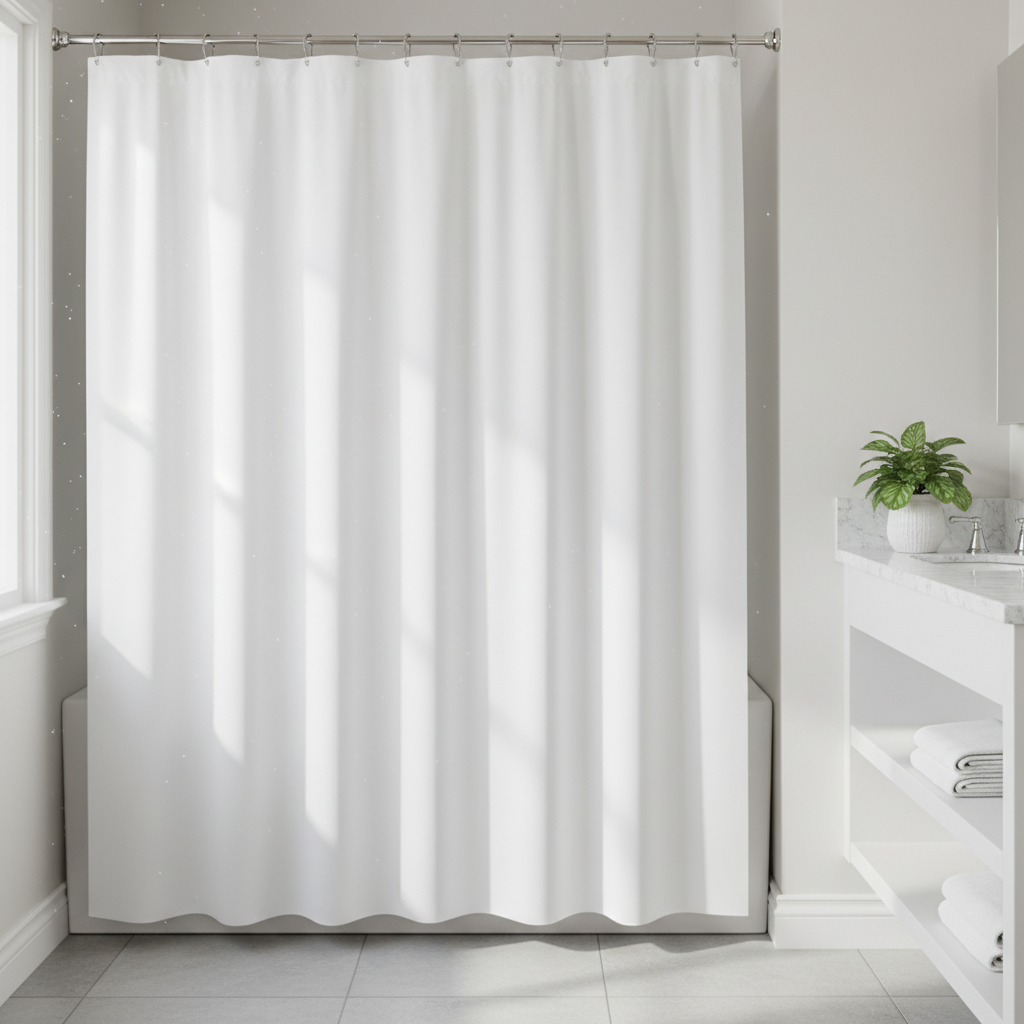
Many people unknowingly contribute to mildew growth by not allowing their shower curtains to dry properly after use. If the curtain is left bunched up or pressed against the tub wall, moisture gets trapped in the folds and crevices, preventing air circulation and creating isolated damp pockets. These areas become prime real estate for mildew colonies.
Soap Scum and Body Oils
It might seem counterintuitive that something used for cleaning can become dirty, but soap scum, body oils, and even residues from shampoos and conditioners can accumulate on your shower curtain. These organic materials provide a food source for mildew, allowing it to grow more vigorously and quickly. The more “food” available, the faster and more robust the mildew growth.
Material Type Matters
The material of your shower curtain also plays a role. While all materials can eventually succumb to mildew if not properly maintained, some are more resistant or easier to clean than others. Vinyl (PEVA or EVA) curtains are non-porous and generally less absorbent, which can make them easier to wipe down, but they can still develop mildew on the surface. Fabric curtains (cotton, polyester) are more absorbent and can hold onto moisture longer, making them more susceptible if not dried thoroughly. However, fabric curtains are often machine washable, which can simplify deep cleaning.
Proactive Prevention: Stopping Mildew Before It Starts
The best defense against mildew is a strong offense. Implementing preventive measures can drastically reduce the chances of your shower curtain attracting mildew smell and keep your bathroom consistently fresh.
Ventilation is Key
This is arguably the most critical step. After every shower, take immediate action to reduce humidity:
- Run the Exhaust Fan: Turn on your bathroom exhaust fan before you start showering and leave it running for at least 15-20 minutes after you’re done. This helps draw moist air out of the bathroom.
- Open a Window: If you have a window in your bathroom, open it slightly during and after your shower to allow fresh air to circulate and moist air to escape.
- Leave the Bathroom Door Ajar: If neither a fan nor a window is available, leaving the bathroom door open can help humid air dissipate into other areas of your home, though this is less effective than direct ventilation.
Extend the Curtain After Showering
This simple habit can make a huge difference. After you’ve finished showering, fully extend your shower curtain along the rod. This allows air to circulate around both sides of the curtain, promoting quicker drying and preventing moisture from getting trapped in folds. Make sure it’s not bunched up or pressed against the tub or tile.
Regular Wiping and Rinsing
For vinyl or plastic shower curtains, a quick rinse with fresh water from the showerhead after each use can wash away soap scum and residue. For both fabric and vinyl, occasionally wiping down the lower part of the curtain with a squeegee or a dry towel can help remove excess moisture and prevent buildup.
Utilize a Liner
If you love the look of a decorative fabric shower curtain, always pair it with a practical, waterproof liner. The liner bears the brunt of the water and soap scum, protecting your more expensive or difficult-to-clean outer curtain. Liners are typically less expensive and easier to clean or replace when they become too mildewed.
Choosing the Right Material
When purchasing a new shower curtain or liner, consider materials marketed as “mildew-resistant” or “water-repellent.” These often have special coatings or properties that make them less hospitable to mildew growth. Look for PEVA or EVA vinyl liners, or fabric curtains made from treated polyester. While no material is entirely immune, these options can buy you more time between deep cleans.
Maintain a Clean Bathroom Environment
Mildew doesn’t just grow on shower curtains. Keep your entire bathroom clean, especially the shower walls, grout, and tub, to minimize mildew spores in the air. Regularly scrubbing these surfaces means fewer spores available to land on your curtain.
Effective Cleaning Methods: Banishing Existing Mildew and Odor
Even with the best preventive measures, mildew can sometimes take hold. When your shower curtain is attracting mildew smell, it’s time for a deep clean. The method depends largely on whether your curtain is fabric or vinyl.
For Fabric Shower Curtains (e.g., Polyester, Cotton Blends)
Most fabric shower curtains are machine washable, making cleaning relatively straightforward.
- Preparation: Remove the curtain from the hooks. If it has a plastic or vinyl liner, remove that as well (we’ll cover cleaning liners separately).
- Machine Wash:
- Place the fabric curtain in your washing machine.
- Add a few old towels to the load. The towels will provide a gentle scrubbing action that helps dislodge mildew and soap scum without damaging the curtain.
- Add your regular laundry detergent.
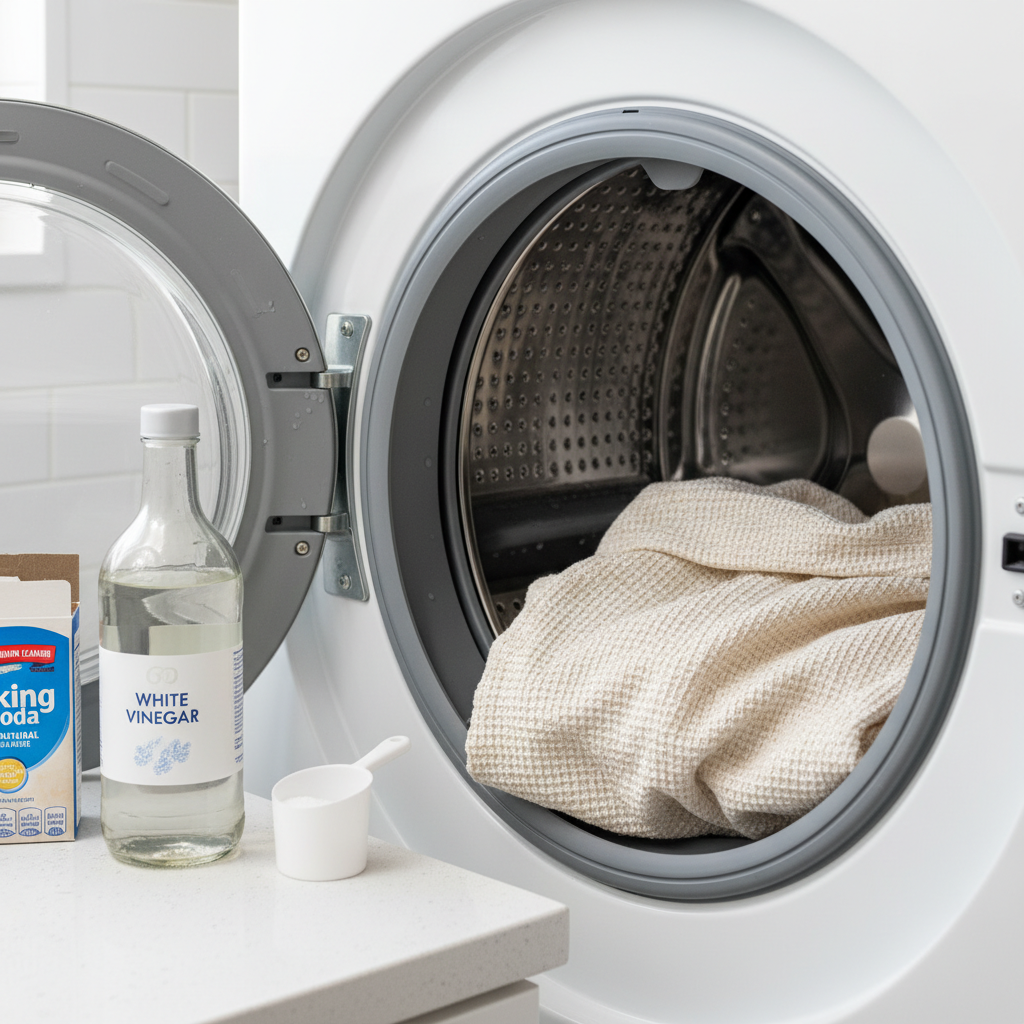
- For an extra mildew-fighting boost, add 1/2 to 1 cup of white vinegar to the detergent dispenser or directly into the wash cycle. Vinegar is a natural disinfectant and deodorizer.
- Alternatively, for tough stains, you can add 1/2 cup of baking soda along with the detergent.
- Wash on a warm or hot water cycle, depending on the care instructions on the curtain’s label.
- Bleach (Use with Caution): For white or light-colored curtains with stubborn mildew stains, 1/2 cup of chlorine bleach can be added to the wash cycle, but always check the fabric care label first to ensure it’s bleach-safe. Never mix bleach with vinegar.
- Drying:
- Hang the curtain back on the shower rod immediately to air dry. Ensure it’s fully extended to prevent new mildew growth.
- Avoid putting fabric shower curtains in the dryer unless the label explicitly states it’s safe, as high heat can shrink or damage some fabrics, especially those with water-resistant coatings.
For Vinyl/Plastic Shower Curtains and Liners (PEVA, EVA)
Vinyl curtains are generally not machine washable, but they are easy to clean by hand.
- Soaking Method:
- Fill your bathtub with warm water.
- Add 1 cup of white vinegar and a few squirts of mild dish soap.
- Submerge the vinyl curtain or liner completely in the solution and let it soak for 30 minutes to an hour. This helps loosen mildew and grime.
- Manual Scrubbing:
- After soaking, lay the curtain flat in the tub or on a clean floor.
- Use a soft-bristled brush or a sponge to scrub away any visible mildew spots and soap scum.
- For stubborn spots, you can make a paste of baking soda and a little water, apply it to the stain, let it sit for a few minutes, then scrub gently.
- Rinsing: Rinse the curtain thoroughly with clean water to remove all soap residue and cleaning solutions.
- Drying: Hang the vinyl curtain back on the shower rod, fully extended, to air dry. Ensure good ventilation to speed up the process.
Natural Remedies for Everyday Cleaning and Prevention
For lighter mildew or as a regular maintenance spray, natural solutions can be very effective.
- White Vinegar Spray: Mix equal parts white vinegar and water in a spray bottle. Spray the curtain regularly, especially the bottom, and let it air dry. The vinegar helps kill mildew and neutralize odors.
- Baking Soda Paste: For specific mildew spots, mix baking soda with a small amount of water to form a paste. Apply it directly to the mildew, let it sit for 15-20 minutes, then scrub with a brush and rinse.
- Tea Tree Oil Solution: Tea tree oil is a natural fungicide. Mix 10-15 drops of pure tea tree oil with one cup of water in a spray bottle. Shake well before each use and spray directly onto mildew areas. Do not rinse, as the oil needs time to work. (Note: Tea tree oil has a strong scent, but it dissipates).
When to Replace: Signs It’s Time for a New Curtain
Sometimes, despite your best cleaning efforts, a shower curtain is simply beyond rescue. Consider replacing your curtain or liner if:
- Mildew stains are deeply embedded and won’t come out even after multiple washes.
- The curtain has developed a permanent, lingering musty odor.
- The material is torn, ripped, or has significant wear and tear.
- You’ve been using it for a very long time (generally, liners should be replaced every 6-12 months, and fabric curtains every 1-2 years, depending on usage and care).
For more specific tips on when to replace things in your home, Good Housekeeping offers a helpful guide on when to toss and replace household items to maintain hygiene and functionality.
Beyond the Curtain: Maintaining a Mildew-Free Bathroom
A clean shower curtain is just one piece of the puzzle. To truly prevent your shower curtain attracting mildew smell and ensure an overall fresh bathroom, you need a holistic approach.
Regular Bathroom Cleaning
Don’t neglect other surfaces. Mildew can grow on grout, tile, caulk, and even painted walls. Regularly clean these areas with appropriate bathroom cleaners. Pay special attention to corners and crevices where moisture tends to accumulate.
Humidity Control
Beyond ventilation, consider other methods to control overall bathroom humidity:
- Dehumidifiers: In extremely humid climates or bathrooms with poor natural ventilation, a small dehumidifier can be a game-changer.
- Moisture Absorbers: Products like silica gel packets or calcium chloride desiccants (often sold as “damp rid”) can help absorb excess moisture in small, enclosed spaces.
Check for Leaks
Persistent moisture can also come from hidden sources. Regularly check for leaks around your toilet, sink, and shower fixtures. Even a small, slow leak can contribute to a damp environment conducive to mildew growth.
Improve Air Circulation
If your bathroom feels consistently stuffy, try to improve general air circulation. Leaving the bathroom door open when not in use, or even using a small fan on occasion, can help prevent stagnant, humid air from settling.
Keep Surfaces Dry
After showering, quickly wipe down the shower walls, glass doors, and fixtures. This removes standing water and reduces the overall moisture content in the shower area, making it harder for mildew to get a foothold on any surface, including the curtain.
Frequently Asked Questions About Mildew and Shower Curtains
How often should I clean my shower curtain?
For fabric shower curtains, cleaning every 3-4 weeks is a good general guideline, or more frequently if you notice mildew spots or an odor. Vinyl liners should be wiped down weekly and given a deeper clean monthly. Prevention is key, so daily efforts like extending the curtain and using ventilation will reduce the frequency of deep cleaning.
Can I put a vinyl shower curtain in the washing machine?
Generally, no. Most vinyl or plastic shower curtains and liners are not designed for machine washing. The agitation and heat can damage the material, causing it to tear, crinkle, or melt. Hand washing in the bathtub with warm water, vinegar, and dish soap is the recommended method for vinyl.
What’s the best way to dry a shower curtain?
The best way to dry any shower curtain (fabric or vinyl) is to hang it back on the shower rod immediately after cleaning, fully extended. Ensure there is good air circulation in the bathroom (fan, open window) to speed up the drying process. Avoid machine dryers for most fabric curtains unless specifically stated on the label, and never for vinyl.
Are anti-mildew shower curtains effective?
Shower curtains marketed as “mildew-resistant” or “anti-microbial” often have treatments or materials that inhibit mildew growth to some extent. While they can delay the onset of mildew and make cleaning easier, they are not entirely mildew-proof. You still need to practice good prevention habits like ventilation and proper drying for them to remain effective.
Why does my bathroom smell even after cleaning the curtain?
If the mildew smell persists after cleaning your shower curtain, the mildew might be present elsewhere in the bathroom. Check grout lines, caulk around the tub or shower, under the sink, on bath mats, or even behind wallpaper. Also, ensure your bathroom exhaust fan is working correctly and that there isn’t a hidden leak contributing to persistent dampness. A comprehensive bathroom cleaning, including walls and ceiling, may be necessary.
A fresh, clean bathroom is a true pleasure, and preventing your shower curtain from attracting mildew smell is a significant step towards achieving that. By understanding the causes of mildew, adopting proactive prevention habits, and knowing how to effectively clean your shower curtain, you can maintain a hygienic and inviting space. Say goodbye to musty odors and hello to a consistently fresh and sparkling bathroom!