How to Prevent and Remove Water Stains Around Windows: Expert Tips for a Spotless Home
Water stains around windows are a common household issue that can detract from your home’s beauty and potentially lead to more serious problems like mold, mildew, and structural damage. Whether caused by leaks, condensation, or poor window sealing, water stains not only look unsightly but also signal moisture issues that need addressing promptly. In this comprehensive guide, we’ll explore effective methods to remove existing water stains, practical prevention tips, and how to maintain your window areas to keep your home looking fresh and protected all year round.
Understanding the Causes of Water Stains Around Windows
Before tackling water stains, it’s essential to understand what causes them. Water stains around windows typically result from:
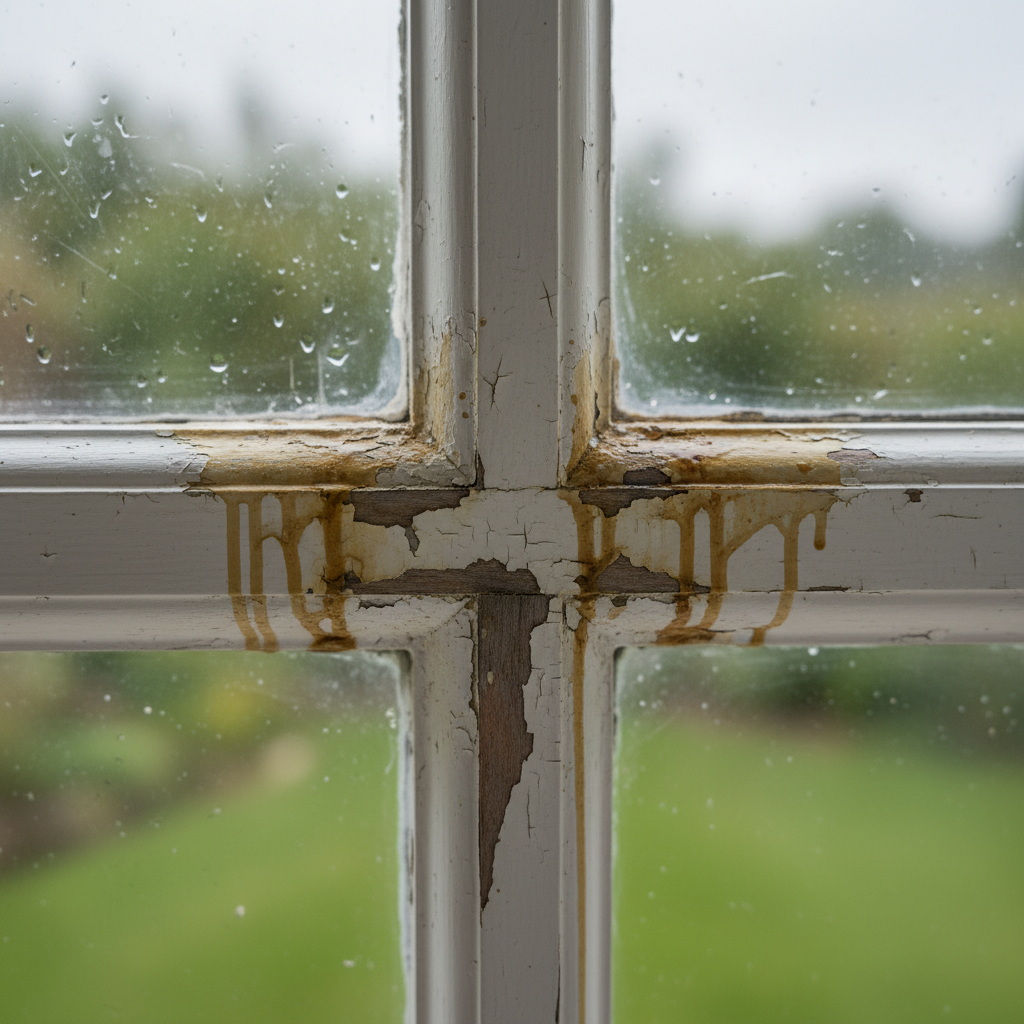
- Leaks: Damaged or deteriorated window seals, flashing, or caulking can allow rainwater to seep inside walls.
- Condensation: Moisture buildup from indoor humidity can condense on cold window surfaces, especially in poorly ventilated rooms.
- Improper drainage: Clogged gutters or inadequate exterior drainage can direct water toward windows and walls.
- Structural Issues: Cracks or settling in the home’s foundation or surrounding walls may create pathways for water intrusion.
How to Remove Water Stains Around Windows
Once water stains appear, cleaning them off promptly can prevent discoloration and mold from developing. Here’s a step-by-step process for removing water stains effectively:
1. Gather Cleaning Supplies
- White vinegar or a mild detergent
- Baking soda (optional for tougher stains)
- Soft cloths or sponges
- Spray bottle
- Bucket of warm water
- Protective gloves
2. Test Cleaning Solution
Before applying any solution on a prominent area, test it on a small, inconspicuous section to ensure it doesn’t damage window frames or paint.
3. Clean the Window Frames and Surroundings
Mix equal parts white vinegar and water in a spray bottle and spritz the stained area. Let it sit for 5 to 10 minutes. Vinegar’s mild acidity helps dissolve mineral deposits and water stains. Use a soft cloth or sponge to gently scrub the stains. For more persistent marks, sprinkle a bit of baking soda on the cloth, creating a gentle abrasive paste with vinegar.
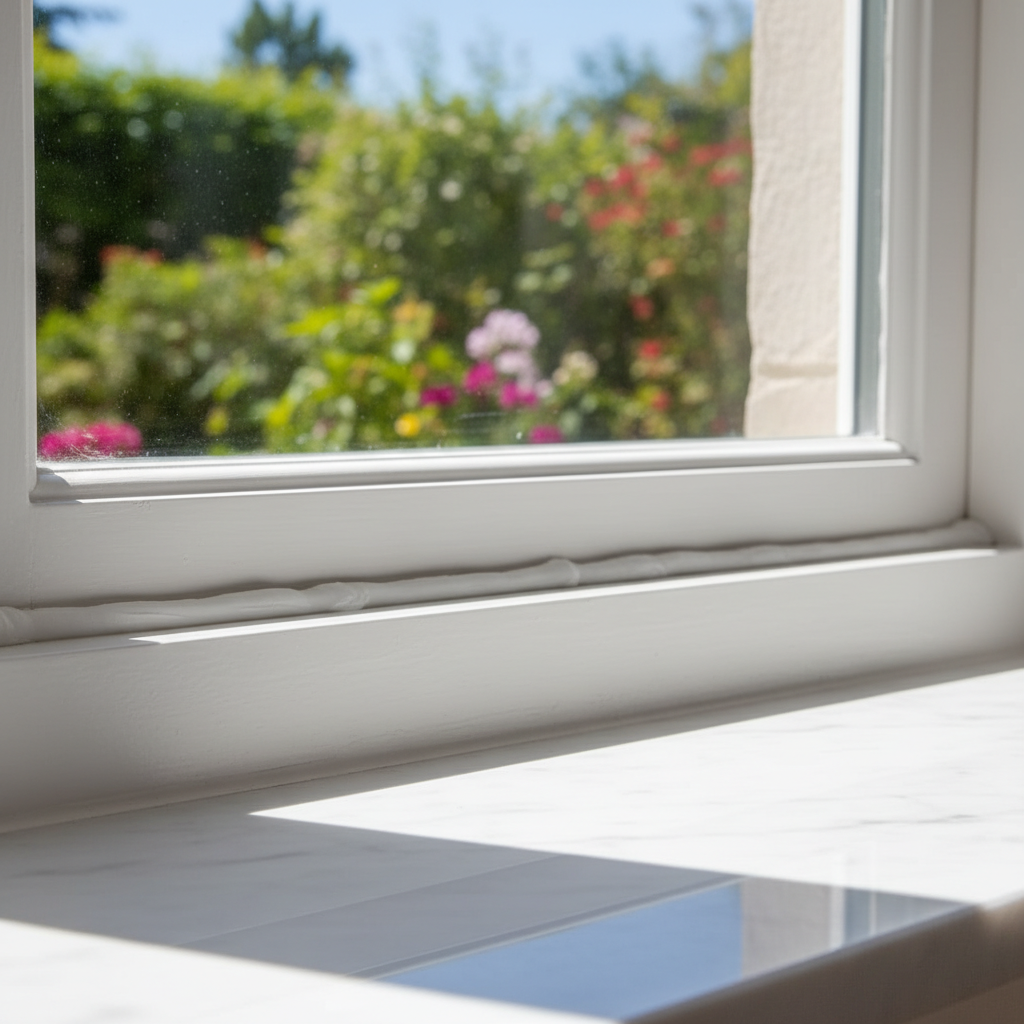
4. Rinse and Dry Thoroughly
Wipe down the window frame and surrounding area with a clean damp cloth to remove cleaning residues. Dry thoroughly using a clean towel to prevent new water stains from forming due to leftover moisture.
Preventing Water Stains Around Windows
Prevention is always better than cure. Here are actionable tips to stop water stains from appearing in the first place:
1. Maintain Window Seals and Caulking
Regularly inspect the caulking around window frames for cracks or gaps. Replace or repair damaged caulking to keep water out effectively.
2. Improve Ventilation to Reduce Condensation
Use exhaust fans in bathrooms and kitchens, or consider a dehumidifier in rooms prone to excessive moisture to reduce condensation buildup on your windows.
3. Keep Gutters Clean and Functional
Ensure gutters and downspouts are cleaned frequently to prevent water overflow that can harm your window frames and walls.
4. Use Window Flashing Properly
Flashing is a thin material installed around windows to direct water away. If you’re installing new windows or upgrading, make sure quality flashing is integrated to avoid leaks.
5. Choose Water-Resistant Window Treatments
Consider window trims and paints that resist water absorption, which minimizes the risk of unsightly stains and peeling.
When to Call a Professional
If water stains persist despite your best cleaning efforts, or you notice signs of mold, peeling paint, or structural damage, it may be time to consult a professional. Water intrusion can sometimes be more severe than it appears on the surface, requiring expert investigation and repair.
FAQs About Water Stains Around Windows
Q1: Can water stains around windows cause health issues?
A: Yes. Persistent moisture and water stains can promote mold growth, which may trigger allergies or respiratory problems. Addressing the stains early reduces health risks.
Q2: Are water stains only caused by external sources?
A: No. Water stains can originate from internal condensation due to humidity, leaks from plumbing, or even poor insulation around the window.
Q3: How often should I check window seals?
A: Inspect seals and caulking at least once a year, preferably before the rainy season, to ensure they are intact and free from cracks.
Q4: What’s the best way to prevent condensation on windows?
A: Improve indoor air circulation through ventilation, use dehumidifiers where needed, and consider double-glazed windows to minimize temperature differentials that cause condensation.
Conclusion
Water stains around windows are more than just an eyesore—they signal underlying moisture issues that could jeopardize your home’s integrity if left unchecked. By understanding their causes, following effective cleaning methods, and implementing preventive steps, you can keep your windows sparkling and your house dry. For additional tips on home maintenance and creating a comfortable living environment, visit Good Housekeeping’s cleaning resources.
Related Articles
- Top Home Maintenance Tips for Every Season
- Best Window Insulation Ideas to Keep Your Home Cozy
- Mold Prevention: Protect Your Home and Health