Understanding Siding Mold Growth on the North Side of Your Home
Mold growth on siding, especially on the north side of your house, is a common yet concerning problem many homeowners face. Due to limited sunlight exposure and increased moisture retention, the north-facing exterior walls become a prime breeding ground for mold and mildew. This not only affects your home’s curb appeal but can also lead to structural damage and health concerns if left untreated. In this comprehensive guide, we will explore why mold tends to grow more on the north side, how to identify it early, and most importantly, effective prevention and remediation strategies.
Why Does Mold Prefer the North Side?
The north side of buildings typically receives the least direct sunlight throughout the day. Sunlight acts as a natural disinfectant by drying out moisture and limiting mold spores’ ability to thrive. When sunlight is scarce and humidity remains high, mold finds the perfect environment to grow on exterior surfaces like siding. Additionally, factors such as poor ventilation, overgrown vegetation, and nearby moisture sources can exacerbate the problem further.
Key Environmental Factors Contributing to Mold on North Side Siding
- Shade and Lack of Sunlight: Reduced UV exposure allows moisture to linger on siding materials longer.
- High Humidity and Moisture: Damp climates, frequent rainfall, and water runoff encourage mold growth.
- Poor Air Circulation: Enclosed spaces or dense shrubbery block air movement, speeding up moisture retention.
- Organic Debris Accumulation: Leaves, dirt, and pollen can provide nutrients for mold spores to settle.
How to Identify Mold Growth on Siding
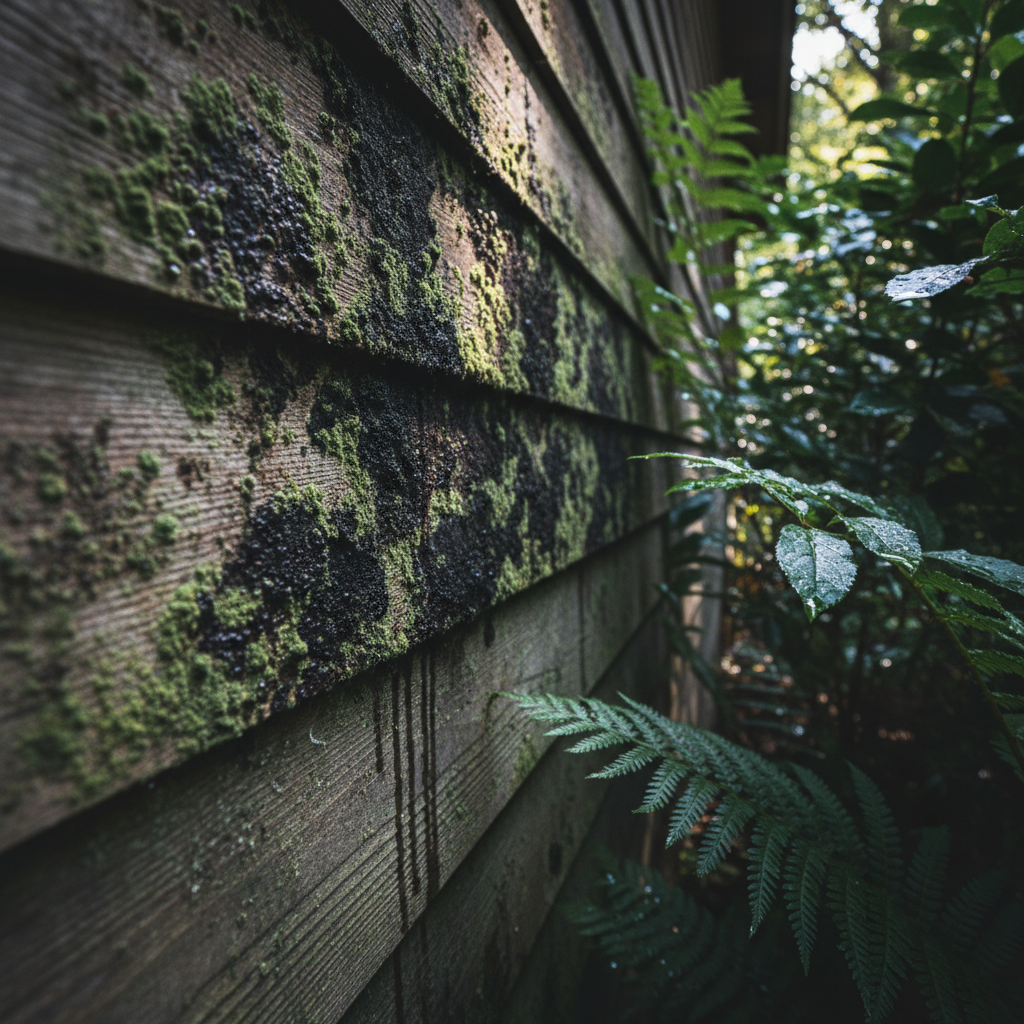
Early detection is crucial to prevent mold from spreading and causing permanent damage. Mold on siding typically appears as black, green, or gray patches that may be fuzzy or slimy. It often forms in streaks or clusters and can emit a musty odor when disturbed.
Common Signs of Mold on Siding Include:
- Discoloration or staining on siding surfaces
- Visible dark or greenish patches, especially in corners or shaded areas
- Soft or deteriorated siding material around affected areas
- Increased allergy symptoms or respiratory issues inside the home
Effective Prevention Tips to Keep Mold Off Your Siding
Prevention is always more manageable and cost-effective than mold remediation. Implementing routine maintenance strategies can significantly reduce the chance of mold colonizing your siding, particularly on the problematic north side.
Top Prevention Strategies:
- Increase Sunlight Exposure: Trim back any trees or bushes that block natural light from reaching the siding.
- Enhance Ventilation: Improve airflow near the siding by spacing shrubs away from the house and ensuring vents are functioning properly.
- Maintain Gutters and Drainage: Keep gutters clear to prevent water overflow and direct drainage away from the foundation and siding.
- Regular Cleaning: Wash your siding at least twice a year with a mild detergent or specialized siding cleaner to remove dirt and organic matter.
- Use Mold-Resistant Paints or Sealants: Consider applying a protective coat that inhibits mold growth for added defense.
How to Safely Remove Mold From Siding
If mold has already taken hold, prompt and thorough cleaning is necessary to restore your home’s appearance and protect its structural integrity.
DIY Mold Removal Steps:
- Protect Yourself: Wear gloves, goggles, and a mask to avoid inhaling spores.
- Prepare Cleaning Solution: Mix one cup of bleach with one gallon of water, or use a commercial siding cleaner.
- Apply Solution: Use a spray bottle or garden sprayer to coat the affected areas.
- Scrub Gently: Use a soft-bristle brush to scrub mold patches carefully without damaging the siding.
- Rinse Thoroughly: Hose down the area with clean water.
- Dry Completely: Allow siding to dry fully to prevent mold from returning.
For extensive mold issues or if your siding is delicate, consider consulting a professional mold remediation company to ensure safe and effective removal.
When to Call in Professional Help
If mold covers a large area of siding or keeps returning despite cleaning efforts, it may indicate underlying moisture problems or damage requiring expert assessment. Professionals can provide advanced treatments, identify moisture sources, and advise on siding replacement if necessary.
Maintaining a Mold-Free Home Exterior Year-Round
Regular inspection and maintenance play key roles in keeping mold at bay. Make it a habit to check shaded areas such as the north side of your house after rainy seasons or extended damp weather. Clean debris around your home’s perimeter and keep vegetation trimmed to boost sunlight penetration and airflow.
Additional Resources
For more tips on exterior home maintenance and preventing mold, the Good Housekeeping mold removal guide offers expert advice and product recommendations you can trust.
Frequently Asked Questions (FAQs)
Why is mold more common on the north side of houses?
The north side usually receives the least sunlight, keeping the area cooler and damper, which creates ideal conditions for mold growth.
Can mold on siding cause health problems?
Yes, exposure to mold spores can trigger allergies, respiratory issues, or other health concerns, particularly for sensitive individuals.
Will pressure washing remove mold from siding?
Pressure washing can help but must be done carefully to avoid damaging siding materials. It is often best paired with mold-killing cleaning solutions.
How often should I clean my siding to prevent mold?
At minimum, clean your siding twice a year, ideally in spring and fall, or more often in humid climates.
Are there specific siding materials more prone to mold?
Porous materials like wood are more susceptible, while vinyl and fiber-cement siding generally resist mold better but can still develop growth if moisture persists.