How to Identify and Fix Garage Wall Dampness After a Storm: Ultimate Guide to Protect Your Space
If you’ve recently experienced a strong storm, you might have noticed dampness creeping along your garage walls. Garage wall dampness after a storm is a common issue that can lead to serious problems like mold, mildew, and structural damage if left unaddressed. Understanding why this happens and how to remediate and prevent it can save you significant repair costs and maintain a healthy living environment. In this comprehensive guide, we’ll explore the causes of damp garage walls, effective methods to dry and repair them, and practical prevention tips to shield your garage from future water damage.
Why Does Garage Wall Dampness Occur After a Storm?
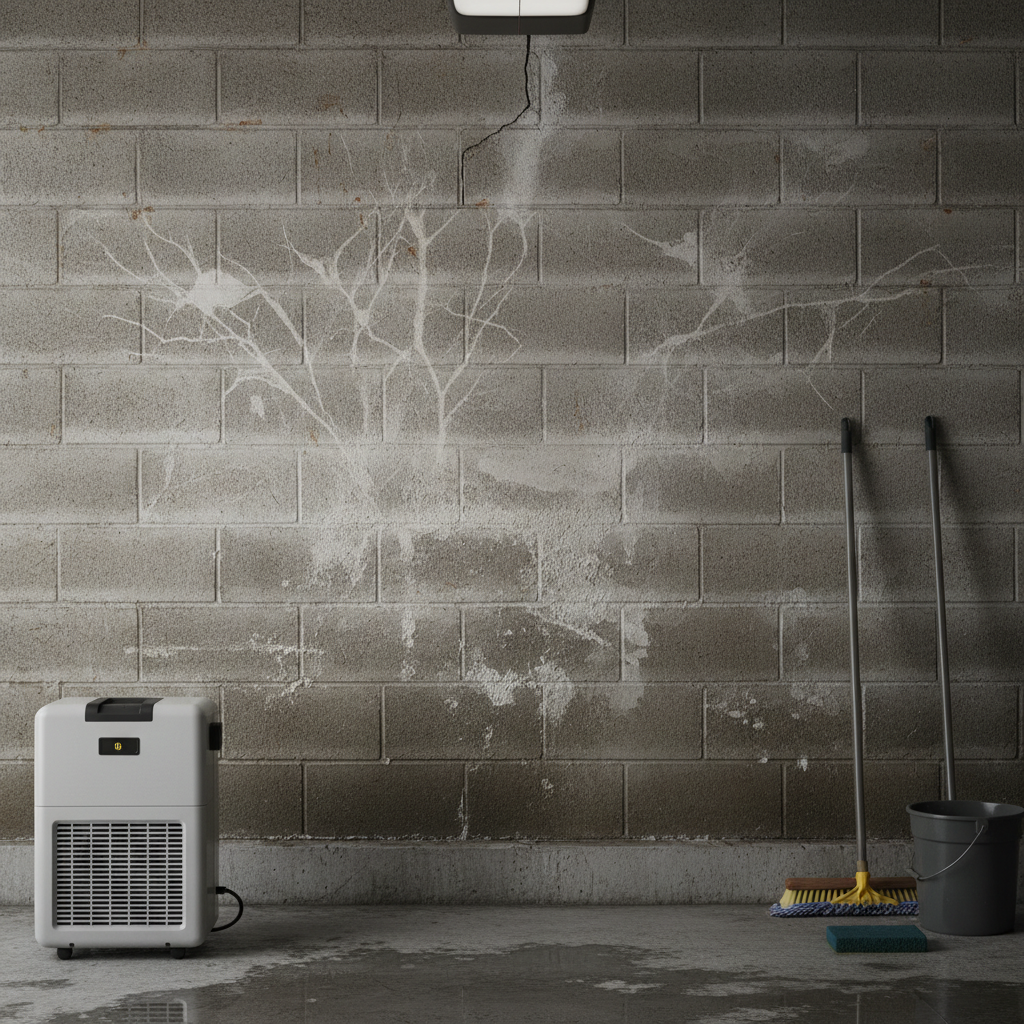
Dampness on garage walls after heavy rain or storms is usually caused by water infiltration. Some of the most common reasons include:
- Poor Drainage Systems: When rainwater does not drain properly, it can pool around the foundation and seep into walls.
- Cracks or Holes in Walls: Storms can expose or worsen cracks in concrete or brick walls, allowing water to enter.
- Inadequate Waterproofing: Older garages might lack the waterproof coatings or membranes that keep moisture out.
- Blocked Gutters and Downspouts: Debris can clog gutters, causing water overflow that saturates garage walls.
- High Groundwater Levels: Excess groundwater after heavy rains can penetrate basement or garage walls, resulting in dampness.
Signs of Garage Wall Dampness to Watch For
Detecting dampness early can prevent mold growth and structural damage. Look for these signs after a storm:
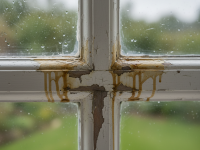
- Visible water stains or discoloration on the walls
- A musty, moldy odor
- Efflorescence – white, powdery salt deposits on masonry walls
- Peeling or bubbling paint
- Warping or swelling of drywall or wooden parts
- Condensation or water droplets forming on surfaces
How to Dry and Repair Damp Garage Walls After a Storm
1. Start with a Thorough Inspection
Begin by identifying the source of moisture. Check both inside and outside your garage for cracks, leaks, or drainage issues. Pay attention to the foundation and roof gutters as well.
2. Remove Moisture
Ventilate the garage by opening doors and windows on dry, sunny days to encourage air circulation. Use fans and dehumidifiers to speed up the drying process. For porous materials like drywall, removal and replacement may be necessary if mold is present.
3. Clean and Disinfect
Scrub walls with a mixture of water and mild detergent. If mold is present, use mold-killing solutions like diluted bleach (1 cup bleach in 1 gallon of water) and wear protective gear. Allow surfaces to dry completely before proceeding.
4. Seal Cracks and Waterproof
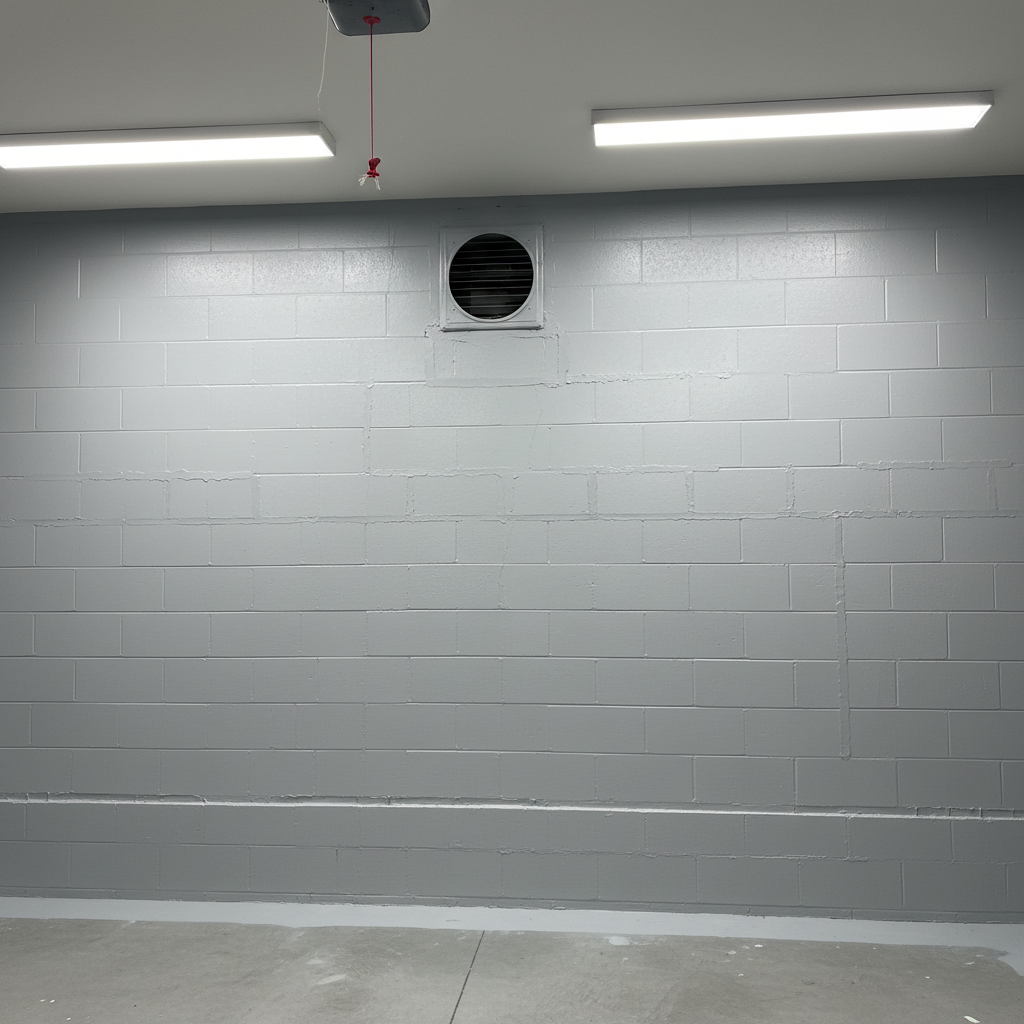
Fill any cracks or holes with masonry sealants or hydraulic cement. Once repairs dry, apply a waterproof sealant or paint designed for basement or garage walls to create a moisture barrier.
5. Improve Drainage Around Your Garage
Ensure gutters and downspouts are clear and channel water away from your house. Consider installing or upgrading a French drain system to redirect groundwater.
Preventing Garage Wall Dampness: Long-term Strategies
Beyond immediate repairs, follow these preventive measures to protect your garage walls from future dampness:
- Maintain Good Drainage: Clean gutters regularly and check grading around the foundation to ensure water flows away, not toward your garage.
- Waterproof Exterior Walls: Use high-quality waterproof paint or sealants on outer garage walls and foundation.
- Install Vapor Barriers: If your garage has drywall, consider installing vapor barriers inside walls to block moisture penetration.
- Control Indoor Humidity: Use dehumidifiers and ensure proper ventilation during humid seasons.
- Regular Inspections: Check your garage walls after storms and throughout the year to catch issues early.
Mold and Health Concerns from Damp Garage Walls
Persistent moisture often leads to mold growth, which can have serious health implications like allergic reactions, respiratory problems, and asthma. It’s crucial to address dampness quickly and thoroughly to create a safe environment.
Expert Advice and Additional Resources
For comprehensive tips on maintaining your home’s moisture barriers and improving indoor air quality, resources such as Good Housekeeping’s guide to mold removal are invaluable. They provide tested cleaning methods, product recommendations, and expert insights to keep your home safe and dry.
Frequently Asked Questions (FAQs)
Q1: How long does it take for damp garage walls to dry after a storm?
Drying time depends on the extent of moisture and ventilation. Generally, it can take anywhere from a few days to several weeks. Using fans and dehumidifiers accelerates drying.
Q2: Can I paint over damp walls in my garage?
Painting over damp walls is not advisable. Walls should be thoroughly dry and sealed before applying paint to prevent peeling and further moisture problems.
Q3: Are all garage walls waterproofed?
Not necessarily. Many older garages were built without modern waterproof membranes, so adding waterproof coatings is often necessary during repairs.
Q4: What is efflorescence and is it harmful?
Efflorescence is the white powdery residue caused by water-soluble salts on masonry surfaces. While it is not harmful itself, it indicates moisture issues that can damage walls over time.
Q5: When should I call a professional for garage wall dampness?
If you notice extensive water damage, persistent mold growth, or structural cracks, it’s best to consult a professional contractor or a waterproofing specialist for a thorough assessment and repair.
Conclusion
Garage wall dampness after a storm is an issue that requires prompt attention to avoid escalating damage and health hazards. By understanding the causes, implementing thorough drying and repair processes, and adopting preventative measures, you can keep your garage dry and protected year-round. Regular maintenance combined with strategic waterproofing ensures your garage remains a safe and functional space for your vehicles, storage, and hobbies.