How to Identify and Fix Bulges in Living Room Walls: A Complete Homeowner’s Guide
Bulges in living room walls can be alarming for homeowners, often signaling underlying issues that require immediate attention. These unsightly protrusions not only affect your home’s aesthetic appeal but can also hint at structural problems or moisture damage. If you’ve noticed bulges in your living room wall, understanding their causes, how to assess their severity, and the appropriate repair methods is crucial to maintaining a safe and beautiful home environment.
What Causes Bulges in Living Room Walls?
Bulges in walls are typically caused by one or more of the following factors:
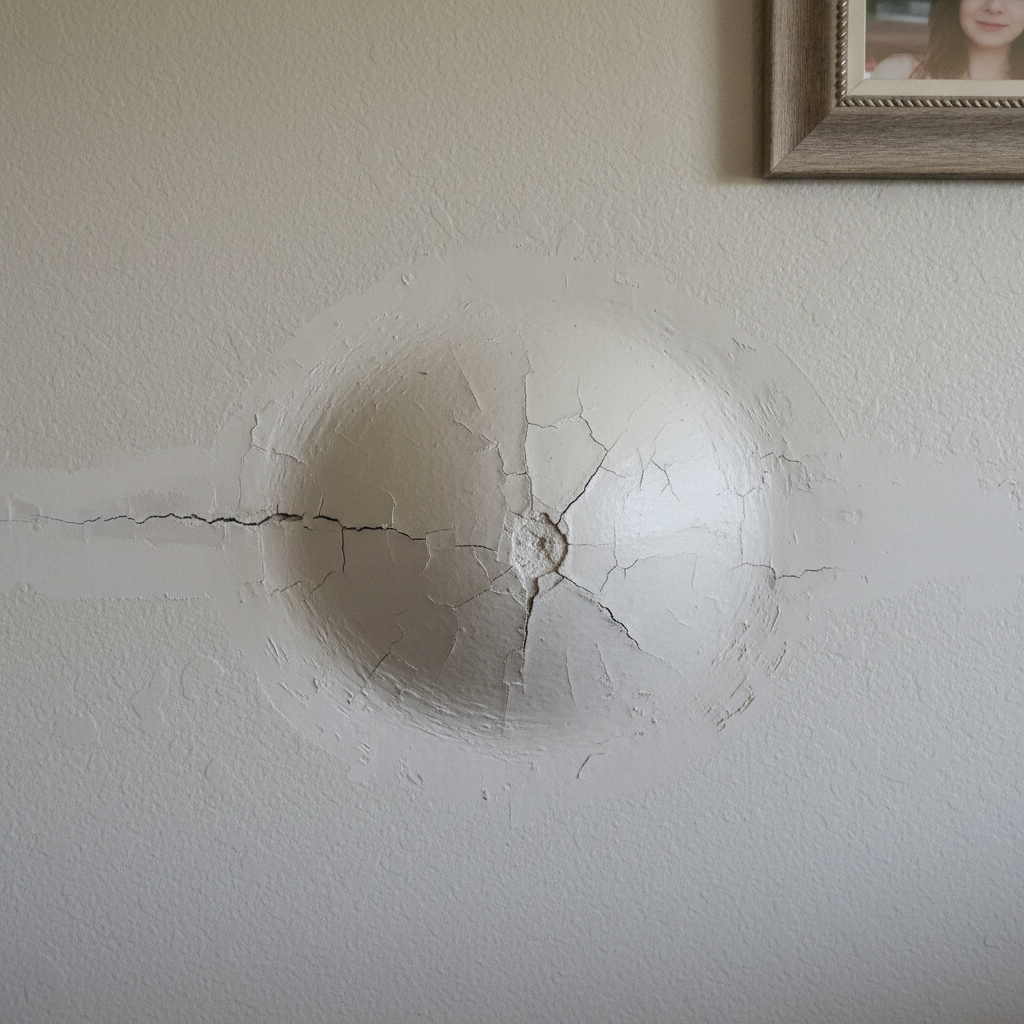
- Moisture Damage: Water leaks from plumbing, roof issues, or humidity can cause drywall or plaster to swell, resulting in bulges.
- Structural Movement: Foundation settling or shifts can stress walls, causing drywall or plaster to crack and bulge.
- Improper Installation: Poor drywall fastening or subpar materials may lead to bulging over time.
- Pest Infestations: Termites or other insects can damage the internal structure behind the wall, causing bulges.
- Thermal Expansion: Changes in temperature and humidity may cause materials to expand and contract, sometimes leading to bulging.
How to Assess the Severity of the Bulge
Not every wall bulge requires professional repair, but evaluating its nature is essential. Here’s how you can check:
- Size and Location: Larger bulges or those near windows and doors might be more serious.
- Texture and Sound: Tap the bulge gently; a hollow sound indicates drywall detachment. Soft or damp areas can signal water intrusion.
- Visible Cracks or Mold: Cracks around the bulge and the presence of mold are warning signs of deeper problems.
- Changes Over Time: Note if the bulge is growing or new ones are appearing.
DIY Fixes for Minor Bulges
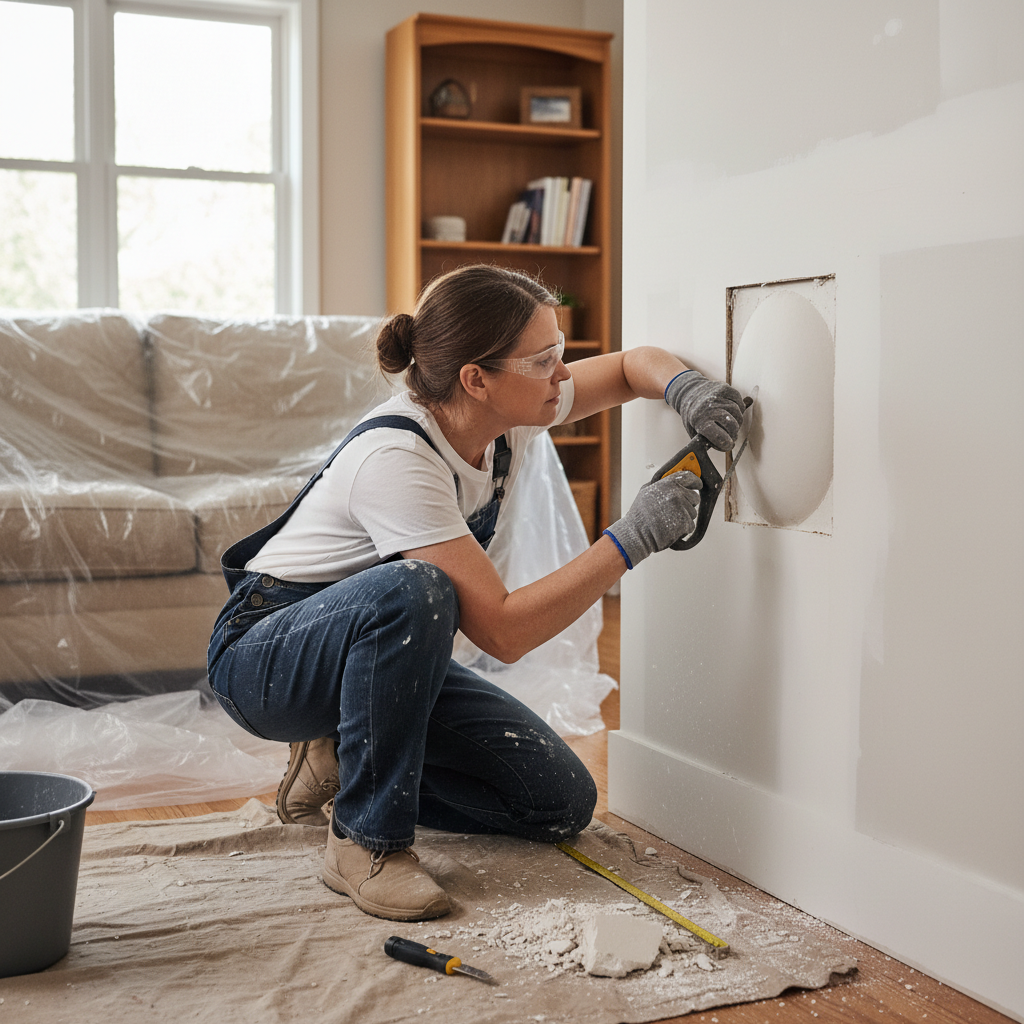
If the bulge is small and caused by minor drywall issues, you might be able to fix it yourself. Here’s a step-by-step guide:
- Prepare the Area: Remove furniture and cover the floor to protect from dust and debris.
- Cut Out the Bulge: Use a utility knife to cut around the bulging section carefully.
- Inspect the Wall: Check for moisture, mold, or pest damage behind the drywall. Address the root cause before proceeding.
- Dry the Area: Use fans or dehumidifiers to ensure the area is completely dry.
- Install New Drywall: Cut a drywall piece to fit the hole and screw it into place.
- Apply Joint Compound: Tape the seams and apply joint compound smoothly. Allow to dry and sand for a seamless finish.
- Prime and Paint: Once dry, prime and paint to match the existing wall.
When to Call a Professional
Certain situations require expert intervention:
- Large or Multiple Bulges: Indicative of structural issues that must be assessed by a contractor.
- Water Damage: Persistent moisture necessitates finding the leak source, often requiring a plumber or roofer.
- Mold Presence: Mold remediation specialists will be needed to safely remove hazardous mold.
- Foundation Problems: Foundation repairs must be handled by structural engineers or foundation specialists.
Preventing Bulges in Living Room Walls
Prevention is always better than repair. To protect your walls:
- Ensure your home has proper drainage systems, gutters, and downspouts functioning correctly.
- Regularly inspect for plumbing leaks or signs of moisture.
- Control indoor humidity with dehumidifiers and proper ventilation.
- Perform routine pest control inspections.
- Address foundation cracks early by consulting a professional.
Additional Tips for Maintaining Beautiful Interior Walls
Maintaining smooth, crack-free walls enhances your living room’s ambiance. Consider these tips:
- Use Quality Paints and Primers: Durable finishes resist moisture better.
- Install Vapor Barriers: Especially in moist climates, vapor barriers can protect wall cavities.
- Regular Cleaning: Dust and clean walls periodically to spot issues early.
Frequently Asked Questions (FAQs)
Q: Can I ignore small bulges in my living room wall?
A: It’s best not to ignore any wall bulges as they may indicate moisture or structural issues that can worsen over time. Monitoring and early intervention can save costly repairs later.
Q: How long does it take to repair a bulging wall?
A: Minor DIY repairs generally take a day or two, including drying and painting, while professional repairs for extensive damage can take several days to weeks depending on severity.
Q: Are bulges in walls dangerous?
A: Bulges themselves aren’t inherently dangerous, but they can signify underlying problems like water damage or foundation shifts that could compromise safety if left unaddressed.
Q: Is paint bubbling the same as a bulge?
A: Paint bubbling is a surface issue, often due to moisture, and while related, it can be a precursor to drywall bulging if underlying causes aren’t fixed.
Resources and Further Reading
For more home repair advice and safety tips, visit Good Housekeeping’s Drywall Repair Guide. They offer practical, expert-backed tips to help you maintain your home’s walls effectively.