How to Identify and Fix a Noisy Dripping Sound in Your Wall: A Complete Homeowner’s Guide
Hearing a noisy dripping sound in your wall can be unsettling and often signals a potential plumbing issue that demands immediate attention. Whether it’s the constant drip-drop of water or a sporadic sound that interrupts your peace, understanding the cause of this noise is crucial to prevent structural damage and costly repairs. In this comprehensive guide, we will explore common reasons behind a noisy dripping in the wall, how to diagnose it effectively, and practical solutions to fix the problem, ensuring your home remains safe and comfortable.
Why Is There a Noisy Dripping Sound in Your Wall?
A dripping or water-like noise emanating from inside your walls usually indicates the presence of water leakage or issues related to plumbing systems. However, some other causes might include condensation or even pests. Understanding the root cause helps you take the appropriate course of action.
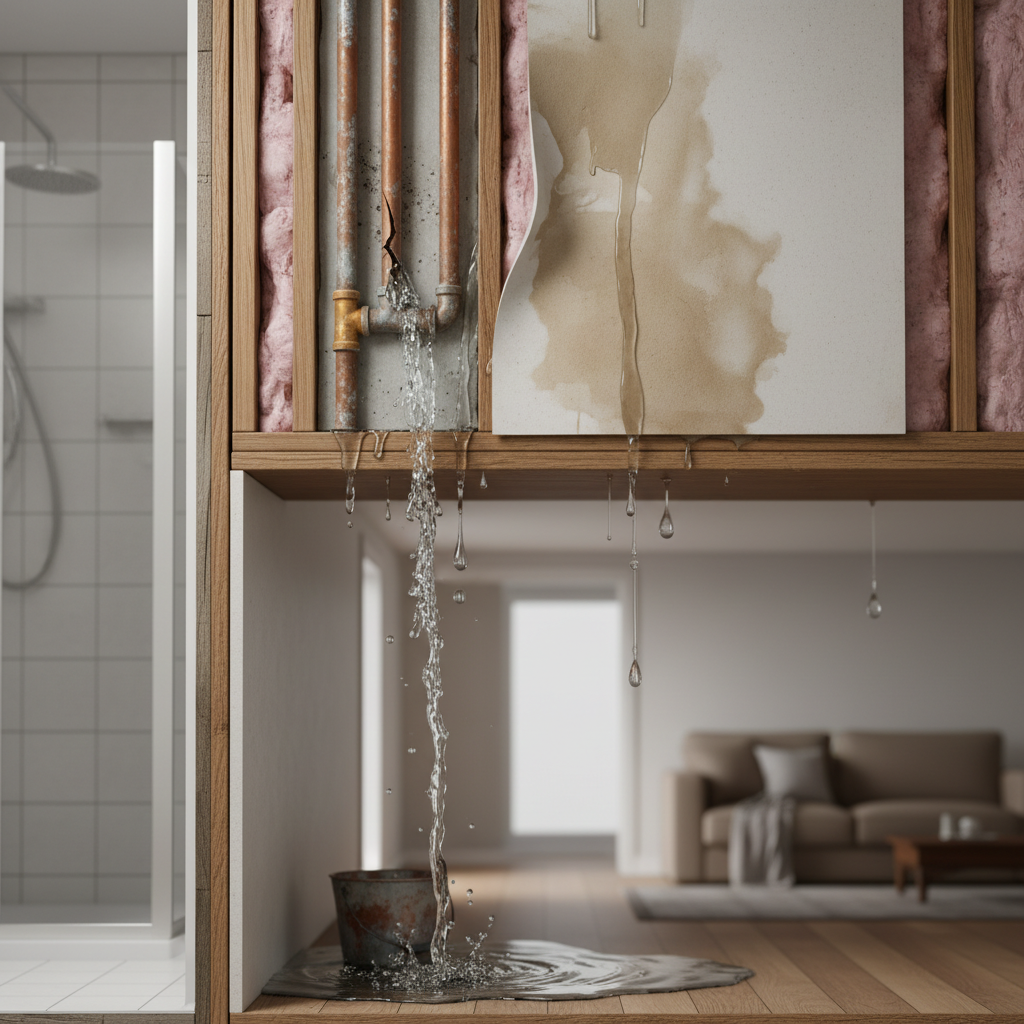
1. Leaking Pipes
One of the most frequent culprits behind noisy dripping sounds inside walls is leaking water pipes. Over time, pipes can develop cracks or loose joints, especially in older homes, causing water to escape and produce dripping noises. This can lead to severe water damage, mold growth, and deterioration of wall materials if not promptly addressed.
2. Faulty or Running Toilet
If the dripping sound seems to coincide with a bathroom wall, the noise could stem from a faulty toilet tank or a continuous running toilet that fills and leaks water quietly into the drainage system. The sound might transmit through the wall framing, amplifying the dripping effect.
3. Condensation and Moisture Accumulation
Walls that experience temperature variations can accumulate condensation, especially in areas without proper ventilation. This moisture buildup can cause water to drip inside wall cavities as it collects and runs down, creating mysterious dripping noises.
4. Roof or Exterior Wall Leaks
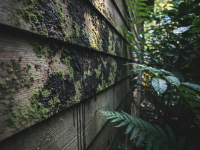
Sometimes, exterior leaks caused by roof damage or faulty siding may allow rainwater to seep through into your walls. When water accumulates, it can cause a dripping noise whenever there is rainfall or melting snow.
How to Diagnose the Source of the Dripping Sound
Before calling a plumber or professional, you can perform a few simple checks to identify the source of the noisy dripping inside your walls.
- Locate the Sound: Try to pinpoint the exact location where the dripping noise is loudest. This might help isolate which pipe or part of the wall is involved.
- Inspect Visible Pipes and Fixtures: Check under sinks, around toilets, and exposed plumbing areas for any signs of leaks or moisture.
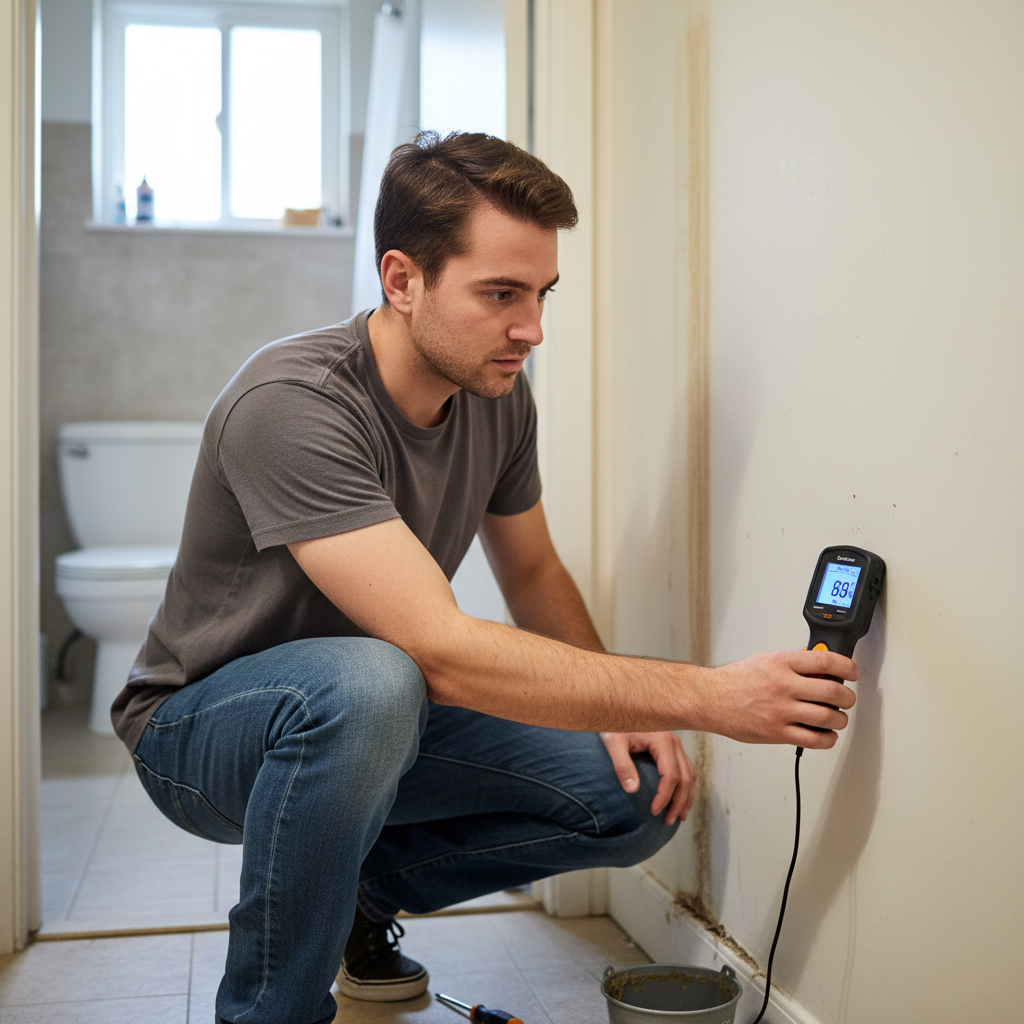
- Look for Water Stains or Mold: Damp spots, discoloration, or mold growth on walls and ceilings often indicate hidden leaks.
- Use a Moisture Meter: A moisture meter can help detect dampness within walls to confirm water presence even if it’s not visible.
- Check Outdoor Areas: Examine your roof, gutters, and exterior walls for damage that could contribute to water intrusion.
Effective Solutions to Fix Noisy Dripping in Walls
Once you identify the cause of the noise, you can choose a proper solution to eliminate the dripping sound and prevent further damage.
1. Repair or Replace Faulty Plumbing
If leaking pipes are the culprit, immediate repair or replacement is essential. Professional plumbers typically use pipe sealants, clamps, or even replace entire pipes depending on the severity. Addressing plumbing issues early prevents costly water damage and ensures your home’s safety.
2. Fix Running or Faulty Toilets
A continuously running toilet can often be fixed by replacing the flapper valve, adjusting the fill valve, or repairing the flush mechanism. This simple fix can stop internal dripping sounds and save water.
3. Improve Ventilation to Reduce Condensation
Enhancing ventilation in damp areas such as bathrooms, kitchens, and basements reduces humidity and prevents condensation buildup inside walls. Installing exhaust fans or using a dehumidifier can help maintain dry wall cavities.
4. Seal Exterior Leaks
Repair damaged shingles, siding, or gutters to stop rainwater from seeping into walls. Regular exterior maintenance is a crucial preventive measure.
5. Remove Mold and Dry Damp Walls
In cases where water has already penetrated walls causing mold, it is vital to dry the affected areas and remove mold using appropriate cleaning agents. Mold can pose health risks and should be handled carefully, sometimes requiring professional remediation.
Preventive Tips to Avoid Noisy Dripping and Water Damage in Walls
- Conduct regular plumbing inspections, especially in older homes.
- Maintain roof and gutter systems to ensure proper drainage.
- Use water leak detectors near vulnerable plumbing installations.
- Keep humidity levels under control with ventilation and dehumidifiers.
- Insulate pipes to prevent condensation in cold climates.
Frequently Asked Questions (FAQs)
Q1: Can a noisy dripping sound in the wall be caused by pests?
While pests can cause scratching or movement noises, a consistent dripping sound usually indicates water intrusion rather than pests. However, if you suspect pest activity, a pest control professional can conduct an inspection.
Q2: Is it safe to ignore a dripping sound inside the wall?
No. Ignoring the sound could lead to extensive water damage, mold growth, and structural problems. It’s best to investigate and fix the issue promptly.
Q3: How quickly should I address a dripping sound in my wall?
As soon as you notice persistent dripping noises, initiate an inspection and repairs. The sooner you act, the less likely you will face costly restoration work.
Q4: Can I fix leaking pipes inside walls myself?
Minor leaks may be fixed by experienced DIYers but accessing pipes inside walls often requires professional expertise to avoid further damage.
Q5: Are there devices to help detect leaks inside walls?
Yes, moisture meters, thermal imaging cameras, and water leak detectors can help identify hidden leaks efficiently.
For more detailed guidance on home water leak detection and prevention, visit the Good Housekeeping water leak resource.