How to Identify and Fix a Draft Coming from an Electrical Outlet
Noticing a draft coming from an electrical outlet can be surprisingly common, yet it often goes overlooked as a source of energy loss and discomfort in your home. If you feel chilly air and suspect that your outlet is the culprit, it’s important to understand why this happens and how you can effectively seal these gaps to improve your home’s insulation and energy efficiency. In this comprehensive guide, we’ll walk you through identifying drafts from electrical outlets, understanding the causes, and providing easy DIY solutions to stop the cold air—and high energy bills—right at the source.
Why Are Electrical Outlets Drafty?
Electrical outlets installed on exterior walls are frequently positioned directly over wall cavities that connect to the outdoors or unheated spaces like basements or crawl spaces. Without proper insulation or sealing behind the outlet, cold air can travel into your living space through gaps in the wall and outlet box. The outlet cover itself is not airtight, and sometimes the outlet boxes have openings that allow airflow.
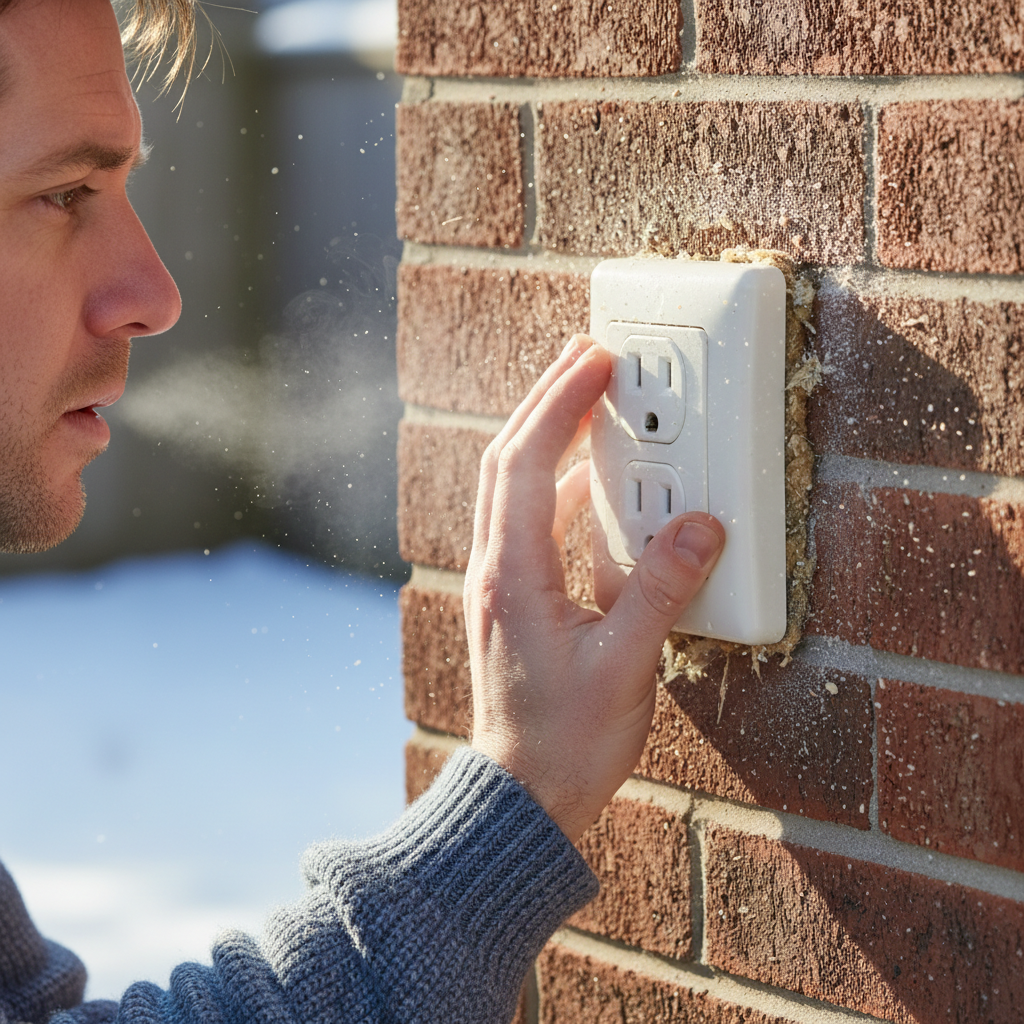
Common reasons for drafts at electrical outlets include:
- Gaps between the electrical box and wall cavity.
- Old or missing foam insulation behind the outlet boxes.
- Outlets installed on poorly insulated exterior walls.
- Incorrect or damaged outlet covers that don’t fit snugly.
Why It Matters: The Impact of Drafty Outlets on Your Home
Unsealed electrical outlets can be a significant source of heat loss, contributing to higher heating costs during colder months and making rooms feel less comfortable overall. The constant influx of cold air not only affects temperature but also increases the workload on your HVAC system, reducing its efficiency and lifespan.
According to Good Housekeeping, sealing gaps around electrical outlets is one of the simplest ways to reduce energy waste in your home without major renovations.
Signs You Have a Draft from an Electrical Outlet
Before you fix the problem, it’s essential to confirm that the outlet is indeed the source of the draft. Here are some telltale signs:
- Feeling a noticeable cold breeze when you place your hand near an outlet on an exterior wall.
- Increased heating bills without other obvious reasons.
- Discoloration or staining around the outlet indicating moisture infiltration.
- Using a smoke pencil or incense stick near the outlet to see if the smoke moves toward the outlet, indicating airflow.
How to Safely Stop Drafts Coming from Electrical Outlets
Once you’ve identified the draft, the good news is that sealing it is usually a simple and affordable DIY project. Here’s how you can safely approach it:
Materials Needed:
- Outlet sealers or foam gasket inserts designed for electrical outlets
- Caulk (latex or silicone-based)
- Spray foam insulation (low-expansion type for outlets)
- Putty knife
- Screwdriver
- Safety equipment: gloves, eye protection
Step-by-Step Guide:
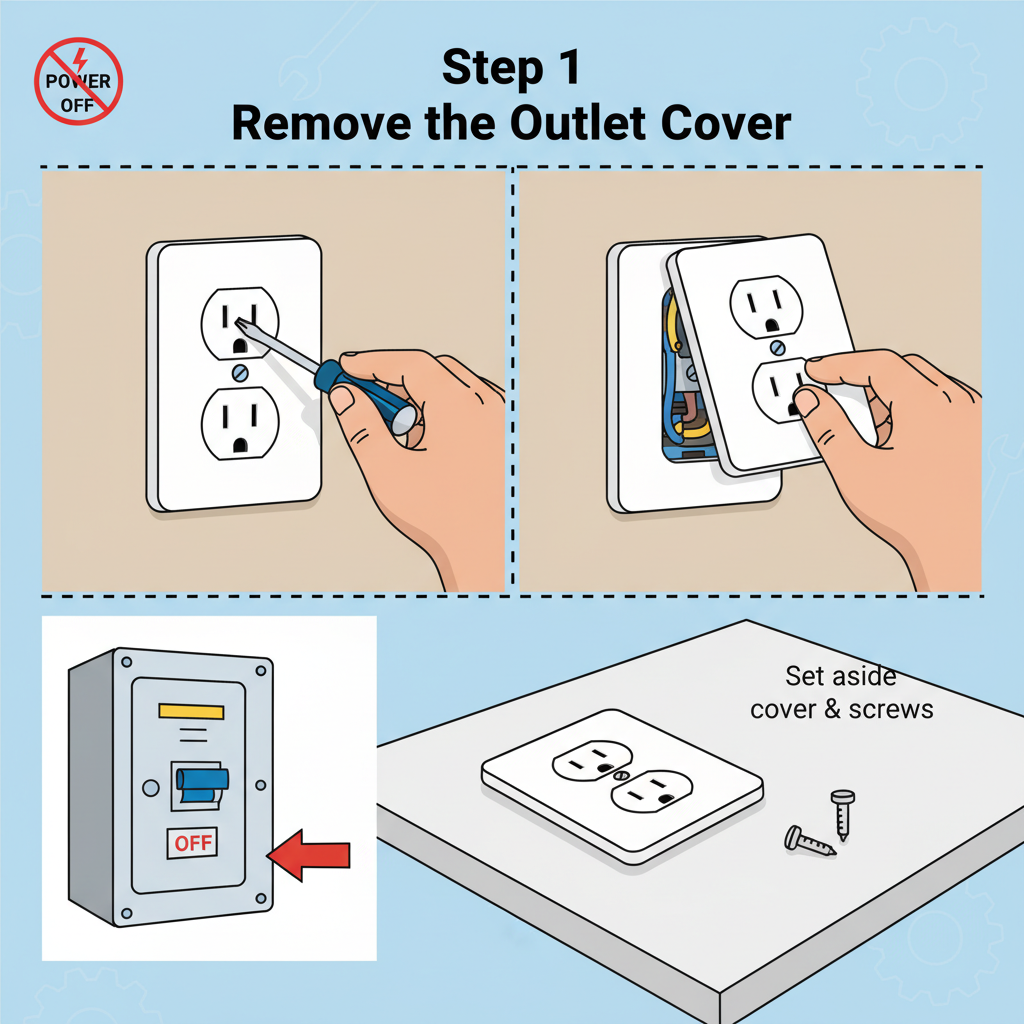
1. Turn Off Power to the Outlet
Safety first—go to your circuit breaker panel and turn off the breaker that controls the outlet area you will be working on. Use a voltage tester to verify that the power is off.
2. Remove the Outlet Cover Plate
Use a screwdriver to carefully remove the cover plate from the outlet.
3. Install a Foam Gasket Behind the Cover Plate
Purchase foam outlet sealers or gasket inserts from a hardware store. These easily slide onto the outlet before putting the cover back on. They create a tighter seal to reduce airflow.
4. Add Spray Foam Insulation Behind the Outlet (Optional)
If you can access the wall cavity through the outlet box, spray a small amount of low-expansion foam insulation around the box edges. Be careful not to overfill, as foam expands and can make outlet realignment difficult.
5. Caulk Around the Outlet Box
If there are visible gaps between the wall and outlet box edges, use caulk to fill these spaces for an airtight seal.
6. Replace the Cover Plate and Restore Power
Once all is sealed and dry, screw the cover plate back on and turn the power back on at the circuit breaker.
Additional Tips for Preventing Drafts Around Electrical Outlets
- Consider upgrading to insulated outlet boxes, especially in new builds or renovations.
- Replace old outlet covers with airtight or foam-sealed covers designed with energy efficiency in mind.
- Perform a thorough energy audit of your home, including checking other common draft sources like windows and doors.
- When insulating walls, ask your contractor to ensure outlet boxes are sealed and insulated properly.
When to Call a Professional
If you’re uncomfortable working with electrical components, or if you discover extensive damage behind the outlet such as mold or wiring issues, it’s wise to consult a licensed electrician or a professional home energy auditor. They can ensure the repairs are safe and code-compliant.
Frequently Asked Questions (FAQs)
Is it safe to seal electrical outlets with spray foam?
Yes, but it’s important to use a low-expansion spray foam specifically made for electrical outlets to avoid pressure on wiring and to maintain safety.
Can drafts cause electrical problems?
Drafts themselves don’t cause electrical issues, but moisture brought in by drafts can lead to corrosion and potential safety hazards if unchecked.
Does sealing outlets really save money on heating bills?
Sealing air leaks around outlets can contribute to overall energy savings by improving your home’s insulation, which reduces heat loss and decreases heating costs.
Are outlet draft stoppers just foam gaskets?
Foam gaskets are a simple type of outlet draft stopper that fit behind cover plates, but there are also insulated box inserts designed for a more complete seal.
Conclusion
Drafts from electrical outlets are a common yet fixable problem that can significantly impact your home’s comfort and energy bills. With a few simple tools and precautionary steps, you can effectively identify, seal, and prevent cold air from sneaking through your outlets. Remember, safety first—always turn off the power before working on outlets. Taking these small measures will help make your home more energy-efficient, cozy, and cost-effective.
For more detailed DIY energy-saving tips, check out this expert guide on how to seal electrical outlets.