How to Fix a Washing Machine Hose Leaking: Easy Tips to Stop Leaks and Prevent Damage
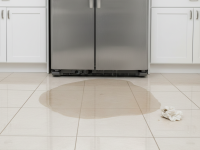
A leaking washing machine hose can quickly turn from a minor inconvenience into a major household problem. Whether it’s a slow drip or a sudden burst, a hose leak not only wastes water but can cause water damage to your floors, walls, and even your home’s foundation. In this comprehensive guide, we’ll explore why washing machine hoses leak, how to identify the source of the problem, and step-by-step solutions to fix the leak and prevent future issues. If you’re facing a washing machine hose leaking, read on to learn professional tips that will help keep your laundry room safe and dry.
Common Causes of Washing Machine Hose Leaking
Understanding the reason behind the leak is essential to fixing it correctly. Here are some of the most common causes:
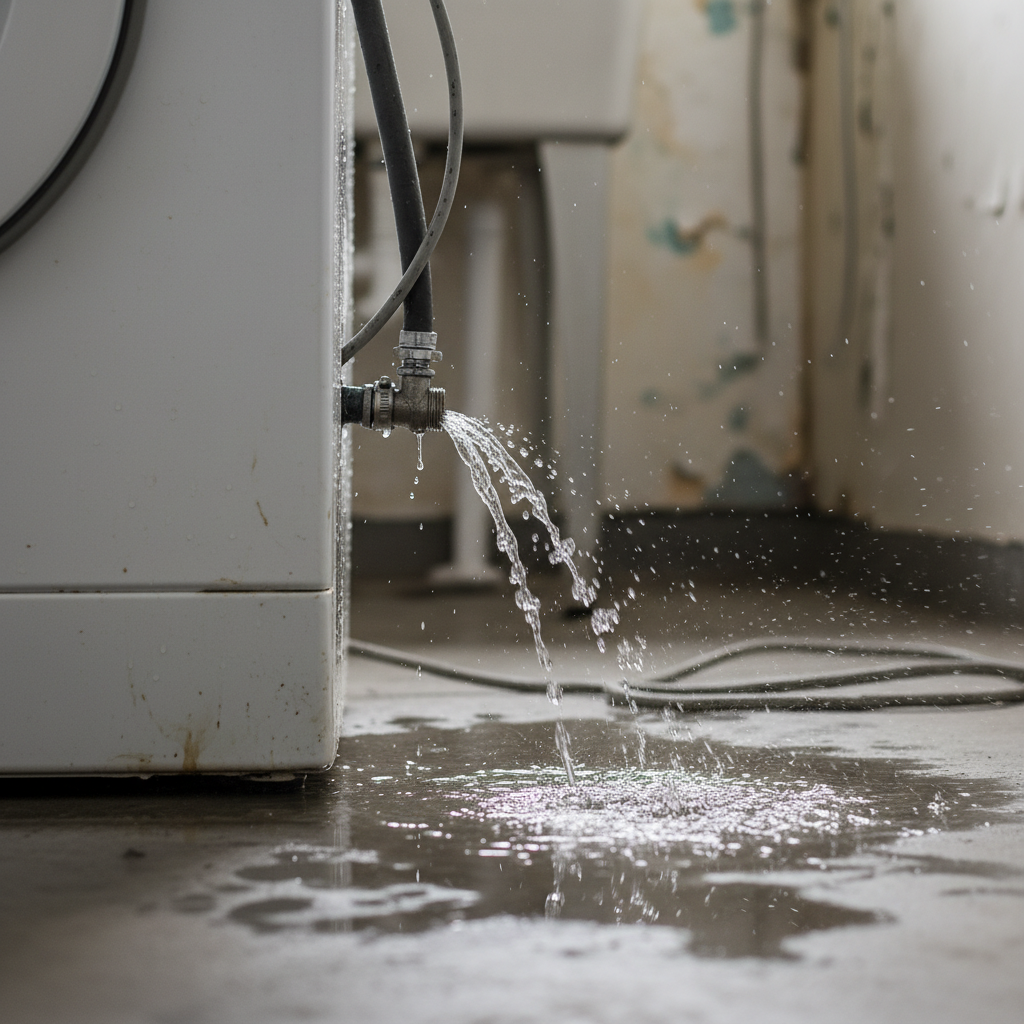
- Worn or damaged hoses: Over time, rubber hoses can crack, harden, or degrade, leading to leaks.
- Loose connections: The hose connections to the washing machine or water supply valve might loosen or not be properly tightened.
- Corrosion or damage at fittings: Metal clamps or connectors can corrode, creating gaps where water escapes.
- Wrong hose type: Using a non-reinforced hose, or one incompatible with your washing machine’s pressure requirements, can cause leaks.
- Kinks or bends: Sharp kinks or twists in the hose can weaken the material and cause leaks.
How to Identify Which Hose is Leaking
Most washing machines have two hoses: one for hot water and another for cold water. Leaks can occur at either end or along the hose itself. To find the source:
- Inspect visually for any cracks, bulges, or wet spots along the hose.
- Check the connection points at both the washing machine and the water supply valves.
- Run the washing machine and observe if any water drips or sprays during operation.
- Use a dry paper towel or cloth to wipe and detect moisture pinpointing the leak location.
Step-by-Step Guide to Fix a Washing Machine Hose Leaking
1. Turn Off the Water Supply and Unplug the Machine
Before inspecting or repairing, make sure to turn off the water valves for both hot and cold water. Unplugging the machine ensures safety from electrical hazards.
2. Inspect and Tighten Hose Connections
Use pliers or your hands to gently tighten the hose connectors at both the back of the washing machine and at the water valves. Be cautious not to overtighten, as this can damage threads or connectors.
3. Replace Damaged or Old Hoses
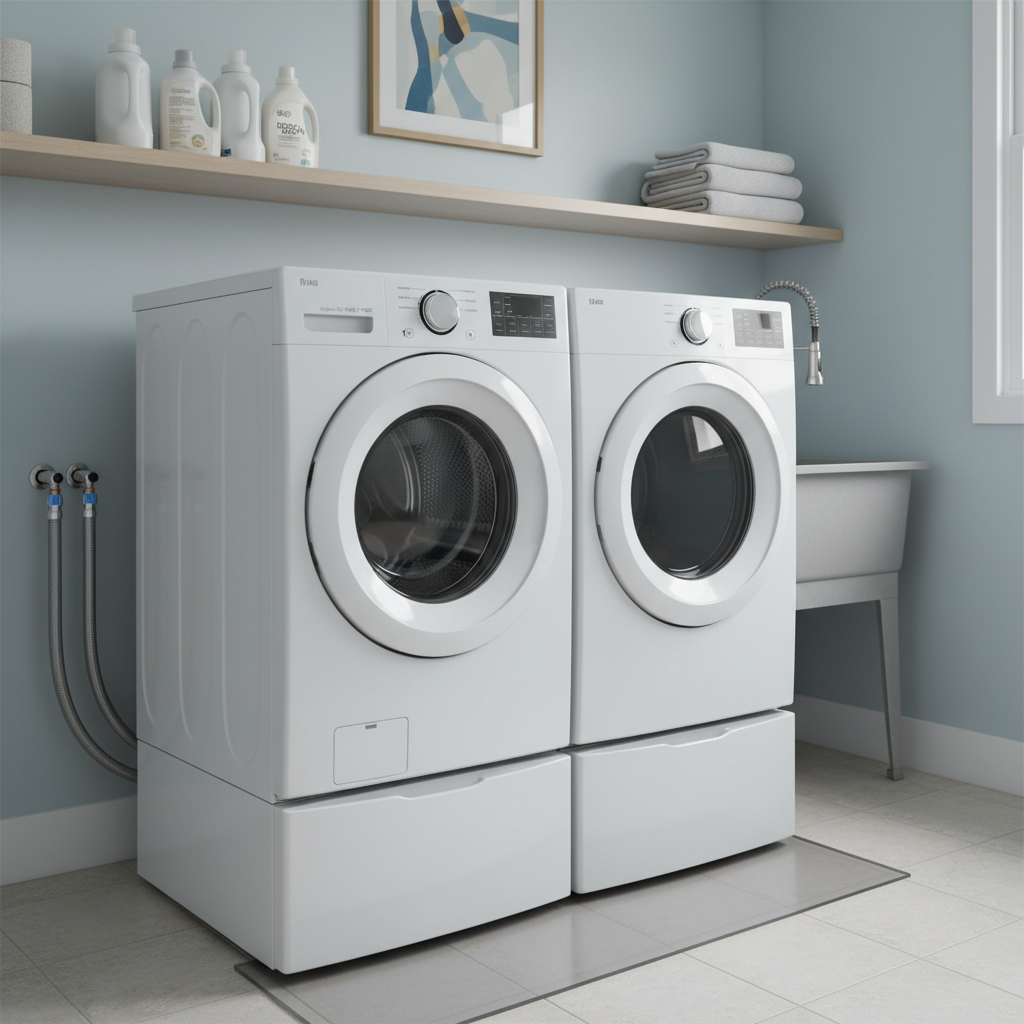
If hoses are cracked, bulging, or brittle, replace them immediately. When purchasing new hoses, consider stainless steel braided hoses, which are more durable and less prone to bursting than rubber ones. They also prevent kinking better than standard hoses.
4. Check and Replace Hose Clamps if Necessary
Hose clamps secure the hose to the fittings. Over time, they can rust or lose tension, compromising the seal. Swap old clamps for new worm gear clamps for a secure, adjustable fit.
5. Reconnect and Test for Leaks
After replacement or tightening, reconnect everything and turn the water back on. Run a short wash cycle while closely checking for drips. If leaks persist, re-examine connections or consider professional help.
Preventing Future Washing Machine Hose Leaks
- Regularly inspect hoses: Make it a habit to check washing machine hoses every 6 months for signs of wear or damage.
- Replace hoses every 5 years: Most manufacturers recommend changing hoses every five years as a preventive measure.
- Use high-quality stainless steel braided hoses: These last longer and resist bursting better than rubber hoses.
- Avoid twisting or bending hoses tightly: Make sure hoses have gentle curves without kinks.
- Install a water leak detector: These devices alert you to leaks early before water damage escalates.
When to Call a Professional
If you’ve replaced hoses and clamps and tightened connections yet your washing machine hose is still leaking, it might be time to contact a plumber or appliance technician. Persistent leaks could indicate issues with the washing machine’s internal water inlet valve or other mechanical faults beyond DIY repair.
Additional Tips for Washing Machine Safety
Besides maintaining your hoses, it’s important to:
- Keep the area around your washing machine dry and free from clutter.
- Make sure the washing machine is level to avoid unnecessary stress on hoses and connections.
- Check your washing machine user manual for specific recommendations related to hoses and maintenance.
FAQs About Washing Machine Hose Leaking
Q1: How often should I replace washing machine hoses?
It’s best to replace washing machine hoses every 3 to 5 years, even if they appear undamaged, to prevent unexpected leaks and bursts.
Q2: Can I use regular garden hoses for my washing machine?
No. Garden hoses are not designed to handle washing machine water pressure or temperature and can cause leaks or bursts. Only use hoses specified for washing machine use.
Q3: Is stainless steel braided hose better than rubber hose?
Yes, stainless steel braided hoses are more durable, resistant to pressure, and less likely to kink or burst compared to rubber hoses.
Q4: What should I do if I find mold around leaking hoses?
Address leaks quickly and clean affected areas with a mold remover. Ensure the area is dry and maintain proper ventilation to prevent mold regrowth.
Q5: Can I fix a leaking hose without turning off the water supply?
No. Always turn off the water supply and unplug the washing machine before attempting any repairs to avoid injury or water damage.
Learn More About Laundry Room Maintenance
For additional expert advice on appliance maintenance and preventing home water damage, check out resources from Good Housekeeping’s washing machine leak guide. Their tips are trusted by homeowners for safe and effective solutions.