How to Fix a Slow Filling Toilet Tank: Easy Tips for a Faster Flush
There’s nothing more frustrating than waiting around for your toilet tank to fill up after a flush. A slow filling toilet tank not only wastes time but can also indicate underlying plumbing issues. Fortunately, you don’t always need a plumber for this common household annoyance. In this guide, we’ll explore why toilet tanks fill slowly and share practical, easy-to-follow solutions to get your bathroom back up to speed.
Why Is My Toilet Tank Filling Slowly?
Understanding the root cause of a slow filling toilet tank is the first step to fixing it. Here are some of the most common reasons:
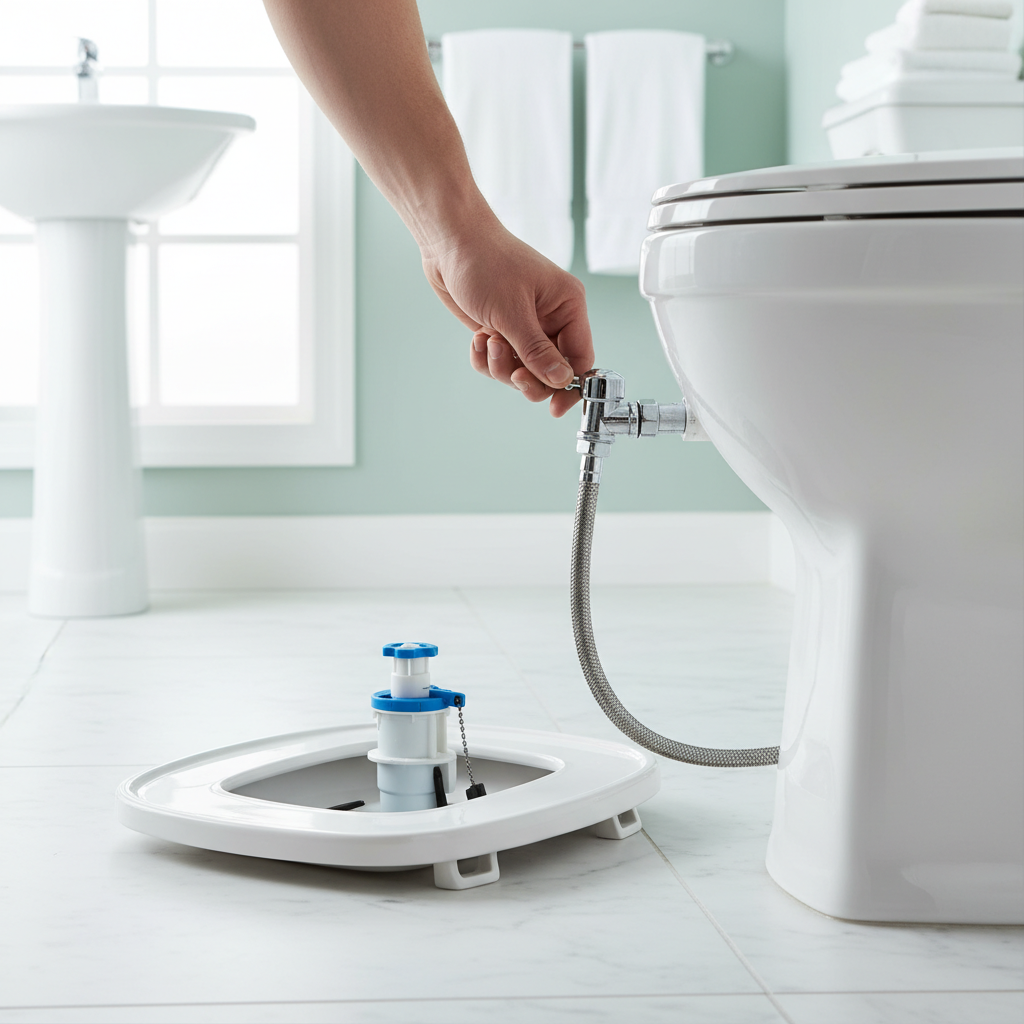
- Clogged or Partially Closed Shutoff Valve: The water supply valve might be turned too far down or clogged with mineral deposits, restricting flow.
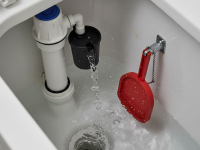
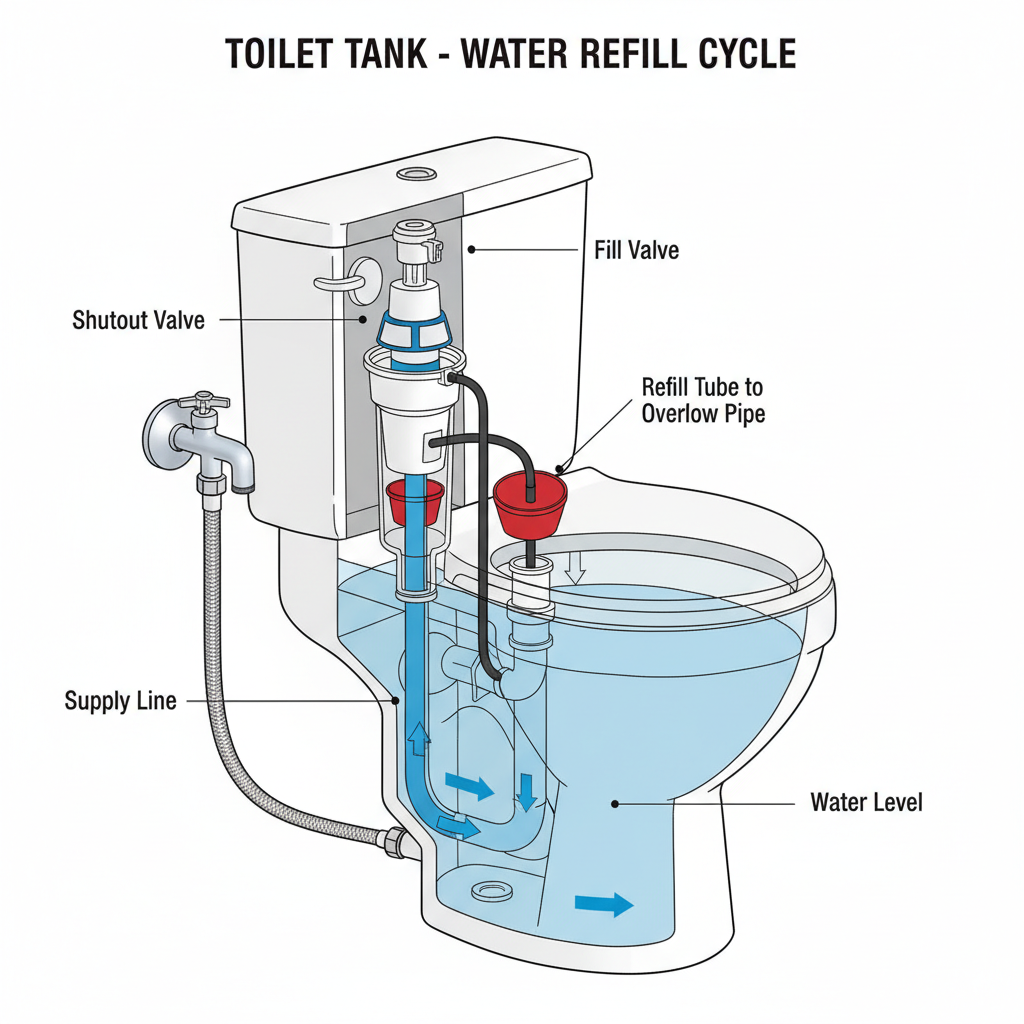
- Faulty Fill Valve: The fill valve controls water flow into the tank. If it’s damaged or clogged, water will trickle in slowly.
- Blocked Supply Line: Mineral buildup or debris can clog the supply line, affecting water pressure and speed.
- Low Water Pressure: Sometimes the overall water pressure in your home is low, causing slower refill times.
- Old Plumbing Components: Old pipes or fixtures can degrade over time, limiting water flow.
How to Fix a Slow Filling Toilet Tank
Before calling a plumber, try these practical troubleshooting tips to speed up your toilet tank’s refill time.
1. Check and Adjust the Shutoff Valve
Locate the shutoff valve behind your toilet near the floor. Sometimes it’s turned only partially open, which limits water flow.
- Turn the valve counterclockwise to fully open it.
- If it doesn’t move easily, try gently wiggling or lubricating it.
- If cracked or broken, replace the valve to ensure proper flow.
2. Inspect and Clean the Fill Valve
The fill valve is inside the tank and controls how water enters. Over time, sediments or debris can clog its components.
- Turn off the water supply and flush the toilet to empty the tank.
- Remove the fill valve cap and clean it under running water.
- Use a toothbrush or soft brush to clear tiny mineral deposits.
- Reassemble and test the filling speed.
If cleaning doesn’t help, consider replacing the fill valve with a new, efficient model. Many fill valves today come with adjustable flow rates.
3. Clear the Supply Line
If water flows unevenly, the supply line might have a clog or buildup inside. To fix:
- Turn off the shutoff valve.
- Disconnect the supply line from the toilet tank.
- Check for visible debris and flush water through the line into a bucket.
- If sediment is stubborn, replacing the supply line is simple and inexpensive.
4. Boost Overall Water Pressure
If your home has low water pressure, the toilet refill will naturally be slow. You might notice similar issues with other fixtures like sinks and showers.
Here are a few ways to boost water pressure:
- Check with your water supplier to confirm local pressure levels.
- Inspect your main water valve to ensure it’s fully open.
- Install a pressure booster pump if you consistently experience low pressure.
5. Replace Old or Worn-Out Plumbing Parts
Older toilets or plumbing systems may have corroded or worn parts causing slow filling. In these cases, replacing the entire valve assembly or upgrading to a modern toilet can improve performance and water efficiency.
Maintenance Tips to Prevent Slow Filling Toilets
Keeping your toilet tank filling smoothly is easier if you practice regular maintenance:
- Inspect the fill valve and shutoff valve annually for signs of wear or mineral buildup.
- Clean valve parts with vinegar or a mild cleaning solution to dissolve deposits.
- Flush the water supply line occasionally by disconnecting it and letting water flow into a bucket.
- Use a water softener if you have hard water to reduce mineral buildup in plumbing fixtures.
Frequently Asked Questions About Slow Filling Toilet Tanks
Why does my toilet tank take so long to fill after flushing?
The most common causes are a partially closed shutoff valve, clogged fill valve, or low water pressure. Identifying and addressing these issues usually restores normal fill time.
Can I replace a fill valve myself?
Yes! Replacing a fill valve is a simple DIY task that requires turning off the water, removing the old valve, and installing a new one. Most fill valves come with easy instructions.
How long should it take for a toilet tank to fill?
Typically, a toilet tank takes about 1 to 2 minutes to fill fully. If it takes significantly longer, it’s time to check for problems.
Is a slow filling tank wasting water?
Often, yes. If the fill valve is faulty, it might leak or cause multiple partial refills. Fixing slow fill issues can improve your toilet’s efficiency.
When to Call a Professional Plumber
If you’ve tried the above tips and your toilet tank still fills slowly, or if you notice additional issues such as leaks, noises, or very low water pressure throughout your home, it might be time to call a plumber. Professionals can diagnose more complex plumbing problems and safely carry out repairs or replacements.
For more home maintenance advice and step-by-step guides, Good Housekeeping offers expert resources that can help you keep your bathroom running smoothly.
Final Thoughts
A slow filling toilet tank is a common issue that most homeowners can troubleshoot without hassle. By understanding the causes, performing routine maintenance, and following these simple steps, you can restore your toilet’s efficiency and avoid long waits after every flush. A well-functioning toilet not only provides convenience but also helps conserve water and reduce costly plumbing repairs down the line.
“`