How to Fix a Sliding Door That Is Difficult to Open
If your sliding door is difficult to open, you’re not alone. Many homeowners encounter sticky, jammed, or sluggish sliding doors that compromise convenience, security, and comfort. Fortunately, there are effective ways to diagnose and fix sliding door problems, from simple cleaning and adjustment to replacing worn-out parts. In this comprehensive guide, we’ll explore why sliding doors become hard to open and share expert tips for restoring smooth operation, so you can enjoy easy access and worry-free functionality again.
Common Reasons Why Sliding Doors Are Difficult to Open
Understanding the root causes of sliding door resistance is key before tackling any repairs. The most frequent issues include:
- Dirt and debris buildup: Dust, leaves, pet hair, and grime can accumulate in the track, restricting movement.
- Misaligned or damaged rollers: The rollers underneath the door may wear out, get stuck, or shift out of alignment.
- Warped or swollen door frame: Changes in humidity or temperature can cause the door or frame to swell, making it rub against surfaces.
- Corroded or rusty tracks: Over time, exposure to moisture can corrode metal tracks, increasing friction.
- Faulty locks or handles: Mechanical parts related to locking mechanisms may jam or bind.
Step-by-Step Guide to Troubleshooting and Fixing a Stuck Sliding Door
1. Inspect and Clean the Track
Begin by closely examining the door track for any dirt, debris, or obstructions. Use a vacuum cleaner with a narrow nozzle to remove loose dirt. Then, wipe the track with a damp cloth and mild detergent to clear sticky residues. For stubborn grime, a toothbrush or small brush can help scrub tight corners. Proper cleaning reduces friction and allows the door to glide smoothly.
2. Check and Adjust the Rollers
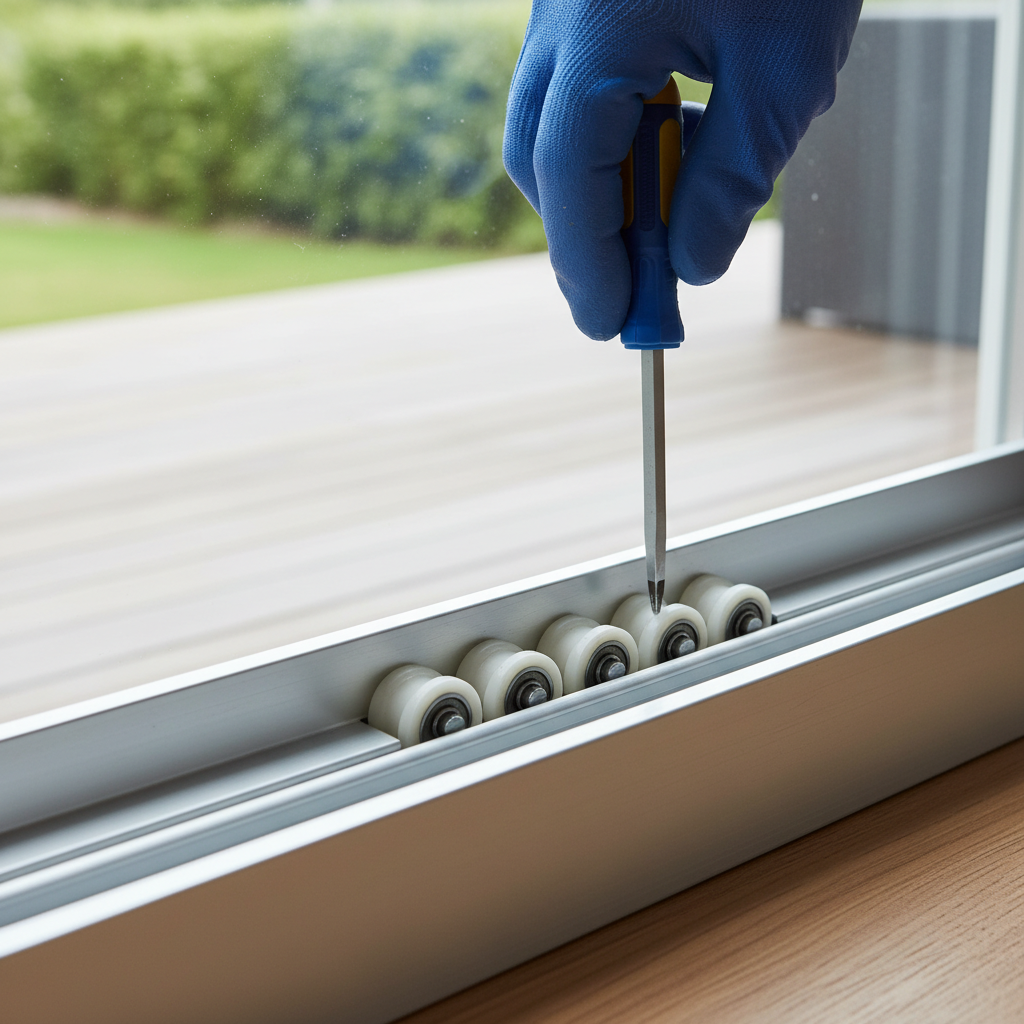
Sliding doors rely on rollers for effortless movement. To access them, you may need to lift the door slightly or unscrew a panel. Inspect the rollers for damage such as cracks, rust, or missing parts. If they look worn out, it’s best to replace them. Many doors have adjustment screws near the bottom corners—these controls help raise or lower the door to align it perfectly with the track. Use a screwdriver to make small adjustments and test the door movement after each change.
3. Lubricate Moving Parts
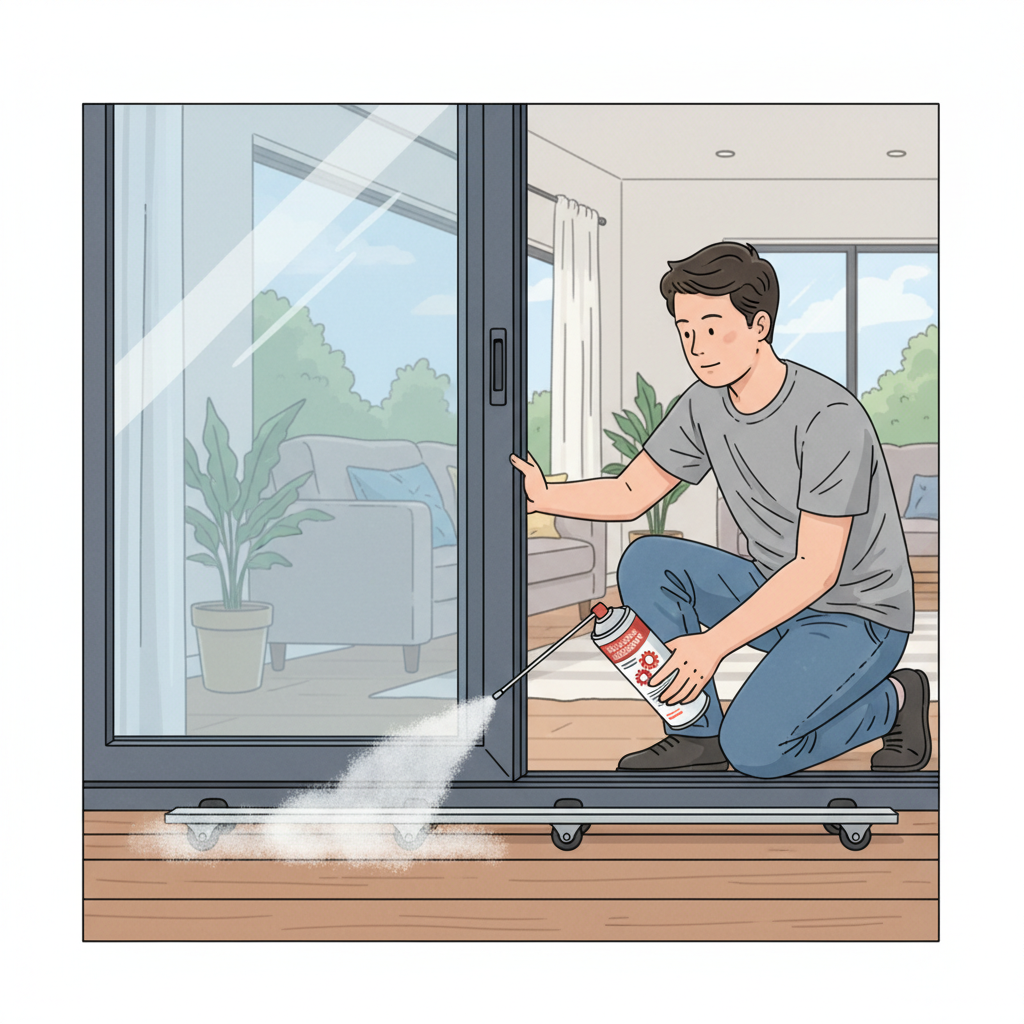
Lubrication plays a vital role in improving sliding door performance. Use a silicone-based lubricant spray recommended for door and window tracks—it won’t attract dirt like oil-based products. Apply the lubricant evenly along the inner track and rollers, then slide the door back and forth several times to distribute it thoroughly. Avoid overusing lubricant, as excess can drip and cause messes.
4. Examine the Door Frame and Weatherstripping
If cleaning and adjusting don’t fully resolve the issue, check the door frame and weatherstripping. Look for signs of warping or swelling. You can use a level tool to verify if the door frame is even. Damaged weatherstripping might cause tight spots—replace any chunks that are cracked or hardened to improve the smoothness of operation.
5. Test Locks and Handles
Sometimes, difficulty in opening arises from malfunctioning locks or handles. Check if the lock mechanism engages smoothly and that the handle isn’t loose or jamming. Tighten screws as needed, and if parts are broken or rusted, consider replacing them.
When to Call a Professional Sliding Door Repair Service
While many sliding door problems can be fixed DIY, certain scenarios require expert attention:
- Precision alignment is difficult, and DIY adjustments worsen the problem.
- Rollers, tracks, or frames are severely damaged or corroded.
- Doors won’t stay on the track despite repair attempts.
- Locking mechanisms are compromised, threatening security.
- You prefer a professional inspection for peace of mind.
Professional technicians have specialized tools and replacement parts, ensuring long-lasting fixes. For safety and optimal performance, don’t hesitate to call a qualified repair service if needed.
Preventive Maintenance Tips for Sliding Doors
To keep your sliding door operating smoothly for years:
- Regularly clean the track and rollers at least twice a year.
- Lubricate rollers and tracks every six months with silicone spray.
- Avoid slamming the door or forcing it open.
- Inspect weatherstripping yearly and replace it if worn.
- Keep the tracks free from leaves, pet hair, and other debris.
Consistent care reduces repairs and enhances the lifespan of sliding doors.
FAQs about Sliding Doors Difficult to Open
Why is my sliding door sticking after rain?
Humidity causes wood frames or doors to swell, making them fit more tightly in the frame. Water can also wash dirt into the track, increasing friction. Regular cleaning and allowing the door to dry can help.
Can I fix roller issues myself?
Yes, many roller replacements or adjustments are DIY-friendly if you have basic tools. However, ensure you follow manufacturer instructions for your door model.
What lubricant should I use on sliding doors?
Silicone-based lubricants are generally best because they don’t attract dirt and stay effective despite weather exposure.
How often should sliding doors be maintained?
Check and clean sliding doors biannually to prevent buildup; lubricate rollers and tracks every six months.
Is it normal for sliding doors to become difficult over time?
Yes, due to regular wear and exposure to elements, sliding doors may become harder to open unless properly maintained.
Additional Resources
For more detailed guidance on sliding door care and home maintenance, visit Good Housekeeping’s Sliding Door Repair Tips.
Conclusion
Though sliding doors can become difficult to open for several reasons, regular maintenance and timely repairs often restore their effortless glide. By cleaning tracks, adjusting rollers, lubricating parts, and inspecting frames, you can remedy most obstacles. For complex issues, professional help ensures your doors remain secure and functional. With the right care, your sliding door will continue providing beauty and convenience for many years to come.