Understanding Why Your Porch Roof Might Be Sagging
A sagging porch roof doesn’t happen overnight; it’s typically the result of prolonged stress, damage, or improper construction. Identifying the specific cause is the first step toward an effective repair.
Water Damage and Rot
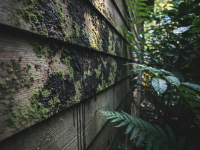
Water is often the primary culprit behind structural degradation. Constant exposure to moisture can compromise the strength of wooden components, leading to rot and decay.
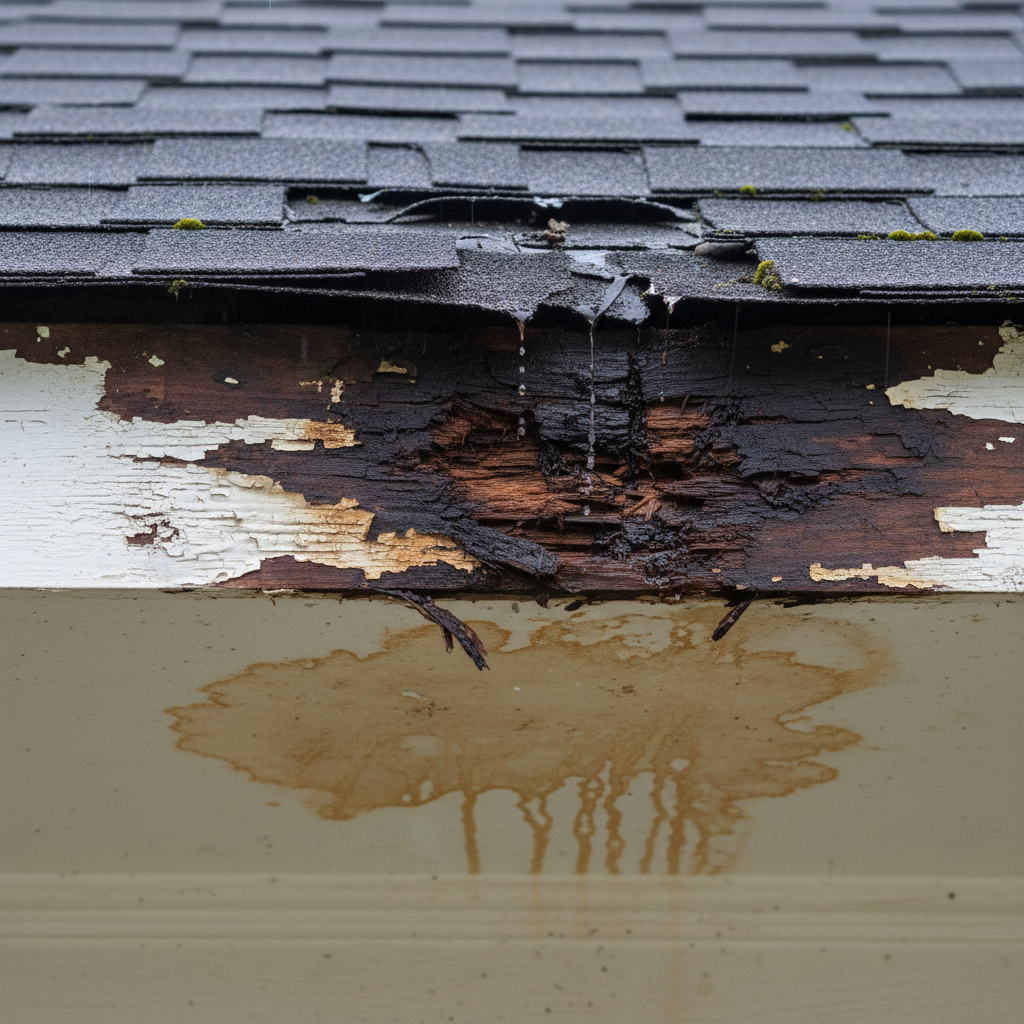
- Leaky Roof: Missing shingles, cracked flashing, or punctures can allow water to seep into the roof structure, saturating the decking, joists, and beams.
- Clogged Gutters: When gutters are blocked, rainwater can overflow directly onto the porch structure, drenching the fascia, soffits, and support posts. This continuous moisture can quickly lead to wood rot.
- Poor Drainage: If water pools around the porch foundation or splashes back onto the structure, it can contribute to moisture absorption and deterioration.
Structural Issues
Sometimes, the problem lies deeper within the porch’s fundamental construction or the integrity of its supporting elements.
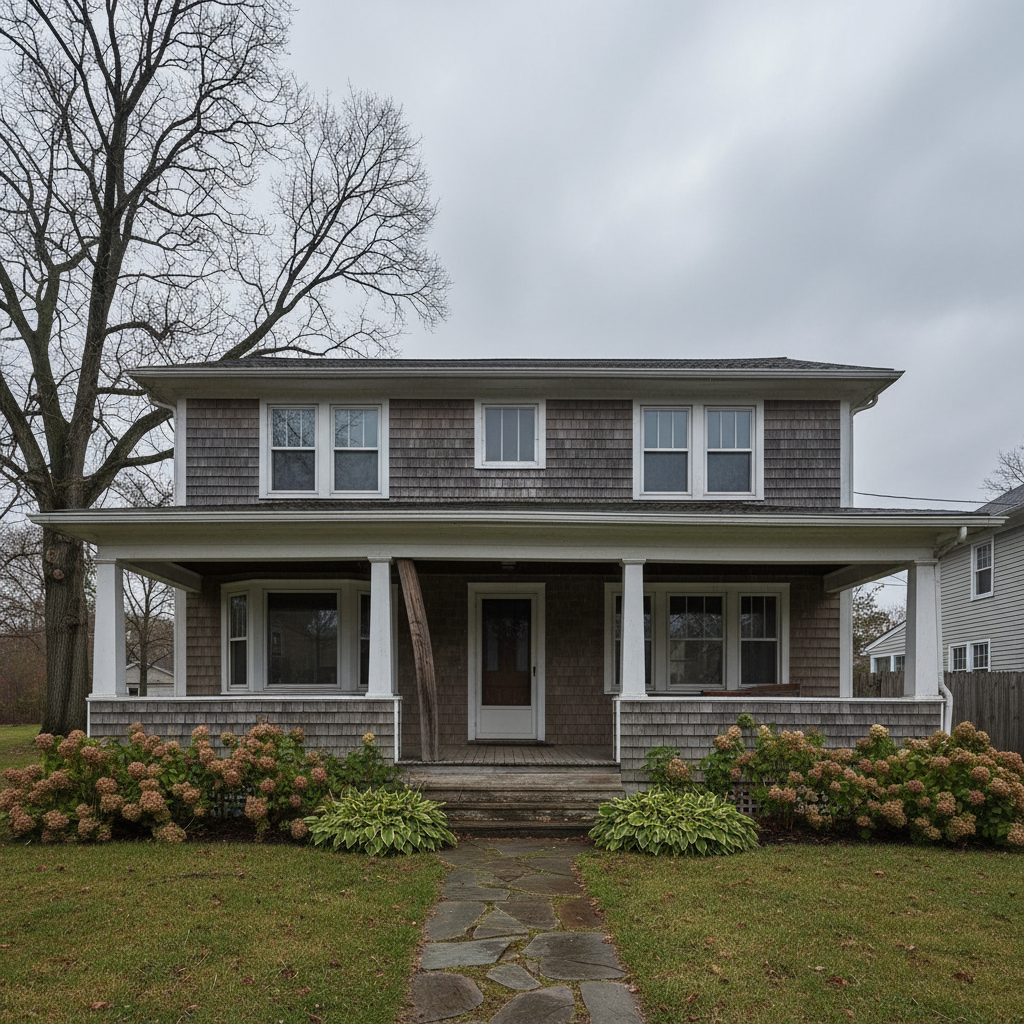
- Inadequate Support Posts or Beams: If the original design didn’t account for the full weight of the roof, or if the chosen materials were insufficient, the supports can weaken and bow over time. This is especially common with older homes or DIY additions.
- Foundation Problems: A sinking or shifting porch foundation can cause the entire structure to settle unevenly, leading to a visible sag in the roofline. Cracks in the foundation or misaligned posts are key indicators.
- Incorrect Construction: Poor carpentry, using undersized lumber for joists or rafters, or improper fastening techniques can all contribute to structural instability, making the roof prone to sagging under its own weight or external loads.
Age and Wear
Even well-built structures have a lifespan. Over decades, materials can naturally degrade and fasteners can lose their grip.
- Material Degradation: Wood can dry out, become brittle, or lose its structural integrity due to prolonged exposure to elements, UV rays, and temperature fluctuations.
- Fastener Failure: Nails and screws can rust, loosen, or pull out of the wood, weakening connections between various structural components.
Heavy Loads
The roof structure is designed to bear a certain amount of weight. Exceeding this limit can cause it to sag.
- Snow Accumulation: In colder climates, heavy snowfall can place immense stress on porch roofs, especially if the snow is wet and dense.
- Excessive Weight from Decor or Storage: While less common, sometimes heavy planters, hanging swings, or even stored items on a flat porch roof can add too much weight.
Pest Infestations
Unseen enemies can also undermine your porch’s structure.
- Termites and Carpenter Ants: These pests tunnel through wood, creating hollows and significantly weakening beams, joists, and posts, making them susceptible to sagging and collapse.
Poor Original Construction or Design Flaws
In some cases, the porch may have been poorly designed or constructed from the outset, using inferior materials or incorrect building practices. This can lead to issues emerging much sooner than expected.
Identifying the Signs of a Sagging Porch Roof
Catching a sagging porch roof early can save you significant time, money, and stress. Regular visual inspections are key to spotting these warning signs.
Visible Drooping or Unevenness
This is the most obvious sign. Stand back from your porch and look along the roofline. Does it appear to dip in the middle or at one end? Is it visibly out of level compared to the rest of the house or the ground?
Cracks and Gaps
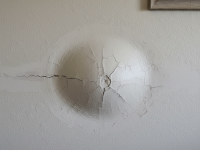
- Cracks in Walls or Ceilings: If the porch roof is attached to the main house, a sagging roof can pull on the connecting structure, causing cracks in interior or exterior walls near the porch attachment points.
- Gaps Between Components: Look for gaps forming between the roof and the support posts, or between fascia boards and the roof deck. These indicate movement and structural stress.
Water Stains or Leaks
Dark spots, streaks, or active drips on the porch ceiling, walls, or support posts are clear indications of water intrusion, which can lead directly to wood rot and sagging.
Shingle or Roofing Material Damage
On the roof’s surface, look for signs like curled, cracked, or missing shingles, or displaced roofing panels. These can be both a cause and a symptom of an underlying structural issue.
Difficulty Opening/Closing Doors or Windows
If your porch is enclosed or has doors and windows, a sagging roof can distort their frames, making them stick or difficult to operate. This suggests that the entire porch structure is shifting.
Sounds
Creaking, groaning, popping, or snapping sounds, especially during windy conditions or when weight is applied (like heavy snow), can indicate that structural components are under severe stress and moving.
The Dangers of Ignoring a Sagging Porch Roof
While it might be tempting to put off repairs, a sagging porch roof is not an issue that will resolve itself. Ignoring it can lead to severe consequences for your property and your family’s safety.
Safety Hazards
The most immediate and concerning danger is the risk of collapse. A structurally compromised roof could give way without warning, posing a severe threat to anyone underneath it. This risk increases with heavy snow, strong winds, or if more weight is added.
Further Structural Damage to Your Home
A sagging porch roof is often attached to the main structure of your house. If the porch shifts or collapses, it can pull on and damage the adjacent walls, foundation, or roof of your home, leading to much more extensive and costly repairs.
Decreased Property Value
A visible sag instantly detracts from your home’s curb appeal and signals a major structural problem to potential buyers. This can significantly reduce your property’s market value and make it difficult to sell.
Increased Repair Costs Over Time
Small issues tend to become large, expensive problems if left unaddressed. A minor sag due to a single rotten beam can escalate into widespread structural damage, requiring complete demolition and rebuild, which is far more costly than a targeted repair.
DIY Fixes vs. Professional Help: Making the Right Call
Deciding whether to tackle the repair yourself or call a professional depends on the severity of the sag and your personal skill level.
When to Consider DIY
Minor, non-structural issues might be within the realm of a skilled DIYer. This could include:
- Addressing a Small Leak: Patching a minor shingle crack or clearing a clogged gutter to prevent further water damage.
- Temporary Support: Setting up temporary bracing to prevent further sagging while awaiting professional help, but this is not a long-term solution.
- Cosmetic Repairs: Repainting or replacing a piece of fascia board that has minor water damage but is not structurally compromised.
For even minor issues, always prioritize safety. Ensure you have the right tools, knowledge, and safety equipment.
When to Call a Professional
In most cases involving a sagging porch roof, professional help is not just recommended, it’s essential. You should immediately contact a qualified contractor, structural engineer, or roofing specialist if:
- Major Structural Damage: If beams, joists, or posts are severely rotten, cracked, or bowed.
- Extensive Rot or Pest Infestation: Widespread damage requires expert assessment and remediation.
- Safety Concerns: Any visible risk of collapse, significant leaning, or inability to safely access the damaged area.
- Lack of Expertise: If you’re unsure about the cause or the correct repair method, attempting a DIY fix could worsen the problem or create a dangerous situation.
- Foundation Issues: Problems with the porch’s foundation require specialized knowledge and equipment.
What to Look for in a Contractor
When seeking professional help, choose wisely:
- Experience: Look for contractors specializing in porch or structural repairs, not just general handymen.
- Licensing and Insurance: Ensure they are properly licensed and carry liability insurance and workers’ compensation.
- References: Ask for references and check online reviews.
- Detailed Estimate: Get a written estimate that outlines the scope of work, materials, timeline, and costs.
- Permits: Inquire if permits are needed for the repair work and who will be responsible for obtaining them.
Steps to Repairing a Sagging Porch Roof
The repair process for a sagging porch roof can be complex and will vary depending on the extent and nature of the damage. Here’s a general overview of the steps involved, assuming professional intervention for significant issues.
1. Assessment and Safety First
- Professional Inspection: A structural engineer or experienced contractor will assess the extent of the damage, identify the root cause, and determine the best course of action.
- Temporary Shoring: Before any repair work begins, the porch roof must be safely shored up using adjustable support posts or hydraulic jacks to prevent further collapse and stabilize the structure. This is a critical safety step.
2. Addressing Water Damage
- Repair Leaks: Any active leaks in the roof or flashing must be sealed. This might involve replacing shingles, repairing flashing, or applying roof sealant.
- Improve Drainage: Clean or repair gutters and downspouts. Consider adding splash blocks or extending downspouts away from the foundation to prevent water pooling.
3. Repairing or Replacing Damaged Wood
- Remove Rotted or Damaged Sections: All compromised wood – including joists, rafters, beams, and support posts – must be carefully removed.
- Sistering or Replacement: Depending on the damage, a contractor might “sister” new wood alongside existing joists/rafters for reinforcement, or entirely replace rotten sections with new, appropriately sized lumber.
- Treating Wood: New wood should be pressure-treated or sealed to resist future moisture and pest damage.
4. Reinforcing Support Structures
- Adding or Replacing Posts: If the original support posts were inadequate or damaged, new, properly sized posts may be installed. These should be secured to the foundation and the roof structure with appropriate hardware.
- Shims and Leveling: Once structural integrity is restored, shims can be used to level the roof and bring it back to its original plane.
- Foundation Repair: If the foundation itself is compromised, it will need specialized repair, which might involve underpinning, pier and beam adjustments, or masonry repair.
5. Re-roofing or Shingle Replacement
After the structural elements are sound, the roof decking and roofing materials can be repaired or replaced. This ensures waterproofing and restores the porch’s aesthetic appeal.
6. Post-Repair Inspections
Once the repairs are complete, it’s wise to have a final inspection by the contractor and potentially a separate structural engineer to ensure all work meets safety and building codes.
Preventing Future Porch Roof Sagging
Prevention is always better than cure. Proactive maintenance can significantly extend the life of your porch and prevent a future porch roof sagging nightmare.
Regular Inspections and Maintenance
Make it a habit to inspect your porch at least twice a year, ideally in spring and fall. Look for:
- Any signs of water stains, leaks, or pooling.
- Cracks or gaps in the roof, posts, or foundation.
- Loose or damaged roofing materials.
- Signs of pest activity.
- The overall levelness of the roofline.
For more comprehensive tips, check out Better Homes & Gardens’ spring home maintenance checklist, which offers excellent advice for keeping your entire home in top shape.
Proper Drainage Solutions
- Clean Gutters Regularly: Remove leaves, twigs, and debris from your gutters to ensure water flows freely away from your porch.
- Extend Downspouts: Ensure downspouts direct water several feet away from the porch foundation.
- Consider Drip Edges: Install drip edges along the roofline to guide water into the gutters and prevent it from running back under the roofing material.
Timely Repairs
Don’t put off small repairs. A minor leak or a loose shingle can quickly escalate into a major structural problem if ignored.
Pest Control
Implement preventative measures against termites and carpenter ants, especially if your porch has wooden elements close to the ground. This might include regular inspections and professional treatments.
Consider Structural Reinforcement
If your porch is old or located in a heavy snow area, consult with a contractor about adding extra support beams or reinforcing existing ones to better withstand loads.
Use Appropriate Materials
When building or renovating, always use pressure-treated lumber for any wood that will be exposed to moisture or ground contact. Ensure all materials meet local building codes.
Snow Removal
In regions with heavy snowfall, carefully remove snow from your porch roof to prevent excessive weight accumulation. Use a roof rake designed for this purpose to avoid damaging the roofing materials.
FAQs About Porch Roof Sagging
How much does it cost to fix a sagging porch roof?
The cost to fix a sagging porch roof varies widely depending on the cause, extent of damage, location, and whether you need DIY supplies or professional help. Minor repairs like patching a leak might be a few hundred dollars. Extensive structural repairs, including replacing beams, joists, and potentially the foundation, could range from $2,000 to $10,000 or more, especially if a structural engineer is required. Get multiple quotes from reputable contractors for an accurate estimate.
Can I live in my house if my porch roof is sagging?
If the sag is minor and localized to the porch, it might not immediately threaten the main dwelling, but it’s a developing hazard. If the sag is significant, worsening rapidly, or if the porch is integral to the main structure’s support, it could be dangerous to inhabit the house or use the porch. It’s always safest to have a professional structural engineer assess the situation immediately to determine the safety level and advise on temporary shoring or evacuation if necessary.
How do I temporarily support a sagging porch roof?
For temporary support, you can use adjustable steel shoring posts or strong, straight lumber posts with sturdy base plates. Position them directly under the sagging area, placing a strong wooden plank or a jack post head at the top to distribute the weight evenly. Gradually raise the posts until they make firm contact with the roof structure, but avoid over-jacking, which can cause more damage. This is a temporary measure to prevent further collapse and allow safe assessment; it is not a permanent fix and should be followed by professional repair.
Is a sagging porch roof always a structural issue?
While often indicative of structural problems, a minor, localized sag might sometimes be due to cosmetic issues like a warped fascia board or superficial water damage to a non-load-bearing ceiling panel. However, any visible sag should be treated as a potential structural concern and investigated thoroughly by a professional to rule out serious underlying issues like compromised joists, beams, or foundation problems.
How long does a porch roof typically last?
The lifespan of a porch roof depends on its materials, construction quality, climate, and maintenance. Asphalt shingle roofs might last 20-30 years, while metal roofs can last 40-70 years. Wood shake or tile roofs have varying lifespans. However, the underlying structural elements (beams, joists, posts) should ideally last as long as the house if properly maintained and protected from water damage and pests. Poor construction or lack of maintenance can significantly shorten this lifespan.
A sagging porch roof is a clear signal that something is amiss with your home’s structure. While the prospect of repair might seem daunting, addressing the issue promptly and professionally is paramount for the safety, longevity, and value of your property. By understanding the causes, recognizing the signs, and taking proactive steps, you can ensure your porch remains a beautiful, safe, and welcoming part of your home for years to come.