What Causes a Porch Roof to Sag?
Understanding the root cause of a sagging porch roof is the first step toward effective repair. Several factors, often working in combination, can contribute to this structural issue. Identifying the primary culprit will guide your restoration efforts and help prevent future occurrences.
Water Damage and Rot
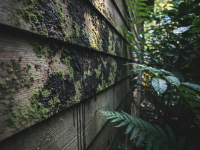
Water is arguably the greatest enemy of any wooden structure. Persistent moisture exposure, whether from leaky gutters, inadequate flashing, or prolonged dampness, can lead to wood rot. Over time, wooden beams, joists, and decking that support the porch roof can weaken, soften, and eventually lose their structural integrity. This deterioration often manifests as a noticeable sag. Signs of water damage include discoloration, mildew growth, soft spots in the wood, or a musty odor.
Structural Overload (Snow, Debris)
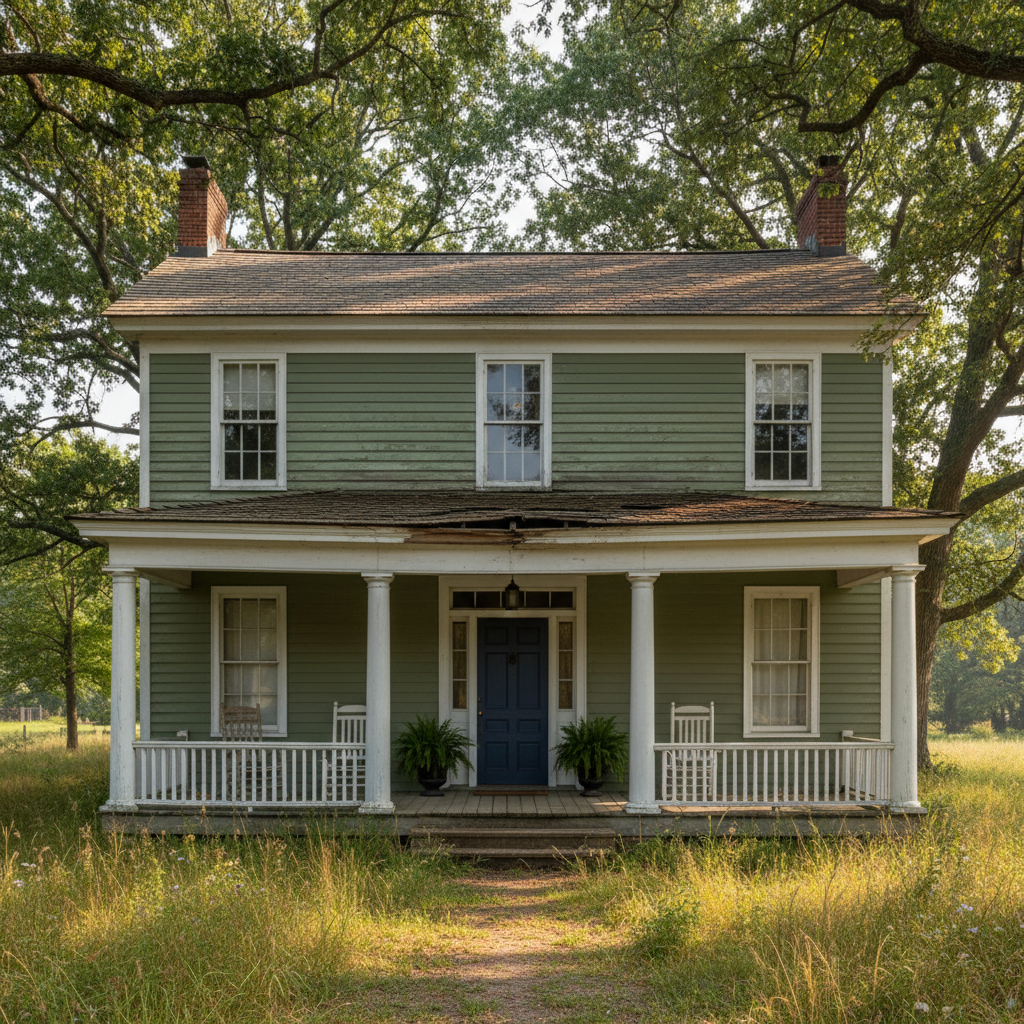
Porch roofs are designed to bear a certain amount of weight. However, extreme conditions can push them past their limits. Heavy snow accumulation, especially wet, dense snow, can exert tremendous pressure on the roof structure. Similarly, a buildup of leaves, branches, or other debris, particularly when wet, adds significant weight. If the roof was not designed to withstand such loads, or if its supports have weakened over time, it can begin to sag under the strain.
Age and Wear
Like all components of a home, porch roofs have a lifespan. Over decades, exposure to the elements—sun, rain, wind, and temperature fluctuations—can cause materials to degrade. Wood can dry out, crack, and become brittle; fasteners can rust and loosen; and general wear and tear can diminish the structural strength of the entire assembly. An older porch roof is inherently more susceptible to sagging simply due to the cumulative effects of time.
Foundation or Support Issues
The integrity of your porch roof isn’t just about the roof itself; it’s also about what supports it. If the posts, columns, or the foundation beneath them begin to settle, shift, or deteriorate, the entire porch structure, including the roof, can be affected. Cracks in the foundation, leaning posts, or a porch floor that feels uneven can all indicate a problem that could eventually lead to a sagging roof.
Improper Installation or Design Flaws
Sometimes, the problem originates from the very beginning. An improperly installed porch roof may lack sufficient bracing, use undersized lumber for its span, or have inadequate fasteners. Design flaws, such as a roof pitch that doesn’t effectively shed water or a lack of proper support for concentrated loads, can also contribute to sagging over time. These issues might not be apparent immediately but can develop as the structure ages and experiences environmental stresses.
Pest Infestation
Termites, carpenter ants, and other wood-boring insects can cause extensive damage to wooden structural components without visible signs on the surface. These pests tunnel through wood, creating intricate networks that severely compromise its strength from within. If you notice small piles of sawdust-like material (frass), discarded wings, or tiny holes in the wood, pests could be contributing to your porch roof’s instability.
Identifying a Sagging Porch Roof: Signs to Look For
Early detection is key to minimizing repair costs and ensuring safety. Pay close attention to these indicators, which suggest your porch roof may be sagging or developing structural problems.
Visible Dipping or Unevenness
This is the most obvious sign. Stand back from your porch and visually inspect the roofline. Does it appear straight and level, or do you notice a noticeable dip, curve, or unevenness? Use a long, straight edge or even a string line stretched across the underside of the roof to confirm any deviations from a flat plane. Even a slight dip can worsen over time.
Cracks in Ceilings or Walls
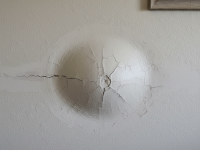
If your porch has a finished ceiling or is enclosed, cracks in the plasterboard, drywall, or stucco can signal movement or stress in the roof structure above. Look for cracks that run along seams, radiate from corners, or appear in areas where structural weight is concentrated. Similarly, cracks in adjacent exterior walls can indicate that the porch roof’s movement is affecting the main house structure.
Gaps Between Components
A healthy porch structure should have tight, consistent connections. Inspect where the roof meets the house, where beams meet posts, and where ceiling panels meet trim. Gaps appearing or widening in these areas, or trim pieces pulling away, suggest that the structure is shifting or settling. These gaps can also allow water intrusion, exacerbating the problem.
Pooling Water
While not a direct sign of sagging, pooling water on the roof surface (if it’s a flat roof) or inadequate water runoff from a pitched roof can lead to sagging. If gutters are overflowing, downspouts are clogged, or water isn’t draining effectively, the accumulated weight and moisture can stress the roof components and accelerate deterioration, leading to a sag.
Strange Noises
Listen for creaking, groaning, or cracking sounds, especially during windy conditions, heavy rain, or when snow accumulates. These noises indicate that the structural components are under stress and moving in ways they shouldn’t. While occasional creaks can be normal in older homes, persistent or new sounds are a cause for concern.
Sticking Doors or Windows
If your porch is enclosed with doors or windows, a sagging roof can cause the frame to distort, leading to doors that jam, don’t latch properly, or windows that are difficult to open or close. This is because the structural movement above can affect the plumb and level of the surrounding framework.
The Dangers of Neglecting a Sagging Porch Roof
Ignoring a sagging porch roof is not merely an aesthetic oversight; it poses significant risks to safety, property value, and your wallet.
Safety Hazards
The most critical danger is the potential for collapse. A severely sagging roof is structurally compromised and could give way suddenly, especially under additional weight from snow, heavy rain, or even human activity. This poses a serious risk of injury or fatality to anyone standing beneath or on the porch. Even minor sagging can lead to falling debris, such as loose shingles, fascia, or ceiling panels, which can cause injury.
Further Structural Damage
A sagging porch roof doesn’t exist in isolation. Its instability can put undue stress on adjacent structures, including the main house walls, foundation, and other roofing elements. This can lead to cracks in your home’s exterior, compromised siding, and even issues with your main roofline, escalating the problem far beyond the porch itself. The longer the issue is ignored, the more widespread and severe the damage becomes.
Decreased Property Value
Curb appeal is a significant factor in property value. A visibly sagging porch roof immediately signals neglect and major structural problems to potential buyers, significantly diminishing your home’s attractiveness and market value. It can deter buyers or lead to substantial price reductions during negotiations, as they factor in the cost and hassle of extensive repairs.
Increased Repair Costs
What might start as a relatively minor repair (e.g., replacing a single rotten beam) can quickly escalate into a much larger, more expensive project if left unaddressed. As the sag worsens, more components become damaged, and the repair may require extensive shoring, multiple material replacements, and specialized labor. Procrastination almost always results in higher repair bills.
Your First Steps: Inspection and Assessment
Once you’ve noticed signs of a sagging porch roof, a thorough inspection is necessary to understand the extent of the problem. Always prioritize safety during this process.
Visual Inspection from Afar
Begin by standing a good distance away from your porch. Observe the roofline from multiple angles. Look for any noticeable dips, unevenness, or twists. Pay attention to how the roof connects to the house – is it pulling away? Scan the supporting columns or posts – do they appear plumb and straight, or are they leaning or bowing?
Close-Up Examination (Be Safe!)
Approach the porch cautiously. If the sag is severe or you suspect imminent collapse, do not go under the porch roof. Instead, call a professional. If it appears stable, carefully inspect the underside of the roof, the beams, joists, and posts. Look for:
- Water Stains: Discoloration, peeling paint, or mildew on wood or ceiling panels indicate past or ongoing moisture problems.
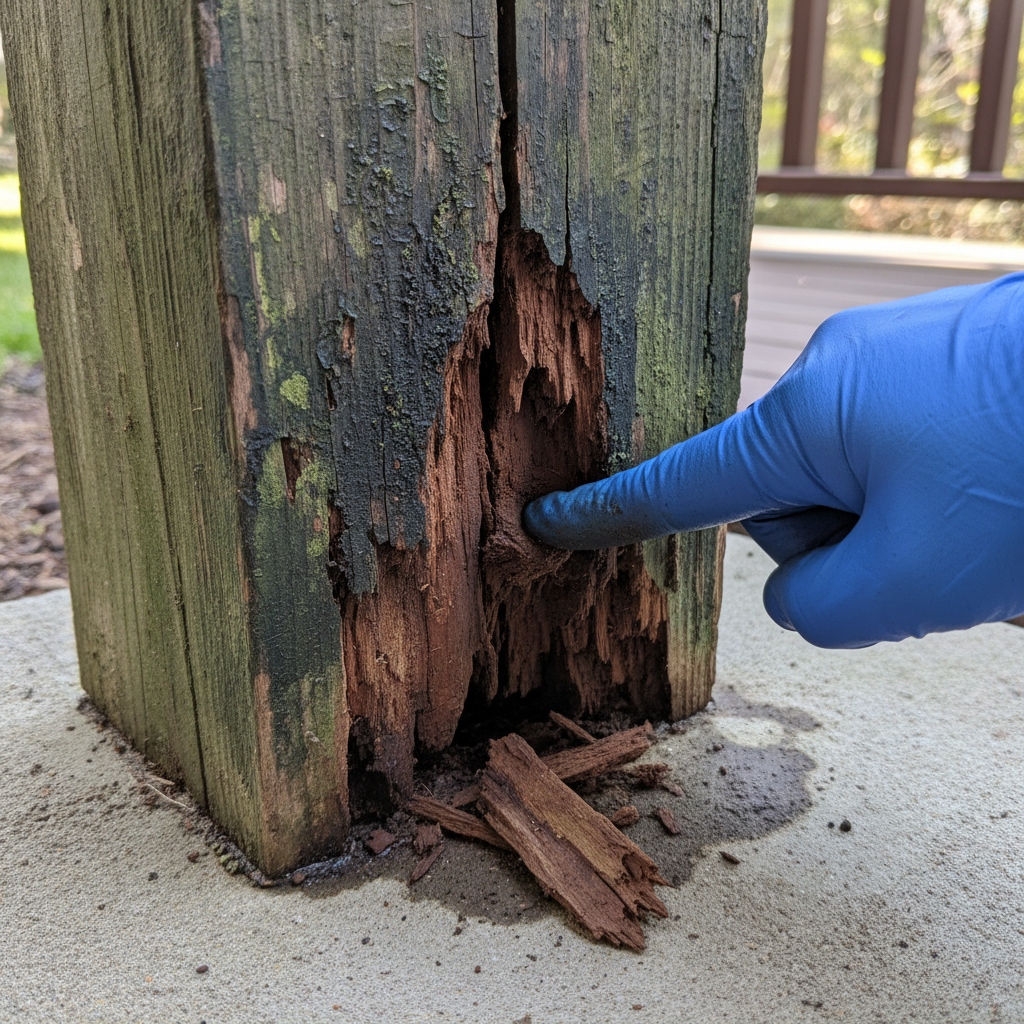
- Rotten Wood: Probe suspicious areas with a screwdriver. Soft, spongy, or crumbling wood is a clear sign of rot.
- Cracks or Splits: Look for cracks in beams, joists, or posts, especially near connection points.
- Rust: Check metal fasteners, hangers, or connectors for signs of rust, which can weaken their hold.
- Pest Damage: Small holes, frass (sawdust-like material), or tunnels indicate insect activity.
- Loose Connections: Are beams pulling away from the house or posts? Are fasteners missing or loose?
If you need to access the roof surface, use a sturdy ladder and exercise extreme caution. Check shingles for damage, look for pooling water, and inspect flashing around penetrations or where the porch roof meets the house.
Identifying the Source of the Problem
As you inspect, try to pinpoint the primary cause. Is it localized water damage? Is the entire structure settling? Is there a particular beam that seems to be failing? The source will dictate the repair strategy. For instance, if it’s localized rot from a leaky gutter, the repair will differ significantly from a situation where the entire foundation is shifting.
When to Call a Professional
While some minor issues might be DIY-friendly, a sagging porch roof often requires professional expertise. You should always call a structural engineer, a reputable contractor, or a roofing specialist if:
- The sag is significant or appears to be worsening rapidly.
- You suspect severe structural damage or foundation issues.
- You find extensive rot or pest damage.
- You are unsure of the cause or the best repair method.
- The repair involves lifting heavy structural components or complex carpentry.
Professionals have the knowledge, tools, and experience to safely diagnose and repair complex structural issues, ensuring the long-term stability of your porch.
Repairing a Sagging Porch Roof: Options and Considerations
The repair method for a sagging porch roof largely depends on the cause and extent of the damage. Always prioritize safety throughout the repair process, which often involves temporary shoring.
Temporary Shoring (Safety First!)
Before any major repair work begins, the first crucial step is to temporarily support the sagging roof. This involves using adjustable support posts (ACRO props) or sturdy 4×4 lumber to shore up the damaged area. The shoring should be placed on a stable base and adjusted carefully to gently lift and stabilize the roof, taking the load off the compromised sections. This prevents further collapse and creates a safe working environment. It’s often recommended to slightly over-shore, bringing the roof just past level, as it may settle slightly after the permanent repairs are complete. It’s crucial to consult a professional or detailed guides like those from Good Housekeeping on safe home renovation practices, especially when dealing with structural components.
Addressing Water Damage
If water damage is the culprit, the source of the leak must be identified and repaired first. This might involve:
- Gutter Repair or Replacement: Ensure gutters are clean, properly sloped, and securely attached.
- Flashing Repair: Check and repair flashing where the porch roof meets the house, around chimneys, or other penetrations.
- Roofing Material Repair: Replace damaged shingles, seal cracks, or fix membrane issues on the roof surface.
Once the water source is fixed, allow the area to dry thoroughly before proceeding with wood repairs.
Reinforcing or Replacing Support Beams
Compromised beams or joists are a common cause of sagging.
- Reinforcement: If the damage is minor, new, strong lumber can be bolted or glued alongside the existing weakened beam to reinforce it. This is often called “sistering.”
- Replacement: For severely rotted, split, or undersized beams, complete replacement is necessary. This is a more involved process, requiring careful measurement, cutting, and securing of the new beam while the roof is temporarily supported.
Column or Post Repair/Replacement
If the vertical supports (columns, posts) are leaning, rotting at the base, or otherwise failing:
- Repair: Minor rot at the base can sometimes be cut out and a new, treated wood section spliced in using strong joinery and epoxy.
- Replacement: For significant damage or instability, the entire post or column must be replaced. This involves safely lifting the roof off the old post, removing it, and installing a new, properly sized and treated support. Ensure the new post rests on a solid, level foundation to prevent future settling.
Foundation Repair
If the concrete foundation or piers supporting the porch are cracked, settled, or unstable, addressing this is paramount.
- Pier Jacking: In some cases, specialized contractors can use hydraulic jacks to lift and level settled concrete piers, then underpin them with new concrete or steel supports.
- New Footings: Severely damaged or inadequate footings may require excavation and pouring new, larger concrete footings to provide a stable base for the porch structure.
Foundation repair is highly specialized and almost always requires professional intervention.
Roof Decking Repair or Replacement
The plywood or OSB sheeting that forms the base of your roof can also rot or weaken.
- Sectional Replacement: If localized, damaged sections of decking can be cut out and replaced with new material.
- Full Replacement: In cases of widespread rot or deterioration, the entire roof decking may need to be removed and replaced before new roofing materials are installed.
Professional vs. DIY: Making the Right Choice
Deciding whether to tackle the repair yourself or hire a professional depends on the severity of the sag, your skill level, and your comfort with structural work.
- DIY: Minor issues like replacing a few rotten fascia boards, clearing gutters, or light shoring for a small, non-structural sag might be manageable for an experienced DIYer. Always research thoroughly, prioritize safety, and have the right tools.
- Professional: For any significant sag, extensive rot, foundation problems, or repairs involving main structural beams, hiring a licensed contractor or structural engineer is strongly recommended. They have the expertise to diagnose accurately, perform repairs safely, and ensure the work meets local building codes. The cost may be higher initially, but the peace of mind and assurance of a safe, lasting repair are invaluable.
Preventing Future Porch Roof Sagging
Once your porch roof is restored, implementing preventative measures is crucial to ensure its longevity and prevent future sagging.
Regular Maintenance and Inspections
Make routine checks a part of your home maintenance schedule.
- Annual Visual Checks: At least once a year, walk around your porch and visually inspect the roofline, posts, beams, and connections for any signs of movement, cracks, or discoloration.
- Post-Storm Inspection: After heavy rains, strong winds, or significant snowfall, check for debris, pooling water, or new damage.
Proper Drainage Solutions
Effective water management is your best defense against wood rot and structural overload.
- Clean Gutters and Downspouts: Ensure gutters are free of leaves and debris, and downspouts direct water away from the porch foundation.
- Proper Pitch: For new constructions or roof replacements, ensure the roof has an adequate pitch to shed water quickly.
- Adequate Flashing: Verify that flashing where the porch roof meets the house is intact and correctly installed.
Timely Repairs
Don’t put off small repairs. A minor leak, a loose shingle, or a slightly leaning post can quickly escalate into a major structural problem if ignored. Address issues as soon as they are discovered.
Professional Installation
If you’re building a new porch or undertaking a major renovation, hire experienced, reputable professionals. Ensure they use appropriately sized materials, adhere to building codes, and implement sound construction practices to guarantee a durable and stable structure from the outset.
Pest Control
Regularly inspect wooden components for signs of pest activity. If you detect termites, carpenter ants, or other wood-boring insects, call a pest control professional immediately. Early intervention can prevent extensive and costly structural damage.
Frequently Asked Questions About Porch Roof Sagging
How much does it cost to fix a sagging porch roof?
The cost to fix a sagging porch roof varies widely, typically ranging from a few hundred dollars for minor, localized repairs (like a small section of fascia or gutter repair) to several thousand or even tens of thousands of dollars for extensive structural damage, foundation issues, or full beam replacements. Factors include the extent of the damage, the materials needed, labor costs in your area, and whether a structural engineer is required.
Can I fix a sagging porch roof myself?
Some minor issues, such as replacing a single rotten board, cleaning gutters, or applying temporary shoring for a very slight sag, might be tackled by an experienced DIYer. However, for any significant sag, extensive rot, foundation problems, or repairs involving main structural beams, it is highly recommended to hire a licensed contractor or structural engineer to ensure safety and proper execution.
How long does a porch roof last?
The lifespan of a porch roof depends on its materials, climate, and maintenance. A well-constructed porch roof with durable materials and proper maintenance can last 20-50 years or even longer. Wooden components exposed to moisture or pests will have a shorter lifespan without proper protection and care.
What are the signs of impending porch roof collapse?
Signs of an impending porch roof collapse include a rapidly worsening sag, severe and widespread cracks in structural beams or posts, loud and persistent creaking or groaning noises, visible tearing of materials (especially at connection points), significant leaning of support columns, or noticeable changes in the level of the porch floor or adjacent walls. If you observe these signs, vacate the area immediately and contact a structural engineer or emergency services.
Is a sagging porch roof an emergency?
It can be. A minor, gradual sag might not be an immediate emergency, but it should still be addressed promptly. However, a severe or rapidly worsening sag, especially accompanied by cracking sounds or visible structural failure, is an emergency. In such cases, evacuate the area under the porch and contact a professional immediately to assess the danger and begin repairs.
A sagging porch roof is a clear warning sign that shouldn’t be ignored. By understanding its causes, recognizing the signs, and taking prompt, appropriate action, you can restore your porch to its former glory, ensure the safety of your home, and protect your investment. Whether you undertake minor repairs yourself or call in the professionals for more extensive work, proactive maintenance and timely intervention are key to a lasting, beautiful, and safe porch.