Few household issues are as annoying, wasteful, or potentially damaging as a water leak, and a leaking toilet tank valve is a common culprit. That constant, subtle hiss of running water, the phantom flush that happens in the dead of night, or even visible drips can be frustrating. More than just a nuisance, a leaking toilet tank valve can dramatically increase your water bill, lead to significant water damage over time, and even foster mold growth. Fortunately, identifying and fixing this problem is often well within the reach of a determined DIY homeowner. This comprehensive guide will walk you through everything you need to know, from diagnosing the leak to performing the repair yourself, saving you money and preventing further issues.
Understanding Your Toilet Tank and its Valves
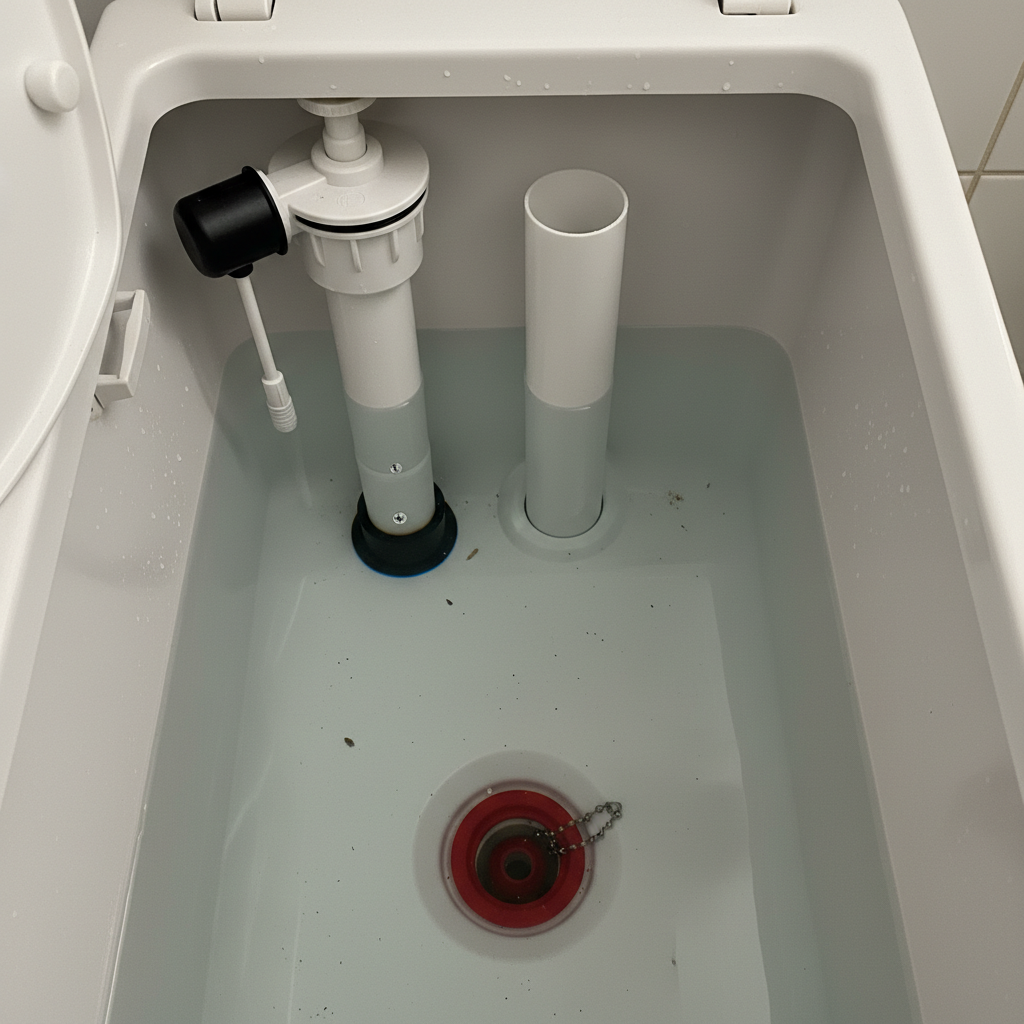
Before you can tackle a leak, it helps to understand the components inside your toilet tank and their functions. The toilet tank is essentially a reservoir that holds water for flushing and houses the mechanisms that control its release and refill.
Key Components of a Toilet Tank
- Fill Valve (Ballcock Assembly): This is the most common source of tank leaks. It’s responsible for refilling the tank with water after each flush.
- Flush Valve: Located at the center of the tank bottom, it opens to allow water to flow from the tank into the bowl when you flush. It consists of a flapper or a float ball, and an overflow tube.
- Flapper or Tank Ball: Part of the flush valve, this rubber or plastic component seals the opening to the toilet bowl.
- Overflow Tube: A vertical tube connected to the flush valve that prevents the tank from overflowing if the fill valve malfunctions.
- Toilet Handle (Trip Lever): Connects to the flapper via a chain or rod, initiating the flush.
- Water Supply Line: The hose connecting the wall’s water shut-off valve to the bottom of the toilet tank’s fill valve.
What is the Tank Fill Valve (Ballcock)?
The fill valve, often still referred to by its older name, the “ballcock,” is the mechanism that controls the flow of water into the toilet tank. When you flush, the water level drops, lowering a float (either a cup or a traditional ball float). This movement opens the fill valve, allowing fresh water to flow into the tank and a smaller amount into the bowl via the refill tube to restore the trap seal. Once the water reaches the set level, the float rises, closing the valve and stopping the water flow.
The Role of the Flush Valve
While this article focuses on the fill valve, it’s important to understand the flush valve’s role as its malfunction can sometimes mimic a fill valve issue. The flush valve is located at the bottom center of the tank. When you press the handle, it lifts the flapper or tank ball, allowing the water from the tank to rush into the toilet bowl, creating the flushing action. Once the tank is empty, the flapper falls back down, sealing the drain opening, and the fill valve then begins to refill the tank.
Signs You Have a Leaking Toilet Tank Valve
Recognizing the signs of a leaking toilet tank valve early can save you from costly water damage and excessive utility bills. Here are the most common indicators:
Visible Water Leaks
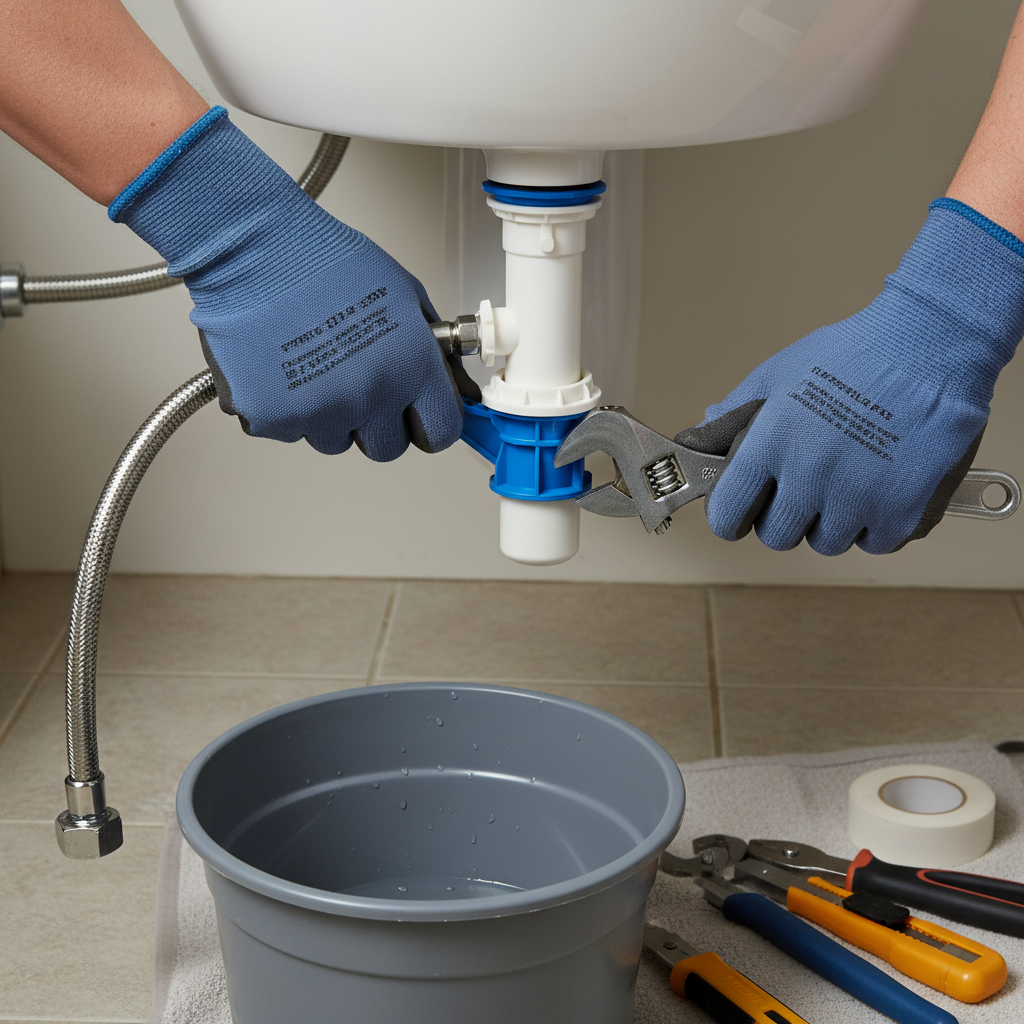
The most obvious sign is seeing water outside the toilet tank, either dripping down the side or pooling on the floor around the base. This could be due to a crack in the tank itself, a loose connection at the base of the fill valve, or a faulty water supply line connection. Be sure to investigate any visible moisture immediately.
Phantom Flushes or Running Water
This is perhaps the most common and tell-tale sign. If you hear your toilet “flushing” or the sound of water refilling the tank intermittently, even when no one has used it, your toilet is leaking. This happens when water slowly leaks from the tank into the bowl, causing the water level to drop enough to trigger the fill valve to turn on and refill the tank. This is often due to a faulty flapper, but can also be caused by an issue with the fill valve itself not sealing properly.
High Water Bills
A silently leaking toilet can waste hundreds of gallons of water per day without you even realizing it. If your water bill suddenly spikes without any change in your household water usage, a toilet leak is one of the first things you should investigate. It’s an insidious drain on your finances and a waste of resources.
Mold and Mildew Growth
Constant moisture around the toilet base, even if not a visible puddle, creates an ideal environment for mold and mildew to thrive. If you notice a musty smell or see black or green growth on your bathroom floor or wall near the toilet, it’s a strong indicator of an ongoing leak.
Wobbling Toilet
While not directly caused by a tank valve leak, persistent water leaks can damage the subfloor and flooring around the toilet. This can lead to the toilet becoming loose or wobbly. If your toilet moves when you sit on it, investigate for leaks immediately, as this indicates potential structural damage that needs urgent attention.
Common Causes of a Leaking Toilet Tank Valve
Understanding the root causes of a leaking toilet tank valve can help you pinpoint the problem and choose the correct repair method.
Worn-Out Gaskets and Seals
The fill valve assembly relies on several rubber gaskets and seals to create a watertight connection. Over time, these components can harden, crack, or degrade due to age, mineral buildup from hard water, or exposure to harsh cleaning chemicals. A compromised gasket at the base of the fill valve where it connects to the tank is a very common source of leaks.
Cracks in the Fill Valve Body
Although less common, the plastic body of the fill valve itself can develop hairline cracks, especially if it’s an older unit or has been subjected to stress. These cracks can allow water to seep out, causing a continuous drip or stream.
Improper Installation or Loose Connections
If the fill valve or the water supply line wasn’t tightened correctly during installation, or if connections have loosened over time due to vibrations or shifting, leaks can occur. The nut that secures the fill valve to the bottom of the tank, or the coupling nut connecting the supply line, are common points of failure.
Corroded or Damaged Components
Metal components within older fill valves can corrode, especially in areas with hard water, leading to poor sealing. Plastic parts can also become brittle and break, affecting the valve’s ability to shut off water completely.
Mineral Buildup
Hard water contains minerals like calcium and magnesium that can accumulate on the internal components of the fill valve. This buildup can interfere with the float mechanism or the valve’s ability to create a tight seal, leading to constant running or slow leaks. Regular cleaning and maintenance can help mitigate this.
Flapper Issues
While technically part of the flush valve, a faulty flapper can often be mistaken for a fill valve leak because it causes the tank to constantly lose water and the fill valve to activate. If the flapper is warped, cracked, or has mineral buildup, it won’t seal properly, allowing water to slowly drain into the toilet bowl.
Diagnosing the Exact Source of the Leak
Before you grab your tools, you need to be sure where the leak is coming from. A little detective work can save you time and effort.
The Food Coloring Test (for Silent Leaks)
This is the best method for detecting silent leaks from the tank into the bowl.
- Remove the toilet tank lid.
- Add a few drops of dark food coloring (blue or green works well) to the water in the tank. Do not flush.
- Wait at least 15-20 minutes, or even an hour.
- Check the toilet bowl. If you see colored water in the bowl, it means water is leaking from the tank into the bowl. This usually indicates a faulty flapper, but can sometimes point to issues with the flush valve seal itself.
If the bowl water remains clear, the leak isn’t going into the bowl, which narrows down the possibilities to the fill valve or connections outside the tank.
Visual Inspection of the Fill Valve
With the tank lid off, carefully observe the fill valve while the toilet is not flushing.
- Look for any signs of water continuously flowing into the overflow tube, even when the tank is full. This indicates the fill valve isn’t shutting off completely. This can be due to the float being set too high, a faulty fill valve, or a leak through the flapper.
- Inspect the base of the fill valve where it goes through the bottom of the tank. Look for drips or moisture around the nut that secures it.
- Check the water supply line connection at the bottom of the fill valve for drips.
- Examine the fill valve body itself for any visible cracks or damage.
Checking Connections and Supply Line
Feel around the outside of the toilet tank, especially underneath and at the back, where the water supply line connects.
- Run your hand along the water supply line from the wall shut-off valve to the toilet tank. Check for any wetness.
- Wipe the outside of the toilet bowl and the floor thoroughly dry, then place a sheet of dry toilet paper or paper towels around the base of the toilet and under the tank. Wait a while and check if the paper gets wet. This can help isolate external leaks.
DIY Fixes for a Leaking Toilet Tank Valve
Once you’ve diagnosed the issue, many leaking toilet tank valve problems can be resolved with basic tools and a bit of DIY know-how. Always prioritize safety.
Safety First: Shut Off the Water Supply
Before attempting any repairs, always turn off the water supply to the toilet. The shut-off valve is usually located on the wall behind or beneath the toilet, connected to the flexible water supply line. Turn it clockwise until the water flow stops completely.
Draining the Tank
After shutting off the water, flush the toilet to empty most of the water from the tank. You may need to use a sponge or old towel to soak up any remaining water at the bottom of the tank.
Tightening Loose Connections
If your inspection revealed a leak at the base of the fill valve or where the supply line connects, a simple tightening might be all that’s needed.
- For the fill valve nut: Use a basin wrench or adjustable wrench to gently tighten the large plastic nut on the underside of the tank, where the fill valve shank passes through. Be careful not to overtighten, as this can crack the tank or the plastic nut.
- For the supply line: Use an adjustable wrench to tighten the coupling nut connecting the flexible supply line to the fill valve and to the wall shut-off valve. Again, tighten firmly but avoid excessive force.
After tightening, turn the water supply back on and check for leaks. If the leak persists, you likely need a new gasket or a full valve replacement.
Replacing the Fill Valve Washer or Gasket
Many fill valves have a rubber washer or gasket at their base that seals against the toilet tank. If this gasket is old and compressed, it can cause leaks.
- Shut off water and drain the tank as described above.
- Disconnect the water supply line from the bottom of the fill valve.
- Unscrew the large retaining nut that holds the fill valve to the tank.
- Remove the old fill valve from the tank.
- Carefully remove the old rubber gasket from the base of the fill valve (or replace the entire fill valve if the gasket is integrated or hard to remove).
- Install a new, identical gasket. You might need to take the old one to a hardware store to ensure you get the right size.
- Reassemble the fill valve, hand-tighten the retaining nut, then give it a quarter-turn with a wrench.
- Reconnect the supply line, turn on the water, and check for leaks.
How to Replace the Entire Fill Valve Assembly (Step-by-Step Guide)
If the leak persists, the fill valve itself is cracked, or it’s simply old and failing, replacing the entire fill valve assembly is often the best solution. Modern fill valves are universal and relatively easy to install. Good Housekeeping offers general tips on various plumbing fixes, and replacing a toilet fill valve is a common DIY task.
Step 1: Gather Your Tools and New Valve
You’ll need:
- New universal fill valve kit (comes with a new gasket and retaining nut).
- Adjustable wrench or basin wrench.
- Sponge and old towels.
- Small bucket (to catch residual water).
- Pliers (optional, for stubborn nuts).
Step 2: Disconnect the Supply Line
Shut off the water supply to the toilet (clockwise turn on the valve behind the toilet). Flush the toilet to drain the tank, then use a sponge to remove any remaining water.
Place a small bucket under the water supply line connection at the bottom of the fill valve. Using an adjustable wrench, unscrew the coupling nut that connects the supply line to the fill valve. Be prepared for a small amount of water to drip out.
Step 3: Remove the Old Fill Valve
Beneath the toilet tank, you’ll find a large plastic retaining nut holding the fill valve in place. Use an adjustable wrench or basin wrench to unscrew this nut counter-clockwise. Once the nut is removed, lift the old fill valve assembly straight up and out of the toilet tank. Discard it.
Step 4: Install the New Fill Valve
Take your new universal fill valve. Ensure the rubber gasket is properly seated at the base of the valve’s threaded shank. Insert the new fill valve into the hole at the bottom of the toilet tank, making sure it’s centered and straight.
From underneath the tank, slide the new retaining nut onto the fill valve’s threaded shank and hand-tighten it as much as you can. Then, use your adjustable wrench to tighten it another quarter to half-turn. Be firm but avoid overtightening, which can damage the tank or the valve.
Step 5: Reconnect and Test
Reconnect the water supply line to the bottom of the new fill valve. Hand-tighten the coupling nut, then use your adjustable wrench to give it an additional quarter-turn. Do not overtighten.
Slowly turn the water supply valve behind the toilet counter-clockwise to open it. Allow the tank to fill. Once full, check carefully for any leaks around the new fill valve’s base, the retaining nut, and the supply line connections. Flush the toilet a few times to ensure everything is working correctly and the fill valve shuts off completely at the appropriate water level. Adjust the fill valve’s height if needed (most modern valves have an adjustment screw or clip) so the water level is about an inch below the overflow tube.
When to Call a Professional Plumber
While many toilet tank valve leaks are DIY-friendly, there are situations where calling a professional plumber is the wisest course of action.
Complex Leaks
If you’ve performed the diagnostic tests and can’t pinpoint the source of the leak, or if the leak seems to be coming from the base of the toilet and possibly damaging the floor, it’s time for an expert. These types of leaks can indicate deeper issues with the toilet’s wax ring or even damage to the toilet bowl or tank itself, which require specialized tools and expertise to repair.
Lack of Tools or Confidence
If you don’t have the necessary tools (like a basin wrench) or simply aren’t comfortable working with plumbing, don’t hesitate to call a professional. Attempting a repair without the right tools or knowledge can lead to bigger problems and more costly repairs down the line.
Persistent Issues
If you’ve replaced the fill valve and are still experiencing leaks or running water, there might be an underlying issue that you’ve missed. A plumber can thoroughly inspect your entire toilet system and diagnose any hidden problems.
Other Plumbing Problems
If your leaking toilet tank valve is accompanied by other plumbing issues in your home, such as low water pressure, gurgling drains, or multiple leaks, it could indicate a larger problem with your home’s main plumbing system. A professional can provide a comprehensive assessment.
Preventing Future Leaks
A little proactive maintenance can go a long way in preventing future leaks and extending the life of your toilet components.
Regular Inspections
Periodically remove your toilet tank lid and inspect the components. Check for visible wear on gaskets, flappers, and the fill valve. Perform the food coloring test every few months to catch silent leaks early. This small habit can save you significant money on water bills and repairs.
Avoiding Harsh Chemicals
While convenient, in-tank drop-in toilet bowl cleaners can contain harsh chemicals that accelerate the breakdown of rubber and plastic components within your toilet tank, including the flapper and fill valve seals. Opt for cleaning the bowl manually with a brush and a gentle toilet cleaner.
Addressing Hard Water Issues
If you live in an area with hard water, mineral buildup can quickly degrade plumbing components. Consider installing a whole-house water softener, or at least regularly clean your toilet tank components with a vinegar solution to dissolve mineral deposits. For specific problems with fixtures, using a descaling solution can help.
Timely Repairs
Don’t ignore small leaks or intermittent running. Even a tiny drip can waste thousands of gallons of water over time and eventually lead to more significant damage. Address any signs of a leaking toilet tank valve promptly to prevent escalation.
Frequently Asked Questions About Leaking Toilet Tank Valves
Q1: How long does a toilet fill valve last?
A toilet fill valve typically lasts anywhere from 5 to 10 years. Its lifespan can be affected by water quality (hard water can shorten it), frequency of use, and the quality of the original component. Regular inspection can help you determine if it’s nearing the end of its life.
Q2: Can a leaking toilet tank valve cause water damage?
Yes, absolutely. While some leaks are contained within the bowl, an external leak from the tank valve can drip onto the bathroom floor, soaking into flooring, subflooring, and even walls. Over time, this can lead to rot, structural damage, and extensive mold growth, requiring costly repairs.
Q3: Is it difficult to replace a toilet fill valve?
Replacing a toilet fill valve is considered a relatively easy DIY plumbing task. With the right tools and a clear step-by-step guide, most homeowners can complete the job in under an hour. The most challenging part is often tightening the nuts in a confined space, which is made easier with a basin wrench.
Q4: What’s the difference between a fill valve and a flush valve leak?
A fill valve leak typically means the valve isn’t shutting off completely, causing water to continuously run into the overflow tube or to drip externally from the valve body or its connections. A flush valve leak (most commonly a flapper leak) means water is slowly seeping from the tank into the toilet bowl, causing the tank to lose water and the fill valve to periodically turn on to refill it (the “phantom flush”). While both waste water, the source and specific repair methods differ.
Addressing a leaking toilet tank valve is a vital step in maintaining a healthy and efficient home. By understanding the common signs, diagnosing the issue correctly, and applying the appropriate DIY fixes, you can prevent unnecessary water waste, avoid costly damage, and enjoy a quieter, more functional bathroom. Don’t let a small leak turn into a big problem; take action today!