How to Eliminate Musty Odor Coming from Basement Vents: A Complete Homeowner’s Guide
If you’ve noticed a persistent musty odor coming from your basement vents, you’re not alone. Many homeowners face this frustrating issue, which not only disrupts comfort but can signal underlying problems such as mold, mildew, or poor ventilation. Understanding the root causes and effective solutions for musty odors in basement vents is essential for maintaining a healthy, fresh-smelling home environment.
Why Does a Musty Odor Come from Basement Vents?
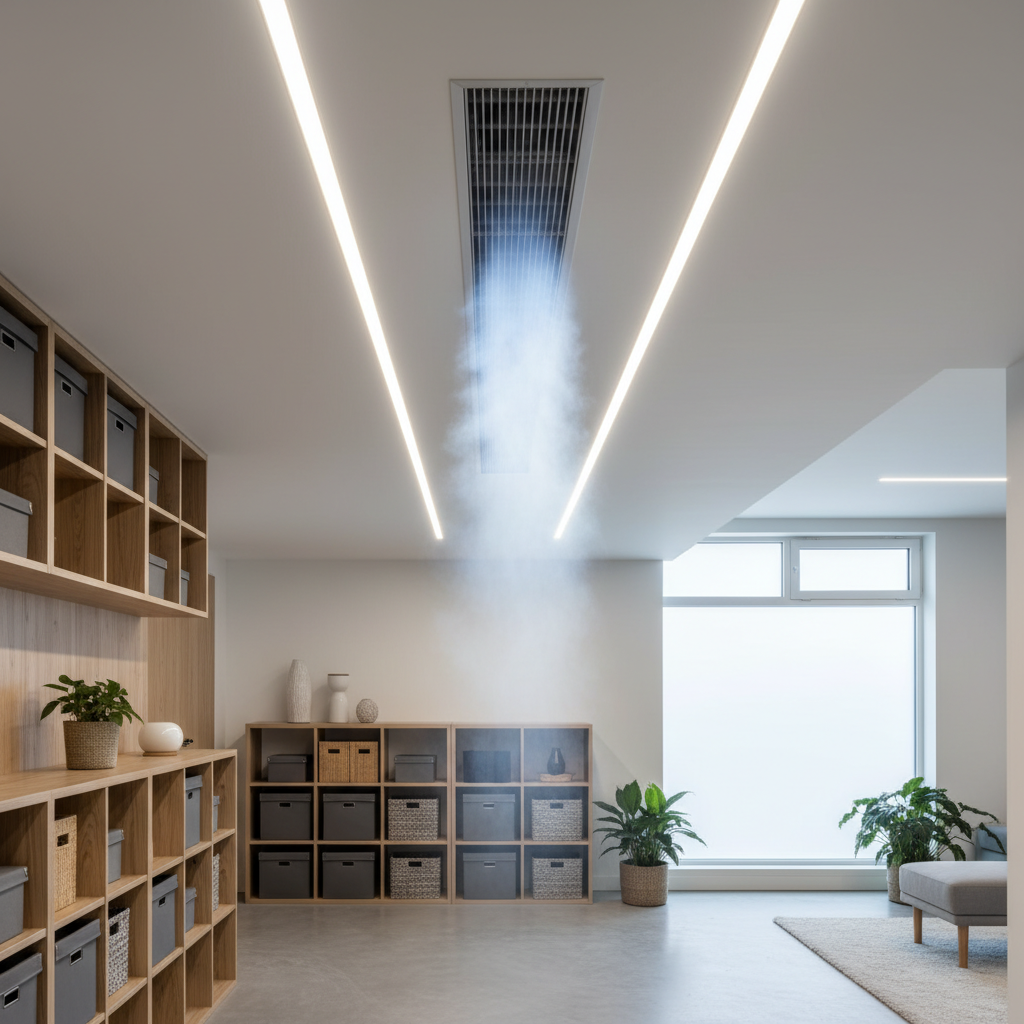
The dampness and low temperature often found in basements create the perfect environment for mold and mildew growth. These fungi thrive on moisture and organic materials like wood, drywall, and dust, releasing spores and odors that travel through your HVAC system and out the vents. Common causes include:
- Excess Moisture: Poor drainage, leaking pipes, or high humidity can saturate basement walls and floors.
- Poor Ventilation: Inadequate airflow traps stale air, allowing odors to build up.
- Contaminated Ductwork: Dust, mold spores, and debris within HVAC ducts can cause unpleasant smells.
- Plumbing Issues: Sewer gases entering vents due to dry traps or leaks can mimic musty odors.
How to Identify the Source of Musty Odors
Before tackling the odor, it’s crucial to pinpoint its source. Here are steps to help you diagnose the problem:
- Inspect Visible Mold: Check basement walls, floors, and ceilings for mold or mildew patches.
- Check Humidity Levels: Use a hygrometer to measure basement humidity; ideal levels are between 30-50%.
- Examine HVAC System: Look inside the air ducts and vents for dust buildup or mold spots.
- Look for Water Intrusion: Identify leaks, seepage points, or plumbing issues that may be causing dampness.
- Check Ventilation: Ensure vents and fans are clean and functioning properly to promote air circulation.
Effective Solutions to Remove Musty Odor from Basement Vents
1. Control Moisture and Humidity
Since moisture is the primary culprit in musty odors, reducing it is crucial:
- Use a Dehumidifier: Invest in a quality dehumidifier designed for basement spaces to maintain optimal humidity.
- Improve Drainage: Ensure gutters and downspouts direct water away from your foundation to prevent seepage.
- Fix Leaks Promptly: Repair any plumbing leaks or cracks in foundation walls to stop moisture intrusion.
2. Clean and Maintain HVAC Ducts and Vents
Dirty or mold-infested ducts often distribute musty smells throughout your home. Consider these steps:

- Professional Duct Cleaning: Hire certified duct cleaning specialists to remove mold, dust, and debris from ductwork.
- Replace HVAC Filters Regularly: Fresh filters improve air quality and reduce odors.
- Install Vent Covers: Use vent covers with antimicrobial properties to inhibit mold growth.
3. Improve Basement Ventilation
Enhancing airflow can prevent stale, damp air buildup:
- Use Exhaust Fans: Install or utilize existing fans to expel humid air outside.
- Open Windows and Doors: When weather permits, airing out the basement helps circulate fresh air.
- Seal Crawl Spaces: If your basement connects to a crawl space, sealing it can reduce moisture infiltration.
4. Eliminate Mold Growth
If mold is present, proper remediation is essential to eliminate odors and health risks:
- Use Mold Removal Solutions: Clean small mold patches with a mixture of water and vinegar or commercial mold cleaners.
- Replace Affected Materials: For persistent mold on drywall or insulation, consider removal and replacement.
- Wear Protective Gear: When cleaning mold, use gloves, masks, and eye protection to avoid exposure.
5. Address Plumbing and Sewer Gas Issues
Sometimes musty odors are linked to sewer gases entering through vents:
- Check Drain Traps: Ensure traps are filled with water to block sewer gases.
- Seal Plumbing Gaps: Fix any loose connections or cracks in pipes within the basement.
- Consult a Plumber: For persistent sewer odors, professional inspection may be necessary.
Preventative Tips to Avoid Future Musty Odors in Basement Vents
After resolving the current issue, maintain a fresh basement environment by following these best practices:
- Routine HVAC Maintenance: Schedule annual inspections and cleanings for your heating and cooling system.
- Monitor Humidity Levels: Keep a hygrometer in your basement and use dehumidifiers as needed.
- Seal Cracks and Gaps: Regularly inspect and repair your foundation and walls to prevent moisture entry.
- Keep Basement Organized: Avoid clutter, which can trap moisture and dust that feed mold growth.
- Use Odor Absorbers: Place moisture absorbers like activated charcoal or baking soda near vents.
When to Call a Professional
If the musty odor persists despite your efforts, or if you notice extensive mold growth, structural damage, or health symptoms like allergies and respiratory issues, it’s time to seek professional help. Certified mold remediation experts or HVAC technicians have specialized equipment and knowledge to thoroughly address the problem.
Frequently Asked Questions About Musty Odors in Basement Vents
Q1: Can a dehumidifier completely eliminate musty smells in basements?
A dehumidifier significantly reduces moisture, which helps minimize odors, but it should be combined with cleaning, ventilation, and mold removal for best results.
Q2: How often should I clean my HVAC ducts to prevent odors?
It’s recommended to have ducts professionally cleaned every 3-5 years, or sooner if you notice mold, pests, or heavy dust buildup.
Q3: Are musty basement odors harmful to health?
Prolonged exposure to mold spores and mildew can trigger allergies, asthma, and other respiratory problems. It’s important to address odors promptly.
Q4: Can sealing basement windows help reduce musty smells?
Sealing windows improves insulation and prevents moisture infiltration, helping to reduce odors. However, ensure proper ventilation is also maintained to avoid stale air.
Q5: What household products can neutralize musty odors temporarily?
Activated charcoal, baking soda, white vinegar, and commercial odor absorbers can help mask smells temporarily but don’t fix underlying issues.
Conclusion
A musty odor coming from basement vents is a common issue that signals moisture and mold problems in your home. By identifying the sources, controlling humidity, maintaining your HVAC system, and improving basement ventilation, you can effectively eliminate odors and create a healthier living environment. Regular upkeep and timely professional assistance will keep your basement fresh, safe, and odor-free.
For additional expert advice on indoor air quality and home ventilation, visit Good Housekeeping’s guide to removing musty odors.