How to Eliminate Excessive Dust in Old Homes: Practical Solutions for a Cleaner Living Space
Excessive dust in old homes is a common and frustrating issue that affects air quality, cleanliness, and overall comfort. Older houses often have unique architectural features and materials that contribute to dust buildup, making it necessary to adopt specific strategies to combat it effectively. Whether you’re dealing with vintage woodwork, older HVAC systems, or porous surfaces, understanding the root causes of dust and the best solutions can transform your living space into a cleaner, healthier environment. In this comprehensive guide, we will explore practical, professional approaches to reduce and manage excessive dust in old homes.
Why Do Old Homes Accumulate More Dust?
Several factors contribute to the accumulation of dust in older residences:

- Porous and aging surfaces: Old plaster walls, wooden floors, and exposed brick can trap dust particles more readily than modern materials.
- Historic HVAC and ventilation systems: Older heating and air conditioning units may lack advanced filtration systems, allowing dust to circulate freely.
- Gaps and cracks in the structure: Over time, doors, windows, and walls may develop small openings that let dust and outdoor particulates enter the home.
- Insufficient insulation: Older insulation materials can deteriorate, leading to dust buildup behind walls or in attics.
- Natural settling: Dust naturally collects over time due to everyday activities, but old homes may trap it more effectively due to their design and materials.
Effective Solutions to Combat Excessive Dust in Old Homes
1. Improve Air Filtration and Ventilation
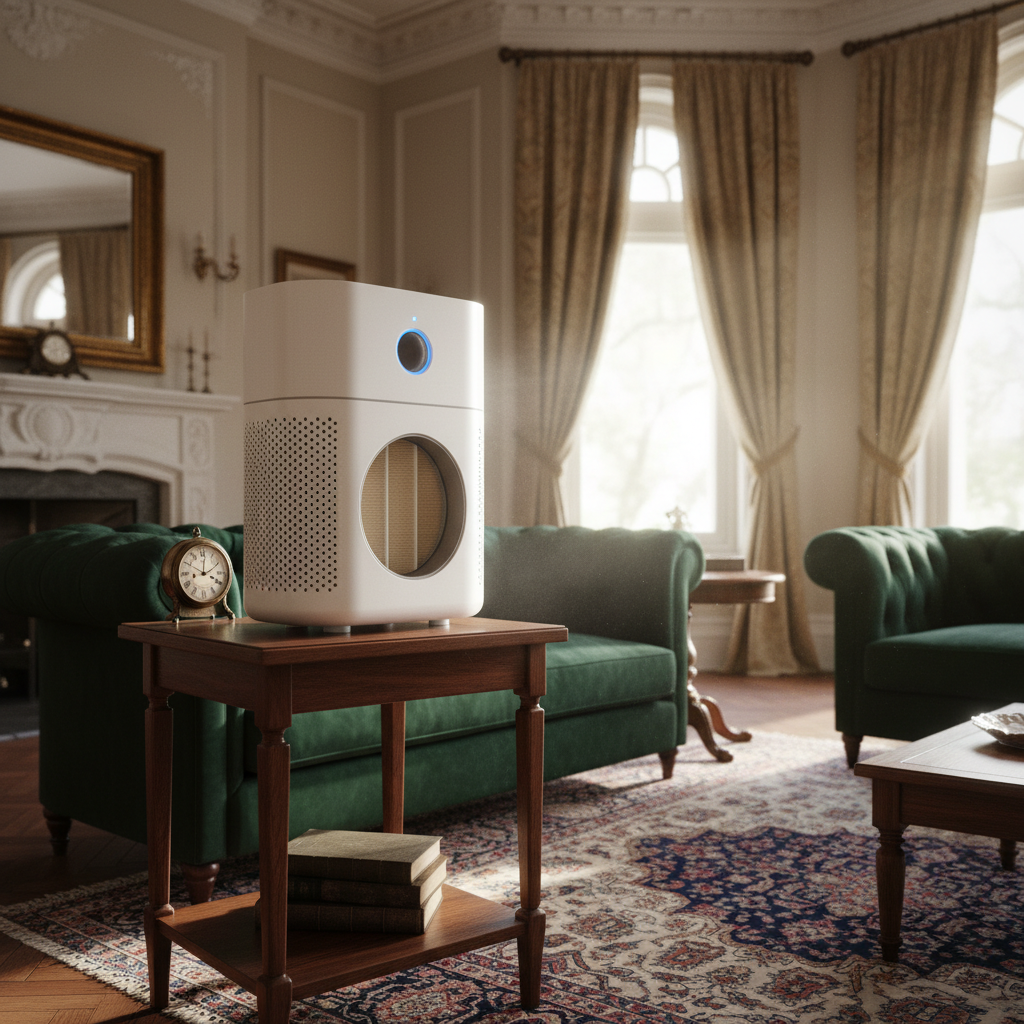
One of the best ways to reduce dust is by upgrading your HVAC system and enhancing ventilation. Consider installing high-efficiency particulate air (HEPA) filters, which trap even the smallest dust particles. Regularly replacing HVAC filters (every 1-3 months) is essential. Additionally, adding air purifiers with HEPA filters in key living areas can significantly improve indoor air quality.
2. Seal Gaps, Cracks, and Openings
Inspect your home’s structure and seal any gaps or cracks in window frames, doorways, and baseboards using weatherstripping or caulk. These openings are primary entry points for outdoor dust. Proper sealing also improves insulation and can reduce heating and cooling costs.
3. Adopt a Cleaning Routine Designed to Trap Dust
Effective dust control begins with cleaning practices tailored for old homes:
- Use microfiber cloths and mops: These materials attract and hold dust better than traditional cotton or feather dusters.
- Vacuum with a HEPA filter: Vacuuming at least twice a week helps to remove dust from carpets, upholstery, and floors.
- Wet dusting: Lightly damp cloths prevent dust from being dispersed into the air during cleaning.
- Focus on textiles: Wash curtains, bedding, and cushion covers regularly to reduce accumulated dust.
4. Upgrade or Maintain Flooring Options
While many old homes have charming hardwood floors, they can harbor dust in cracks and crevices. Refinishing floors or filling gaps can dramatically reduce dust accumulation. Alternatively, consider low-pile rugs that are easier to clean. Avoid wall-to-wall carpeting in dust-prone areas.
5. Address Upholstered Furniture and Fabrics
Upholstered furniture, especially in older homes, is a magnet for dust mites and particles. Use vacuum attachments regularly, and consider using furniture covers that can be washed. Opt for leather or vinyl pieces which do not trap dust as much, if replacement is an option.
6. Control Humidity Levels
Maintaining indoor humidity between 40-50% helps reduce dust mite populations and prevents dust from settling excessively. Use dehumidifiers in damp areas like basements and ensure bathrooms have proper exhaust fans.
Preventative Tips for Long-Term Dust Control
- Replace or upgrade attic and wall insulation with modern materials to reduce dust migration.
- Keep shoes off carpets and floors to avoid tracking in dirt and dust.
- Limit clutter as it serves as a collection point for dust particles.
- Install door mats at every entrance to trap dust before it enters.
When to Consider Professional Help
If dust issues persist despite regular cleaning and maintenance, it might be time to consult a professional:
- Air duct cleaning services: Sometimes old HVAC ducts carry significant dust and debris, requiring specialized cleaning to restore air quality.
- Home energy audits: Places with major leaks or insulation deficiencies can be identified and addressed.
- Mold and allergen testing: Dust in old homes can sometimes harbor allergens or mold requiring remediation.
Expert Recommendations and Resources
For further guidance on maintaining a clean and healthy home environment, resources like Good Housekeeping’s comprehensive dust control guide offer excellent tips, product recommendations, and cleaning routines updated to modern standards.
Conclusion
Excessive dust in old homes can be a persistent challenge, but with strategic interventions improving air filtration, sealing gaps, and refining cleaning routines, it is manageable. Preserving the unique character of your vintage residence while ensuring a clean, breathable environment is achievable by combining regular upkeep with targeted improvements. Embrace these solutions to breathe easier and enjoy a dust-minimized home atmosphere.
Frequently Asked Questions (FAQs)
Why does my old home accumulate more dust than a new one?
Older homes often have porous materials, gaps, and outdated ventilation systems that allow dust to enter and settle more easily compared to newer, airtight construction with advanced filtration.
How often should I change HVAC filters to reduce dust?
For optimal dust reduction, HVAC filters should typically be changed every 1 to 3 months, depending on usage, but older homes with more dust may benefit from more frequent changes.
Are air purifiers effective for dust control in old homes?
Yes, especially units equipped with HEPA filters can significantly reduce airborne dust particles, improving overall indoor air quality.
Can humidity control really reduce dust levels?
Controlling humidity limits dust mite growth and prevents dust from settling excessively, making it a valuable part of a comprehensive dust management strategy.
Should I vacuum carpets or avoid them to reduce dust?
Low-pile carpets can be vacuumed regularly to reduce dust, but high-pile or wall-to-wall carpeting often traps dust and allergens more. Choosing flooring options carefully can help manage dust better.