How to Effectively Manage Excessive Dust in Old Homes: Proven Solutions for a Cleaner Living Space
Excessive dust in old homes is a common issue that can affect not only the cleanliness of your living space but also your health and comfort. Older houses tend to accumulate more dust due to outdated construction materials, porous surfaces, and ventilation systems that may not meet modern standards. If you’re struggling with persistent dust buildup in your vintage or historic home, this comprehensive guide offers practical, effective solutions to reduce dust and improve air quality throughout your living environment.
Why Do Old Homes Have More Dust?
Before diving into solutions, it helps to understand the root causes of excessive dust in older homes. Here are some key reasons:

- Outdated Ventilation Systems: Old heating, ventilation, and air conditioning (HVAC) systems are less efficient at filtering particles, allowing dust to circulate freely.
- Porous Building Materials: Materials like plaster, untreated wood, and old insulation harbor dust particles and shed fibers over time.
- Gaps and Cracks: Improper sealing around windows, doors, and baseboards lets in outdoor dust and debris.
- Accumulated Dirt: Years of dust buildup in hidden corners, attic spaces, and behind walls can discharge when disturbed.
- Lack of Modern Air Filters: Many older homes are not equipped with HEPA filters or other high-efficiency filtering equipment.
Top Solutions to Combat Excessive Dust in Old Homes
1. Upgrade Your Air Filtration
Investing in a high-quality air purifier with a HEPA filter can dramatically reduce airborne dust particles. Consider placing these purifiers in frequently used rooms such as living areas and bedrooms. Additionally, upgrading your HVAC system’s filters to higher MERV ratings (ideally MERV 13 or above) ensures better particulate filtration. Remember to change filters regularly to maintain efficiency.
2. Deep Clean Using Proper Techniques
Routine cleaning plays a key role in minimizing dust accumulation. However, to tackle excessive dust, opt for more thorough methods:
- Microfiber Cloths and Mops: These attract dust rather than spreading it around.
- Vacuum with HEPA Filters: Use vacuum cleaners equipped with HEPA filters to trap dust instead of recirculating it.
- Wet Dusting: Lightly dampened cloths prevent dust particles from becoming airborne while cleaning surfaces.
- Clean Hidden Spaces: Don’t forget to clean vents, baseboards, window sills, and ceiling fans.
3. Seal Cracks and Openings
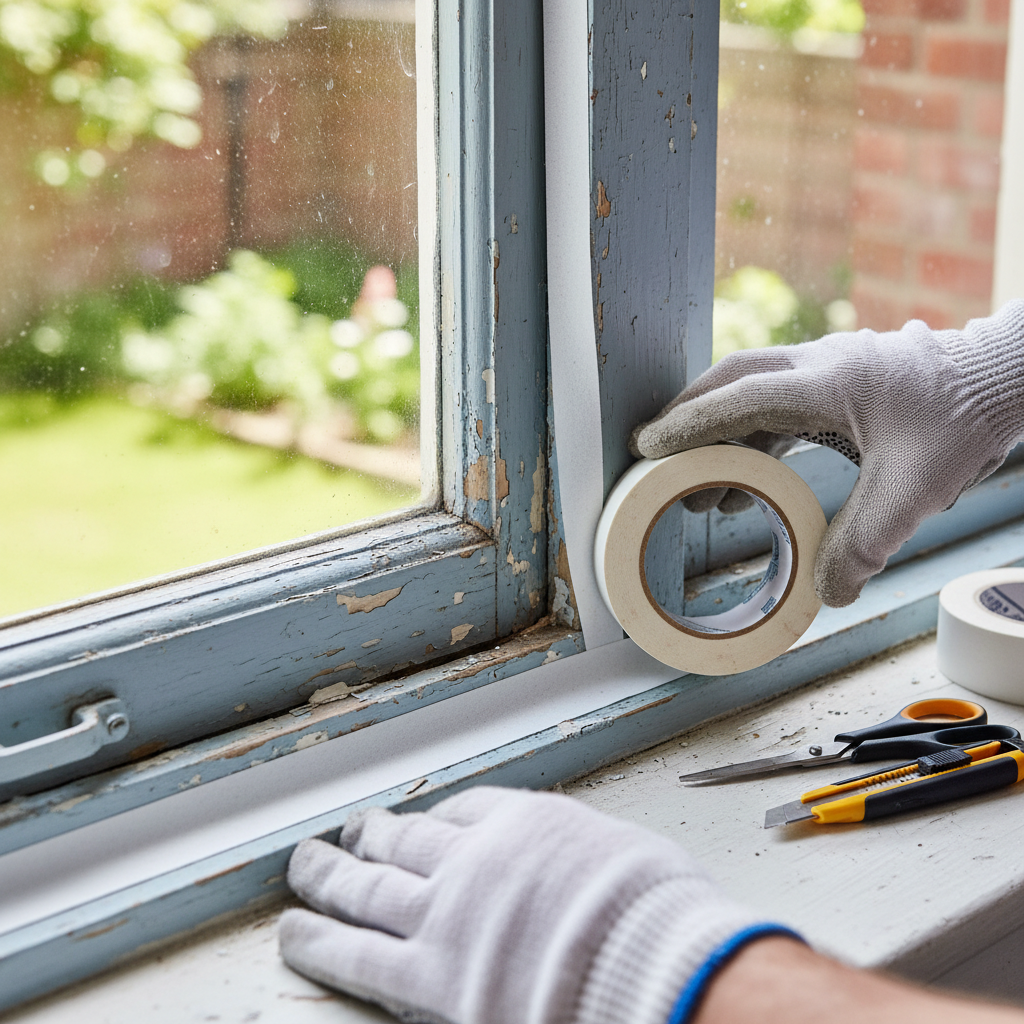
Inspect your home for gaps around windows, doors, and baseboards where dust can enter. Use weatherstripping or caulk to seal these openings, preventing outdoor dust from infiltrating your home’s interior. For older homes, sealing gaps also helps with energy efficiency by reducing drafts.
4. Manage Humidity Levels
Maintaining an indoor humidity level between 40% and 60% helps reduce dust circulation because dry air causes dust particles to remain airborne longer. Use a humidifier during dry seasons and a dehumidifier if your home tends to be damp. Proper humidity control also prevents mold growth, which can contribute to indoor air problems.
5. Replace or Repair Old Carpets and Upholstery
Carpets, rugs, and upholstery can trap enormous amounts of dust and allergens, especially when old or worn. Consider replacing these with hard flooring options like bamboo, hardwood, or laminate, which are easier to clean regularly. If replacement is not feasible, invest in regular professional deep cleaning for fabrics and carpets.
6. Minimize Clutter and Dust Collectors
Reducing clutter such as stacks of papers, books, textiles, and decorative items can limit places where dust accumulates. Opt for minimalist décor and ensure storage containers are sealed to keep dust out.
7. Regular Maintenance of HVAC and Chimneys
Schedule routine maintenance for HVAC systems and chimneys, especially if your old home has a working fireplace. Clean ductwork and vents to prevent dust buildup within the system, which can otherwise be circulated throughout the home.
Additional Tips for Long-Term Dust Control
- Use Door Mats: Place mats at entrances to trap dust and dirt from shoes.
- Remove Shoes Indoors: Encourage a no-shoe policy inside to minimize dust tracked in.
- Wash Bedding Weekly: Dust mites thrive on fabrics, so frequent washing helps reduce allergens.
- Install Window Screens and Air Seals: Prevent outside dust and pollen from entering.
FAQs About Dust Control in Old Homes
Q: How often should I change HVAC filters in an old home?
A: For optimal dust control, change filters every 1 to 3 months depending on filter type and household conditions. Homes with pets or smokers may need more frequent changes.
Q: Will sealing cracks completely stop dust infiltration?
A: While sealing gaps significantly reduces dust entry, it’s not a complete solution. Combine sealing with improved filtration and cleaning for best results.
Q: Are air purifiers effective in historic homes?
A: Yes, air purifiers with HEPA filters effectively trap dust particles and allergens, improving indoor air quality significantly.
Q: Is professional cleaning recommended for old homes?
A: Definitely. Professional deep cleaning helps target hard-to-reach areas and can extend the life of carpets, upholstery, and HVAC systems.
Conclusion
Managing excessive dust in old homes requires a combination of strategic cleaning, home maintenance, and air quality improvements. By upgrading filtration, sealing entry points, controlling humidity, and maintaining regular cleaning routines, you can dramatically improve the cleanliness and comfort of your historic home. For more expert advice on creating a healthy and dust-free living environment, visit Good Housekeeping’s dust control guide.