How to Effectively Manage and Reduce Excessive Dust in Old Homes
Excessive dust in old homes is a common and often frustrating problem for many homeowners. Older houses tend to accumulate more dust due to aged construction materials, outdated ventilation systems, and natural wear and tear. If you’ve been struggling to maintain a clean, dust-free living space, understanding the causes and implementing the right solutions can make a significant difference in your home’s air quality and overall comfort. In this guide, we will explore the best strategies to control and reduce excessive dust in old homes, helping you create a fresher, healthier atmosphere for your family.
Why Do Old Homes Have More Dust?
Old homes are prone to higher levels of dust for several reasons:

- Outdated Ventilation Systems: Older HVAC systems often do not filter air efficiently, allowing dust to circulate freely.
- Gaps and Cracks: Settling foundations and aging materials cause cracks around windows, doors, and walls, letting in dust and outdoor debris.
- Worn Flooring and Fabrics: Old carpets, curtains, and upholstered furniture can trap dust particles, releasing them back into the air.
- Construction Materials: Antique plaster walls and wooden surfaces may shed tiny particles contributing to dust accumulation.
- Lack of Proper Insulation: Poor insulation can allow more dirt and dust infiltration.
Effective Solutions to Reduce Excessive Dust in Old Homes
1. Upgrade Your Air Filtration System
One of the most impactful steps to reduce dust in an old home is improving air filtration. Consider these actions:
- Install a modern HVAC filter with a high MERV (Minimum Efficiency Reporting Value) rating to trap smaller particles.
- Utilize portable air purifiers with HEPA filters in commonly used rooms.
- Regularly maintain your HVAC system by cleaning or replacing filters according to manufacturer guidelines.
2. Seal Cracks and Gaps
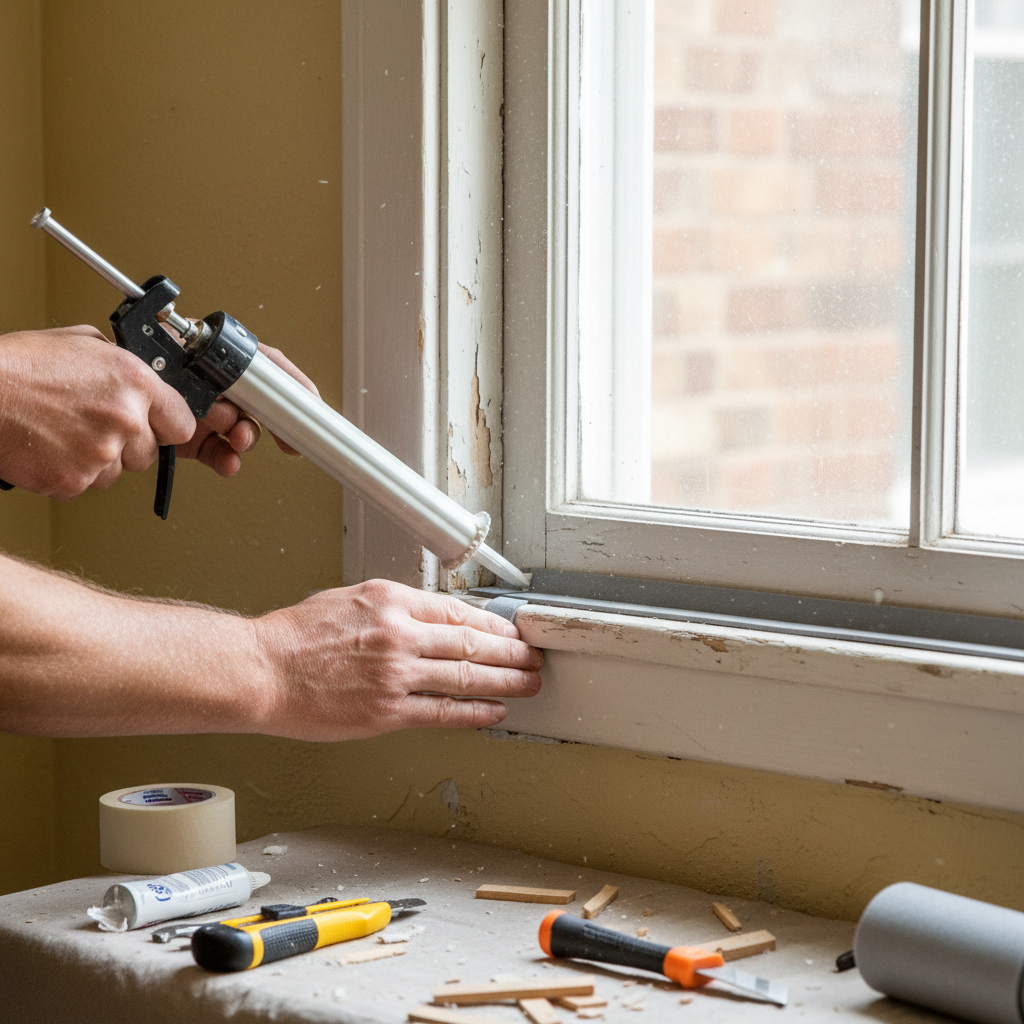
Inspect your home for gaps around window frames, baseboards, and doors. Use weatherstripping, caulk, or spray foam insulation to seal these entry points where dust sneaks in. This action not only reduces dust but improves energy efficiency.
3. Upgrade or Maintain Flooring and Soft Furnishings
Old rugs and carpets can trap and release dust continuously. Here’s what you can do:
- Deep clean carpets regularly using a vacuum with a HEPA filter.
- Consider replacing old carpets with hard flooring options like hardwood, tile, or laminate that are easier to clean.
- Wash curtains and other fabric items often or replace them with dust-resistant blinds.
4. Implement a Regular and Effective Cleaning Routine
Dust removal is a continuous effort. Follow these tips for optimal results:
- Use microfiber cloths and electrostatic mops for dusting, which trap particles instead of spreading them.
- Clean from top to bottom—start with ceiling fans and light fixtures, then furniture, finishing with floors.
- Vacuum frequently with a trusted vacuum cleaner equipped with HEPA filtration.
- Wash bedding weekly in hot water to remove dust mites and dust buildup.
5. Control Indoor Humidity Levels
Dust tends to settle less in a properly humidified environment. Keep indoor humidity levels between 30% and 50% using humidifiers or dehumidifiers as needed. This balance helps reduce dust mite populations and airborne dust.
6. Declutter and Organize Your Home
Reducing clutter reduces the number of surfaces where dust can settle. Utilize smart storage solutions to keep belongings organized and off surfaces that collect dust frequently.
7. Consider Professional Home Improvement Solutions
In some cases, structural improvements are necessary:
- Replace or repair old windows and doors with more airtight options.
- Insulate walls and attics to reduce dust infiltration.
- Have your chimney and vents professionally cleaned to prevent dust build-up.
Additional Tips to Keep Excessive Dust at Bay
- Remove shoes at the door to prevent tracking in dust and dirt.
- Use washable rugs at entryways to capture particles.
- Rotate and clean stuffed toys and decorative pillows regularly.
- Keep pets groomed to minimize pet dander contributing to dust.
Frequently Asked Questions (FAQs)
Why does my old home have more dust despite regular cleaning?
Older homes often have more dust because of air leaks, outdated ventilation, and materials that shed particles. Regular cleaning helps but addressing the underlying causes like sealing cracks and upgrading filters is essential.
Can sealing windows and doors really reduce indoor dust?
Yes, sealing leaks prevents outdoor dust and debris from entering, significantly reducing indoor dust levels.
Is a HEPA filter necessary for dust control?
HEPA filters are highly effective in trapping tiny dust particles, allergens, and dust mites, making them a valuable addition for dust control, especially in old homes.
What cleaning tools work best for controlling dust?
Microfiber cloths, electrostatic dusters, and vacuum cleaners with HEPA filters are most effective for capturing and removing dust from surfaces without redistributing it.
Conclusion
Excessive dust in old homes can be managed through a combination of improved air filtration, sealing leaks, regular cleaning, and thoughtful home maintenance. While some solutions are simple and cost-effective, others may require professional help. By taking proactive steps to control dust, you can greatly improve your home’s air quality, protect your health, and enjoy a more comfortable living environment.
For more expert advice on home cleaning and safety, visit Good Housekeeping’s Cleaning Tips.