Few things disrupt the pristine appearance of a bathroom quite like unsightly rust stains in the toilet bowl. These reddish-brown marks can make even the cleanest bathroom look neglected, leaving homeowners frustrated. If you’re struggling with these stubborn blemishes, you’re not alone. The good news is that with the right knowledge and tools, you can effectively fix rust stains in your toilet bowl and restore its sparkling white finish. This comprehensive guide will walk you through understanding why these stains appear, safety precautions, various DIY solutions, and preventive measures to keep your toilet looking its best.
Understanding Rust Stains in Your Toilet Bowl
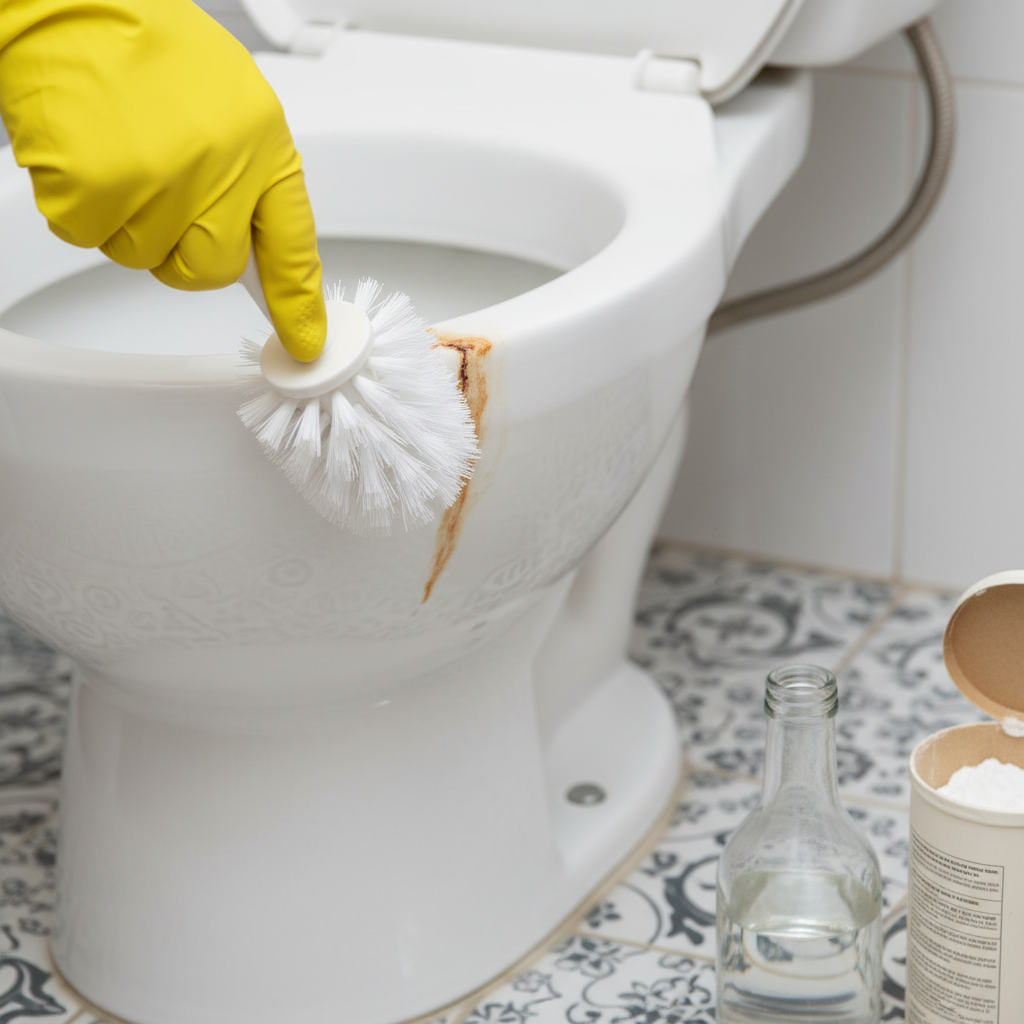
Rust stains are not just a cosmetic issue; they are a sign of mineral deposits, primarily iron, that have bonded with the porcelain surface. Over time, these minerals, often found in hard water or from corroding metal components within your plumbing system, oxidize and create that characteristic rusty hue. While they don’t necessarily indicate a health hazard, they are undeniably unpleasant to look at and can be particularly challenging to remove with standard toilet bowl cleaners.
Why Do Rust Stains Appear in Toilets? Common Causes
Before diving into how to remove rust stains, it’s helpful to understand their origins. Knowing the root cause can help you not only fix the current problem but also prevent future occurrences. Here are the most common culprits:
Hard Water
This is arguably the most frequent cause. Hard water contains high levels of dissolved minerals, including iron. When this water sits in your toilet bowl or constantly flows through it, the iron particles settle and, upon exposure to air, oxidize, creating rust. The problem can be exacerbated by drips from the rim or continuous trickling from the tank.
Old or Corroding Pipes
If your home has older galvanized steel or cast iron pipes, they can corrode internally over time, releasing rust particles directly into your water supply. These particles then travel to your toilet and deposit themselves on the porcelain.
Well Water
Homes relying on well water are particularly susceptible to rust stains. Well water often has a higher concentration of iron and other minerals compared to municipal water supplies, leading to more frequent and severe staining.
Corroding Toilet Tank Components
Even if your pipes are new, the internal components of your toilet tank – such as the flush chain, bolts, or fill valve – might be made of metal that can rust. As these parts corrode, rust flakes off and washes into the bowl, creating stains.
Infrequent Cleaning
While not a direct cause, infrequent cleaning allows mineral deposits and rust to accumulate and set more deeply into the porcelain, making them much harder to remove later.
Before You Begin: Safety First!
When dealing with cleaning solutions, especially stronger chemicals, safety should always be your top priority. Ensure you have the following on hand and adhere to these guidelines:
- Ventilation: Open windows and turn on the bathroom fan to ensure good air circulation. Chemical fumes can be harmful if inhaled.
- Protective Gear: Wear rubber gloves to protect your hands from harsh chemicals and splashes. Safety glasses or goggles are also highly recommended to protect your eyes.
- Read Labels: Always read the instructions and warning labels on any commercial cleaning product before use.
- Never Mix Chemicals: A critical safety rule! Mixing different cleaning agents, especially bleach with acids (like vinegar or many rust removers), can create toxic and dangerous gases. If you’re switching products, thoroughly rinse the toilet bowl and allow it to dry before applying a new cleaner. For more general cleaning safety tips, you can refer to resources like Good Housekeeping’s cleaning safety advice.
- Keep Children and Pets Away: Ensure that children and pets do not have access to the bathroom while you are cleaning with chemicals.
DIY Methods to Fix Rust Stains in Toilet Bowls
Fortunately, there are several effective methods, ranging from natural remedies to stronger chemical solutions, to tackle rust stains. Start with the gentlest options first and move to stronger ones if needed.
Natural and Eco-Friendly Solutions
These methods are generally safer for you and the environment, and they can be surprisingly effective for light to moderate rust stains.
1. White Vinegar
Vinegar is a powerful natural acid that can dissolve mineral deposits. It’s safe, affordable, and readily available.
- How to Use:
- First, turn off the water supply to the toilet and flush to empty the bowl as much as possible.
- Pour 1-2 cups of white vinegar directly onto the rust stains, ensuring they are fully covered.
- Let the vinegar sit for several hours, or even overnight, to allow the acid to work on the stains.
- For stubborn spots, you can make a paste of vinegar and borax or baking soda, apply it, and let it sit.
- After soaking, scrub the stained areas with a stiff-bristled toilet brush.
- Flush the toilet several times to rinse thoroughly.
- Pros: Non-toxic, inexpensive, readily available, safe for septic systems.
- Cons: May require multiple applications for severe stains, the smell can be strong initially.
2. Lemon Juice and Salt
The citric acid in lemon juice, combined with the abrasive power of salt, can make a good rust remover.
- How to Use:
- Empty the toilet bowl water as much as possible.
- Squeeze fresh lemon juice directly onto the stains, then sprinkle a generous amount of salt over the lemon juice.
- Let the mixture sit for a few hours. For tougher stains, you can also create a thick paste using lemon juice and cream of tartar, apply it, and leave it overnight.
- Scrub the area vigorously with a toilet brush.
- Flush to rinse.
- Pros: Pleasant smell, non-toxic, gentle on porcelain.
- Cons: Less effective on very old or severe stains.
3. Borax and Vinegar Paste
Borax (sodium borate) is a natural mineral that acts as a cleaner, deodorizer, and stain remover. When combined with vinegar, its cleaning power is enhanced.
- How to Use:
- Empty the toilet bowl water.
- Mix about 1/2 cup of borax with enough white vinegar to form a thick paste.
- Apply the paste directly to the rust stains, ensuring complete coverage.
- Let the paste sit for at least 30 minutes, or up to several hours for tougher stains.
- Scrub thoroughly with a toilet brush or a non-scratch scouring pad.
- Flush to rinse the bowl.
- Pros: More abrasive than vinegar alone, good for light scrubbing.
- Cons: Borax should still be handled with gloves, and it’s not as strong as dedicated chemical rust removers.
4. Pumice Stone
A pumice stone can physically buff away stains without scratching porcelain, provided it’s used correctly.
- How to Use:
- Ensure the pumice stone is thoroughly wet before use. A dry pumice stone can scratch the porcelain.
- Gently rub the wet pumice stone over the rust stains. Apply light to moderate pressure.
- You will notice a paste forming as the stone grinds away the stain.
- Rinse the bowl frequently to check your progress and flush away residue.
- Pros: Highly effective for tough, embedded stains, no chemicals needed.
- Cons: Requires manual effort, must be kept wet to avoid scratching, may wear down quickly. Always test in an inconspicuous area first.
Chemical Cleaners for Stubborn Stains
For rust stains that natural methods can’t budge, you may need to turn to stronger chemical solutions. Always exercise extreme caution when using these products.
1. Oxalic Acid (e.g., Bar Keepers Friend)
Products containing oxalic acid are highly effective at dissolving rust and mineral stains. Bar Keepers Friend is a popular household cleaner that uses this active ingredient.
- How to Use:
- Empty the toilet bowl water.
- Sprinkle the oxalic acid powder (or pour the liquid form) directly onto the rust stains.
- Allow it to sit for 10-15 minutes (or as directed on the product label). Do not exceed the recommended time.
- Scrub the stains with a toilet brush.
- Flush several times to rinse thoroughly.
- Pros: Very effective on rust, relatively easy to use.
- Cons: Requires gloves, good ventilation is a must, can be irritating to skin and eyes.
2. Hydrochloric Acid (Muriatic Acid) – Use with Extreme Caution!
Hydrochloric acid, also known as muriatic acid, is an extremely powerful and corrosive chemical. It should be a last resort for the most severe, intractable rust stains and *only* used by experienced individuals with full protective gear.
- How to Use (Extreme Caution Required):
- Ensure the bathroom is exceptionally well-ventilated. Wear heavy-duty rubber gloves, eye protection, and old clothing.
- Turn off the water to the toilet and flush to remove all water from the bowl.
- Carefully pour a small amount (e.g., 1/4 to 1/2 cup) of muriatic acid directly onto the stains. Avoid splashing.
- Let it sit for only a few minutes (no more than 5 minutes).
- Scrub quickly with a dedicated toilet brush that you will discard afterward.
- Immediately flush the toilet multiple times to dilute and rinse the acid completely.
- Never pour muriatic acid into a toilet that contains bleach or any other cleaner.
- Pros: Highly effective for the most severe rust stains.
- Cons: Extremely dangerous, highly corrosive, produces toxic fumes, can damage plumbing if used incorrectly or too frequently. Not recommended for regular household use.
3. Commercial Rust Stain Removers
Many brands offer specialized toilet bowl cleaners specifically formulated to tackle rust, lime, and calcium stains. These often contain mild acids designed to be safer than muriatic acid but more potent than natural solutions.
- How to Use:
- Always follow the specific instructions on the product label.
- Typically, you empty the toilet bowl water first.
- Apply the cleaner directly to the stained areas.
- Allow it to sit for the recommended time (usually 10-30 minutes).
- Scrub with a toilet brush.
- Flush thoroughly to rinse.
- Pros: Designed for rust, effective, and often easier to use than pure acids.
- Cons: Still require safety precautions (gloves, ventilation), may contain harsh chemicals.
Step-by-Step Guide: How to Apply Rust Stain Removers
Regardless of the method you choose, a consistent approach ensures the best results:
- Prepare the Area: Put on your protective gear (gloves, eye protection) and ensure the bathroom is well-ventilated.
- Remove Water from the Bowl: Turn off the water supply valve usually located behind or near the base of the toilet. Flush the toilet to drain as much water as possible from the bowl. For stubborn residual water, you can use a small cup to scoop it out or a sponge to soak it up. This allows the cleaner to concentrate directly on the stains.
- Apply the Cleaner: Apply your chosen rust remover directly to the stained areas. Ensure complete coverage. For pastes, spread them evenly.
- Allow to Soak: Let the cleaner sit for the recommended duration. This “dwell time” is crucial for the cleaner to break down the rust.
- Scrub the Stains: Using a dedicated toilet brush or a non-scratch scouring pad, scrub the stained areas vigorously. Focus on working the cleaner into the porcelain.
- Rinse and Flush: Turn the water supply back on. Flush the toilet several times to thoroughly rinse away the cleaner and dissolved rust. You may need to repeat the process for particularly stubborn stains.
- Clean Up: Properly dispose of any used sponges or rags. Clean and disinfect your toilet brush.
Preventing Future Rust Stains
Once you’ve successfully removed the rust stains, the goal is to prevent them from returning. Prevention is often easier than continuous removal.
1. Address Your Water Quality
- Water Softener: If you have hard water or well water with high iron content, installing a whole-house water softener or an iron filter can significantly reduce or eliminate mineral buildup and rust stains throughout your home.
- Water Testing: Consider having your water tested to understand its mineral composition.
2. Regular Cleaning Schedule
Frequent cleaning prevents mineral deposits from setting in. A weekly cleaning with a regular toilet bowl cleaner can make a big difference.
3. Check Toilet Tank Components
Periodically inspect the inside of your toilet tank. If you see rusted bolts, chains, or other metal parts, replace them with plastic or rust-resistant alternatives. These corroding parts can be a continuous source of rust.
4. Fix Leaky Faucets and Running Toilets
A constantly dripping faucet or a continuously running toilet introduces a steady stream of water and minerals to the bowl, accelerating stain formation. Promptly repair any leaks.
5. Use Toilet Bowl Cleaning Tablets (with caution)
Some toilet bowl cleaning tablets are designed to prevent mineral buildup. However, be cautious as many contain bleach, which can degrade rubber and plastic components in your toilet tank over time, potentially leading to leaks or malfunctions. Look for bleach-free, enzyme-based, or non-chlorine options if you choose this route.
6. Flush Infrequently Used Toilets
In guest bathrooms or toilets that aren’t used often, stagnant water allows minerals to settle and rust to form more easily. Flush these toilets every few days to circulate fresh water.
When to Call a Professional
While most rust stains can be tackled with DIY methods, there are instances when professional help might be necessary:
- Deeply Embedded Stains: If stains are extremely old and deeply etched into the porcelain, a professional cleaning service or plumber might have industrial-strength solutions or techniques.
- Water Source Issues: If you suspect the rust is coming from your main water supply (e.g., from old pipes leading into your home, or significant issues with your well water), a plumber or water treatment specialist can assess the problem and recommend whole-house solutions.
- Plumbing Damage: If you’ve used harsh chemicals and notice any adverse effects on your plumbing or if you suspect internal toilet tank damage from corrosion, a plumber should be consulted to prevent further issues.
Frequently Asked Questions (FAQs)
Q1: Can bleach remove rust stains from a toilet bowl?
A: No, bleach is generally ineffective at removing rust stains. In fact, bleach can sometimes react with the iron in rust, potentially setting the stain further or making it more difficult to remove. Bleach is an oxidizer, while rust is already an oxidized form of iron. For rust, you need an acid-based cleaner or a chelating agent that specifically binds to and dissolves iron.
Q2: Are rust stains harmful?
A: Rust stains in a toilet bowl are typically not harmful to your health. They are primarily an aesthetic issue caused by mineral deposits. However, they can indicate underlying issues like hard water or corroding pipes, which might impact the longevity of your plumbing system.
Q3: How often should I clean my toilet to prevent rust?
A: A good rule of thumb is to clean your toilet at least once a week with a regular toilet cleaner. If you have particularly hard water or a known iron issue, a quick wipe-down or flush with a rust-preventative cleaner every few days can be beneficial.
Q4: Will a toilet brush scratch the porcelain?
A: A standard toilet brush with nylon bristles is designed to be safe for porcelain and should not scratch it. However, avoid using abrasive pads or harsh wire brushes, as these can damage the glossy finish of your toilet bowl, making it more susceptible to future staining.
Q5: Is it safe to leave vinegar in the toilet bowl overnight?
A: Yes, it is generally safe to leave white vinegar in the toilet bowl overnight. Its mild acidity is effective at dissolving mineral deposits without harming the porcelain or plumbing. Just ensure good ventilation, and remember not to mix it with other cleaners, especially bleach.
Conclusion
Unsightly rust stains in your toilet bowl don’t have to be a permanent fixture in your bathroom. By understanding their causes and systematically applying the right cleaning methods, you can effectively restore your toilet to its pristine condition. Whether you opt for natural solutions like vinegar and lemon juice or turn to more potent commercial rust removers, remember to prioritize safety above all else. With a little effort and a consistent approach to prevention, you can enjoy a fresh, clean, and rust-free toilet bowl for years to come.