How to Combat Excessive Dust in Old Homes: Proven Solutions for a Cleaner Living Space
Excessive dust in old homes is a common frustration experienced by many homeowners. Unlike modern houses, older properties tend to accumulate dust rapidly due to age-old construction materials, gaps in windows and doors, and outdated ventilation systems. This persistent dust buildup not only affects the cleanliness of your living space but can also trigger allergies and impact indoor air quality. Fortunately, there are effective solutions that can help reduce excessive dust in old homes and promote a healthier environment.
Why Old Homes Accumulate More Dust
Understanding why old homes attract and retain more dust helps in developing targeted strategies to address the problem. Several factors contribute to this issue:
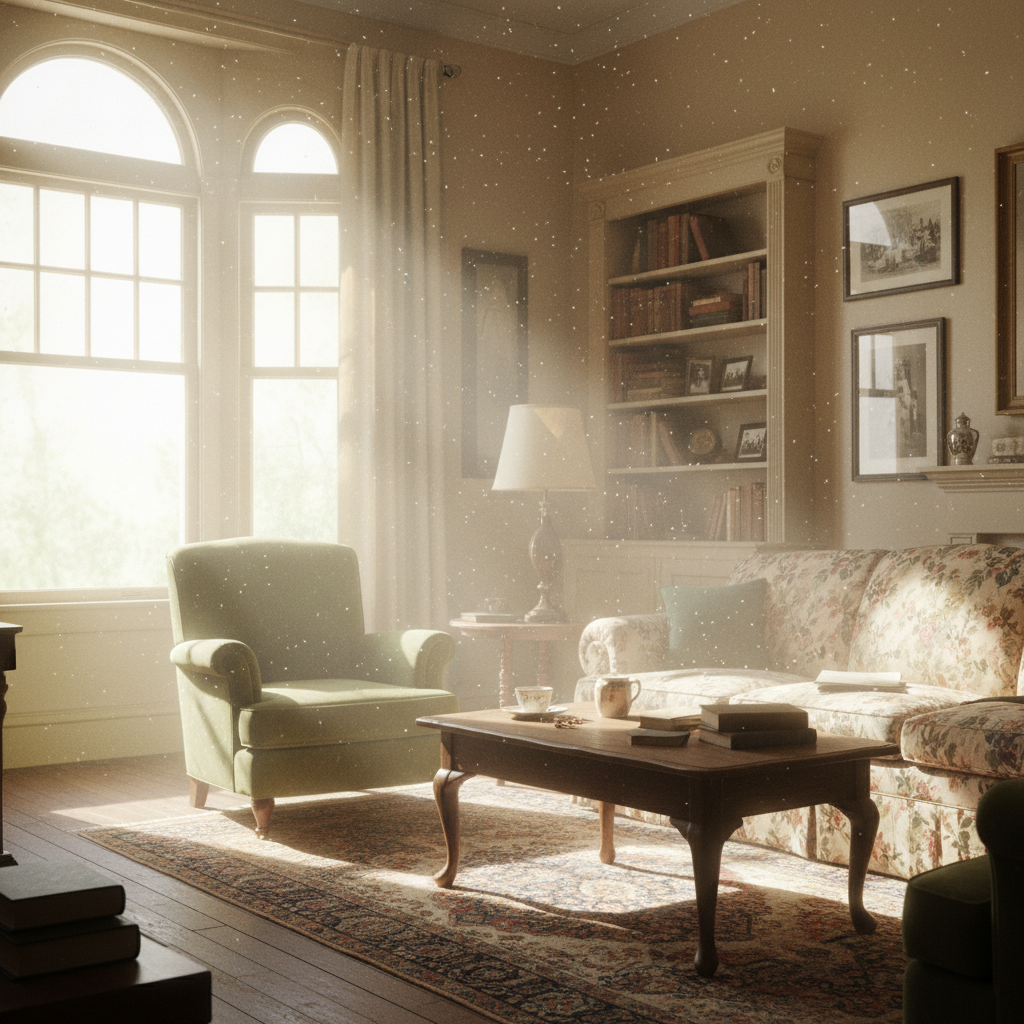
- Older Building Materials: Materials like plaster, old wood, and certain fabrics tend to shed tiny particles over time, adding to household dust.
- Cracks and Gaps: Aging windows, doors, and walls often have cracks that let in outside dust and dirt.
- Outdated Ventilation: Older ventilation systems may be inefficient or clogged, limiting proper airflow and allowing dust to settle indoors.
- Lack of Modern Dust-Resistant Finishes: Unlike newer homes, older constructions may not have dust-repellent coatings on surfaces.
How to Reduce Excessive Dust in Old Homes
Addressing excessive dust requires a multi-faceted approach that combines thorough cleaning practices with home improvements. Here are proven solutions you can implement to reduce dust in your old home:
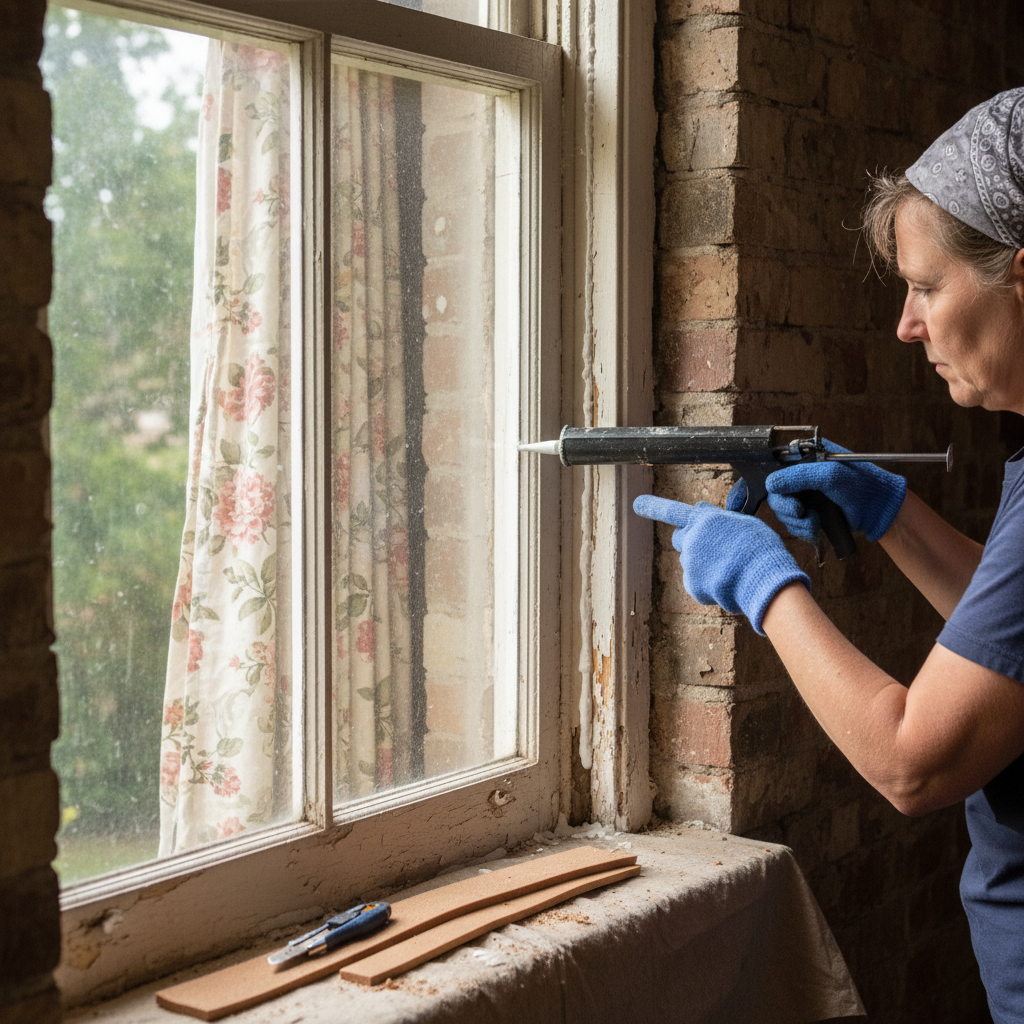
1. Seal Cracks and Gaps
Inspect your windows, doors, and walls for gaps that allow outdoor dust to enter. Use weather-stripping, caulk, or foam sealants to close these openings. Not only will this reduce dust infiltration, but it will also improve energy efficiency.
2. Upgrade Ventilation and Air Filtration
Improve the airflow in your home by cleaning or replacing filters in HVAC systems. Consider installing high-efficiency particulate air (HEPA) filters, which capture even the finest dust particles. If your home lacks central HVAC, portable air purifiers with HEPA filters can be effective in high-traffic or dust-prone rooms.
3. Deep Clean Using Proper Techniques
Regular cleaning is essential but using the right methods makes all the difference:
- Dust with Microfiber Cloths: These trap dust effectively instead of just moving it around.
- Vacuum Frequently: Use a vacuum with a HEPA filter on carpets, rugs, and upholstery to reduce dust buildup.
- Mop Floors: Avoid dry sweeping, which can stir up dust. Instead, mop with a damp mop regularly.
4. Opt for Dust-Resistant Furnishings and Decor
Choose furniture and textiles that are less likely to trap dust. Leather and vinyl surfaces are easier to wipe down than porous fabric upholstery. Wash curtains and bedding frequently to minimize dust from fibers.
5. Maintain Your Fireplace and Chimney
Many old homes have fireplaces that, if neglected, contribute to indoor dust and soot. Schedule regular chimney cleanings and ensure the damper closes properly to prevent dust entry.
6. Control Humidity Levels
Dust can become airborne more easily in very dry environments. Use a humidifier to maintain indoor humidity between 40-50%, which helps dust settle faster and reduces irritation for allergy sufferers.
Long-Term Home Improvements to Reduce Dust
If you’re planning renovations or upgrades in your old home, consider these changes to reduce dust over time:
- Replace Old Carpets: Carpets trap a lot of dust. Switching to hardwood, tile, or laminated floors can make cleaning easier.
- Install Storm Windows: These add an extra barrier against outdoor dust and improve insulation.
- Upgrade Insulation: Better insulated walls prevent dust infiltration and maintain more consistent indoor temperatures.
- Invest in Modern HVAC Systems: New systems with advanced filtration improve air circulation and reduce dust accumulation effectively.
Additional Tips for Managing Dust in Old Homes
- Keep Shoes Outside: Prevent dirt and dust from coming into your home by establishing a no-shoes policy indoors.
- Regularly Clean Air Ducts: Dust collects in air ducts—professional cleaning ensures better air quality.
- Use Door Mats: Place mats both outside and inside entryways to capture dust from shoes.
- Limit Clutter: Dust gathers on items left out around the home. Minimizing clutter allows easier cleaning and less dust buildup.
Frequently Asked Questions (FAQs)
What type of vacuum cleaner is best for reducing dust in old homes?
A vacuum cleaner equipped with a HEPA filter is ideal for trapping fine dust particles and allergens, making it highly effective in old homes prone to dust problems.
How often should I clean to control dust in an old home?
Vacuuming at least twice a week, dusting surfaces every few days, and mopping floors weekly can help keep excessive dust at bay.
Is it safe to use humidifiers to reduce dust?
Yes, using a humidifier to maintain moderate indoor humidity helps reduce airborne dust. However, avoid excessive moisture, which can promote mold growth.
Can air purifiers really help with dust issues?
Yes, air purifiers with HEPA filters are designed to capture very small dust particles and allergens, improving indoor air quality significantly.
Are there any quick daily habits to reduce dust?
Simple habits like wiping surfaces with microfiber cloths, keeping pets groomed, and regularly changing bedding can help reduce dust accumulation daily.
Conclusion
Excessive dust in old homes is a manageable challenge. By understanding why dust accumulates and implementing a combination of sealing, cleaning, filtering, and minor renovations, you can enjoy a cleaner and healthier living environment. Taking proactive measures not only improves comfort but also protects your family’s well-being. For detailed cleaning routines and expert advice on maintaining dust-free homes, consider browsing resources like Good Housekeeping’s cleaning tips.