How to Combat Excessive Dust in Old Homes: Proven Solutions for a Cleaner Living Space
Living in an old home comes with unique charm and character but also some challenges—one of the most persistent being excessive dust buildup. If you find yourself constantly dusting yet never fully winning the battle against the fine particles settling on your furniture, floors, and air vents, you’re not alone. Excessive dust in old homes can be both a nuisance and a health concern, contributing to allergies and respiratory issues. In this article, we will explore practical, effective solutions to reduce dust accumulation and improve your indoor air quality, making your vintage residence a cleaner, healthier sanctuary.
Why Do Old Homes Have More Dust?
Old homes tend to accumulate more dust for several reasons:
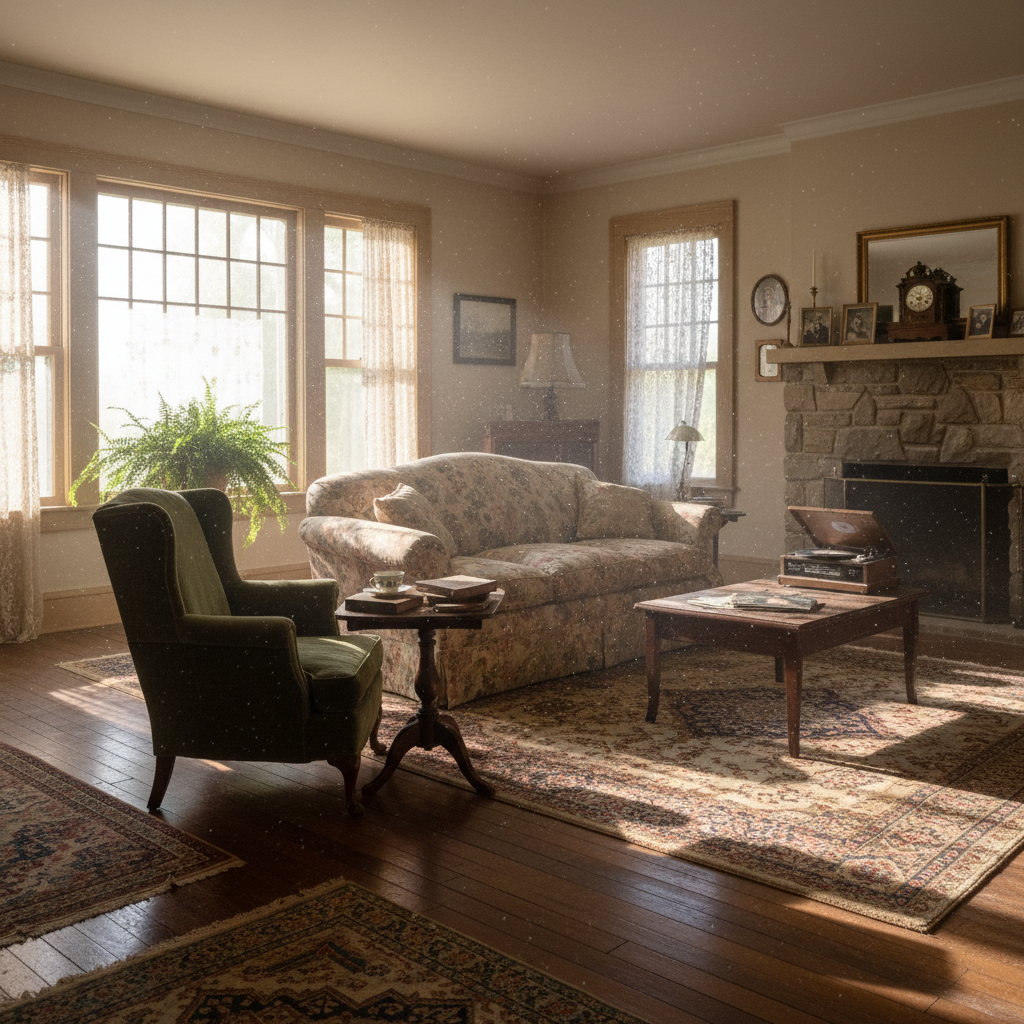
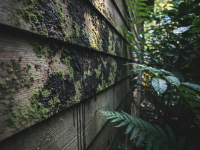
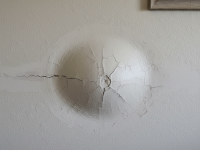
- Wear and Tear of Building Materials: Over time, paint flakes, wood particles, and plaster crumbs add to dust levels.
- Porous Surfaces and Gaps: Older construction often includes cracks, gaps around windows and doors, and less effective insulation that allow dust from outside and inside to infiltrate living spaces.
- Outdated HVAC Systems: Many older homes have heating and cooling systems that lack modern filtration, circulating dust instead of removing it.
- Accumulated Debris in Hidden Spaces: Walls, attics, and basements in older houses may harbor dust and debris accumulated over decades.
Proven Solutions to Reduce Excessive Dust in Old Homes
1. Upgrade Your Air Filtration System
One of the best ways to control dust inside your home is by improving your HVAC filtration. Replace old filters with high-efficiency particulate air (HEPA) filters designed to trap even the smallest dust particles. Consider installing a whole-house air purifier or portable air cleaners with HEPA filters, especially in high-traffic areas and bedrooms.
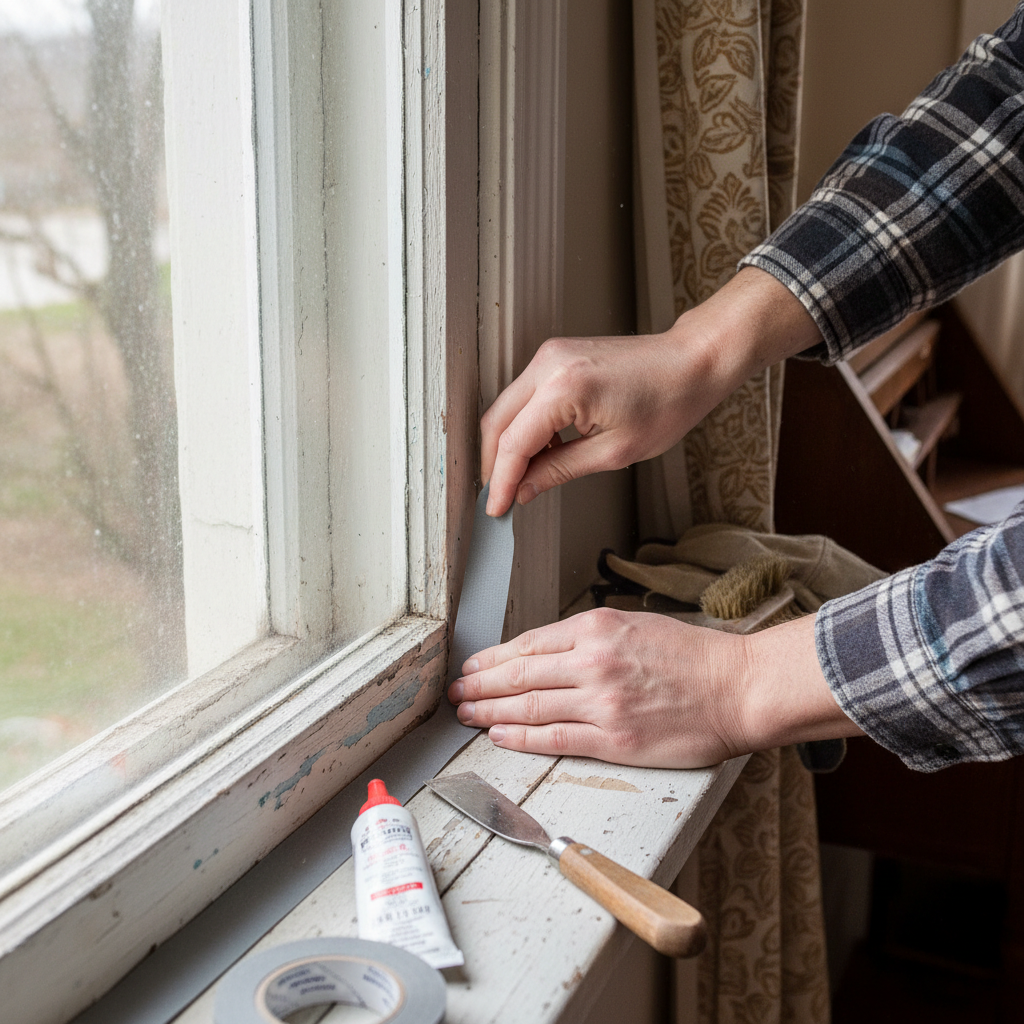
2. Seal Cracks and Gaps
Inspect your home thoroughly for cracks around windows, doors, baseboards, and walls. Use caulk, weatherstripping, or foam sealants to close these gaps, preventing outdoor dust and allergens from entering your living space. This also helps with energy efficiency, reducing drafts caused by leaks.
3. Regular and Proper Cleaning Techniques
- Dusting: Use microfiber cloths or electrostatic dusters which trap dust rather than spreading it around. Avoid feather dusters.
- Vacuuming: Vacuum carpets, rugs, and upholstered furniture at least twice a week using a vacuum with a HEPA filter to capture fine dust.
- Mopping: Hard floors should be cleaned with damp mops rather than dry sweeping which stirs up dust.
- Wash Textiles: Curtains, throw pillows, and bedding can collect dust—wash or vacuum regularly.
4. Declutter and Minimize Dust-Collecting Items
Reduce the number of knick-knacks, piles of paper, and other items that accumulate dust. Keeping surfaces clear simplifies cleaning and reduces dust traps.
5. Use Doormats and Implement Shoe-Free Zones
Place high-quality doormats at every entrance to trap dirt and dust. Encourage family members and guests to remove shoes upon entering to prevent tracking dust indoors.
6. Maintain and Clean Air Ducts
Dust and debris often accumulate in air ducts of older homes. Professional duct cleaning every few years can significantly reduce the dust redistributed by your HVAC system.
7. Replace or Repair Old Windows and Ventilation
Single-pane or damaged windows can be a source of drafts and dust infiltration. Replacing them with double-pane or well-sealed windows helps reduce dust entry and improves energy efficiency. Also, ensure kitchen and bathroom exhaust fans are working properly to vent humid air and dust.
Additional Tips to Improve Indoor Air Quality
- Houseplants: Certain indoor plants can help absorb dust and pollutants.
- Humidity Control: Use a humidifier or dehumidifier to maintain indoor humidity levels around 40-50%, which minimizes dust mite proliferation.
When to Call the Professionals
If despite your best efforts, dust problems persist, it might be time to consult with professionals. Air quality specialists can conduct thorough home assessments, mold inspections, and recommend customized solutions for your old home.
Frequently Asked Questions About Dust in Old Homes
Q1: Is excessive dust harmful to my health?
Yes, excessive dust can aggravate allergies, asthma, and respiratory conditions. Dust often contains allergens, dust mites, and microscopic particles that can irritate your airways.
Q2: How often should I change my HVAC filters?
Filters should generally be changed every 1 to 3 months, depending on usage and filter type. In older homes with higher dust levels, more frequent replacement may be necessary.
Q3: Can painting or renovating help reduce dust?
Yes, renovating to seal walls and surfaces more effectively, along with repainting to cover flaking paint, can help reduce dust sources. Opt for low-VOC paints to avoid introducing other pollutants.
Q4: Are air purifiers effective in old homes?
Yes, air purifiers with HEPA filters can significantly reduce airborne dust particles and allergens, making them a valuable addition in areas prone to dust accumulation.
Q5: What cleaning tools are best for dust control?
Microfiber cloths, vacuums with HEPA filters, and damp mops work best to trap dust instead of spreading it around.
Final Thoughts
Excessive dust in old homes is a common issue, but with the right strategies—from upgrading filtration to sealing drafts and maintaining a consistent cleaning routine—you can dramatically improve your home’s cleanliness and air quality. For detailed cleaning guidance and hygiene tips tailored to older homes, visit Apartment Therapy’s expert advice. A cleaner, healthier old home is well within your reach with a bit of effort and smart solutions.