Excessive dust in old homes can be a persistent and frustrating problem for homeowners. Because older houses often have unique architectural features and materials, dust accumulation can be more severe than in newer constructions. If you’re struggling with dust constantly settling on your furniture, floors, and belongings, understanding why it happens and how to control it can make a significant difference in your home’s comfort and air quality. In this article, we’ll explore the common causes of excessive dust in old homes and provide you with actionable, practical solutions to help reduce and manage dust effectively.
Why Do Old Homes Have More Dust?
Before diving into solutions, it’s crucial to understand why old homes tend to accumulate more dust. Some common reasons include:
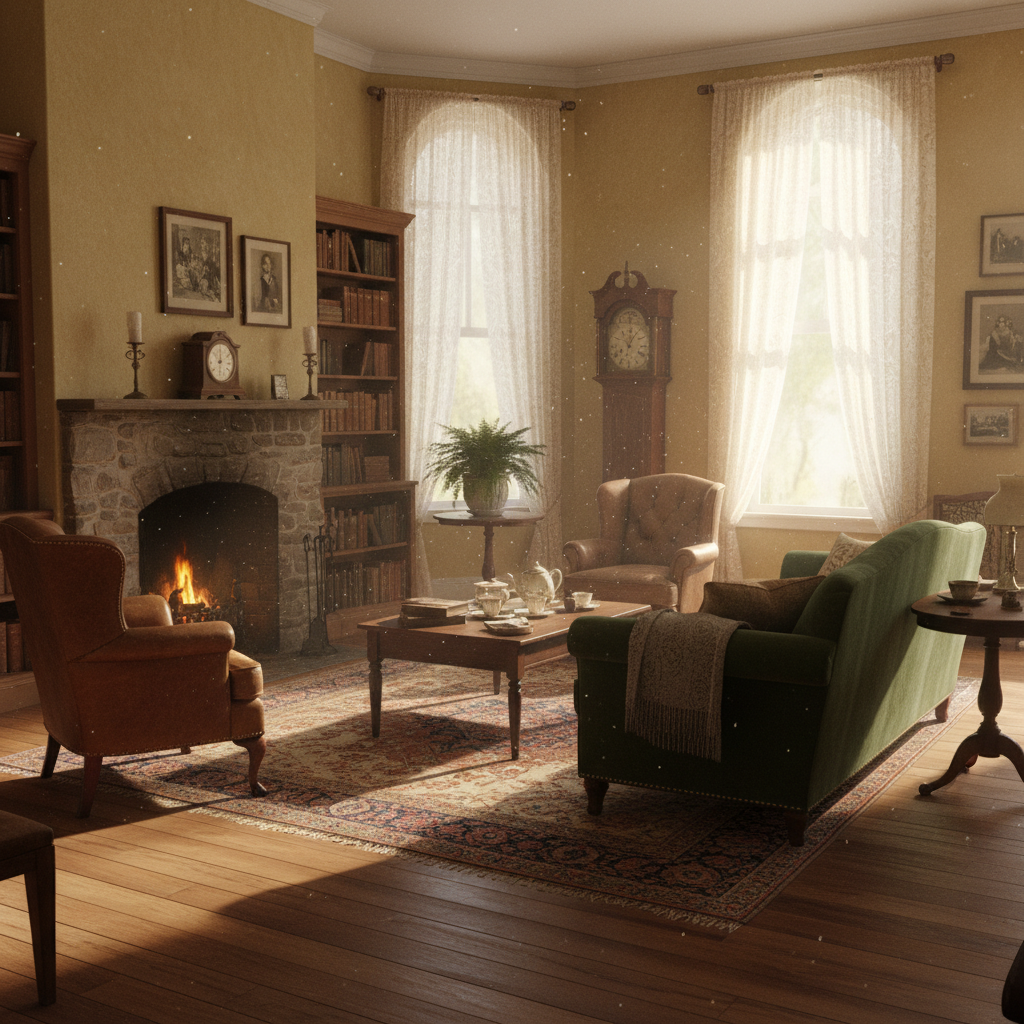
- Gaps and Cracks: Older homes may have gaps around windows, doors, baseboards, and flooring that let in dust from outside.
- Older HVAC Systems: Heating and cooling systems in old homes may not have modern air filters, allowing dust to circulate freely.
- Materials and Finishes: Original plaster walls, wood floors, and older paint can create tiny particles over time.
- Poor Ventilation: Without proper air circulation, dust can accumulate inside instead of being vented outdoors.
- Historical Renovations: Some older homes have been remodeled multiple times, which may create hidden dust reservoirs within walls or under floorboards.
Practical Solutions to Reduce Dust in Old Homes
1. Seal Gaps and Cracks
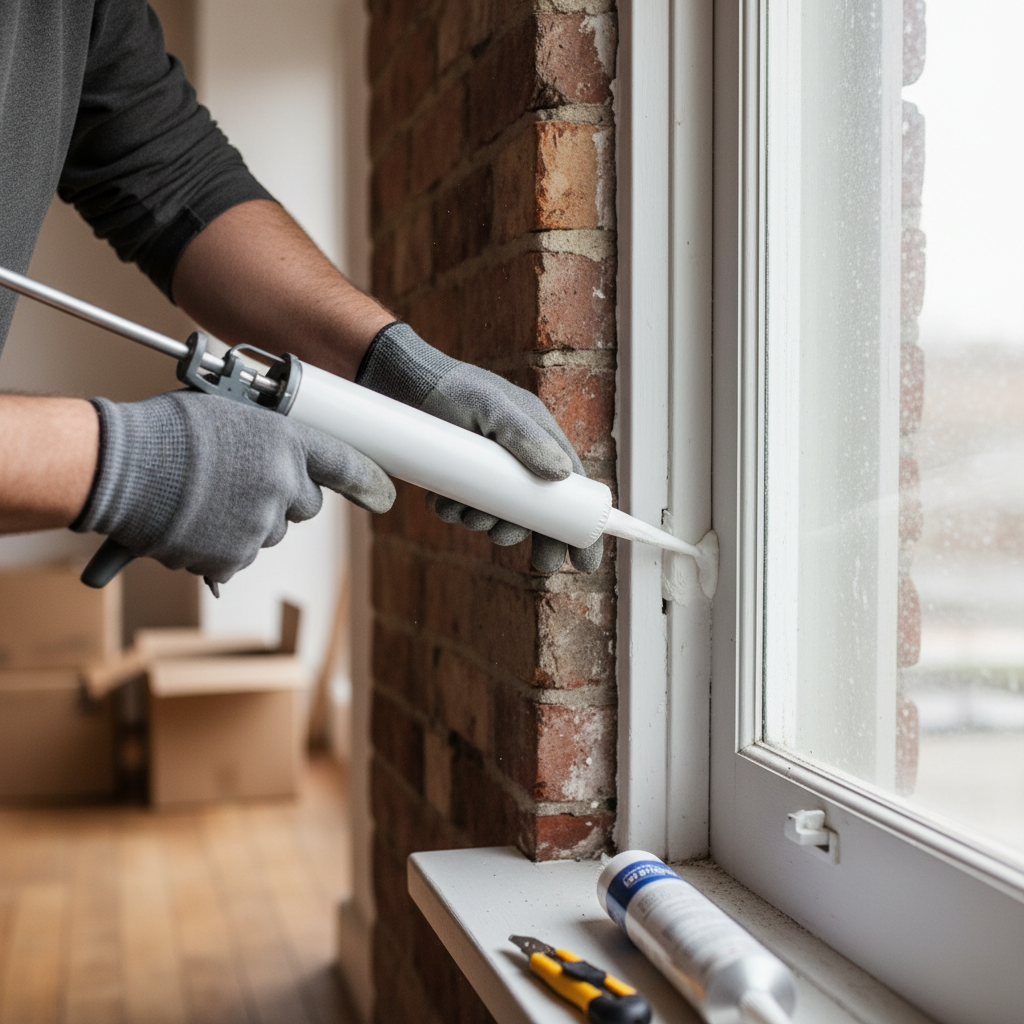
One of the first steps in reducing dust is to seal any gaps and cracks around windows, doors, and baseboards. Use weatherstripping tape, caulk, or foam sealants to close off areas where dust can enter. Pay close attention to areas where the exterior meets the interior, such as window sills and door frames.
2. Upgrade Your Air Filtration System
Older HVAC systems often lack efficient filters. Consider upgrading to a high-efficiency particulate air (HEPA) filter or an electronic air cleaner that can trap smaller dust particles. Additionally, regularly replacing or cleaning HVAC filters is critical — aim to do this every 1-3 months depending on use and dust levels.
3. Improve Ventilation
Enhancing air circulation helps prevent dust from settling. Use exhaust fans in kitchens and bathrooms, and consider installing air purifiers in key living areas. Opening windows on dry, less dusty days can also help freshen air. Additionally, ceiling fans or portable fans can circulate air more effectively, discouraging dust buildup.
4. Clean Smartly and Regularly
Regular cleaning is essential but doing it the right way makes a big difference:
- Use Microfiber Cloths: These attract and hold dust instead of just moving it around.
- Vacuum with HEPA Filters: Vacuum carpets, rugs, and upholstery regularly with a vacuum cleaner equipped with a HEPA filter to trap fine dust.
- Wet Mop Floors: Dry dusting can stir dust into the air; wet mopping removes dust more effectively, especially on hardwood or tile floors.
- Don’t Forget Hidden Spots: Dust baseboards, vents, ceiling fans, and behind furniture where dust tends to collect unnoticed.
5. Replace or Maintain Window Treatments
Old curtains and blinds can trap dust. Regularly launder curtains or opt for washable window treatments like roller shades that are easier to clean. For blinds, use a vacuum attachment or a damp cloth to remove dust buildup.
6. Use Doormats and Encourage Shoe Removal
Prevent dust and dirt from entering your home by placing durable doormats at every entrance. Encourage family members and guests to remove shoes upon entering to limit the transfer of dust and dirt indoors.
7. Consider Flooring Upgrades Where Possible
Some old homes have carpet layers that hold dust tightly. If feasible, replacing carpets with hardwood or tile floors can reduce dust buildup. Area rugs can still be used but opt for washable ones that are cleaned frequently.
8. Manage Humidity Levels
Maintaining indoor humidity between 40-50% helps reduce dust mites and allergens. Use a dehumidifier in damp areas like basements to minimize moisture that can contribute to dust and mold growth.
When to Seek Professional Help
If excessive dust persists despite your best efforts, it may be beneficial to hire a professional home inspector to check for hidden issues such as:
- Mold or mildew behind walls
- Inadequate insulation or ventilation system problems
- Chimney or fireplace soot buildup
In some cases, major restoration or HVAC upgrades may be necessary to fully resolve dust issues in an old home.
Additional Tips for Long-Term Dust Control
- Declutter: The more items and surfaces you have, the more dust can settle on them. Minimizing clutter makes cleaning easier.
- Protect Bedding and Upholstery: Use allergen-proof covers on pillows and mattresses to keep dust mites at bay.
- Regularly Inspect Attic and Basement: These areas can harbor dust and debris; keeping them clean helps overall dust management.
FAQ: Excessive Dust in Old Homes
Q1: Is excessive dust harmful to my health?
A: Yes, excessive dust can aggravate allergies, asthma, and respiratory conditions. Dust often contains allergens, pet dander, pollen, and even mold spores that can impact your indoor air quality.
Q2: How often should I clean to keep dust under control?
A: For old homes prone to dust, aim to dust key surfaces weekly, vacuum floors and rugs 1-2 times per week, and wet mop floors at least once a week.
Q3: Can air purifiers completely eliminate dust?
A: While air purifiers with HEPA filters can significantly reduce airborne dust, they should complement regular cleaning and maintenance, not replace these practices.
Q4: Why does dust keep appearing soon after cleaning?
A: Dust can come from various sources, including outdoor air, pet dander, and fabric fibers. Also, dust hidden in vents or upholstery can resurface. Sealing gaps and improving filtration are important to reduce the dust cycle.
Conclusion
Excessive dust in old homes presents a unique challenge, but with the right combination of sealing, filtration, ventilation, and smart cleaning, it’s possible to create a more comfortable, cleaner living environment. Regular maintenance paired with targeted improvements can reduce dust dramatically, preserving the historic charm of your old home without sacrificing indoor air quality. For more expert advice on home cleaning and maintenance, check out resources like Good Housekeeping’s dust control guide, which offers additional tips and tricks for keeping your home fresh and dust-free.