Excessive dust in old homes is a common issue that can affect the quality of life and overall hygiene. Older houses often accumulate more dust due to their age, construction materials, and lack of modern ventilation systems. If you’re struggling with constant dust buildup, understanding the causes and implementing targeted solutions can significantly improve your indoor environment. This comprehensive guide will explore why dust tends to accumulate in older homes and provide effective strategies to reduce dust and keep your home cleaner and healthier.
Why Is There More Dust in Old Homes?
Several factors contribute to excessive dust in older houses:
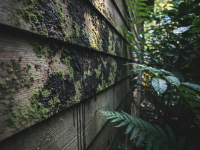
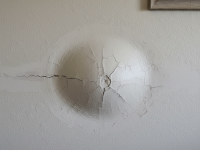
- Wear and Tear of Building Materials: Over time, paint chips, plaster, and wooden surfaces deteriorate, creating fine particulate matter that adds to dust accumulation.
- Older HVAC Systems: Many old homes have outdated or inefficient heating, ventilation, and air conditioning systems without effective air filters, allowing dust to circulate freely.
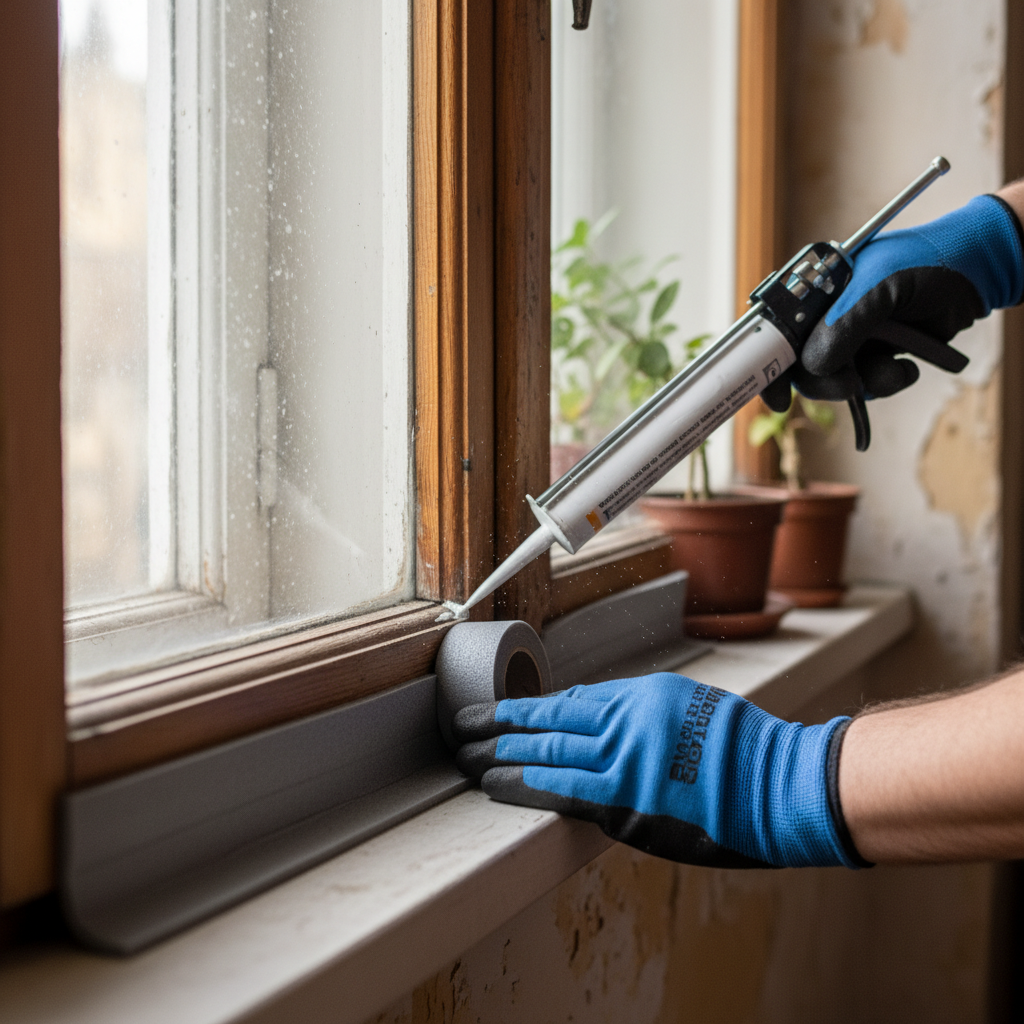
- Poor Sealing and Insulation: Gaps in windows, doors, and walls invite dust from outside and settle inside your home.
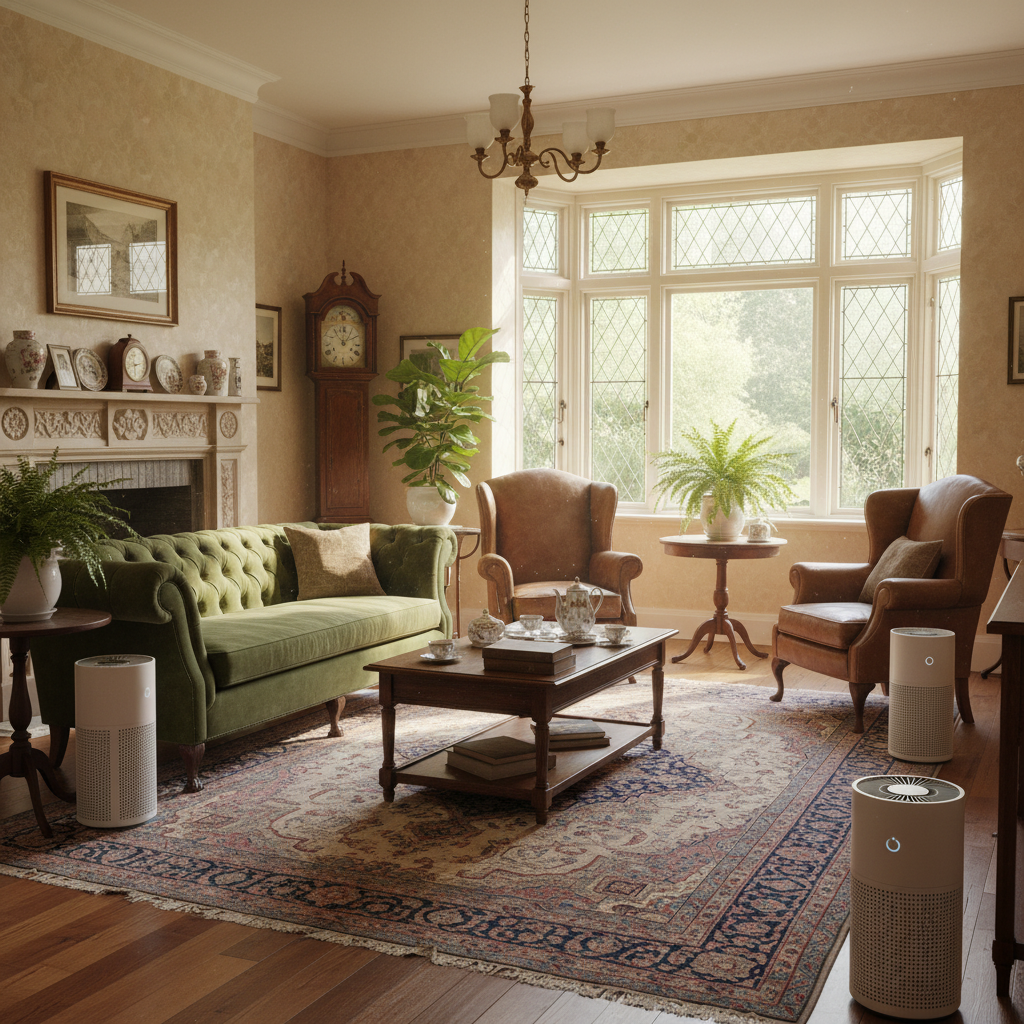
- Textiles and Upholstery: Older furniture, carpets, and curtains trap dust and contribute to indoor allergens.
Effective Solutions to Reduce Dust in Old Homes
1. Upgrade Your HVAC System and Air Filters
Replacing or maintaining your HVAC system is crucial. Install high-efficiency particulate air (HEPA) filters specifically designed to trap dust particles. Clean or replace filters regularly to ensure optimal performance. Consider adding air purifiers in rooms where dust accumulates most, which can significantly improve air quality.
2. Seal Gaps and Improve Insulation
Inspect your home for cracks around windows, doors, and in the foundation. Use weatherstripping, caulk, or foam sealants to close these gaps, preventing dust from entering. Upgrading insulation not only helps with energy efficiency but also reduces dust infiltration.
3. Regular and Strategic Cleaning Techniques
- Dusting: Use microfiber cloths or electrostatic dusters that effectively capture dust rather than spreading it around.
- Vacuuming: Use vacuum cleaners equipped with HEPA filters and vacuum frequently, especially carpets and upholstered furniture.
- Mopping: After vacuuming, mop floors to pick up residual dust particles.
- Minimize Clutter: Keep surfaces clear so dust doesn’t settle easily.
4. Replace or Deep Clean Textiles
Old curtains, rugs, and upholstered furniture harbor a large amount of dust and allergens. Consider replacing worn fabrics with easy-to-clean materials or regularly washing and deep cleaning them to reduce dust buildup.
5. Use Dust-Reducing Flooring Options
Hard flooring surfaces like hardwood, laminate, or tile don’t trap dust like carpets do. When restoring or renovating, opt for these flooring types if possible, and keep them clean with damp mopping.
6. Incorporate Indoor Plants Strategically
Certain indoor plants can help improve air quality. Plants such as spider plants and peace lilies can naturally filter dust particles. Be mindful to keep plant areas clean to avoid mold buildup.
7. Ventilate and Control Humidity Levels
Good ventilation helps reduce indoor dust concentration. Open windows when weather permits and use exhaust fans in kitchens and bathrooms. Maintaining indoor humidity between 40-50% prevents dust from becoming airborne excessively and alleviates allergy symptoms.
Why Professional Assessment Could Be Worth It
If dust problems persist despite your efforts, professional home inspectors or indoor air quality specialists can identify hidden sources of dust and suggest advanced solutions such as duct cleaning, mold remediation, or replacement of old building materials. According to Good Housekeeping, professional duct cleaning can remove dust and allergens trapped deep within HVAC systems.
Frequently Asked Questions About Dust in Old Homes
Q: How often should I clean to control dust in an old home?
A: Ideally, dust major surfaces at least once a week and vacuum carpets and rugs twice weekly. High-traffic areas may require more frequent cleaning.
Q: Can painting old walls help reduce dust?
A: Yes, applying fresh paint can seal porous surfaces and prevent crumbling plaster from contributing to dust, but it should be part of a broader dust management strategy.
Q: Are air purifiers effective against dust?
A: Air purifiers with HEPA filters are highly effective in capturing airborne dust particles and allergens, improving indoor air quality significantly.
Q: What household habits increase dust in older homes?
A: Smoking indoors, using open wood fireplaces, and keeping windows open during windy days can increase dust accumulation.
Q: Is mold related to dust problems?
A: Mold growth can contribute to dust and allergens. It thrives in damp areas, so controlling humidity also helps reduce both mold and dust.
Conclusion
Managing excessive dust in old homes requires a combination of cleaning practices, home improvements, and sometimes professional help. By upgrading air filtration, sealing gaps, refreshing textiles, and maintaining proper ventilation, you can greatly reduce dust buildup and enjoy a healthier, cleaner living space. Taking proactive measures not only enhances comfort but also benefits your long-term health.