How to Beat Excessive Dust in Old Homes: Effective Solutions for a Cleaner, Healthier Living Space
If you live in an old home, dealing with excessive dust can feel like a never-ending battle. Dust not only makes your space look untidy but can also trigger allergies and impact indoor air quality. Fortunately, there are proven strategies to minimize dust accumulation, keep your home cleaner, and protect your family’s health. In this article, we’ll explore why old homes are prone to dust buildup and share practical solutions that actually work.
Why Is There Excessive Dust in Old Homes?
Old homes often accumulate more dust for several key reasons:

- Older Construction Materials: Aging plaster, outdated insulation, and crumbling paint can release particulate matter into the air.
- Gaps and Cracks: Worn window seals, damaged door frames, and crevices in floors and walls allow dust and outdoor dirt to enter more easily.
- Outdated HVAC Systems: Older heating, ventilation, and air conditioning units might not have effective air filters or ducts that need cleaning.
- Historical Features: Original wooden floors, fabric drapes, and older furniture can harbor dust mites and fibers that contribute to dust buildup.
Effective Solutions to Control Dust in Your Old Home
1. Seal Cracks and Gaps
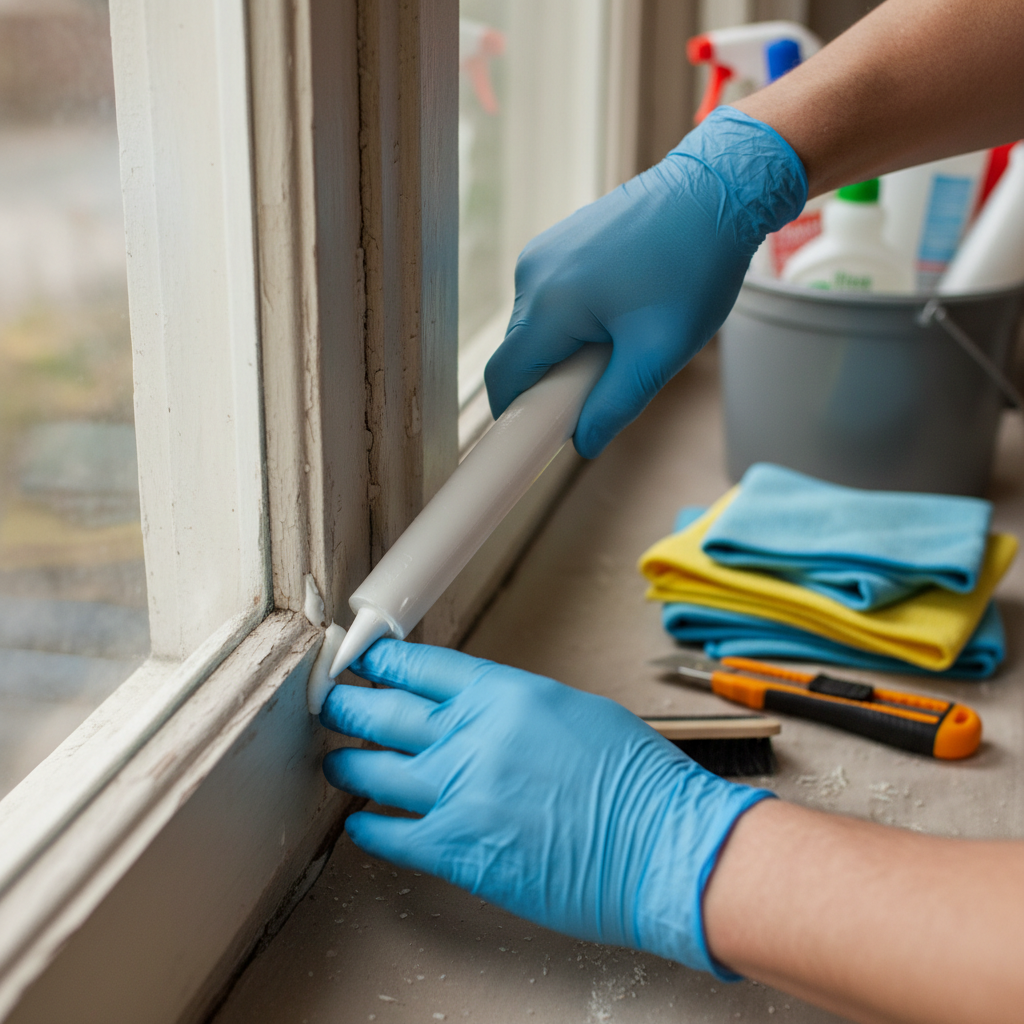
Start by inspecting your home for any openings where dust can enter. Use weatherstripping around windows and doors, caulk any cracks in walls or baseboards, and seal gaps around pipes and vents. This simple step significantly reduces the infiltration of dust and outside dirt.
2. Upgrade Your HVAC System and Air Filters
Modernizing your heating and cooling system helps trap dust before it circulates inside. Replace old filters with high-efficiency particulate air (HEPA) filters, which remove a higher percentage of dust particles. Additionally, consider getting your ducts professionally cleaned to eliminate trapped dust and debris.
3. Adopt a Regular Cleaning Routine
Consistent cleaning is your frontline defense against dust buildup. Use microfiber cloths and mops to trap dust instead of spreading it around. Here are some tips:
- Dust surfaces with a damp cloth once or twice a week.
- Vacuum carpets and rugs at least twice a week using a vacuum with a HEPA filter.
- Wash bedding, curtains, and cushions frequently to remove dust mites.
4. Use Air Purifiers for Cleaner Indoor Air
High-quality air purifiers equipped with HEPA filters can dramatically reduce airborne dust particles. Place them in commonly used rooms such as the living room and bedrooms to maintain healthy air quality.
5. Manage Textile and Fabric Surfaces
Fabrics such as heavy curtains, upholstered furniture, and old rugs trap dust mites and fibers. Periodically launder or steam clean textiles and consider replacing heavy curtains with washable and lighter alternatives. Minimizing clutter on surfaces also reduces dust collection zones.
6. Maintain Flooring to Control Dust
Hardwood and tile floors gather less dust than carpets and area rugs. In old homes with original wooden floors, make sure to seal and refinish them to prevent splinters and dust from breaking off. Area rugs should be vacuumed regularly, or you can switch to easily washable floor mats.
Additional Tips for Dust Control in Old Homes
- Keep windows closed on windy days or during high pollen seasons to prevent outdoor dust from entering.
- Limit indoor smoking and pet dander which contribute to particulate buildup.
- Minimize clutter and store items in closed cabinets to avoid dust accumulation.
Frequently Asked Questions (FAQs)
Why does dust seem worse in old houses compared to new builds?
Old houses often have more gaps, older materials that shed particles, and less efficient HVAC systems, all contributing to higher dust levels.
Can renovating an old home help reduce dust?
Yes. Updating insulation, sealing cracks, refreshing flooring, and modernizing HVAC systems play a significant role in minimizing dust.
Are there health risks related to excessive dust in old homes?
Excessive dust can trigger allergic reactions, worsen asthma, and degrade overall indoor air quality. Addressing dust concerns improves comfort and health.
What type of vacuum cleaner should I use to reduce dust?
Using a vacuum cleaner equipped with a HEPA filter is ideal because it traps fine dust particles instead of releasing them back into the air.
Final Thoughts
Living in an old home comes with unique charms but managing excessive dust requires some dedication. By sealing entry points, upgrading your HVAC system, maintaining a rigorous cleaning regimen, and using air purifiers, you can significantly reduce dust and enjoy a healthier home environment. For expert cleaning tips and routines, you can also visit sites like Good Housekeeping’s guide to dust control.