Understanding the Enemy: What Are Scuff Marks?
Before you dive into cleaning, it’s helpful to understand what a scuff mark actually is and why some are so much harder to remove than others. A scuff mark typically occurs when an object rubs against your wall with sufficient force, leaving behind a residue or superficial abrasion. The nature of the mark depends on several factors:
- The Material of the Object: Rubber soles, plastic toys, metal corners, and certain types of wood can all leave distinct marks. Rubber, for instance, often leaves dark, smeary streaks.
- The Force of Impact: A light brush might leave a faint, easily erasable mark, while a heavy impact can embed material deeply into the paint or even subtly abrade the wall’s surface.
- The Type of Paint: This is crucial. Flat or matte paints are more porous and absorbent, making them more susceptible to staining and harder to clean without removing paint. Eggshell, satin, semi-gloss, and gloss paints are progressively more durable, less porous, and easier to wipe clean, but can still show stubborn scuffs.
- The Age of the Mark: Fresher marks are generally easier to remove than those that have had time to “set” or bond with the paint surface.
Knowing these factors will help you choose the most effective cleaning strategy without inadvertently damaging your wall further.
Preparation is Paramount: Before You Begin Cleaning
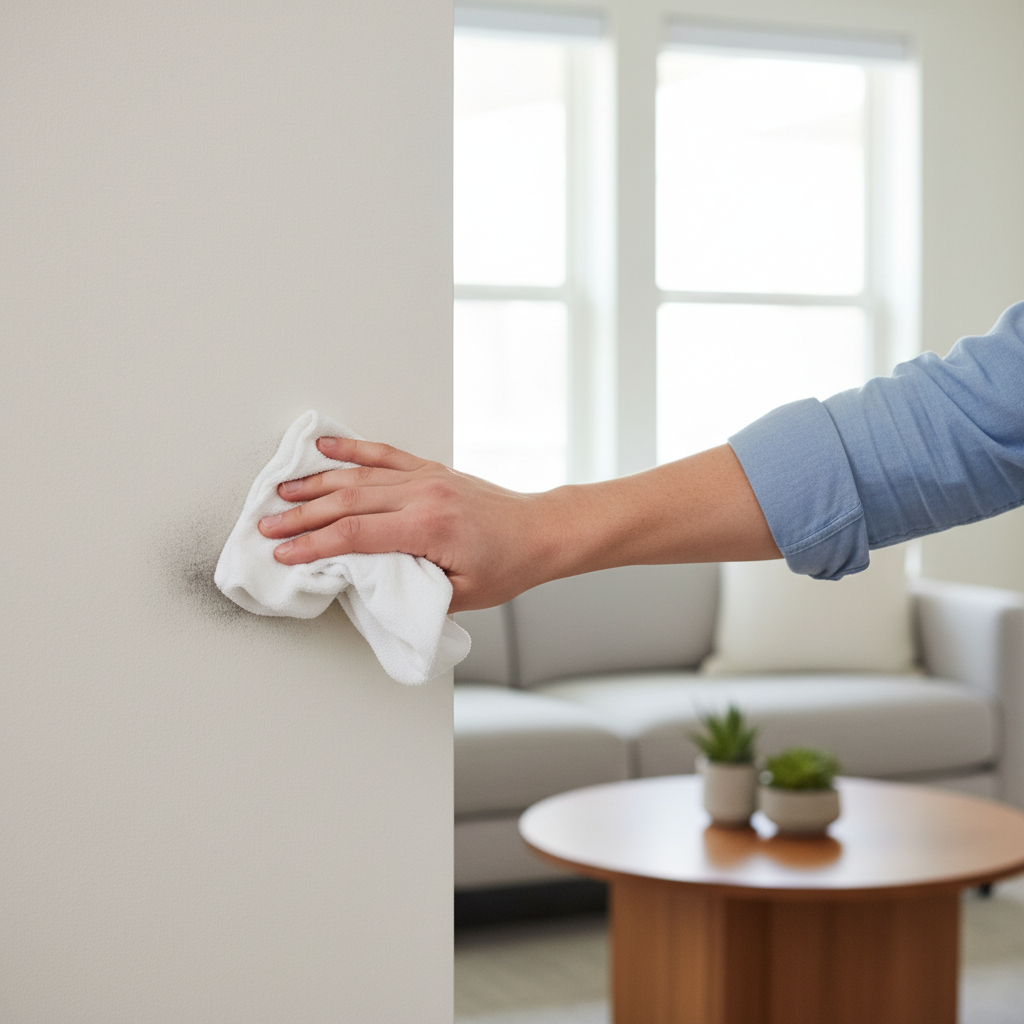
Rushing into cleaning without proper preparation can lead to more damage than good. Take a few moments to set yourself up for success:
Identify Your Wall Paint Type
Different paint finishes react differently to cleaning agents. Flat and matte paints are notorious for showing water marks or paint removal if scrubbed too aggressively. Semi-gloss and gloss paints are more robust. If you’re unsure, try to recall what type of paint you used or observe the sheen (or lack thereof) on your wall. This knowledge will guide your choice of cleaning method.
Always Test in an Inconspicuous Area
This cannot be stressed enough. Before applying any cleaner or technique to the visible scuff mark, test it on a hidden spot – behind a door, inside a closet, or behind a large piece of furniture. This will confirm that the cleaner won’t damage the paint finish, cause discoloration, or leave an undesirable sheen.
Gather Your Cleaning Arsenal
Having all your tools ready will make the process smoother. Here’s a list of items you might need, from gentle to more aggressive:
- Soft, clean microfiber cloths
- Warm water
- Mild dish soap
- White art eraser (not a pencil eraser, as it might leave pink marks)
- Baking soda
- White, non-gel toothpaste
- Melamine foam eraser (e.g., Magic Eraser)
- Rubbing alcohol (isopropyl alcohol)
- WD-40
- Non-acetone nail polish remover
- Fine-grit sandpaper (220-grit or higher)
- Touch-up paint (if available and matching)
- Bucket or spray bottle
- Gloves and good ventilation
The First Line of Defense: Gentle Cleaning Methods
Always start with the least aggressive method and work your way up. You might be surprised at what a little patience and a gentle touch can accomplish.
1. The Humble White Art Eraser
For light scuff marks, especially those from shoes or soft rubber, a clean white art eraser can be incredibly effective. Gently rub the eraser over the mark, just as you would erase a pencil line. The eraser material lifts the scuff without abrasive chemicals. Wipe away any eraser residue with a clean, dry cloth. Ensure the eraser is clean to avoid transferring dirt.
2. Warm Water and Mild Soap Solution
For slightly more persistent marks, a solution of warm water and a few drops of mild dish soap can work wonders. Dampen a clean microfiber cloth with the solution (do not saturate) and gently wipe the scuff mark. Avoid scrubbing vigorously, especially on flat or matte paints, as this can leave a shiny spot or remove paint. Rinse the area with a clean, damp cloth and then dry thoroughly with another clean, dry cloth to prevent water marks.
3. Baking Soda Paste: A Gentle Abrasive
Baking soda is a mild abrasive that can help lift scuff marks without damaging most paints. Mix a small amount of baking soda with a few drops of water to form a thick paste. Apply the paste directly to the scuff mark with a soft cloth or sponge. Gently rub the area in small circular motions. Once the mark is gone, wipe away the paste with a clean, damp cloth and dry the area. This method is particularly good for light-colored marks or surface grime.
4. White, Non-Gel Toothpaste
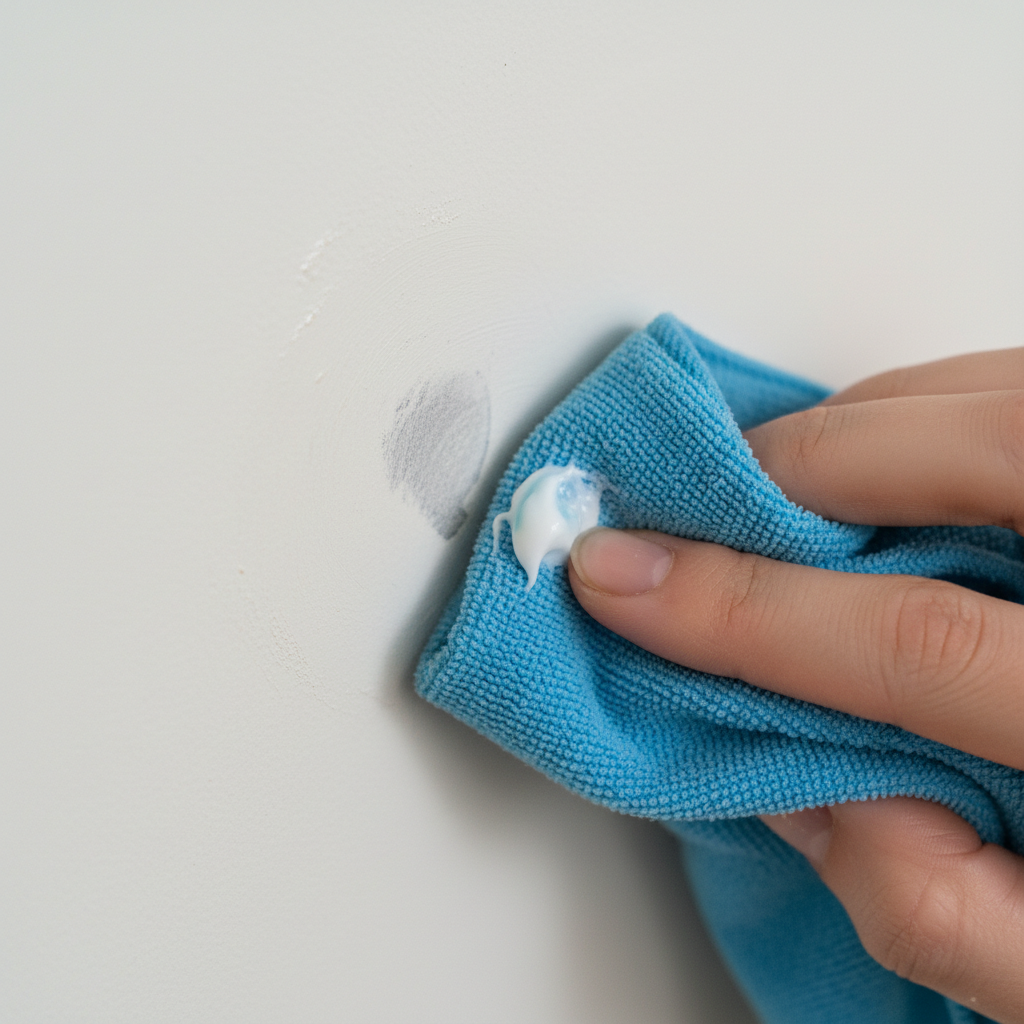
Similar to baking soda, white toothpaste (ensure it’s not a gel variety and doesn’t contain whitening agents with harsh abrasives) can act as a very mild abrasive. Apply a small dab to the scuff mark and gently rub with a clean, soft cloth. Wipe clean with a damp cloth and dry. This can be surprisingly effective on darker, rubbery scuffs.
Tackling Stubborn Scuff Marks: When Gentle Isn’t Enough
When the initial, gentle approaches fail, it’s time to bring out the slightly stronger solutions. Always remember to test these in an inconspicuous area first.
5. The Power of a Melamine Foam Eraser (e.g., Magic Eraser)
Melamine foam erasers are often hailed as “magic” for a reason. Their microscopic abrasive fibers work like super-fine sandpaper, lifting marks from surfaces. Dampen the eraser slightly and gently rub it over the scuff mark. You’ll often see the scuff transfer to the eraser.
Important Caution: While incredibly effective, these erasers are abrasive. On flat or matte paints, they can remove paint, leave a shiny spot, or even create a lighter patch. Use them sparingly, with very light pressure, and always test first. If used too aggressively, especially on darker paints, they can permanently alter the finish. They are generally safer on semi-gloss or gloss finishes.
6. Rubbing Alcohol (Isopropyl Alcohol)
Rubbing alcohol can be very effective for removing ink, crayon, or some rubber-based scuffs. Dampen a cotton ball or a clean cloth with rubbing alcohol and gently dab or wipe the scuff mark. Avoid rubbing vigorously, as alcohol can strip some paint finishes or cause discoloration, especially on older or less durable paints. Wipe with a clean, damp cloth afterward and dry the area quickly.
7. WD-40
Surprising to some, WD-40 can be useful for certain types of scuff marks, particularly those caused by grease, tar, or some forms of rubber. Spray a small amount onto a clean cloth (not directly onto the wall) and gently wipe the scuff. WD-40 works by lubricating and dissolving the mark. After the scuff is gone, clean the area with your mild soap and water solution to remove any oily residue, then dry thoroughly. Use with caution and ensure good ventilation.
8. Non-Acetone Nail Polish Remover (Use with Extreme Caution)
For very tough, dark, or sticky scuff marks that absolutely refuse to budge, non-acetone nail polish remover can be a last resort among household chemicals. Acetone is much harsher and will almost certainly damage your paint. Even non-acetone varieties can be aggressive.
Extreme Caution: Apply a tiny amount to a cotton swab and dab (do not rub) the scuff. Work quickly and in a very small area. Immediately follow with a clean, damp cloth to wipe away any residue, then dry. This method carries a high risk of damaging paint, so use it only if all other options have failed and you’re prepared for a potential touch-up or repaint.
Advanced Techniques for When All Else Fails
If chemical cleaners and gentle abrasives aren’t doing the trick, you might be dealing with a mark that has physically altered the paint surface, or deeply embedded material. At this point, you’re looking at repair rather than just cleaning.
9. Light Sanding and Touch-Up Painting
If the scuff mark is a surface abrasion that has damaged the top layer of paint, or if it’s deeply embedded, a very light sanding might be necessary. Use a super-fine grit sandpaper (220-grit or higher) and gently sand the affected area in small, circular motions. The goal is to smooth out the abrasion or remove the embedded material without creating a noticeable dip in the wall. Feather the edges so the transition is smooth.
Once sanded, clean the dust from the area. If you have leftover wall paint that matches perfectly, you can then touch up the spot. Apply paint sparingly with a small brush or foam roller, feathering the edges. Be aware that even perfectly matched paint can look slightly different when applied as a touch-up, especially on older walls where paint has faded.
10. Repainting the Entire Wall or Section
Sometimes, despite your best efforts, a scuff mark is simply too stubborn, too large, or has caused too much damage to be cleaned or touched up invisibly. In such cases, the most effective (and sometimes only) solution is to repaint the entire wall or a defined section of it. This ensures a uniform finish and completely eradicates the persistent mark. It’s often less noticeable to repaint a whole wall than to have multiple touch-up spots.
Prevention: Avoiding Future Scuff Marks
An ounce of prevention is worth a pound of cure, especially when it comes to keeping your walls pristine. Consider these tips to minimize future scuff mark woes:
- Furniture Pads: Apply felt pads or rubber stoppers to the backs of furniture that rest against walls, especially items that get moved frequently.
- Chair Rails and Wainscoting: Install decorative chair rails or wainscoting in high-traffic areas or dining rooms. These architectural features not only add character but also act as a protective barrier against furniture bumps.
- Durable Paint Finishes: When repainting, consider using more durable, washable paint finishes like eggshell, satin, or semi-gloss in areas prone to scuffs (e.g., hallways, kids’ rooms, mudrooms). These finishes are much easier to clean.
- Regular Cleaning: Dusting and light cleaning can help prevent dirt and grime from building up and potentially causing or exacerbating scuff marks.
- Mindful Moving: When moving furniture, use furniture sliders and enlist help to lift rather than drag items. Protect walls with moving blankets or cardboard.
- Kid-Proofing: In children’s play areas, consider washable wall coverings, wipeable murals, or even chalk paint sections to embrace creativity without damaging main walls.
When to Call a Professional
While many scuff marks can be handled with DIY methods, there are situations where calling a professional cleaner or painter is the best course of action:
- Extensive Damage: If scuff marks are numerous, very deep, or cover a large area, professional repair and repainting might be more cost-effective and yield better results.
- Delicate Surfaces: For historic homes, walls with intricate finishes, or delicate wallpapers, professional expertise is essential to avoid irreparable damage.
- Uncertainty: If you’re unsure about the type of paint, the nature of the scuff, or the safety of certain cleaning agents, a professional can offer expert advice and service.
Safety First: Important Precautions
When working with cleaning products, even household ones, safety should always be your top priority. Ensure good ventilation by opening windows and doors, especially when using alcohol or WD-40. Wear gloves to protect your skin from chemicals and excessive moisture. Never mix different cleaning products unless specifically instructed to do so, as this can create dangerous fumes or ineffective solutions. Always keep products out of reach of children and pets. For more comprehensive guidelines on safe cleaning practices, the experts at Good Housekeeping offer valuable insights into ensuring your cleaning endeavors are both effective and safe.
Frequently Asked Questions About Stubborn Wall Scuff Marks
Q: Can scuff marks permanently damage walls?
A: Yes, very deep or highly pigmented scuff marks can embed into the paint, leaving a permanent stain or abrasion that cannot be removed without affecting the paint layer. In such cases, touch-up painting or repainting may be necessary.
Q: Are melamine foam erasers (like Magic Erasers) safe for all paint types?
A: No. While effective, they are abrasive. They are generally safer on durable finishes like semi-gloss or gloss. On flat or matte paints, they can remove paint, create shiny spots, or leave a discolored area. Always test in an inconspicuous spot and use with very light pressure.
Q: How do I know if I need to repaint instead of just cleaning?
A: If a scuff mark persists after trying multiple gentle and moderate cleaning methods, or if cleaning attempts have damaged the paint finish (e.g., removed paint, created a shiny spot on a matte wall), then repainting the area or the entire wall is usually the best solution for a uniform look.
Q: What’s the best paint finish to prevent scuffs in high-traffic areas?
A: Satin or semi-gloss paint finishes are generally recommended for high-traffic areas. They are more durable, less porous, and significantly easier to clean than flat or matte paints, making them more resistant to scuff marks and stains.
Q: How long should I wait after cleaning before attempting to touch up paint?
A: After cleaning, ensure the wall surface is completely dry before applying any touch-up paint. Depending on the amount of moisture used, this could take anywhere from a few hours to a full day. Painting over a damp surface can lead to poor adhesion and an uneven finish.
Conclusion
Finding scuff marks on walls that won’t clean can be a real headache, but with the right approach and a little patience, most can be effectively banished. By understanding the nature of the mark, testing cleaning methods, and working your way up from gentle to more robust solutions, you can restore your walls to their original beauty. And remember, proactive prevention goes a long way in keeping your home looking its best. So, arm yourself with these tips, and say goodbye to those stubborn wall scuffs for good!