What is Gutter Sagging and Why is it a Problem?
Gutter sagging refers to sections of your gutter system that have lost their original pitch or support, causing them to droop downwards. Instead of maintaining a consistent, gentle slope towards the downspouts, these sections form troughs where water can collect. When these troughs fill with water, especially during heavy rainfall, the gutters become overloaded, and the water spills over the sides – an event known as gutter overflow.
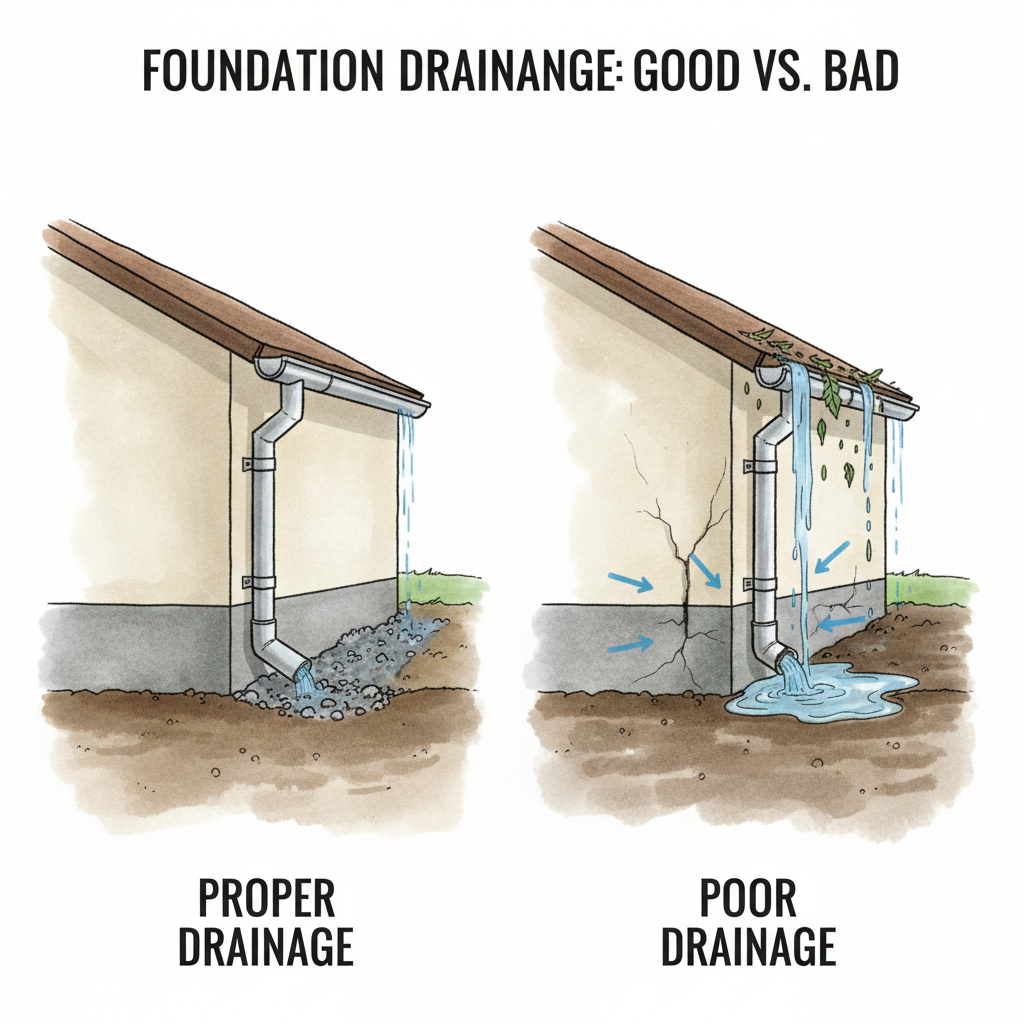
The core problem isn’t just the water itself, but where it goes. Properly functioning gutters direct thousands of gallons of water away from your home’s delicate foundation and exterior. When they sag and overflow, this protective barrier fails, exposing vulnerable areas to excessive moisture.
The Immediate and Long-Term Consequences of Overflowing Gutters:
- Foundation Damage: Water pooling near the foundation can saturate the soil, leading to hydrostatic pressure that pushes against basement walls, potentially causing cracks, leaks, and even structural instability over time.
- Basement and Crawl Space Flooding: If water seeps through foundation cracks, it can lead to costly flooding, mold growth, and damage to stored items.
- Fascia and Soffit Rot: The fascia board, which runs behind the gutters, is often the first structural element to suffer. Constant saturation from overflowing water will cause it to rot, weakening the attachment points for the gutters and inviting pests. Soffits can also be damaged, compromising attic ventilation.
- Landscape Erosion: The forceful overflow of water directly onto garden beds or lawns can wash away topsoil, damage plants, and create unsightly trenches or muddy areas.
- Pest Infestations: Rotting wood, standing water, and damp soil create ideal breeding grounds for mosquitoes, termites, carpenter ants, and other unwanted pests.
- Mold and Mildew Growth: Persistent dampness on exterior walls, in basements, or in crawl spaces encourages the growth of mold and mildew, which can pose health risks and degrade indoor air quality.
Identifying Sagging Gutters and Overflow: Warning Signs
Catching gutter problems early can save you significant time and money. Here are the key indicators to look for:
- Visible Drooping: The most obvious sign is a section of gutter that is visibly lower than the adjacent sections or appears to be pulling away from the fascia. Use your eye to sight down the length of the gutter; it should have a continuous, gentle slope.
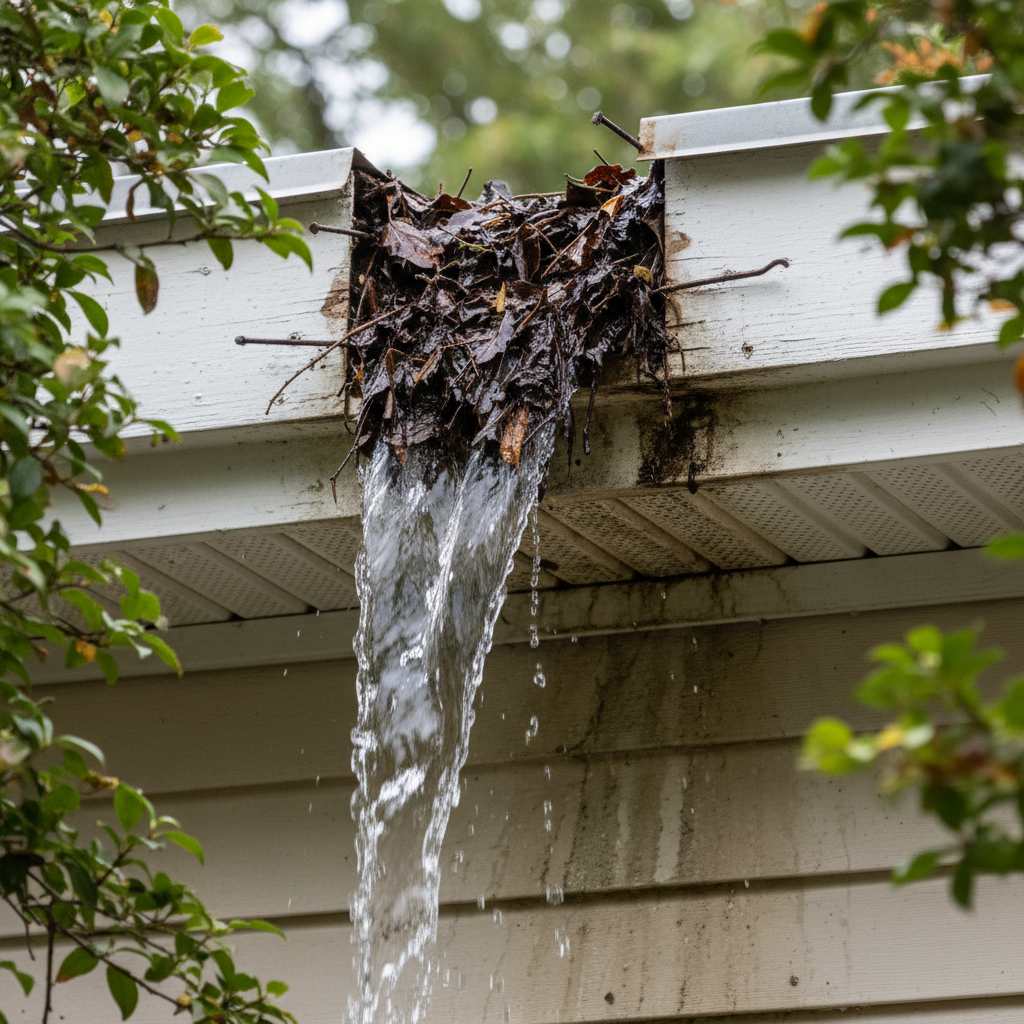
- Water Spilling Over Edges: During or immediately after rainfall, observe your gutters. If water is cascading over the sides instead of flowing neatly into the downspouts, you have an overflow issue.
- Water Stains on Fascia or Siding: Streaks or discoloration on the fascia board, siding, or even the foundation directly below the gutter line are clear indicators that water is regularly overflowing.
- Erosion or Trenches Around Foundation: Look for areas where soil has been washed away, creating miniature trenches, or where mulch has been displaced around the base of your home.
- Pooling Water Near Foundation: After rain, if puddles form directly adjacent to your home’s foundation, it signifies that water is not being diverted far enough away.
- Dripping Sounds: Listen for persistent dripping sounds from sections of your gutters long after the rain has stopped, indicating trapped water.
- Gaps Between Gutters and Fascia: If you can see light or a noticeable gap between the back of the gutter and the fascia board, the hangers may be failing or the fascia itself could be compromised.
Common Causes of Gutter Sagging
Understanding what causes gutters to sag is the first step toward effective repair and prevention.
1. Clogs and Debris Buildup
This is arguably the most common culprit. Leaves, twigs, shingle grit, and other debris accumulate inside the gutters and downspouts. When rain falls, this debris acts like a sponge, soaking up water and increasing the overall weight within the gutter. This excessive weight, combined with the weight of standing water, puts immense strain on the hangers and fasteners, causing the gutter to pull away from the fascia and sag. Over time, the constant strain can permanently deform the gutter or break its supports.
2. Improper Installation or Pitch
Gutters need a slight, continuous slope (typically 1/4 inch per 10 feet) towards the downspouts to allow gravity to do its work. If the gutters were installed with an insufficient pitch, or if sections are pitched incorrectly, water will sit and pool instead of draining. This standing water contributes to weight issues and can even freeze in colder climates, exacerbating the problem.
3. Damaged or Worn Hangers/Fasteners
Gutter hangers are the hardware that attaches the gutter to the fascia board. Over time, these hangers can become rusty, loose, bent, or break entirely due to age, weather exposure, or excessive weight. If the screws or nails holding the hangers into the fascia are loose or have corroded, the gutter will lose its support and begin to sag.
4. Poor Gutter Material or Gauge
While often more expensive upfront, choosing durable gutter materials and an appropriate gauge (thickness) can prevent sagging. Thinner, cheaper materials (like some vinyl gutters) may be more prone to bending and warping under the weight of water, snow, or debris. Seamless gutters generally offer better rigidity than sectional gutters, which have multiple joints that can weaken over time.
5. Ice Dams and Heavy Snow
In regions with cold winters, heavy snow and ice dams can be significant contributors to gutter damage. Ice dams form when melting snow on the roof refreezes at the colder eaves, creating a barrier that traps more water. This ice and snow accumulation can add tremendous weight to gutters, often exceeding their design capacity, leading to severe sagging, detachment, and even bending of the gutter material itself.
6. Deteriorated Fascia Board
The fascia board is the flat board running horizontally along the edge of your roof, just below the roofline, to which the gutters are attached. If the fascia board itself is rotted or water-damaged (often due to previous gutter issues or roof leaks), it won’t be able to hold the gutter hangers securely. The fasteners will pull out of the compromised wood, causing the gutters to sag or detach.
7. External Damage
Accidents happen. A falling tree branch, a ladder hitting the gutter, or even someone leaning too heavily on a section can bend, dent, or detach gutters, leading to an immediate sag.
The Cascade of Problems: Why Overflowing Gutters are a Serious Threat
The implications of neglected sagging and overflowing gutters extend far beyond mere inconvenience. They can lead to a host of expensive and disruptive problems for your home.
Compromised Foundation Integrity
The most severe consequence is often foundation damage. When water pools directly around your home’s foundation, it saturates the soil. This can lead to:
- Hydrostatic Pressure: The increased weight of saturated soil exerts immense pressure on your basement walls, potentially causing them to bow, crack, or even collapse.
- Settling and Shifting: Uneven soil moisture can cause parts of your foundation to settle or shift unevenly, leading to cracks in interior walls, uneven floors, and sticking doors and windows.
- Erosion Beneath Footings: Over time, constantly flowing water can erode the soil directly beneath your foundation’s footings, compromising the very base of your home.
Water Intrusion and Basement Flooding
Cracks in the foundation, whether minor or major, become pathways for water to enter your basement or crawl space. Even a small amount of water can lead to:
- Damage to finished basements, stored items, and appliances.
- Increased humidity, which can warp wood, rust metal, and degrade insulation.
- A breeding ground for mold and mildew.
Extensive Wood Rot and Structural Damage
The wooden components of your home’s exterior are particularly vulnerable:
- Fascia and Soffit Rot: As mentioned, these boards will rot when constantly exposed to overflowing water. This not only looks bad but also weakens the entire roofline structure and can lead to pest infestations.
- Window and Door Frame Damage: Water running down the walls can seep into window and door frames, causing wood rot, swelling, and costly repairs.
- Siding Deterioration: Constant dampness can cause wood siding to rot, vinyl siding to warp or grow mildew, and stucco to crack or stain.
Landscape and Property Damage
Your beautiful garden and well-maintained yard are also at risk:
- Soil Erosion: Topsoil, mulch, and landscaping materials can be washed away, exposing plant roots and creating an unsightly, uneven landscape.
- Plant Damage: Delicate plants may be drowned or damaged by excessive water flow.
- Pavement Cracks: Water repeatedly pooling and freezing/thawing next to driveways, walkways, and patios can cause them to crack and heave.
Health Hazards and Pest Infestations
The damp, decaying conditions created by overflowing gutters are a magnet for problems:
- Mold and Mildew: These fungi thrive in damp environments and can cause respiratory issues, allergies, and aggravate asthma, especially if they spread into your home.
- Mosquitoes: Standing water in sagging gutters, or puddles near the foundation, are ideal breeding sites for mosquitoes, which can carry diseases.
- Termites and Carpenter Ants: These wood-destroying insects are attracted to damp and rotting wood, making compromised fascia and siding an open invitation.
DIY Fixes vs. Professional Help: When to Call the Experts
Addressing sagging gutters can range from simple DIY tasks to complex repairs requiring specialized knowledge and equipment. Knowing when to tackle it yourself and when to call a professional is key.
DIY Gutter Repair (For Minor Issues):
- Cleaning Clogged Gutters: If the sagging is minor and caused primarily by debris weight, a thorough cleaning might solve the problem.
- Re-attaching Loose Hangers: If a single hanger has pulled away from solid fascia, you might be able to re-secure it with longer screws or specialized gutter fasteners.
- Adding Support Hangers: In cases where existing hangers are too far apart, adding a few extra hangers can help distribute weight and prevent sagging.
- Minor Re-pitching: For very slight dips, you might be able to gently adjust a hanger or two to improve the pitch, assuming the underlying fascia is sound.
- Sealing Small Leaks: If sagging has caused a seam to open slightly, a high-quality gutter sealant might temporarily fix a minor leak.
Safety Note: Always use a stable ladder on level ground. Have someone spot you. Wear gloves and eye protection. Do not attempt DIY repairs if you are uncomfortable with heights or if the ladder work seems unsafe. For more tips on general home exterior maintenance, you can consult resources like Better Homes & Gardens.
When to Call a Professional Gutter Service:
- Extensive Sagging: If multiple sections are sagging significantly or have completely detached.
- Damaged Fascia Board: If the wood behind the gutters is rotted, it requires carpenter skills to replace before gutters can be re-hung.
- Inaccessible Gutters: If your roofline is very high or has complex angles that make ladder access dangerous.
- Seamless Gutter Repair: While seamless gutters are durable, repairing or replacing a section often requires specialized equipment.
- Complete Gutter Replacement: If your gutters are old, corroded, or extensively damaged beyond spot repair.
- Downspout Issues: If blockages are deep within downspouts or underground drainage systems.
- Foundation Concerns: If you suspect your foundation has already been damaged, a professional assessment is crucial.
- Lack of Proper Pitch: If the entire gutter system was installed with an incorrect pitch, a professional can re-install or re-pitch sections properly.
Step-by-Step Guide to Fixing Minor Sagging Gutters (DIY)
If you’ve assessed that your gutter issue is minor and safe to tackle yourself, here’s a general approach:
1. Safety First
- Use a sturdy, extendable ladder placed on firm, level ground.
- Ensure the ladder is properly secured and angled. Have someone hold the base for added safety.
- Wear heavy-duty work gloves to protect against sharp edges and debris.
- Wear safety glasses to protect your eyes from falling debris.
2. Clean the Gutters Thoroughly
- Remove all leaves, twigs, shingle grit, and other debris from the sagging section and adjacent areas.
- Use a hose to flush out any remaining grime and check that water flows freely towards the downspout.
- Clear any blockages in the downspout as well. A plumber’s snake can be useful for stubborn clogs.
3. Inspect Hangers and Fasteners
- Examine the hangers in the sagging section. Are they bent, broken, or rusted?
- Check if the screws or nails holding the hangers to the fascia are loose or have pulled out.
- Gently probe the fascia board with a screwdriver to check for rot. If it feels soft or crumbles, you’ll need professional help to replace the fascia.
4. Repair or Replace Damaged Hangers
- If hangers are simply loose, try tightening the existing fasteners. If they no longer hold, replace them with longer, rust-resistant screws or special gutter fasteners (like fascia brackets or roof hangers).
- If hangers are bent or broken, remove them and install new ones. Ensure you’re using the correct type of hanger for your gutter system.
5. Re-pitch the Gutter
This is the most critical step for addressing sagging. The goal is a slope of about 1/4 inch for every 10 feet of gutter length towards the nearest downspout.
- Mark the High Point: Starting from the downspout, measure 10 feet back up the gutter.
- Mark the Low Point: At the downspout end, you’ll want the gutter to be lower.
- Use a Level and String: Place a level on the gutter near the downspout. Mark the desired height. Move the level 10 feet up and adjust the height so it’s 1/4 inch higher. Repeat this process or use a string line pulled taut between the downspout end (low) and the furthest point from the downspout (high) to guide your re-pitching.
- Adjust Hangers: Loosen the fasteners on the hangers in the sagging section. Gently lift the gutter to the desired pitch and re-secure the hangers. You may need to add additional hangers (spaced every 2-3 feet) to provide adequate support and maintain the pitch.
6. Test with Water
Once you’ve made your adjustments, run a garden hose into the gutter at the highest point and observe the water flow. It should move steadily towards the downspout without pooling or overflowing.
Preventing Future Gutter Sagging and Overflow
Proactive maintenance is the best defense against sagging gutters and their associated problems.
1. Establish a Regular Cleaning Schedule
This is paramount. Clean your gutters at least twice a year – once in late spring after tree pollen has fallen, and again in late fall after all leaves have dropped. If you have many trees near your home, you might need to clean them more frequently.
2. Install Gutter Guards
Gutter guards (screens, meshes, or solid covers) can significantly reduce the amount of debris that enters your gutters, extending cleaning intervals and preventing clogs that lead to sagging. Different types have varying effectiveness and costs, so research which is best for your specific needs and tree types.
3. Ensure Proper Gutter Sizing and Material
If you’re replacing your gutters, ensure they are adequately sized for your roof area and rainfall intensity. Standard 5-inch gutters are common, but larger 6-inch gutters might be necessary for large roofs or areas with heavy rainfall. Choose durable materials like aluminum, steel, or copper for longevity.
4. Professional Installation and Inspection
If installing new gutters or having significant repairs, always hire reputable professionals. Proper installation, including correct pitch, appropriate hanger spacing, and secure fastening to sound fascia, is critical for long-term performance.
5. Trim Overhanging Branches
Regularly trim tree branches that overhang your roofline. This reduces the amount of leaves, twigs, and other debris that can fall into your gutters and minimizes the risk of branches falling and damaging the system.
6. Ensure Proper Downspout Placement and Extensions
Make sure your downspouts are not clogged and direct water at least 5-10 feet away from your home’s foundation. Use downspout extensions or splash blocks if necessary to achieve this distance. Consider underground drainage systems for a more aesthetic and effective solution.
7. Address Roof Issues Promptly
Loose or missing shingles, deteriorated flashing, or other roof problems can contribute to water flowing incorrectly into gutters or even behind them, exacerbating moisture issues that lead to fascia rot and gutter failure.
Choosing the Right Gutter System for Your Home
When considering replacement or new installation, the choice of gutter system plays a significant role in preventing future sagging and overflow issues.
- Aluminum Gutters: Lightweight, rust-resistant, and relatively inexpensive. Available in a wide range of colors. The most common choice.
- Steel Gutters: More durable and resistant to bending than aluminum, making them good for areas with heavy snow or high winds. However, they can be prone to rust if their protective coating is scratched.
- Copper Gutters: Highly durable, beautiful, and develops a distinctive patina over time. They are, however, the most expensive option.
- Vinyl Gutters: The least expensive and easiest to install for DIYers. However, they are less durable, prone to cracking in extreme temperatures, and can sag or warp more easily than metal options.
- Seamless Gutters: Made from a single piece of material, custom-fit to your home. They have fewer joints (only at corners and downspouts), which means fewer opportunities for leaks and a cleaner appearance. Generally more rigid and less prone to sagging than sectional gutters.
- Sectional Gutters: Available in pre-cut sections that are joined together. More prone to leaks at seams and can be less rigid, potentially contributing to sagging over time.
Frequently Asked Questions About Gutter Sagging and Overflow
Q: How much slope should a gutter have?
A: Generally, gutters should have a slope of 1/4 inch per 10 feet of length towards the downspout. This ensures proper drainage and prevents water from pooling.
Q: Can a sagging gutter fix itself?
A: No, a sagging gutter will not fix itself. The underlying cause (weight, broken hangers, fascia rot) will persist or worsen, leading to more severe sagging and overflow.
Q: Is it okay to use longer screws to re-attach a gutter?
A: Yes, using longer, rust-resistant screws (like galvanized or stainless steel) can often help secure a loose hanger, provided the fascia board behind it is solid and not rotted. If the fascia is soft, longer screws won’t help.
Q: How often should I clean my gutters?
A: At least twice a year is recommended: once in late spring/early summer and again in late fall. Homes surrounded by many trees may require more frequent cleaning.
Q: Do gutter guards truly prevent sagging?
A: Gutter guards prevent debris from accumulating, which significantly reduces the weight inside the gutters. By doing so, they indirectly prevent sagging that results from excessive debris and standing water weight. However, they don’t prevent sagging caused by improper installation or damaged fascia.
Q: What if the fascia board behind the gutter is rotted?
A: Rotted fascia board is a serious issue that needs immediate attention. It means the wood supporting your gutters is compromised. This requires professional repair or replacement of the fascia before the gutters can be properly re-hung or installed. Neglecting this will lead to repeated gutter failure.
Conclusion
A seemingly minor issue like gutter sagging causing overflow is a critical indicator of potential future problems that can impact your home’s structural integrity, health, and value. By understanding the causes, recognizing the warning signs, and taking timely action – whether through diligent DIY maintenance or professional intervention – you can protect your property from costly water damage. Prioritize your gutter health; it’s an investment that pays dividends in peace of mind and home longevity.