Understanding the Problem: Why Gutters Leak Behind Fascia
Before diving into solutions, it’s essential to grasp the intricate relationship between your gutters, fascia, and roof. These components work in harmony to channel rainwater safely away from your home’s foundation. When one part fails, the entire system can be jeopardized, leading to leaks that can cause widespread damage.
The Anatomy of Your Gutter System
- Gutters: The horizontal channels that collect rainwater from the roof.
- Downspouts: Vertical pipes that carry water from the gutters to the ground level, away from the foundation.
- Fascia Board: The long, straight board that runs along the lower edge of the roof, directly behind the gutters. It serves as an attachment point for gutters and provides a finished appearance to the roof edge.
- Soffit: The underside of the eave, connecting the side of the house to the fascia board.
- Drip Edge/Flashing: A metal strip installed along the roof edge, under the shingles, and over the fascia, designed to direct water directly into the gutters and prevent it from running behind the fascia.
When a gutter leaks behind the fascia, it means water is bypassing the gutter and seeping into the vulnerable wooden components of your roof structure. This can occur at any point where the gutter meets the fascia, or where the roof edge meets the gutter.
The Hidden Dangers of Leaks Behind Fascia
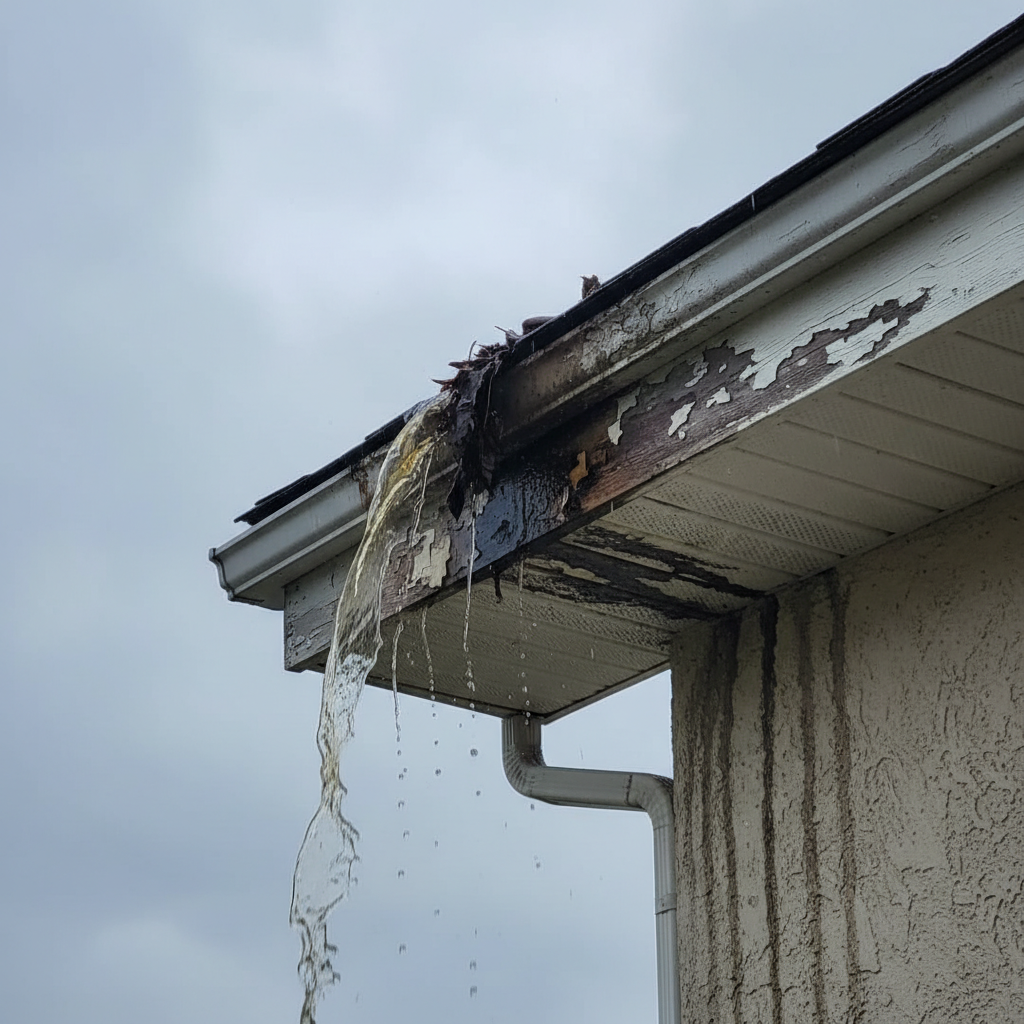
The consequences of ignoring a leak behind your fascia are far-reaching and expensive. The damage often goes unnoticed for extended periods because it’s hidden from plain sight, allowing problems to fester.
- Wood Rot: The fascia board itself, along with the soffit and rafter tails, are typically made of wood. Constant exposure to moisture will lead to wood rot, compromising the structural integrity of your roofline. Rotting wood can attract pests like termites and carpenter ants.
- Mold and Mildew Growth: Persistent dampness creates an ideal environment for mold and mildew to flourish. These can spread into your attic, walls, and even living spaces, posing health risks, especially for individuals with allergies or respiratory issues.
- Paint Damage and Staining: Water running down the exterior of your home will cause paint to peel, bubble, and stain, leading to an unsightly appearance and further compromising the protection of your home’s siding.
- Foundation Issues: While more directly caused by downspouts not diverting water far enough, a severe gutter overflow behind the fascia can saturate the ground directly next to your foundation, potentially leading to cracks, settlement, and basement leaks over time.
- Compromised Gutter Attachment: As the fascia board rots, the screws and hangers holding your gutters in place lose their grip. This can cause gutters to sag, pull away from the house, or even detach completely, leading to complete gutter failure.
- Increased Energy Bills: Water damage can compromise your home’s insulation, leading to heat loss in winter and heat gain in summer, causing your HVAC system to work harder and increasing energy consumption.
Common Causes of Gutter Leaks Behind Fascia
Identifying the precise cause of the leak is the first step toward a lasting repair. Multiple factors can contribute to water escaping the gutter system and flowing behind the fascia.
Clogged Gutters and Downspouts
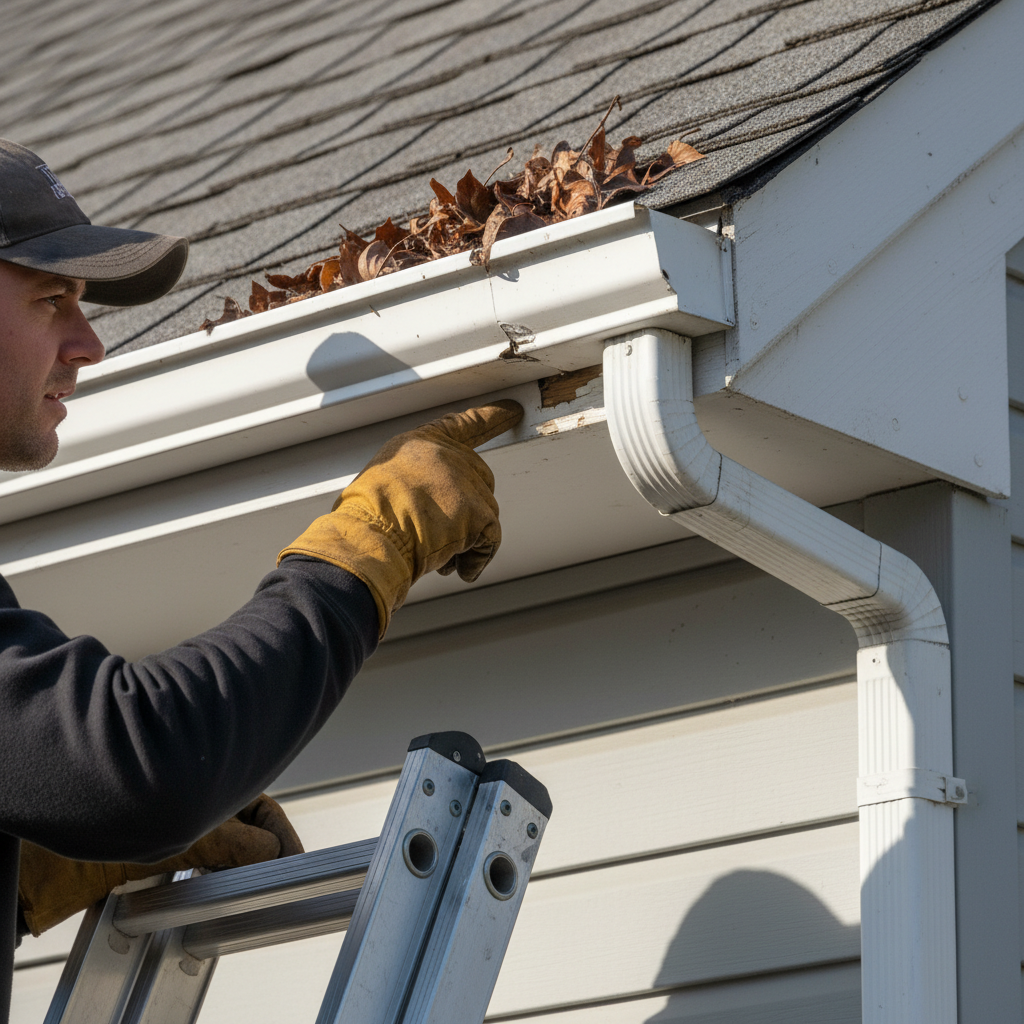
This is arguably the most common culprit. Leaves, twigs, shingle grit, and other debris accumulate in gutters, blocking the flow of water. When gutters are clogged, they can’t drain properly, causing water to back up and spill over the back edge, directly onto the fascia. In colder climates, clogged gutters can lead to ice dams, where melting snow refreezes in the gutter, pushing water back up under the shingles and behind the fascia.
Improper Gutter Installation or Pitch
Gutters need a slight slope (pitch) towards the downspouts to allow water to drain efficiently. If the gutters are installed without adequate pitch, or if they have settled over time and lost their slope, water will pool rather than flow. This standing water can eventually find its way behind the fascia, especially if there are gaps or imperfections in the attachment. Incorrectly fastened gutters, or too few hangers, can also cause them to sag and pull away from the house.
Damaged or Deteriorated Gutters
Over time, gutters can develop cracks, holes, or rust, particularly at seams or joints. These small openings allow water to escape before it reaches the downspout. If these damages occur near the fascia, the escaping water will flow directly onto the board. Loose or failing seals at gutter seams are also common points of leakage.
Failed Gutter Flashing or Drip Edge
The drip edge or gutter flashing is a critical component designed to guide water from the roof directly into the gutter, preventing it from running down the fascia. If the drip edge is missing, improperly installed, bent, corroded, or has pulled away from the roof, water will likely bypass the gutter and run behind the fascia board.
Roof Issues
Sometimes, the leak isn’t solely a gutter problem. Damaged or missing shingles near the edge of the roof can allow water to seep underneath, behind the fascia. Insufficient roof overhang can also be a factor, as it means the roof edge doesn’t extend far enough into the gutter, making it easier for water to splash or run behind.
Age and Wear
Like all home components, gutters and their associated parts have a lifespan. Over years of exposure to sun, rain, snow, and extreme temperatures, materials can become brittle, seals can fail, and metal can corrode. Older gutter systems are naturally more prone to developing leaks behind the fascia.
Identifying the Signs: How to Spot a Gutter Leak Behind Fascia
Early detection is key to preventing extensive and costly damage. Be vigilant for these tell-tale signs, especially after heavy rain or during prolonged periods of wet weather.
Visible Water Stains
One of the most obvious indicators is visible water staining on the fascia board, soffit, or the exterior walls directly below the gutters. These stains might be dark streaks, discolored patches, or even greenish algae growth.
Peeling Paint or Rotting Wood
Inspect the paint on your fascia and soffit. If it’s peeling, bubbling, or blistering, it’s a strong sign of persistent moisture exposure. Look for soft spots when you gently press on the wood; this indicates rotting. The wood might also appear crumbly or discolored.
Mold or Mildew Growth
Beyond simple staining, actual fuzzy or slimy mold and mildew growth on the fascia, soffit, or nearby siding is a definite sign of chronic dampness. You might also notice a musty odor emanating from the area, especially near the eaves or in the attic.
Sagging Gutters or Fascia
If your gutters appear to be pulling away from the house, sagging in certain sections, or if the fascia board itself looks warped or bowed, it could be due to the weight of water pooling in the gutters or the weakening of the wood due to rot.
Water Dripping During Rain
During a rainstorm, carefully observe your gutters. If you see water consistently dripping or streaming from behind the gutter, or from under the soffit, rather than out of the downspout, you have a leak.
Foundation Problems
While often associated with improper downspout drainage, severe and prolonged gutter leaks behind the fascia can saturate the ground immediately adjacent to your foundation. Over time, this can lead to cracks in the foundation walls, hydrostatic pressure causing basement leaks, or even uneven settlement of the house.
The Step-by-Step Guide to Fixing Gutter Leaks Behind Fascia
Once you’ve identified a leak, it’s time to take action. Some repairs are suitable for DIY enthusiasts, while others are best left to professionals. Always prioritize safety when working at heights.
Safety First
- Use a Sturdy Ladder: Ensure your ladder is in good condition, placed on stable, level ground, and extends at least three feet above the roofline if you’ll be accessing the roof.
- Have a Spotter: It’s always safer to have someone hold the ladder for you.
- Wear Protective Gear: Gloves, safety glasses, and non-slip shoes are essential.
- Avoid Wet or Windy Conditions: Never work on a ladder during rain, high winds, or icy conditions.
- Don’t Overreach: Reposition the ladder frequently rather than stretching too far.
Thorough Inspection
Once you’re safely on a ladder, carefully inspect the area where you suspect the leak. Look for:
- Clogs: Are the gutters full of debris?
- Sagging: Is the gutter pulling away from the fascia?
- Gaps: Are there spaces between the gutter and fascia, or between the fascia and the roof?
- Damaged Flashing/Drip Edge: Is the metal bent, corroded, or missing?
- Cracks/Holes: Are there visible imperfections in the gutter itself or at seams?
- Rotted Wood: Gently probe the fascia and soffit for soft spots.
Cleaning the Gutters
If your gutters are clogged, this might be all it takes to resolve the issue. Remove all leaves, twigs, and sediment. Use a hose to flush the gutters and downspouts, ensuring water flows freely. You can read more about effective gutter cleaning techniques from reputable sources like Good Housekeeping’s guide on how to clean gutters.
Repairing or Replacing Damaged Sections
- Sealing Leaky Seams: For small leaks at gutter seams or end caps, clean the area thoroughly, let it dry, and apply a generous bead of high-quality gutter sealant or caulk (urethane or silicone-based).
- Patching Small Holes/Cracks: For minor holes, you can use a gutter patch kit or apply gutter sealant over the cleaned and dried area. For larger holes or extensive damage, a section of the gutter may need to be replaced.
- Replacing Rotted Fascia: If the fascia board is severely rotted, it must be replaced. This is a more involved task that requires removing the old fascia, potentially removing the gutter section, and carefully installing new, treated lumber. Ensure proper measurements and secure attachment.
Addressing Pitch Problems
If gutters are not pitched correctly, you’ll need to re-adjust them. This often involves:
- Adding or Adjusting Hangers: Install new gutter hangers or adjust existing ones to create the proper slope (typically 1/4 inch per 10 feet of gutter towards the downspout).
- Replacing Loose Fasteners: If the existing fasteners are loose or rusted, replace them with longer, sturdier screws specifically designed for gutter attachment.
Installing or Repairing Drip Edge/Flashing
This is crucial for preventing water from running behind the fascia. The drip edge should be installed under the roofing felt and shingles, extending slightly over the fascia and into the gutter. If yours is damaged or missing:
- Install New Drip Edge: Carefully lift the edge of the shingles and slide new metal drip edge underneath, securing it with roofing nails. Ensure it directs water into the gutter.
- Repair Damaged Flashing: If existing flashing is bent, it might be possible to gently reshape it. If corroded or severely damaged, replacement is the best option.
Checking Roof Overhang and Shingles
Inspect the shingles directly above the gutter. Replace any cracked, missing, or curling shingles. Ensure the roof’s overhang is sufficient to direct water into the gutter, not onto the fascia. If the overhang is too short, specialized gutter apron flashing can be installed to extend the water’s trajectory.
Sealing Gaps
Any visible gaps between the back of the gutter and the fascia can be sealed with a high-quality, exterior-grade caulk to prevent water infiltration.
When to Call a Professional
While many gutter issues can be DIY projects, some situations warrant the expertise of a professional gutter contractor or roofer. Don’t hesitate to call for help if:
- Complex Repairs: If the fascia board is extensively rotted, if multiple sections of gutter need replacement, or if the roof structure itself is damaged, these are complex jobs that require specialized tools and knowledge.
- High-Risk Access: If your home has multiple stories, a steep roof pitch, or difficult-to-access areas, working on a ladder can be extremely dangerous. Professionals have the right safety equipment and experience.
- Extensive Damage: If you suspect widespread water damage, mold in the attic, or structural issues, a professional can conduct a thorough assessment and ensure all underlying problems are addressed.
- Lack of Experience/Time: If you’re not comfortable working at heights, lack the necessary tools, or simply don’t have the time, a professional can complete the job efficiently and effectively, often with a warranty.
Preventing Future Gutter Leaks: Maintenance Tips
Prevention is always better than cure. Regular maintenance can significantly extend the life of your gutters and prevent future leaks behind the fascia.
- Regular Cleaning: Clean your gutters at least twice a year – once in late spring after tree pollen and seeds have fallen, and again in late fall after leaves have dropped. In areas with heavy tree cover, more frequent cleaning may be necessary.
- Installing Gutter Guards: Gutter guards (screens, covers, or filters) can significantly reduce the amount of debris that enters your gutters, thereby reducing clogs. While not entirely maintenance-free, they can drastically cut down on cleaning frequency.
- Annual Inspections: Conduct a visual inspection of your gutters, fascia, and roofline at least once a year. Look for signs of damage, wear, or impending problems. Catching small issues early can prevent them from becoming major headaches.
- Ensuring Proper Pitch: Periodically check that your gutters maintain the correct slope. Over time, houses settle, and fasteners can loosen, affecting the pitch.
- Keeping Trees Trimmed: Trim back tree branches that overhang your roof and gutters. This will reduce the amount of leaves, twigs, and other debris that fall into your gutter system.
- Maintain Drip Edge and Flashing: Ensure these critical components remain in good condition and properly installed.
FAQs About Gutter Leaks Behind Fascia
What is fascia and why is it important for gutters?
The fascia board is the long, flat board that runs horizontally along the edge of your roof, just below the roofline. It serves several vital purposes: it supports the bottom edge of your roof tiles or shingles, provides a finished appearance to your roof, and most importantly, it’s the main component to which your gutters are attached. Without a strong, intact fascia board, your gutters cannot be securely mounted, leading to sagging and potential detachment.
Can a small leak behind the fascia cause significant damage?
Absolutely. Even a small, persistent drip can lead to extensive damage over time. The constant moisture will cause wood rot in the fascia, soffit, and potentially the rafter tails. This structural damage can compromise the integrity of your roofline, attract pests, and lead to costly repairs. Water can also seep into your attic or exterior walls, causing mold growth and further structural issues.
How often should I clean my gutters to prevent leaks?
A good rule of thumb is to clean your gutters at least twice a year: once in the spring after trees have shed their pollen and seeds, and again in the late fall after all the leaves have dropped. If your home is surrounded by many trees, or if you live in an area prone to heavy storms, you might need to clean them more frequently.
Is it always necessary to replace the entire gutter system if it’s leaking?
Not necessarily. For minor leaks due to clogged gutters, loose fasteners, or small holes/cracks, repairs like cleaning, re-pitching, re-sealing seams, or patching can often solve the problem. However, if the gutters are extensively corroded, have widespread damage, or if the fascia board itself is severely rotted in multiple sections, then a full replacement of affected sections or the entire system might be the most cost-effective and long-lasting solution.
What’s the difference between a drip edge and gutter flashing?
While often used interchangeably or referring to similar functions, a drip edge is a specific type of metal flashing installed along the roof’s edge, underneath the shingles and roofing felt. Its primary purpose is to direct water off the roof and into the gutter, preventing it from seeping behind the fascia board or along the edge of the roof deck. “Gutter flashing” can sometimes refer more generally to any metal component designed to divert water into the gutter and prevent it from going behind the fascia, including a drip edge or a separate gutter apron.
Conclusion
A gutter leaking behind fascia is more than just an annoyance; it’s a silent threat to your home’s structural health and overall value. By understanding the common causes, staying vigilant for the warning signs, and taking prompt action—whether through DIY repairs or by calling in professionals—you can effectively safeguard your home against water damage. Regular maintenance and preventative measures are your best defense, ensuring your gutter system performs its vital function of protecting your home for years to come. Don’t let a small drip turn into a major disaster; prioritize the health of your gutters and the integrity of your roofline.