In this in-depth guide, we’ll dive into the intricacies of GFCI outlets, explore the most common reasons they trip and refuse to reset after exposure to rain, and provide a comprehensive, step-by-step troubleshooting process. We’ll also equip you with essential tips for preventing future issues and clarify when it’s time to call in a professional electrician. Your home’s electrical safety is paramount, and understanding your GFCI is the first step.
Understanding GFCI Outlets: Your Essential Safety Net
Before we delve into troubleshooting, let’s briefly understand what a GFCI outlet is and why it’s so critical, especially in environments prone to moisture.
What is a GFCI?
A Ground Fault Circuit Interrupter (GFCI) is a fast-acting circuit breaker designed to shut off electric power in the event of a ground fault within as little as 1/40th of a second. Its primary purpose is to protect people from severe electrical shocks and electrocution. Unlike standard circuit breakers that protect against overloads and short circuits, GFCIs specifically monitor the balance of electrical current flowing through a circuit. If the current flowing out differs from the current flowing back by even a tiny amount (typically 5 milliamperes), it indicates a “ground fault” – meaning electricity is escaping the circuit, potentially through a person.
Why are GFCIs Essential, Especially Outdoors?
Electrical codes mandate GFCIs in areas where water is present or likely to be present, such as bathrooms, kitchens, laundry rooms, garages, basements, and, critically, all outdoor receptacles. Water is an excellent conductor of electricity, and the combination of electricity and moisture dramatically increases the risk of electric shock. An outdoor GFCI provides a vital layer of protection, instantly cutting power if it detects a leak in the electrical current due to rain, sprinklers, damp ground, or even wet hands touching an appliance. This rapid response can be the difference between a minor electrical glitch and a life-threatening incident. For more insights on general electrical safety around the home, Good Housekeeping offers valuable guidance on protecting your family from common electrical hazards.
Why Your GFCI Won’t Reset After Rain: Common Causes
When your GFCI outlet refuses to reset after a downpour, it’s typically because it’s still detecting a ground fault, or it’s been damaged. Here are the most common culprits:
1. Water Infiltration: The Most Obvious Culprit
The primary reason a GFCI trips during or after rain is, predictably, water. But how does water get into an “outdoor” outlet?
-
Compromised Weatherproofing: Outdoor GFCIs are designed with weatherproof features, but these can degrade over time. Cracks in the housing, worn-out gaskets, or improperly sealed conduit entries can allow water to seep into the internal wiring or the GFCI mechanism itself. Even small amounts of moisture can create a path for electricity to escape, triggering the GFCI.
-
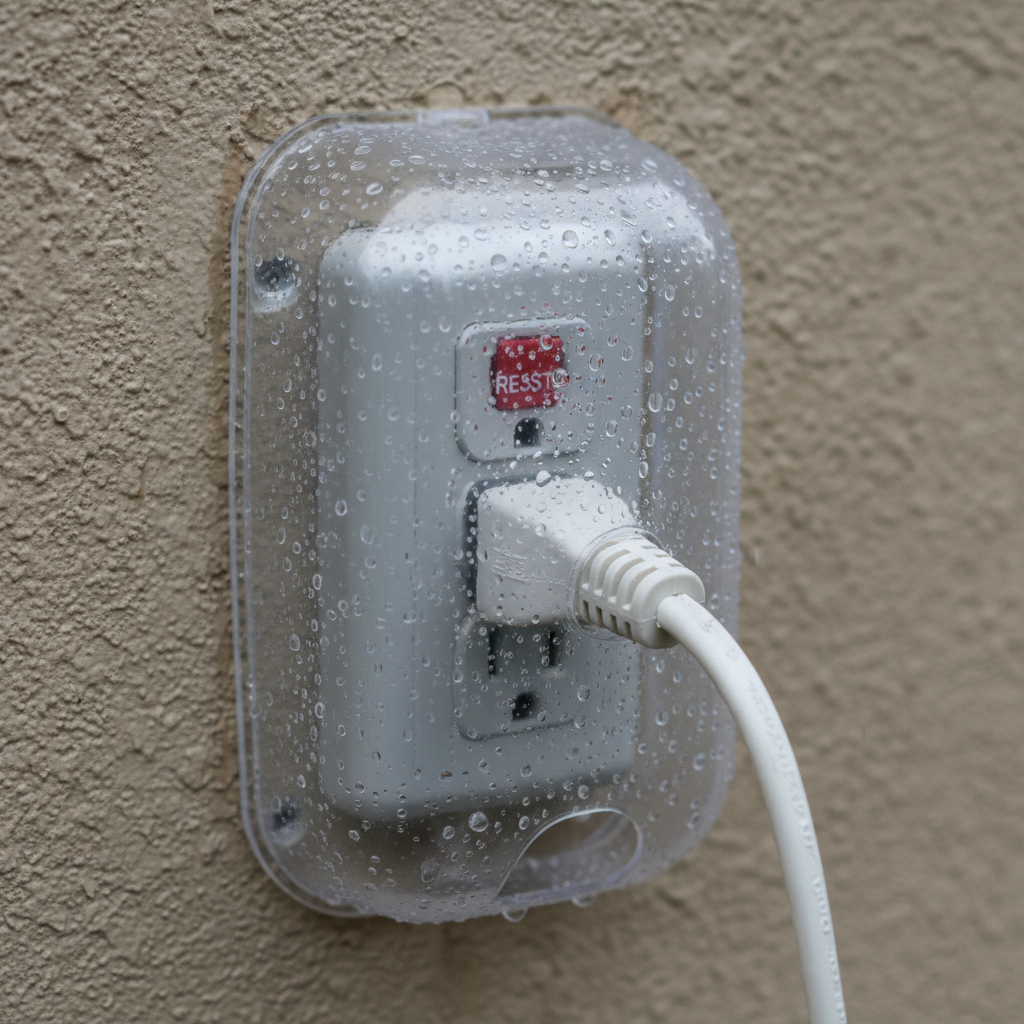
Damaged Receptacle Cover: While an “in-use” weatherproof cover (also known as a bubble cover) is designed to protect the outlet even when something is plugged in, these covers can become damaged, crack, or be left open inadvertently. If a standard flat cover is used, it offers minimal protection against direct rain when nothing is plugged in, and virtually none when an appliance is connected.
2. Residual Moisture and Condensation
Even after the rain stops and the visible surfaces appear dry, moisture can linger inside the outlet box, within the wiring, or in any connected appliance cords. Condensation can also form due to temperature changes after a rain shower. This trapped moisture can continue to cause a ground fault, preventing the GFCI from resetting until it has thoroughly dried out.
3. External Wiring Issues
The GFCI protects not only itself but also all downstream outlets and electrical devices connected to it. Therefore, a problem anywhere on that circuit can cause the GFCI to trip.
-
Damaged Wire Insulation: Rain can expose damaged insulation on outdoor wiring leading to or from the GFCI outlet. Critters chewing on wires, accidental nicks from gardening tools, or sun and weather exposure can all degrade insulation, allowing water to reach the conductive copper and create a ground fault.
-
Loose Connections: Vibrations, weather cycles, and general wear can cause wire connections to loosen inside the GFCI box or other junction boxes along the circuit. When moisture is introduced, these loose connections can become pathways for current leakage.
4. Appliance or Fixture Connected to the GFCI
It’s not always the GFCI or the wiring itself. If you had an outdoor appliance (e.g., string lights, a fountain pump, an electric grill) plugged into the GFCI when it rained, that appliance might be the source of the ground fault. Water could have gotten into the appliance’s motor, power cord, or internal components, creating a fault that the GFCI correctly detected.
5. Ground Fault Elsewhere on the Circuit
As mentioned, GFCIs protect the entire downstream circuit. If you have multiple outdoor outlets or lights wired from a single GFCI, a ground fault in any one of those downstream devices or their wiring will cause the main GFCI to trip. This can make troubleshooting a bit more complex, as the problem isn’t necessarily at the GFCI location itself.
6. Overload or Short Circuit (Less Common for Rain, but Possible)
While GFCIs primarily protect against ground faults, they can also trip due to overloads or short circuits if they have additional built-in protection (though this is more common for GFCI circuit breakers). An overload occurs when too many high-power devices are drawing current from the circuit. A short circuit happens when a “hot” wire directly touches a “neutral” wire or another “hot” wire. Rain can sometimes exacerbate conditions leading to these, though it’s less direct than a ground fault.
7. A Faulty GFCI Outlet Itself
Like any electrical device, GFCI outlets have a lifespan. They can wear out, especially after years of exposure to outdoor elements, temperature fluctuations, and repeated tripping. A faulty GFCI might trip even when there’s no ground fault, or it might fail to reset because its internal mechanisms are damaged. If your GFCI trips frequently without an apparent cause, or if it won’t reset even after all other potential issues are ruled out, the unit itself might be defective.
8. Age and Wear
Outdoor GFCIs are subjected to harsh conditions, including UV radiation, extreme temperatures, and moisture. Over time, these elements can degrade the plastic housing, internal components, and wire connections, leading to increased susceptibility to water ingress and component failure.
Step-by-Step Troubleshooting When Your GFCI Won’t Reset
When your outdoor GFCI won’t reset after rain, follow these steps systematically. Always prioritize safety.
Safety First: Essential Precautions
-
Do NOT touch wet electrical components: If the outlet or area around it is visibly wet, do not touch it directly.
-
Turn off the power: Before inspecting anything, go to your main electrical panel and switch off the circuit breaker that controls the outdoor GFCI outlet. If you’re unsure which breaker it is, turn off the main breaker to the entire house. This is crucial for your safety.
-
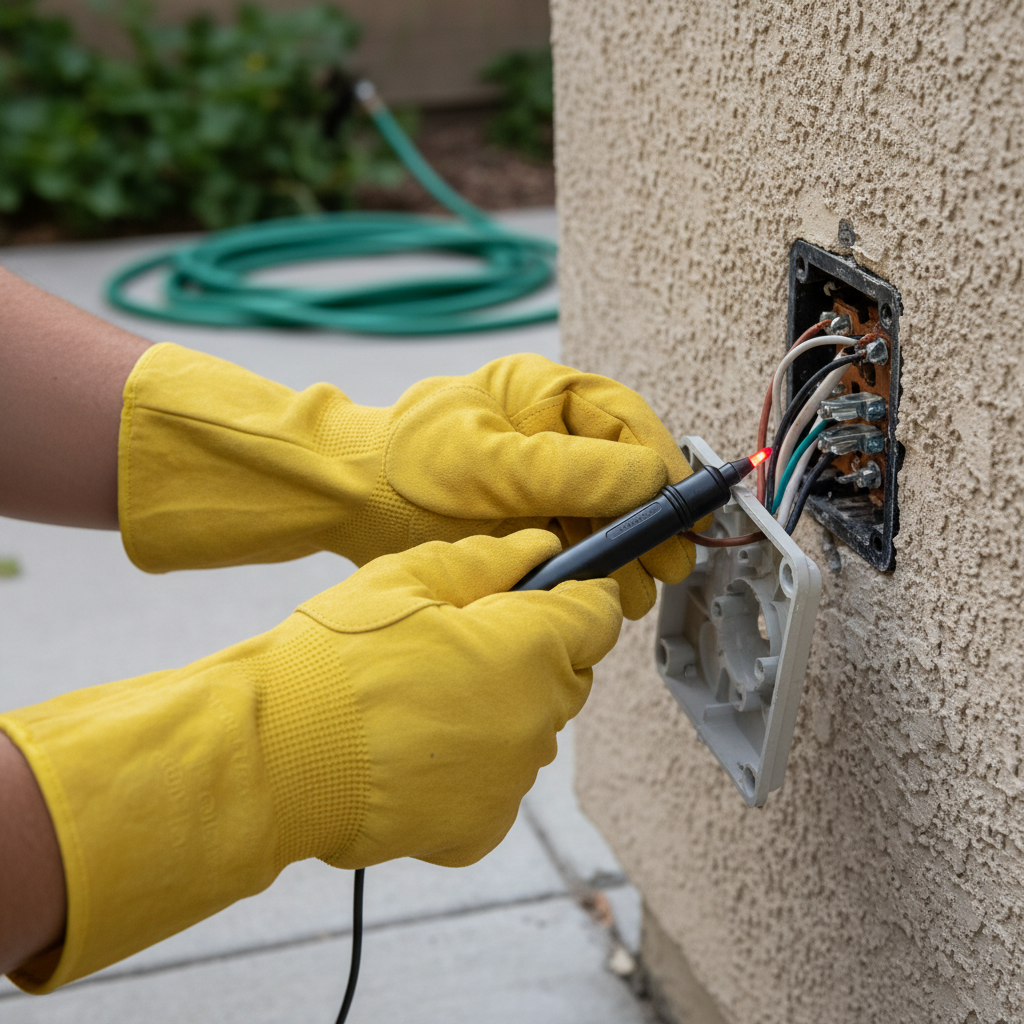
Wear safety gear: If you need to handle wiring or open an electrical box, wear rubber-soled shoes and electrical safety gloves.
Step 1: Disconnect Everything
Unplug all appliances, extension cords, and devices from the problematic GFCI outlet and any other outdoor outlets on the same circuit. This step helps isolate the problem, determining if the fault lies with a connected device rather than the GFCI or its wiring.
Step 2: Allow for Drying Time
Patience is key here. Even if the surface appears dry, moisture can be trapped inside the outlet box or conduit. Allow the GFCI and its surroundings ample time to dry out completely. This could take anywhere from 24 to 72 hours, especially in humid conditions or after heavy rain. You can gently wipe down visible surfaces, but do not attempt to dry internal components with a hairdryer or any other direct heat source, as this could cause further damage or create a hazard.
Step 3: Inspect the Outlet and Wiring (Power OFF)
With the power definitely OFF at the breaker, carefully examine the GFCI outlet and its housing.
-
Check the weatherproof cover: Is it damaged? Is it properly sealed? Does it have any cracks?
-
Look for visible damage: Are there any cracks in the GFCI’s plastic housing? Are any wires exposed or chewed? Do you see signs of charring, burning, or corrosion?
-
Examine the conduit and seals: Ensure that the conduit entering the outlet box is securely connected and sealed. Check for any gaps where water might enter.
-
Open the outlet box (if comfortable and power is off): Carefully remove the cover plate and pull the GFCI out slightly (do not disconnect wires unless you are proficient). Look inside the box for any signs of moisture, rust, or loose wiring. If you see water, let it dry completely before proceeding.
Step 4: Check Other Outlets on the Circuit
If your GFCI protects other downstream outlets, repeat Step 3 for those as well. A fault in a downstream outlet or its connected device will prevent the primary GFCI from resetting.
Step 5: Test the GFCI Itself (Carefully)
After allowing sufficient drying time and inspecting for visible damage:
-
Ensure nothing is plugged into the GFCI or any downstream outlets.
-
Go back to your main electrical panel and turn the circuit breaker for the outdoor GFCI back ON.
-
At the GFCI outlet, first press the “TEST” button. You should hear a click, and the “RESET” button should pop out. This confirms the GFCI’s test function is working.
-
Now, press the “RESET” button firmly. If it clicks in and stays, the GFCI has reset. If it immediately pops back out, or won’t stay in, there’s still a ground fault or the GFCI itself is faulty.
Step 6: Reset the Circuit Breaker (if applicable)
Sometimes, if the GFCI tripped due to a severe fault, it might have also tripped the associated circuit breaker in your electrical panel. Go to the panel, locate the tripped breaker (it will usually be in the middle “off” position, not fully on or off), switch it fully OFF, and then switch it back ON. Then try resetting the GFCI again.
Preventing Future GFCI Tripping After Rain
Once you’ve resolved the immediate issue, take steps to prevent your GFCI from tripping after rain in the future:
1. Ensure Proper Outdoor GFCI Installation
All outdoor outlets must be GFCI protected and installed in suitable weather-resistant enclosures. If your outdoor outlets are not GFCI-protected, or if they are installed in standard indoor-rated boxes, upgrade them immediately. Ensure all wiring is properly sealed and protected within conduit.
2. Use “In-Use” Weatherproof Covers
Invest in “in-use” or “bubble” covers for all outdoor receptacles. These covers provide continuous protection even when cords are plugged into the outlet. Make sure they are installed correctly and are not cracked or damaged.
3. Regular Inspection and Maintenance
Periodically inspect your outdoor GFCI outlets, their covers, and any connected wiring. Look for signs of wear and tear, cracks, corrosion, or animal damage. Test your GFCI outlets monthly by pressing the “TEST” button, then the “RESET” button. If it doesn’t trip or reset, replace it.
4. Protect Outdoor Appliances and Cords
Avoid leaving outdoor appliances plugged in during heavy rain or when not in use. Ensure all extension cords used outdoors are rated for outdoor use and are in good condition. Elevate cords and connections off the ground where water might accumulate.
5. Address Drainage Issues
Ensure that water drains away from your house’s foundation and outdoor outlets. Poor drainage can lead to standing water that can compromise electrical installations.
When to Call a Professional Electrician
While some troubleshooting can be done safely by a homeowner, certain situations absolutely require the expertise of a licensed electrician. Do not hesitate to call a professional if:
-
Persistent Tripping: The GFCI continues to trip even after you’ve dried everything out, unplugged all devices, and reset the breaker, or it trips frequently without any clear cause (like rain).
-
Visible Damage: You observe any signs of burning, charring, exposed wires, significant corrosion, or water inside the electrical box.
-
Lack of Electrical Knowledge: You are uncomfortable or unsure about any step of the troubleshooting process, especially those involving opening electrical boxes or testing circuits.
-
No Power to Other Outlets: The GFCI won’t reset, and other outlets or lights on the same circuit also have no power, suggesting a deeper wiring issue.
-
Burning Smells or Smoke: These are immediate signs of a serious electrical problem and require emergency professional attention.
Working with electricity can be dangerous. An electrician has the tools, knowledge, and experience to safely diagnose and repair complex electrical issues, ensuring your home remains safe and up to code.
FAQs About GFCI Outlets and Rain
Q: Can a wet GFCI outlet be dangerous?
A: Yes, absolutely. A wet GFCI outlet can lead to severe electrical shock or electrocution if touched, or it can cause damage to connected appliances or even a fire. The GFCI tripping is its way of preventing these dangers.
Q: How long does a GFCI outlet need to dry out?
A: It depends on the amount of water ingress and environmental humidity. As a general rule, allow at least 24 to 48 hours for drying. In very humid conditions or after heavy saturation, it could take up to 72 hours. Do not rush this process.
Q: Should I replace all my outdoor outlets with GFCIs?
A: Yes, if they are not already GFCI-protected. Electrical code mandates GFCI protection for all outdoor receptacles. If your home has older non-GFCI outdoor outlets, it’s a critical safety upgrade.
Q: What’s the difference between a GFCI and a circuit breaker?
A: A standard circuit breaker protects against overcurrents (overloads and short circuits) to prevent wiring from overheating and causing fires. A GFCI, on the other hand, protects people from ground faults, which are often too small to trip a standard breaker but large enough to cause a fatal shock. GFCIs respond much faster to these faults.
Q: Can I use a hair dryer to dry out a GFCI?
A: No, it’s not recommended. Direct heat can damage the GFCI’s internal components, and introducing a powered electrical device near a potentially wet and faulty electrical outlet is dangerous. Air drying is the safest method.
Conclusion
When your GFCI won’t reset after rain, it’s more than a minor annoyance; it’s a clear signal that the GFCI has detected a potentially hazardous electrical condition. While basic troubleshooting steps can often resolve the issue, always prioritize your safety. By understanding how GFCIs work, recognizing the common causes of tripping, and following safe troubleshooting practices, you can often restore power yourself. However, never hesitate to call a licensed electrician if you’re unsure, uncomfortable, or suspect a deeper electrical problem. Your diligence in maintaining safe electrical practices protects your home and, most importantly, everyone in it.