Effective Solutions for Excessive Dust in Old Homes: How to Keep Your Vintage Space Clean and Healthy
Excessive dust in old homes is a common challenge that can affect both the aesthetic appeal and the air quality of your living space. If you live in a historic or older property, you’ve likely noticed more dust settling on your furniture, floors, and surfaces despite regular cleaning. This article explores practical solutions for excessive dust in old homes, helping you maintain a cleaner, healthier environment without compromising the character and charm of your vintage space.
Why Do Old Homes Have More Dust?
Understanding the cause of dust accumulation is key to addressing the problem effectively. Old houses typically have several features that contribute to higher dust levels:
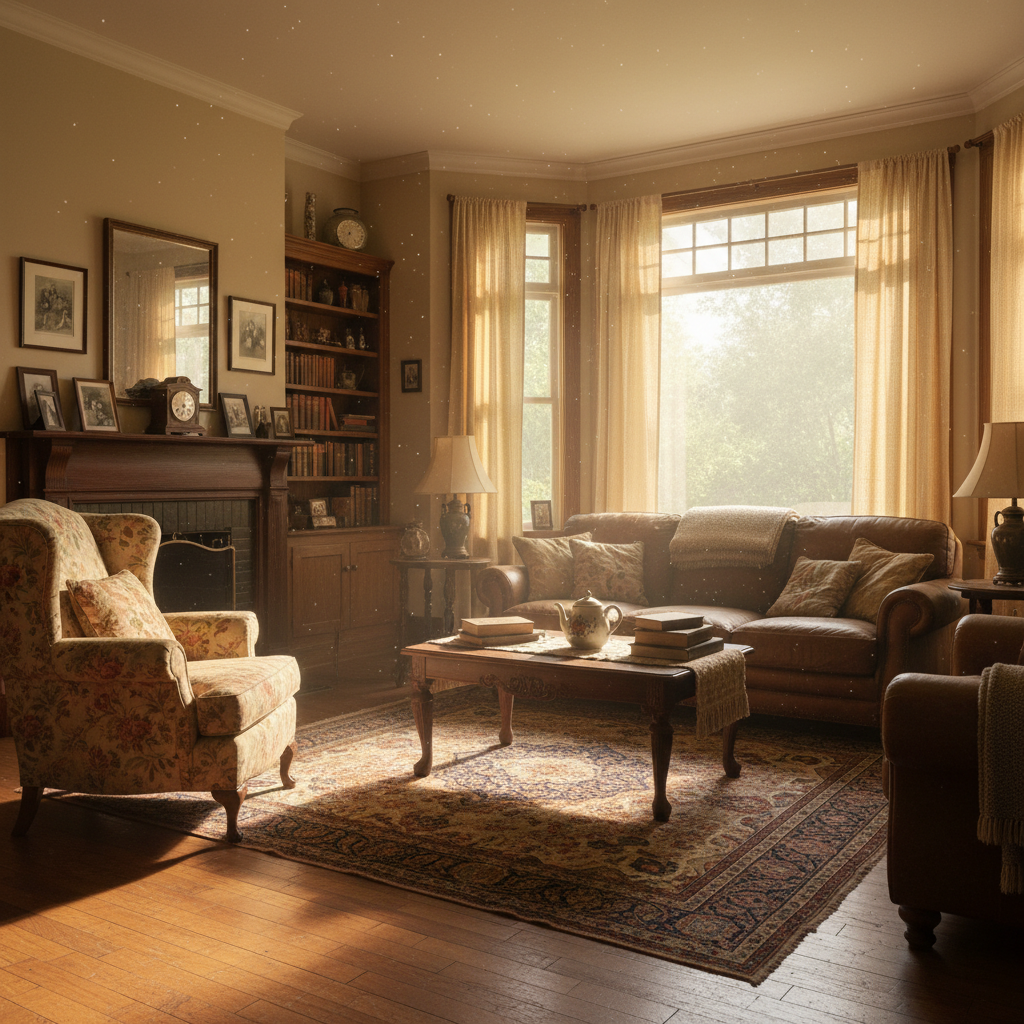
- Age and Wear of Materials: Older paint, plaster, and wood degrade over time, releasing tiny particles into the air.
- Frequent Air Leaks: Cracks in walls, gaps around windows and doors, and less efficient seals allow dust, pollen, and outdoor particles to enter the home more easily.
- Outdated HVAC Systems: Older heating and ventilation systems may lack modern filtration, circulating dust instead of removing it.
- Textiles and Furnishings: Vintage draperies, upholstery, and carpets can trap dust that gets disturbed and released back into the air.
- Construction Materials: Materials like lath and plaster or older wooden floors tend to release more dust compared to modern drywall and sealing materials.
Top Solutions for Controlling Excessive Dust in Old Homes
1. Upgrade Your Air Filtration System
One of the most effective ways to reduce dust is to install a high-quality air filtration system or air purifier. Modern HEPA filters (High-Efficiency Particulate Air) can capture 99.97% of dust particles as small as 0.3 microns. Consider upgrading the filters in your furnace or HVAC system and using stand-alone air purifiers in commonly used rooms.
2. Seal Cracks and Gaps
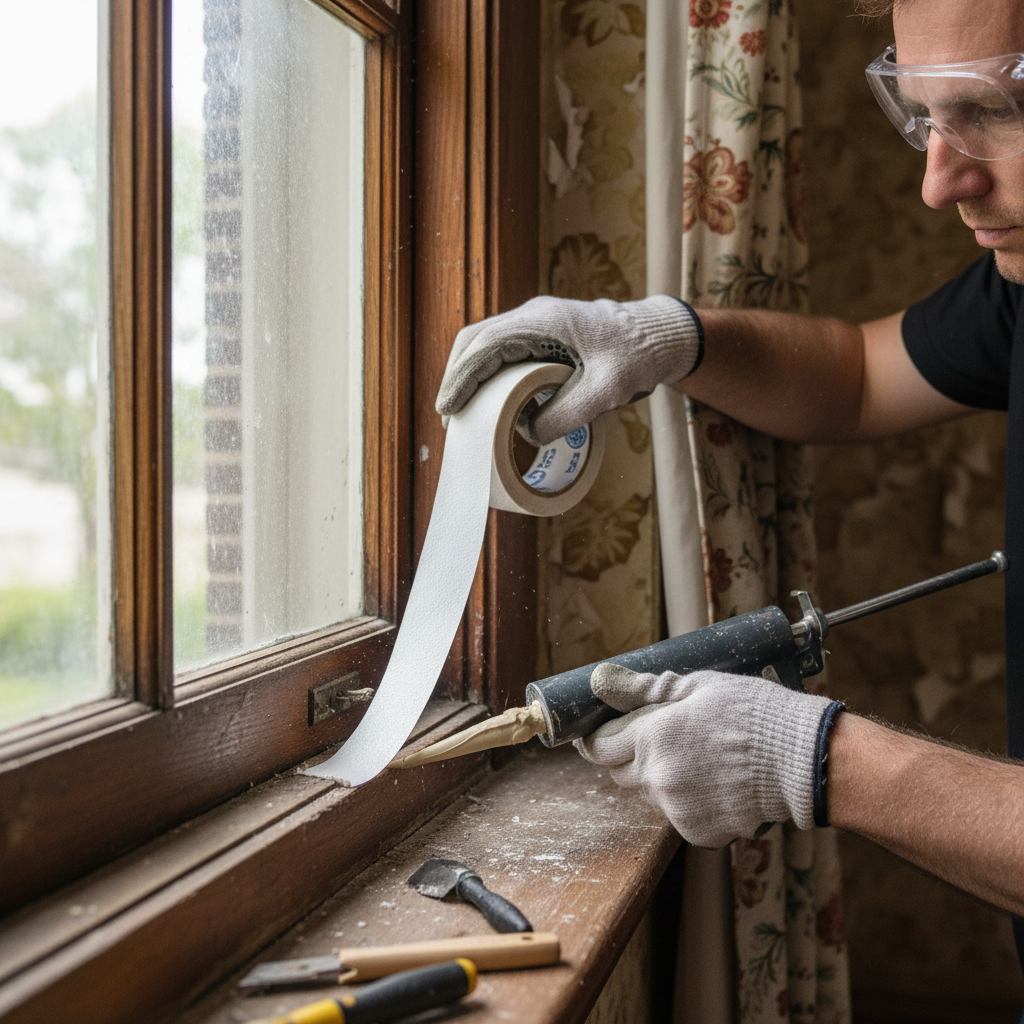
Conduct a thorough check of your windows, doors, and baseboards to identify gaps where dust particles slip inside. Use weatherstripping, caulk, or draft stoppers to close these entry points. This not only reduces dust but also improves your home’s energy efficiency.
3. Choose Dust-Resistant Window Treatments and Furnishings
Opt for washable curtains or blinds that attract less dust compared to heavy drapes, which tend to collect particles. Similarly, replace old upholstered furniture with leather or vinyl options that are easier to clean and do not trap dust.
4. Implement a Regular and Thorough Cleaning Routine
- Vacuum Often: Use a vacuum cleaner equipped with a HEPA filter to avoid redistributing dust back into the air. Pay close attention to carpets, curtains, and upholstered furniture.
- Microfiber Cloths: Use damp microfiber cloths for dusting; these trap dust rather than redistributing it.
- Mop Floors: Regularly mop hard floors with water or a mild cleaning solution to remove dust buildup effectively.
5. Manage Clutter and Limit Fabrics
Cluttered areas and excessive fabrics provide more surfaces for dust to settle. Keep surfaces clear and avoid unnecessary collectibles or knickknacks unless they are frequently dusted. Minimalist decor can significantly reduce dust accumulation.
6. Replace or Clean Old Carpets and Rugs
Old carpets often harbor dust mites and accumulated debris. If replacement isn’t an option, professional deep cleaning can help reduce dust levels. Consider smaller washable rugs that can be cleaned regularly.
7. Maintain Proper Humidity Levels
Dust thrives in dry environments. Using a humidifier to keep indoor humidity between 40-50% can help reduce airborne dust. However, avoid excessive moisture that may cause mold growth.
8. Schedule Professional HVAC Cleaning and Maintenance
Older heating and cooling systems should be inspected and cleaned regularly to remove dust from vents, ducts, and filters. Professional cleaning services can significantly improve air quality and reduce dust circulation within the house.
Additional Tips for Dust Control in Historic Homes
- Use Doormats and Remove Shoes Indoors: Prevent dust and dirt tracked inside by having family and guests remove shoes or use mats at all entrances.
- Consider Wall Coverings: Some older plaster walls can shed dust over time. Paint or wallpaper can lock down surface dust and reduce shedding.
- Ventilate the Home Wisely: Open windows during times when outdoor air is less dusty, and use exhaust fans in kitchens and bathrooms to reduce moisture and dust.
Frequently Asked Questions About Dust in Old Homes
Q1: Is excessive dust harmful to health?
Yes. Excessive indoor dust can aggravate allergies, asthma, and respiratory issues. Particles may contain allergens, mold spores, and even lead or asbestos in very old homes, emphasizing the importance of control and cleanup.
Q2: How often should I clean to keep dust under control?
Aim for vacuuming at least twice a week, dusting surfaces weekly with microfiber cloths, and mopping floors weekly. High-traffic or dusty areas may require more frequent cleaning.
Q3: Can renovating an old home reduce dust problems?
Renovations that upgrade windows, seal gaps, replace old flooring, and update HVAC systems can drastically reduce dust. However, renovation materials and activities themselves can temporarily increase dust, so proper precautions should be taken during the process.
Q4: Are there natural ways to reduce dust?
Yes, maintaining houseplants like spider plants or aloe vera can help filter air pollutants. Regular ventilation and humidification also offer natural support in dust reduction.
Conclusion
Excessive dust in old homes is a widespread issue that can be effectively managed with the right strategies. By upgrading air filtration, sealing gaps, maintaining a rigorous cleaning routine, and addressing the unique features of older houses, you can enjoy your charming vintage home without the constant battle with dust. Combining these solutions will promote a healthier living environment and preserve the beauty of your old home.
For more expert advice on home maintenance and cleanliness, visit Good Housekeeping’s guide on reducing household dust.