Effective Solutions for Excessive Dust in Old Homes
Excessive dust in old homes is a common challenge that many homeowners face. Historic houses often have unique architectural features and materials that can contribute to persistent dust buildup, which affects air quality, comfort, and cleanliness. If you are struggling with dust accumulation in your vintage or historic residence, this comprehensive guide will help you understand the causes and provide practical, effective solutions to reduce dust and maintain a fresh, healthy living environment.
Why Do Old Homes Have More Dust?
Understanding the reasons behind excessive dust in old homes can help you address the issue more effectively. Several factors contribute to dust accumulation:

- Older building materials and finishes: Older plaster walls, wood floors, and ceilings tend to produce more fine particulate matter over time due to natural wear and deterioration.
- Cracks and gaps: Historic homes often have gaps around windows, doors, and baseboards, allowing outdoor dust and dirt to enter easily.
- Older HVAC systems or lack thereof: Older heating or cooling systems may recirculate dust without adequate filtration, or some homes may rely on natural ventilation which brings in airborne particles.
- Textiles and furnishings: Antique rugs, curtains, and furniture can trap and release dust continuously.
- Renovation dust: If your old home is undergoing restoration or improvement, construction debris can add to dust accumulation.
Top Solutions to Reduce Dust in Old Homes
1. Seal Cracks and Gaps
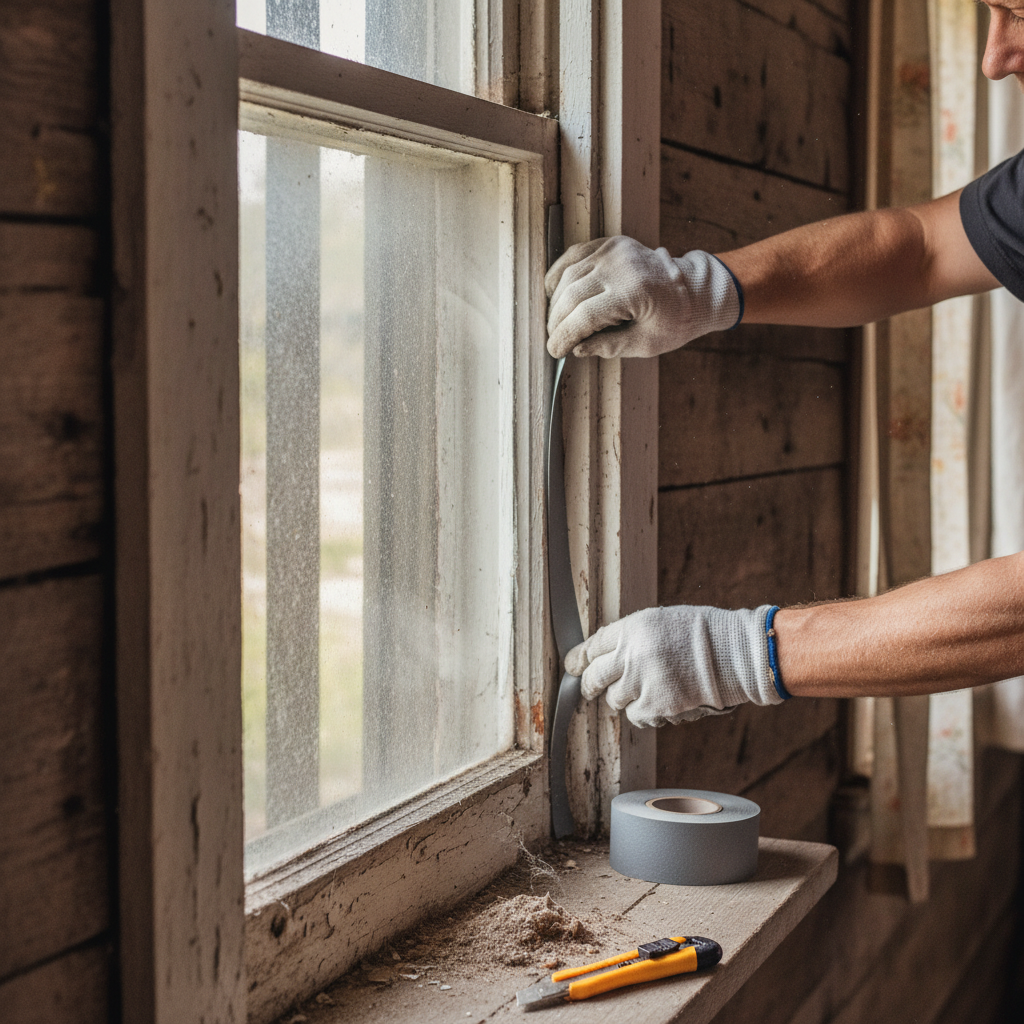
One of the most effective ways to reduce dust infiltration is to seal entrance points. Use weatherstripping around doors and windows, and caulk gaps along baseboards and moldings. Proper sealing minimizes the entry of outdoor pollutants and dust, keeping the indoor air cleaner.
2. Invest in Quality Air Filtration
Upgrade your HVAC system with high-efficiency particulate air (HEPA) filters or consider standalone air purifiers with HEPA technology. These filters trap fine dust particles and allergens, improving indoor air quality significantly. Change or clean filters regularly as per manufacturer guidelines.
3. Regular and Strategic Cleaning
- Dust with microfibre cloths: Microfiber attracts and holds dust better than traditional dusters, preventing dust from spreading back into the air.
- Vacuum frequently: Use a vacuum with a HEPA filter on carpets, rugs, and upholstery to capture dust thoroughly.
- Remove dust traps: Regularly clean or replace items that trap dust such as curtains, throw pillows, and area rugs.
4. Control Humidity Levels
Maintaining indoor humidity between 30% and 50% can help reduce dust accumulation. Excessively dry air causes dust to become airborne, while too much moisture encourages mold growth. Use dehumidifiers or humidifiers to keep humidity balanced.
5. Upgrade Windows and Doors Thoughtfully
If your budget allows, upgrading to double-pane windows or insulated doors designed to fit the style of your old home can significantly reduce drafts and dust infiltration, while improving energy efficiency.
6. Use Doormats and Shoe Removal Policies
Place heavy-duty doormats at all entry points to trap outdoor dirt and dust. Encourage family members and guests to remove shoes inside the house to prevent tracking in dust and debris.
7. Maintain Historic Materials Carefully
Consult with preservation experts about cleaning and maintaining original materials like plaster, wood, or stone to reduce the release of dust from deterioration. Avoid harsh cleaners that can accelerate wear.
Additional Tips for Dust Management
- Keep pet areas clean to reduce pet dander and dust buildup.
- Use blinds instead of heavy curtains to minimize dust accumulation.
- Avoid clutter which can trap dust and make cleaning harder.
- Change bedding regularly and wash linens in hot water to remove dust mites.
When to Consult a Professional
If dust persists despite your best efforts, it may be time to seek professional help. Indoor air quality experts can test for allergens and recommend targeted remediation strategies. An HVAC specialist can inspect and improve your ventilation system, ensuring proper filtration and airflow.
Conclusion
Excessive dust is an unavoidable part of old homes, but with thoughtful approaches, you can greatly reduce its impact and maintain a clean, comfortable living space. From sealing gaps to upgrading air filtration, implementing these solutions creates a healthier environment while preserving the character and charm of your historic residence. For more expert advice on keeping your home clean and safe, the Good Housekeeping guide to dust control is an excellent resource.
Frequently Asked Questions (FAQs)
Why does dust seem worse in old houses compared to newer homes?
Old homes tend to have more cracks, older materials that shed particles, and older or no HVAC systems, all contributing to higher dust levels.
Can I just clean more frequently to get rid of dust?
Cleaning is essential but not sufficient alone. Addressing sources of dust entry and improving filtration is necessary for long-term control.
Are air purifiers really effective against dust?
Yes, air purifiers with HEPA filters significantly reduce airborne dust, allergens, and particulates when used properly and maintained regularly.
Is it worth upgrading windows to reduce dust?
Upgrading windows can help reduce drafts and dust infiltration and also improve energy efficiency, but it’s important to choose options that suit the historic aesthetic of your home.
How often should I replace HVAC filters in an old home?
Filters should generally be replaced every 3 months, or more frequently if you have pets or high dust levels.