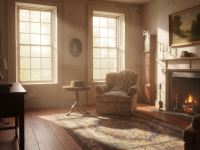
Living in an old home comes with undeniable charm and historical character, but it also includes some challenges—one of the most common being excessive dust buildup. Dust in old homes isn’t just a nuisance that covers your furniture and floors; it can also impact indoor air quality and aggravate allergies or respiratory issues. If you’re struggling with dust accumulation in your vintage residence, this comprehensive guide will help you understand why it happens and share practical solutions to keep your home cleaner and healthier.
Why Do Old Homes Accumulate So Much Dust?
Old houses tend to collect more dust than newer constructions for several reasons:

- Older Building Materials and Finishes: Paint, plaster, and wood materials in older homes tend to degrade over time, creating particles that add to dust levels.
- Gaps and Cracks: Original construction may have gaps around windows, doors, and baseboards, allowing outdoor dust and dirt to enter easily.
- Older HVAC Systems: Inefficient heating, ventilation, and air conditioning systems often circulate dust instead of filtering it out effectively.
- Lack of Proper Ventilation: Without modern air exchange systems, dust settles rather than being vented outside.
- Accumulation of Settled Dust and Dirt: Years of dust buildup in hard-to-reach corners, behind radiators, or within walls exacerbate the issue.
Top Solutions to Reduce Excessive Dust in Your Old Home
1. Deep Cleaning and Regular Maintenance
Start with a thorough deep cleaning to remove years of dust accumulation. This includes:
- Washing walls and ceilings gently with non-abrasive cleaners to capture dust particles embedded in paint and plaster.
- Cleaning or replacing curtains, drapes, and upholstery that trap dust.
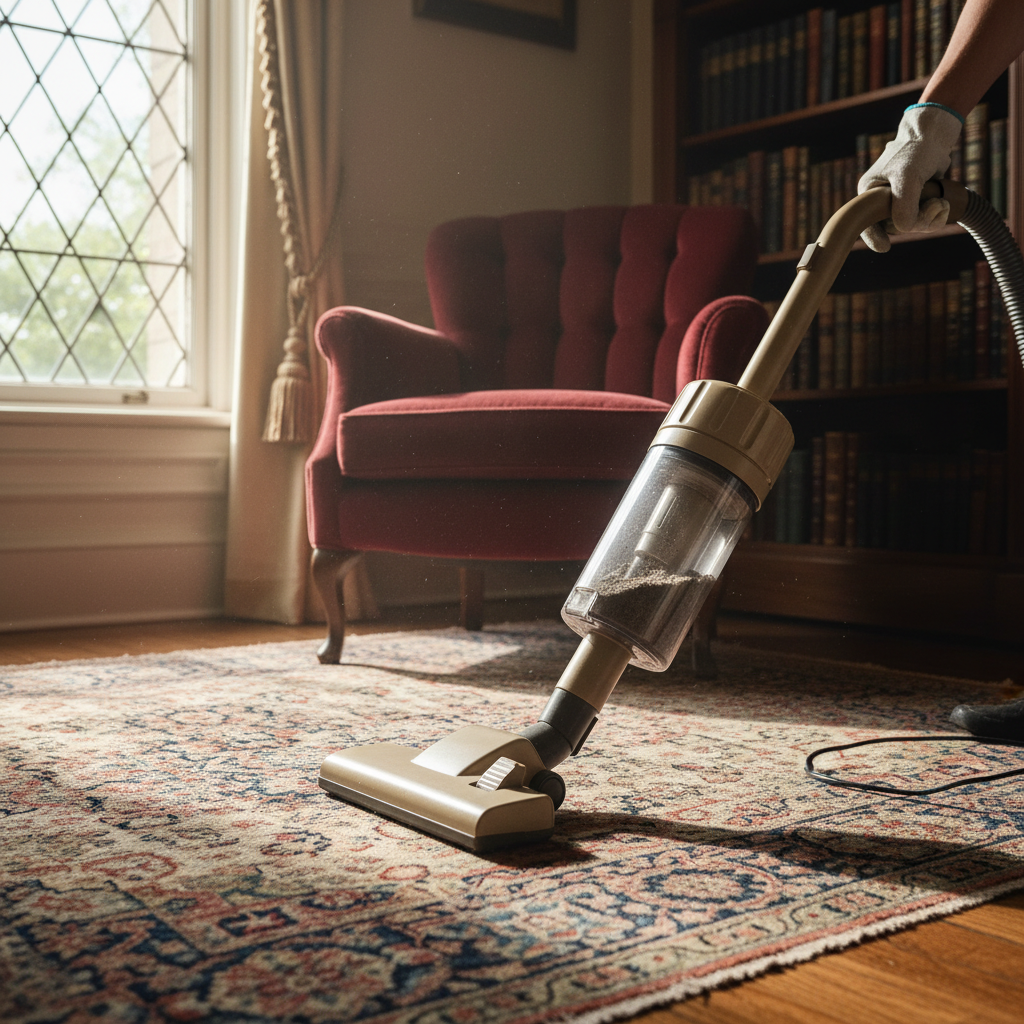
- Vacuuming carpets and rugs with a vacuum cleaner equipped with a HEPA filter, as regular vacuums can just redistribute dust.
- Dusting all surfaces using microfiber cloths, which hold dust better than traditional feather dusters.
2. Upgrade Your Air Filtration System
An efficient air filtration system dramatically reduces airborne dust. Consider installing or updating:
- HEPA Air Purifiers: Portable HEPA purifiers placed strategically around living areas help capture fine dust particles effectively.
- HVAC Filters: Upgrade to high-efficiency particulate air (HEPA) or MERV-13 filters compatible with your HVAC system to trap more dust.
- Regular HVAC Maintenance: Cleaning and servicing your HVAC system ensures it doesn’t become a source of dust circulation.
3. Seal Cracks and Improve Insulation
Reducing dust ingress from outside sources is critical. Inspect your old home for:
- Window and door seals: Replace weather stripping where needed to prevent dirt and dust infiltration.
- Baseboards, molding, and floorboards: Fill in gaps using appropriate caulk or sealants.
- Attic and crawlspace ventilation: Ensure these areas are properly insulated and sealed, reducing dust entry and microbial growth.
4. Manage Humidity Levels
Maintaining optimal humidity (between 40-60%) helps reduce dust and allergens. Dry air promotes dust circulation, while overly humid conditions encourage mold and dust mites. Use:
- Humidifiers or dehumidifiers depending on your local climate and season.
- Bathroom and kitchen exhaust fans to minimize moisture buildup.
5. Choose Dust-Resistant Furnishings and Decor
Furnishings can either trap dust or help reduce it. Opt for:
- Leather or microfiber furniture that is easy to wipe clean.
- Hard flooring options like hardwood, tile, or sealed concrete instead of wall-to-wall carpeting, which holds dust.
- Minimalistic décor with fewer knick-knacks where dust can accumulate.
Additional Tips for Long-Term Dust Control
- Remove shoes at the door to reduce dirt tracked inside.
- Use doormats both outside and inside entryways.
- Wash bedding and curtains regularly in hot water.
- Keep pets groomed and regularly bathed to minimize shed fur and dander.
- Consider adding houseplants known for air-purifying properties, but be mindful to maintain and clean them to avoid mold and dust buildup.
Frequently Asked Questions About Dust in Old Homes
Why is dust worse in old houses compared to new builds?
Old homes often have more porous and aging materials as well as unsealed gaps that allow outdoor dust in. The older HVAC systems and surfaces create an environment where dust settles and accumulates more easily.
Can repainting walls help reduce dust?
Yes. Using washable, non-toxic paint can seal porous surfaces, making walls easier to clean and preventing dust from settling deeply into plaster or drywall.
Are air purifiers effective against dust?
High-quality HEPA air purifiers are very effective at capturing fine dust particles, pollen, and other allergens from the air, improving overall indoor air quality.
How often should I replace HVAC filters in an old home?
It’s recommended to check filters monthly during high-usage seasons and replace them at least every 3 months, or more frequently if you notice dust buildup or allergy symptoms.
Conclusion
Excessive dust in old homes can be a persistent problem, but with targeted solutions—including deep cleaning, sealing gaps, updating filtration, and managing humidity—you can significantly reduce dust and improve your living environment. These improvements not only enhance cleanliness but also contribute to healthier air quality for you and your family. For more expert advice on home cleaning and maintenance, Good Housekeeping offers excellent tips on keeping your home dust-free year-round.
Related Reads
- Home Organization Tips to Reduce Clutter and Dust
- Best Air Purifiers for Allergy Relief
- How to Properly Seal Windows and Doors in Old Homes