Effective Solutions for Excessive Dust in Old Homes: A Comprehensive Guide to Cleaner Living
Excessive dust in old homes can be a persistent and frustrating problem, impacting not only the cleanliness of your living space but also your health and comfort. Older houses often harbor more dust due to aged building materials, outdated ventilation systems, and accumulated debris in hidden corners. If you’re tired of constant dust buildup and want lasting solutions, this guide will walk you through practical strategies to dramatically reduce and manage dust in your vintage living space.
Why Do Old Homes Have More Dust?
Understanding why excessive dust is more common in old homes is the first step toward effective solutions.
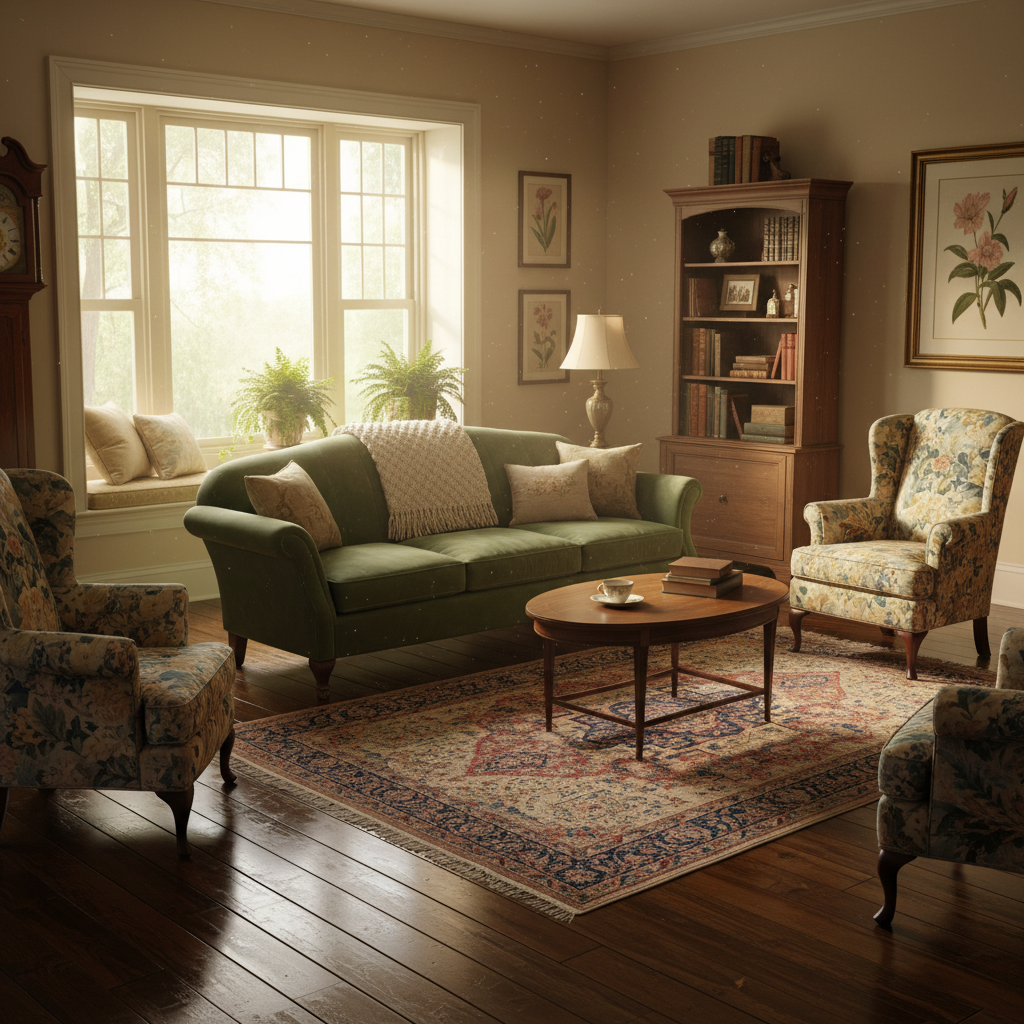
- Older Building Materials: Paint, plaster, and wood degrade over time, shedding fine particles that contribute to dust.
- Outdated HVAC Systems: Many older homes lack modern air filtration, allowing dust to accumulate and circulate freely.
- Structural Gaps and Vents: Cracks in walls, poorly sealed windows, and vents can bring in dust from outside.
- Accumulated Debris: Hidden spaces like attics, basements, and crawl spaces can store decades of dust and dirt.
Top Solutions for Managing Excessive Dust in Old Homes
1. Upgrade Your Air Filtration System
One of the most effective ways to reduce dust indoors is by improving your home’s air filtration. Consider installing a high-efficiency particulate air (HEPA) filter in your HVAC system. HEPA filters trap up to 99.97% of airborne particles, significantly reducing dust circulation.
Additionally, portable air purifiers equipped with HEPA filters can be strategically placed in high-use areas such as living rooms and bedrooms for extra dust removal. Remember to clean or replace these filters regularly for optimal performance.
2. Regular and Deep Cleaning Routines
Maintaining an effective cleaning schedule is crucial. Use microfiber cloths and electrostatic dusters that trap dust rather than spreading it around. Vacuum with a HEPA-filter vacuum cleaner on all floor surfaces, upholstery, and curtains at least twice a week.
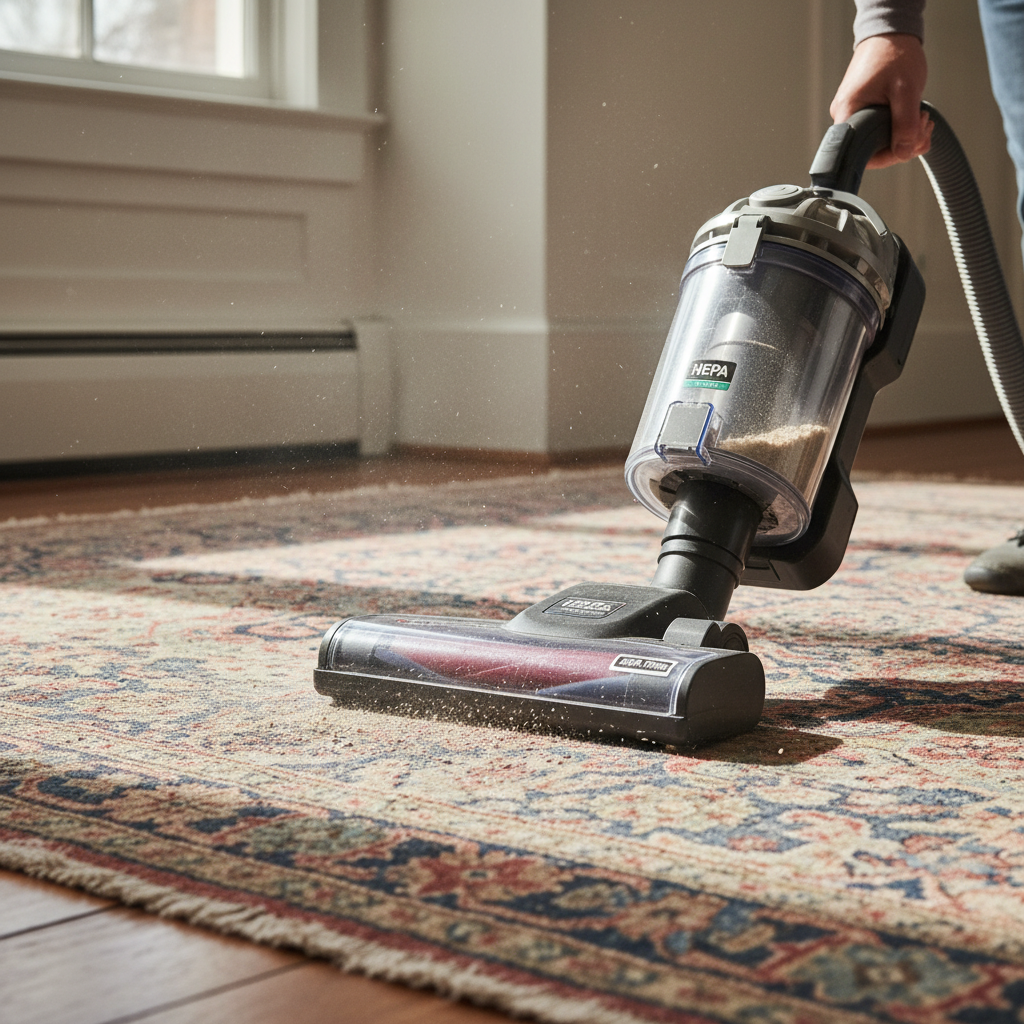
Don’t forget often-overlooked spots like baseboards, window sills, ceiling fans, and behind furniture. These areas accumulate significant dust that contributes to overall indoor air quality issues.
3. Seal Cracks and Improve Insulation
Sealing gaps around windows, doors, and walls can prevent outdoor dust from infiltrating your home. Use caulking and weatherstripping products designed for your type of window or door to create airtight seals.
Improving attic and crawl space insulation also helps stabilize indoor air and limits the movement of dust particles that may reside in these often-dusty areas.
4. Replace or Repair Old Flooring and Carpets
Old, worn carpets and rugs are notorious dust traps. If your home still has vintage carpets, consider replacing them with tightly woven rugs or hard floor surfaces like hardwood, tile, or laminate which are easier to clean.
If replacement isn’t immediately feasible, make sure to vacuum carpets frequently and consider professional carpet cleaning services to remove deep-seated dust and allergens.
5. Declutter and Minimize Dust Collection Points
Excessive clutter not only makes cleaning challenging but also provides many surfaces for dust to settle. Adopt minimalist storage solutions and keep surfaces clear for easier dusting.
Use enclosed cabinets and storage bins to protect belongings from dust accumulation and regularly revisit areas that might attract dust accumulation, such as bookshelves, knickknacks, and fabric-covered furniture.
6. Maintain Humidity Levels
Dust settles less in environments with balanced humidity. Aim to keep your home’s relative humidity between 40-50%. Using humidifiers or dehumidifiers as needed can regulate moisture levels, reducing dust mite populations and airborne dust.
7. Professional Assessment and Maintenance
If dust is a continuing problem despite your best efforts, hire a professional to inspect your home’s ventilation, insulation, and structural integrity. Experts can identify hidden sources such as mold, pests, or deteriorating materials contributing to dust problems.
Additional Tips for Long-Term Dust Control
- Remove shoes at the door to avoid tracking dirt and dust indoors.
- Opt for washable curtains and bedding, laundering them regularly.
- Keep pets groomed to reduce pet dander, a common dust component.
- Limit indoor plants in dusty rooms, as dry soil can contribute to dust levels.
Frequently Asked Questions (FAQs)
Why does dust seem to increase during certain seasons in old homes?
Dust levels often rise in spring and fall due to increased pollen, dry weather, and more frequent ventilation as windows open. The dry air also promotes dust circulation indoors.
Can old furniture be a source of dust?
Yes, aged wooden furniture, especially if unfinished or damaged, can shed particles. Upholstered furniture can trap dust mites and debris, adding to indoor dust levels.
Is dust harmful to health?
Excessive dust may trigger allergies, asthma, and respiratory irritation. It can also harbor dust mites and other allergens, making effective dust management important for healthy indoor air quality.
How often should filters in HVAC and air purifiers be replaced?
Typically, HEPA filters should be replaced every 6 to 12 months, but check manufacturer guidelines for specific recommendations based on use and environment.
Can painting or renovating reduce dust in an old home?
Yes, renovating with dust-minimizing techniques and using sealants on walls can reduce the deterioration that leads to excess dust. Fresh paint and repaired surfaces lock down loose particles.
Conclusion
While excessive dust in old homes is a common challenge, it is manageable with the right combination of cleaning, maintenance, and home improvements. Investing in air filtration, sealing gaps, decluttering, and regular cleaning can transform your dusty old home into a cleaner, healthier living space. For additional tips and expert advice on home maintenance and cleaning strategies, Good Housekeeping offers a wealth of resources to help you maintain impeccable indoor air quality.