There’s nothing quite as disconcerting as spotting moisture where it shouldn’t be, especially when it’s your pipes. That persistent pipe sweating and dripping can be more than just an annoyance; it’s a silent alert to potential problems brewing in your home. From damp basements to soggy cabinets, condensation on pipes can lead to a host of issues, ranging from unsightly water stains to serious structural damage and unhealthy mold growth. Understanding why your pipes are “sweating” and, more importantly, how to stop them from dripping is crucial for maintaining a healthy and damage-free living environment. This comprehensive guide will delve into the science behind pipe condensation, explore its hidden dangers, and arm you with effective solutions and preventative measures to keep your plumbing dry and your home protected.
What Exactly is Pipe Sweating (and Why Does it Drip)?
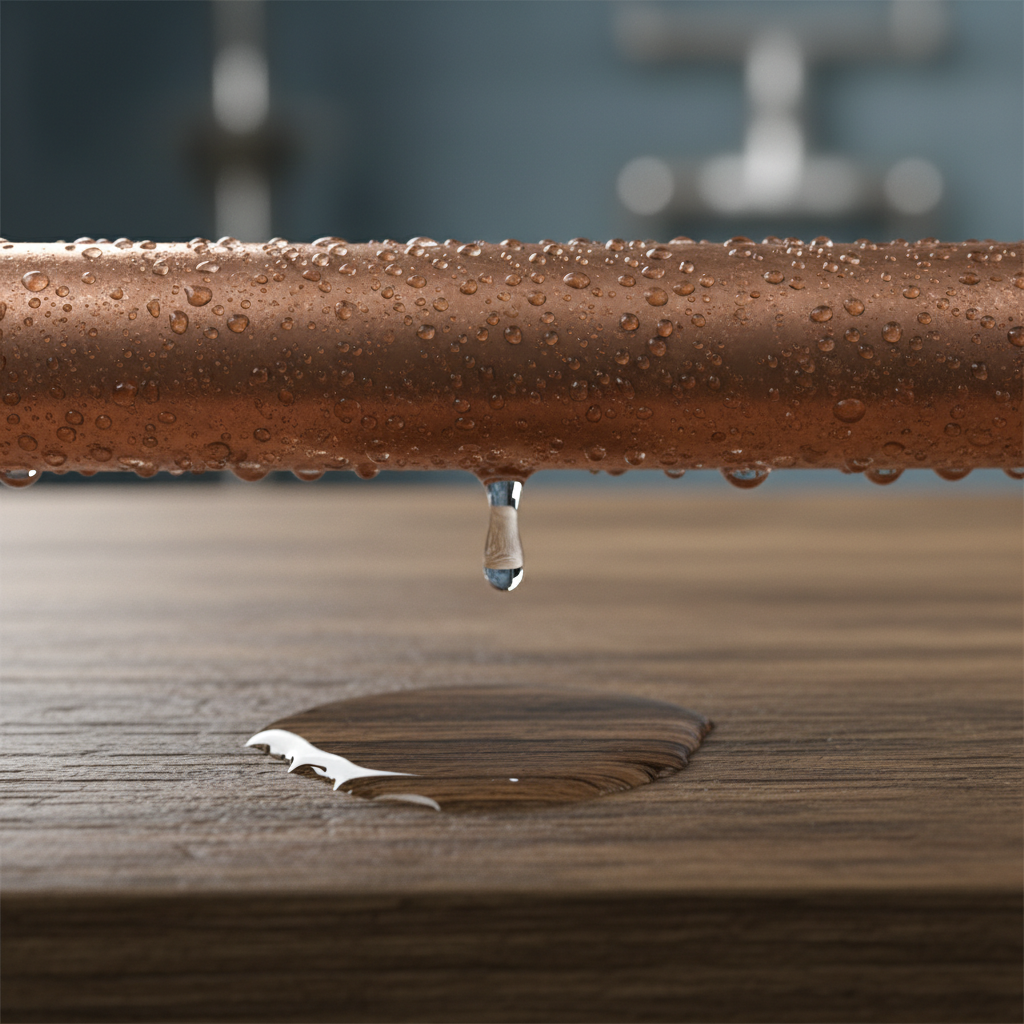
The term “pipe sweating” is a common way to describe a phenomenon known as condensation. It’s not a leak in the traditional sense, where water escapes from a crack or faulty seal in the pipe itself. Instead, it’s a natural process where moisture from the air collects on the cold surface of your pipes.

Think of a cold glass of iced tea on a hot summer day. Within minutes, the outside of the glass becomes covered in tiny water droplets. This is exactly what happens with your pipes. Cold water flowing through the pipes lowers their surface temperature significantly. When this cold surface comes into contact with warm, humid air, the air cools down. As air cools, it loses its capacity to hold moisture. The excess water vapor in the air then condenses into liquid droplets on the surface of the colder pipe. When enough of these droplets accumulate, gravity takes over, and they begin to drip.
This process is particularly noticeable on cold water supply lines, especially in areas like basements, crawl spaces, utility closets, or under sinks, where ambient air temperatures can fluctuate and humidity levels are often higher. Hot water pipes generally don’t sweat because their surface temperature is usually warmer than the surrounding air.
Common Culprits: Why Your Pipes Are Sweating
Several factors contribute to the perfect storm that causes your pipes to sweat. Identifying the root cause is the first step toward finding an effective solution.
High Indoor Humidity
This is arguably the most significant factor. When there’s a lot of moisture in the air – whether from cooking, showering, laundry, or simply humid outdoor weather – there’s more water vapor available to condense on cold surfaces. Homes in naturally humid climates or those with poor ventilation are particularly susceptible.
Uninsulated Cold Water Pipes
Pipes, especially those made of copper or PVC, are excellent conductors of temperature. Without a barrier, their surfaces quickly drop to the temperature of the cold water flowing inside. This lack of insulation means there’s nothing to stop the warm, humid air from directly contacting the cold pipe, making condensation almost inevitable.
Poor Ventilation
Areas of your home that lack adequate airflow tend to trap humid air. Basements, crawl spaces, and enclosed cabinets often suffer from poor ventilation, leading to stagnant, moisture-rich air around pipes. This creates an ideal environment for pipe sweating to occur and escalate into dripping.
Significant Temperature Differences
The greater the difference between the temperature of your pipes and the surrounding air, the more pronounced the condensation will be. This is why pipe sweating is often worse during warmer months when cold tap water is much colder than the ambient air temperature, or in homes where the HVAC system isn’t effectively managing temperature differentials throughout the house.
Seasonal Changes
Summer is prime time for pipe sweating due to higher outdoor humidity levels translating to higher indoor humidity. Conversely, in colder months, if you have a poorly insulated basement where your heating isn’t reaching, the air might still be relatively cold, but if there’s any source of humidity, condensation can still occur.
The Hidden Dangers of Dripping Pipes
While a few drips might seem harmless, ignoring persistent pipe sweating and dripping can lead to a cascade of problems that can be costly and detrimental to your home and health.
Water Damage
Constant dripping, even if it’s slow, adds up. Over time, this moisture can seep into drywall, wooden beams, flooring, and ceilings. This leads to unsightly water stains, warping of wood, peeling paint, and eventually, structural weakening. Basement floors, subflooring, and finished ceilings below utility areas are particularly vulnerable.
Mold and Mildew Growth
Mold thrives in damp, dark environments. Dripping pipes provide the perfect breeding ground. Mold spores can quickly spread, not only causing black or green discoloration on surfaces but also releasing allergens and irritants into the air. This can exacerbate respiratory issues, allergies, and asthma for occupants. Beyond health concerns, mold can also cause significant damage to building materials, requiring professional remediation.
Pest Attraction
Many common household pests, including cockroaches, silverfish, termites, and rodents, are attracted to moist environments. Dripping pipes create the damp conditions these pests seek out for breeding and survival, turning a small condensation issue into a full-blown infestation.
Reduced Indoor Air Quality
High humidity levels and the presence of mold contribute to poor indoor air quality. A musty smell is a tell-tale sign of excessive moisture and potential mold growth, which can make your home feel less comfortable and healthy.
Compromised Structural Integrity
Prolonged exposure to moisture can lead to wood rot in joists, studs, and subflooring. Metal components, such as pipes, fasteners, and HVAC ducts, can rust and corrode prematurely, potentially leading to actual leaks or system failures down the line. Over time, the cumulative effect can compromise the structural integrity of your home.
Effective Solutions: How to Stop Pipe Sweating and Dripping
The good news is that pipe sweating and dripping is a common problem with several effective solutions. By addressing the core issues, you can eliminate condensation and protect your home.
Insulate Your Pipes
This is often the most straightforward and effective solution. Pipe insulation creates a barrier between the cold pipe surface and the warm, humid air, preventing condensation from forming. It’s a relatively inexpensive DIY project that can yield significant results.
- Foam Pipe Insulation: These pre-slit cylindrical tubes made of polyethylene or rubber foam are very easy to install. They simply slip over your pipes and are sealed with adhesive strips or tape. They come in various sizes to fit different pipe diameters.
- Fiberglass Pipe Insulation: Often used for larger pipes or in commercial settings, fiberglass insulation offers excellent thermal resistance. It usually comes in rolls or pre-formed sections and requires a vapor barrier (like a foil jacket) to prevent moisture from penetrating. Gloves and masks are recommended for installation due to fiberglass particles.
- Insulating Tape: For irregularly shaped pipes, valves, or fittings, specialized insulating tape (often cork or rubber-based) can be wrapped around the components to provide a thermal barrier.
When insulating, ensure all cold water pipes are covered, including elbows, tees, and valves, where condensation can also form. A complete seal is key to preventing gaps where humid air can reach the cold surface.
Reduce Indoor Humidity
Lowering the overall humidity level in your home will significantly reduce the amount of moisture available to condense on your pipes. This is especially important in the areas where sweating is most prevalent.
- Dehumidifiers: A portable or whole-house dehumidifier can dramatically reduce ambient humidity. Place portable units in damp basements, crawl spaces, or utility rooms where pipe sweating is an issue. A whole-house system integrates with your HVAC to manage humidity throughout your entire home. For more tips on managing household humidity, you might find valuable advice on sites like Better Homes & Gardens.
- Improve Ventilation: Ensure exhaust fans in bathrooms and kitchens are used consistently during and after showering or cooking. If possible, consider adding ventilation fans to basements or crawl spaces to circulate air and expel moist air. Opening windows on dry days can also help.
- Fix Leaks: While not directly related to condensation, any water leak (from faucets, toilets, or appliances) adds moisture to the air. Promptly repairing these leaks helps reduce overall indoor humidity.
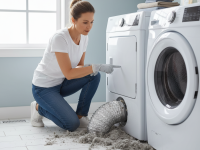
- Vent Appliances Properly: Ensure clothes dryers are properly vented to the outside and that the vent hose is not blocked or disconnected. Unvented dryers release significant amounts of moisture into your home.
- Manage Houseplants: While lovely, a large number of houseplants can contribute to indoor humidity. Consider consolidating them or placing them in well-ventilated areas.
Improve Air Circulation
Stagnant air allows humidity to build up. Promoting airflow can help disperse moisture before it has a chance to settle and condense on cold pipes.
- Fans: Use ceiling fans or portable fans in areas prone to sweating to keep the air moving.
- Clear Clutter: Ensure areas around pipes are not blocked by storage items, allowing air to circulate freely.
Address Temperature Differentials
In some cases, the issue might stem from extremely cold water temperatures or inadequate heating in certain areas of the home.
- Hot Water Recirculation Pump: While primarily for convenience, a hot water recirculation pump can keep hot water pipes slightly warmer, potentially reducing the temperature differential if cold pipes are running adjacent. This is less direct for cold pipe sweating but can influence the ambient temperature around pipes.
- HVAC Balance: Ensure your home’s heating and cooling system is properly balanced, providing consistent temperatures throughout all living spaces, including basements.
Professional Help
If you’ve tried DIY solutions and your pipes are still relentlessly sweating and dripping, or if you suspect there’s a more serious underlying issue like a genuine plumbing leak, extensive water damage, or significant mold growth, it’s time to call in the professionals. A qualified plumber can diagnose complex issues, and a mold remediation specialist can safely remove mold and address its causes.
Prevention is Key: Maintaining a Sweat-Free Home
Once you’ve tackled existing pipe sweating, maintaining a proactive approach will prevent it from recurring. Regular checks and consistent home maintenance can save you a lot of hassle and expense down the line.
- Regular Home Maintenance Checks: Periodically inspect your pipes, especially those in unheated or less-frequented areas like basements, crawl spaces, and under sinks. Look for any signs of condensation, water stains, or mold.
- Monitor Humidity Levels: Invest in a hygrometer (humidity monitor) to keep an eye on your home’s indoor humidity. Aim for levels between 30% and 50% for optimal comfort and to prevent condensation and mold growth. Adjust your dehumidifier settings or ventilation practices accordingly.
- Seasonal Insulation Checks: Over time, pipe insulation can get damaged, compressed, or fall off. During seasonal maintenance, especially before warmer, more humid months, check your pipe insulation for any gaps or deterioration and replace or repair as needed.
- Properly Vent Appliances: Always ensure exhaust fans for bathrooms and kitchens are in good working order and used consistently. Verify that your clothes dryer is correctly vented to the outside, and clean the vent regularly to prevent blockages.
- Ensure Adequate Crawl Space and Basement Ventilation: If your home has a crawl space or an unfinished basement, ensure there’s proper cross-ventilation. Consider professional solutions like vapor barriers or encapsulation if these areas are consistently damp.
Frequently Asked Questions About Pipe Condensation
Q: Is pipe sweating normal?
A: While common, especially in humid environments, significant pipe sweating and dripping is not normal and should be addressed. It indicates high humidity, insufficient insulation, or both, and can lead to serious problems if ignored.
Q: How do I know if it’s sweat or a leak?
A: Condensation usually appears as small droplets covering the surface of the pipe evenly, particularly on cold water pipes. A leak, on the other hand, typically comes from a specific point (a joint, crack, or fitting) and often results in a steady stream or faster drip from that single spot. If you can’t determine the source or if the dripping persists despite insulation and humidity control, it’s best to call a plumber.
Q: Can pipe sweating cause mold?
A: Absolutely. Constant moisture from pipe sweating and dripping provides an ideal environment for mold and mildew to grow on pipes themselves, surrounding surfaces, insulation, and even within walls and ceilings. This can lead to health issues and structural damage.
Q: What’s the best type of insulation for sweating pipes?
A: For most homeowners, pre-slit foam pipe insulation made of polyethylene or rubber foam is the easiest and most effective DIY solution. It’s affordable, simple to install, and creates a good thermal barrier. For more extreme conditions or specialized applications, professional-grade closed-cell foam or fiberglass insulation might be recommended.
Q: Should I worry about sweating pipes in my basement?
A: Yes, you should. Basements are often prone to higher humidity, making them common locations for pipe sweating. If left unaddressed, the condensation can lead to water damage on floors, walls, and stored items, as well as significant mold growth, compromising both the structural integrity of your home and the indoor air quality.
Conclusion
Pipe sweating and dripping is a clear signal that your home’s environment has an imbalance between temperature and humidity. While it might seem like a minor nuisance, the potential for water damage, mold growth, pest infestations, and compromised structural integrity is very real. Fortunately, with a combination of effective pipe insulation, diligent humidity control, and improved ventilation, you can transform a damp, problematic area into a dry, healthy space. By taking proactive steps and understanding the underlying causes, you’ll not only solve the dripping dilemma but also safeguard your home against future moisture-related issues, ensuring comfort and peace of mind for years to come.