The Critical Role of Your Porch Railing
Beyond aesthetics, porch railings serve several vital functions. They provide a barrier against falls, especially for elevated porches, decks, or balconies. They offer support when navigating stairs or uneven surfaces, and they define the boundaries of your outdoor living space. A stable, well-maintained railing gives peace of mind, knowing that children, pets, and guests are safe. When a porch railing starts to wobble or detach, these critical functions are compromised, leading to potential accidents and injuries.
Why Your Porch Railing is Becoming Loose: Common Culprits
Understanding the root cause of a loose railing is the first step toward a lasting repair. Several factors can contribute to this common problem:
1. Wear and Tear Over Time
- Material Degradation: Wood railings can rot, split, or warp due to moisture exposure, sun, and temperature fluctuations. Metal railings can rust and corrode, weakening their integrity. Composite and vinyl, while more resistant, can still degrade over decades.
- Fastener Fatigue: Screws, bolts, and nails can loosen over time due to constant stress, expansion, and contraction of materials, or simply from age and repeated leaning.
2. Environmental Factors
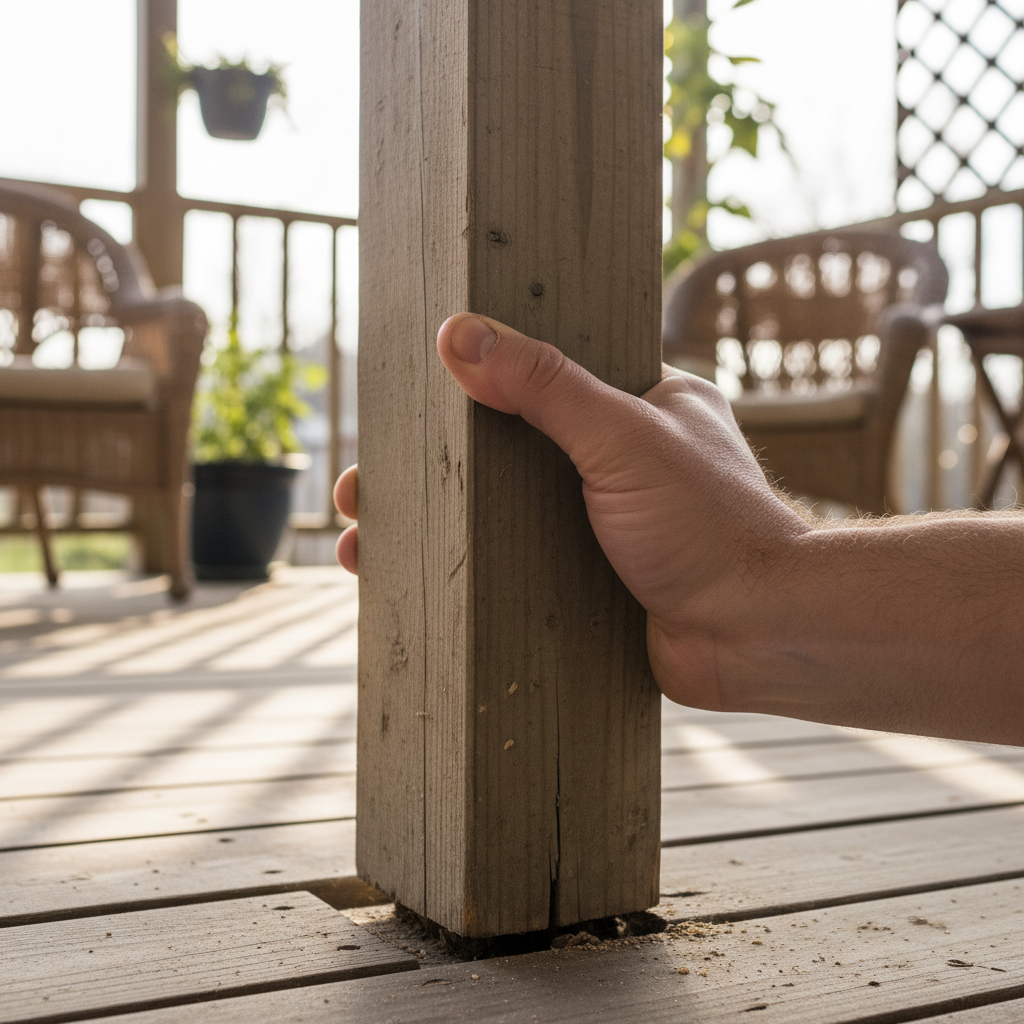
- Moisture Damage: Rain, snow, and humidity are the archenemies of many railing materials, especially wood. Constant moisture can lead to rot at the base of posts, within balusters, or where components join.
- Temperature Fluctuations: The expansion and contraction of materials in extreme heat and cold can gradually loosen fasteners and stress joints.
- UV Exposure: Sunlight’s UV rays can break down sealants, paints, and even the materials themselves, leading to cracking, fading, and weakening.
- Frost Heave: If posts are set directly into the ground without proper concrete footings below the frost line, freezing and thawing cycles can lift and shift the posts, causing significant instability.
3. Improper Installation
- Inadequate Fasteners: Using screws that are too short, too thin, or made of unsuitable material (e.g., non-galvanized screws for outdoor use) can lead to premature failure.
- Poor Post Anchorage: Posts that are not securely attached to the porch structure or deck frame (e.g., merely toe-nailed, or not using proper post anchors/brackets) are destined to become loose.
- Insufficient Structural Support: The underlying structure of the porch or deck itself might not be robust enough to support the railing system, leading to overall instability.
4. Accidental Damage or Stress
- Impact: A lawnmower bumping into a post, children playing roughly, or even an accidental fall against the railing can weaken its connections.
- Excessive Leaning: People habitually leaning on or sitting on railings can exert significant stress, gradually loosening joints and fasteners.
5. Lack of Maintenance
Ignoring minor issues like a slightly wobbly baluster or chipped paint allows small problems to escalate into major structural concerns. Regular inspections and timely repairs are crucial for preventing widespread loosening.
The Dangers of a Loose Porch Railing: More Than Just a Nuisance
A loose porch railing isn’t just an annoyance; it’s a serious hazard that poses multiple risks:
- Falls and Injuries: This is the most significant danger. A railing that gives way can lead to falls from height, resulting in severe injuries such as broken bones, head trauma, or worse. This risk is amplified for children, the elderly, or anyone with mobility issues.
- Legal Liability: As a homeowner, you have a responsibility to maintain a safe property. If someone is injured on your porch due to a neglected loose railing, you could face legal action and significant financial consequences.
- Further Structural Damage: A loose railing can put undue stress on other parts of the porch or deck structure, potentially compromising its overall stability over time.
- Decreased Property Value: A visibly damaged or unsafe railing detracts from your home’s curb appeal and can signal to potential buyers that other maintenance issues might be present.
How to Inspect a Porch Railing That’s Becoming Loose
Before you can fix the problem, you need to identify precisely where the weakness lies. A thorough inspection is key:
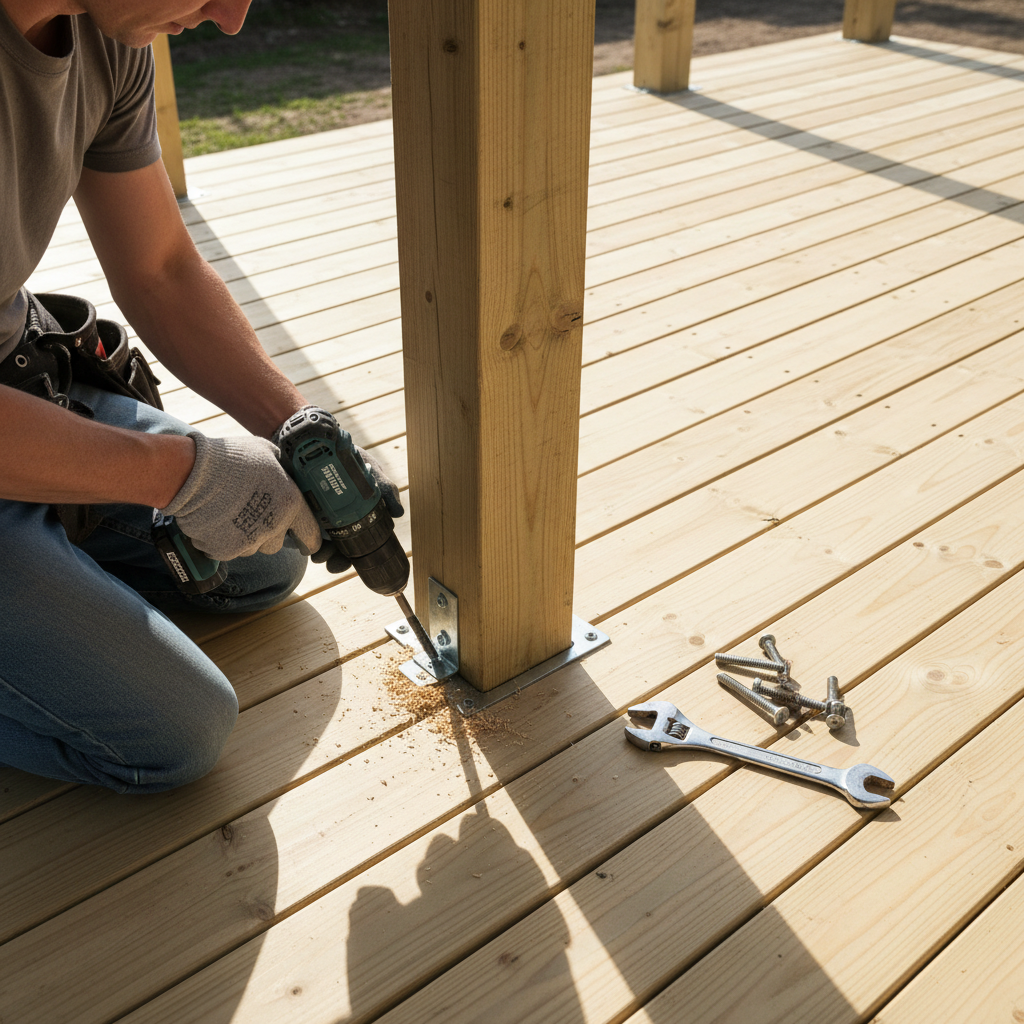
- The “Wobble Test”: Grab each post, baluster, and section of the handrail and give it a firm shake. Note where the movement originates. Is it the entire post rocking? Is a baluster detached from the top or bottom rail? Is the handrail itself pulling away from the posts?
- Visual Examination of Posts:
- Base: Check where posts meet the deck or porch surface. Look for signs of rot (soft, spongy wood), rust on metal connectors, or loose/missing fasteners.
- Shaft: Inspect the post for cracks, splits, or areas of decay.
- Inspect Balusters (Vertical Spindles):
- Top and Bottom Connections: See if they are pulling out of the rails, if the nails or screws are loose, or if the wood around the fasteners is rotted or split.
- Condition: Look for any damaged, cracked, or rotting balusters themselves.
- Examine Handrails (Top and Bottom Rails):
- Joints: Check where the handrails connect to the posts. Are the screws loose? Is the wood splitting?
- Underneath: Inspect the underside for hidden damage or loose fasteners.
- Check All Fasteners: Visually confirm that all screws, bolts, and nails are present and driven in flush. Look for any stripped screw heads or corroded fasteners.
- Look for Water Damage: Pay close attention to areas where water might pool or collect, as these are prime spots for rot and decay. This includes the bottom of posts, flat railing surfaces, and joints.
DIY Solutions for a Porch Railing Becoming Loose
Many common railing issues can be fixed with basic tools and a bit of elbow grease. Always prioritize safety and wear appropriate protective gear (gloves, eye protection).
1. Tightening Loose Fasteners
- Screws: Use a drill/driver with the correct bit to tighten any visible loose screws. Be careful not to overtighten and strip the wood.
- Stripped Screw Holes: If a screw spins freely, the hole is stripped. Remove the screw, fill the hole with wood glue and toothpicks or a wooden dowel, let it dry, then redrill a pilot hole and insert a new screw (preferably slightly larger or longer than the original). Alternatively, use a specialized stripped-screw repair kit.
- Bolts: If your railing uses bolts, use a wrench or socket set to tighten any loose nuts.
2. Reinforcing Wobbly Posts
This is often the most critical area for a loose railing. How you fix it depends on how the post is attached:
- Posts Bolted to the Deck Frame:
- Check Bolts: Ensure existing carriage bolts or lag screws are tight. If they’re corroded, consider replacing them with new, galvanized, or stainless steel fasteners.
- Add More Fasteners: If the post only has one or two fasteners, adding more heavy-duty lag screws or carriage bolts (ensuring they go into solid framing) can significantly improve stability.
- Metal Post Brackets: For severe wobbling, consider adding galvanized steel post-to-deck ties or brackets. These often wrap around the post base and bolt into both the post and the deck framing. Ensure the bracket is rated for structural use.
- Posts Set in Concrete or Direct to Ground:
- If Wobbly in Concrete: If the concrete footing is intact but the post is loose within it, you might be able to inject expanding concrete patch or gravel/epoxy filler into the gap. However, if the post is rotted at the base, replacement is usually the best option.
- If Post is Rotted at Ground Level: This is a major issue. You’ll likely need to cut off the rotted section and use a specialized post repair kit (e.g., a steel bracket that sleeves over the existing post and anchors into the ground or a new concrete footing) or replace the entire post.
- Adding Knee Braces: For extra rigidity, especially on taller posts, consider adding diagonal knee braces from the post to a secure point on the deck frame.
3. Securing Loose Balusters
- Re-screwing: If balusters are simply pulling out, pre-drill new pilot holes and use longer, exterior-grade screws to reattach them firmly to the top and bottom rails.
- Wood Glue: For wooden balusters that fit into dadoes or pockets, apply exterior-grade wood glue before screwing them back into place. Clamp them securely while the glue dries.
- Replace Damaged Balusters: If a baluster is rotted, split, or severely damaged, it’s best to replace it with a new one of the same size and material.
4. Repairing Loose Handrails
- Reinforce Joints: If the handrail is pulling away from a post, use structural angle brackets or flat mending plates underneath the rail, securely screwing them into both the rail and the post. Ensure screws are long enough to penetrate deeply but not so long they protrude.
- Add Fasteners: Sometimes, simply adding a few more appropriately sized screws at key connection points can resolve the issue.
5. Addressing Rot or Rust
- Minor Rot: For small areas of soft wood, you can scrape out the rotted material, treat it with a wood hardener, and then fill it with exterior-grade wood filler or epoxy. Sand smooth and repaint/seal.
- Extensive Rot: If rot is widespread or affects a structural component (like a post base), replacement is generally the safest and most durable solution.
- Rust: For rusted metal components, wire brush away loose rust, apply a rust-inhibiting primer, and then finish with exterior metal paint. If the rust has severely compromised the metal’s strength, replace the component.
Tools and Materials You Might Need:
- Drill/driver with various bits
- Wrench/socket set
- Exterior-grade screws and bolts (galvanized or stainless steel)
- Wood glue (exterior-rated)
- Wood filler or epoxy
- Post anchors, brackets, or repair kits
- Clamps
- Level
- Measuring tape
- Sandpaper
- Paint, stain, or sealant
- Personal protective equipment (gloves, eye protection)
When to Call a Professional
While many railing issues are DIY-friendly, there are situations where calling a licensed contractor or deck specialist is the safest and most prudent choice:
- Extensive Damage or Widespread Rot: If multiple posts, railings, or a large section of the structure shows signs of significant rot, structural compromise, or extensive insect damage, it indicates a bigger problem than a simple loose fastener.
- Unsure of the Cause: If you can’t identify why the railing is loose, or if the wobble seems to originate from the main deck structure, a professional can properly diagnose the issue.
- Beyond Your Skill Set or Tools: If the repair requires specialized tools, structural carpentry skills, or you’re simply not comfortable tackling the job, don’t hesitate to seek expert help.
- Code Compliance Concerns: Railings must meet specific local building codes for height, spacing, and load-bearing capacity. If your existing railing doesn’t meet these standards, a professional can ensure any repairs or replacements bring it up to code.
- Safety First: When in doubt about safety, always consult a professional. The cost of an inspection or repair is minimal compared to the cost of an accident. For comprehensive safety guidelines on outdoor structures, you might consult resources like Good Housekeeping’s guides on home maintenance.
Preventative Maintenance: Keeping Your Railing Secure
The best way to deal with a porch railing becoming loose is to prevent it from happening in the first place. Regular, proactive maintenance can save you time, money, and potential headaches.
- Annual Inspections: At least once a year (spring is a good time), perform a thorough inspection of your entire porch railing system. Look for any signs of wear, looseness, rot, or rust.
- Clean Regularly: Keep your railings clean. Wash off dirt, grime, mildew, and moss, which can trap moisture and accelerate decay. Use a mild soap and water solution or a specialized deck cleaner.
- Seal and Protect: For wooden railings, apply a fresh coat of exterior-grade stain or sealant every 1-3 years (depending on the product and climate). This protects the wood from moisture and UV damage. For metal railings, ensure paint is intact to prevent rust; touch up any chipped areas.
- Address Minor Issues Promptly: Don’t wait for a small wobble to become a major structural problem. Tighten loose screws, replace damaged balusters, or touch up paint as soon as you notice an issue.
- Ensure Proper Drainage: Make sure water doesn’t pool around the base of posts or on flat railing surfaces. Good drainage prevents moisture accumulation and rot.
- Check Underneath: Don’t forget to inspect the underside of your porch or deck where posts are anchored to the joists.
Choosing the Right Railing Materials for Long-Term Durability
If you’re considering replacing an old, failing railing, selecting the right materials can greatly impact its longevity and resistance to loosening.
- Pressure-Treated Wood: Affordable and rot-resistant, but requires regular sealing/staining.
- Cedar or Redwood: Naturally resistant to rot and insects, but more expensive and still benefits from sealing.
- Composite Railing: Made from wood fibers and plastic, highly resistant to rot, insects, and splitting. Low maintenance, but typically more expensive upfront.
- Vinyl Railing: PVC-based, very low maintenance, won’t rot, rust, or splinter. Limited color options, can become brittle in extreme cold over many years.
- Aluminum Railing: Lightweight, rust-proof, and durable. Often comes powder-coated for various colors and requires minimal maintenance. More costly than wood or vinyl.
- Wrought Iron or Steel: Very strong and classic aesthetic, but requires regular maintenance (painting) to prevent rust. Heavy and expensive.
Conclusion: Prioritizing Porch Safety and Stability
A porch railing becoming loose is a common home maintenance issue, but it’s one that should never be ignored. By understanding the causes, conducting regular inspections, and implementing timely repairs, you can ensure your porch remains a safe, beautiful, and inviting extension of your home for years to come. Whether you tackle the fix yourself or bring in a professional, prioritizing the stability and safety of your railing is an investment in your home’s integrity and the well-being of everyone who enjoys your outdoor space.