What Causes a Porch Roof to Sag?
Understanding why your porch roof is sagging is the first step toward finding an effective solution. Several factors, often in combination, can contribute to this concerning structural issue.
Water Damage and Rot
Water is perhaps the most common enemy of any wooden structure, and a porch roof is no exception. Leaks from the roof itself, improperly installed or clogged gutters, or even prolonged exposure to humidity can lead to moisture infiltration. Over time, this moisture causes the wood components of the roof structure—such as rafters, beams, and support posts—to soften, swell, and eventually rot. As the wood loses its structural integrity, it begins to weaken and give way, resulting in a visible sag.
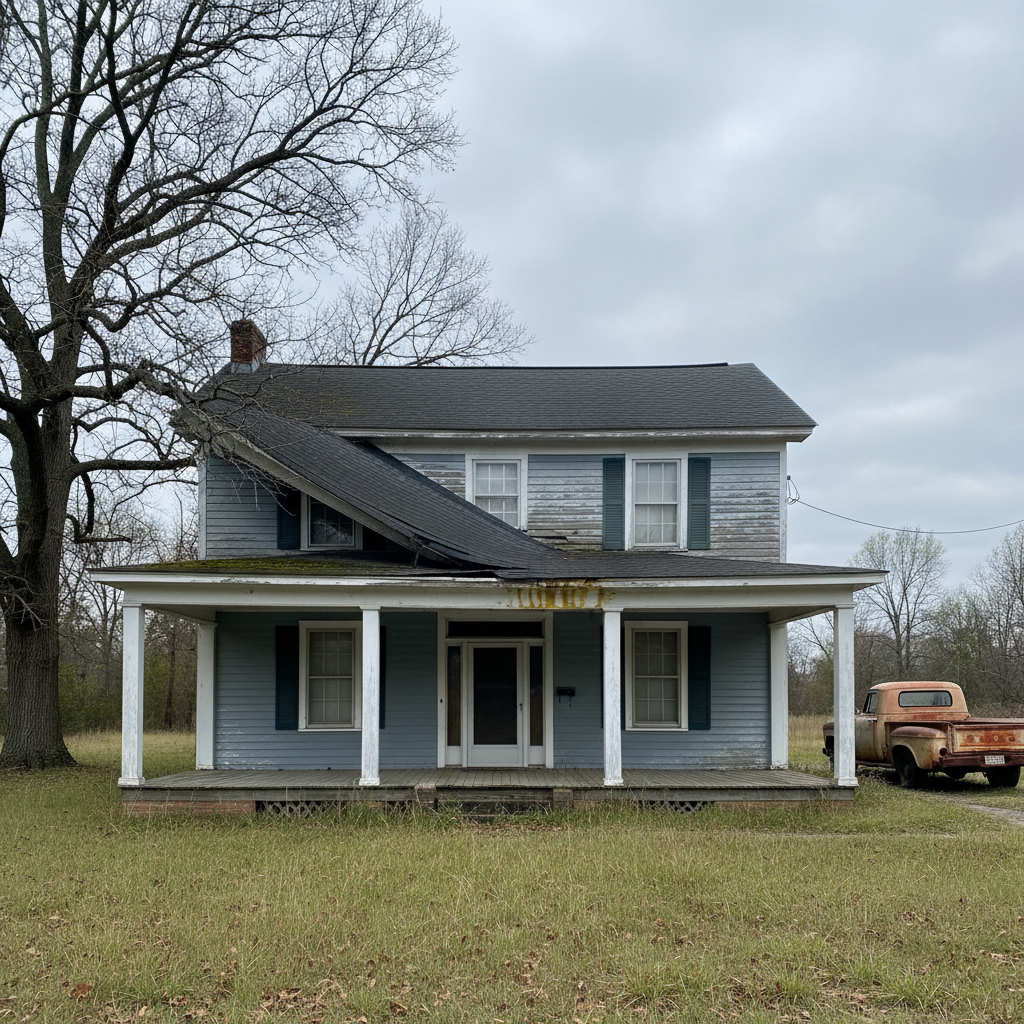
- Leaky Roof Shingles: Cracked, missing, or improperly installed shingles allow water to seep into the underlying decking and framing.
- Clogged Gutters: When gutters overflow, water runs down the fascia and walls, often finding its way into the porch structure.
- Poor Flashing: Inadequate or deteriorated flashing around walls, chimneys, or other penetrations can create pathways for water.
- Lack of Ventilation: Poor attic or porch ceiling ventilation can trap moisture, leading to condensation and wood rot, especially in humid climates.
Age and Wear and Tear
Like all building materials, a porch roof has a lifespan. Over decades of exposure to the elements, temperature fluctuations, and continuous loads, materials naturally degrade. Wood can dry out and become brittle, fasteners can corrode, and the overall structural components can weaken. This gradual deterioration, if left unaddressed through routine maintenance, can eventually manifest as a sag.
- Material Fatigue: Continuous stress from weather and gravity can cause framing members to lose their original strength.
- Corroded Fasteners: Nails, screws, and other connectors can rust and loosen, reducing the rigidity of the structure.
- Settling: Over many years, the entire house and its attached structures can experience minor settling, which can put uneven stress on the porch roof.
Foundation or Support Issues
A porch roof is only as strong as its supports. If the foundation beneath the porch posts or columns begins to settle, shift, or deteriorate, the entire roof structure above it can become uneven and sag. This is particularly common in older homes or properties built on unstable soil. Issues with the footings, piers, or even the porch slab itself can directly impact the stability of the roof.
- Settling Footings: If the concrete footings for the porch posts are not deep enough or are undermined by water, they can sink.
- Erosion: Water erosion around the base of posts or footings can compromise their stability.
- Damaged Columns/Posts: Rotting, cracked, or insect-damaged support columns directly weaken the vertical support for the roof.
Poor Original Construction or Design
Sometimes, the problem isn’t due to wear and tear but rather inherent flaws in how the porch roof was initially built. This could include:
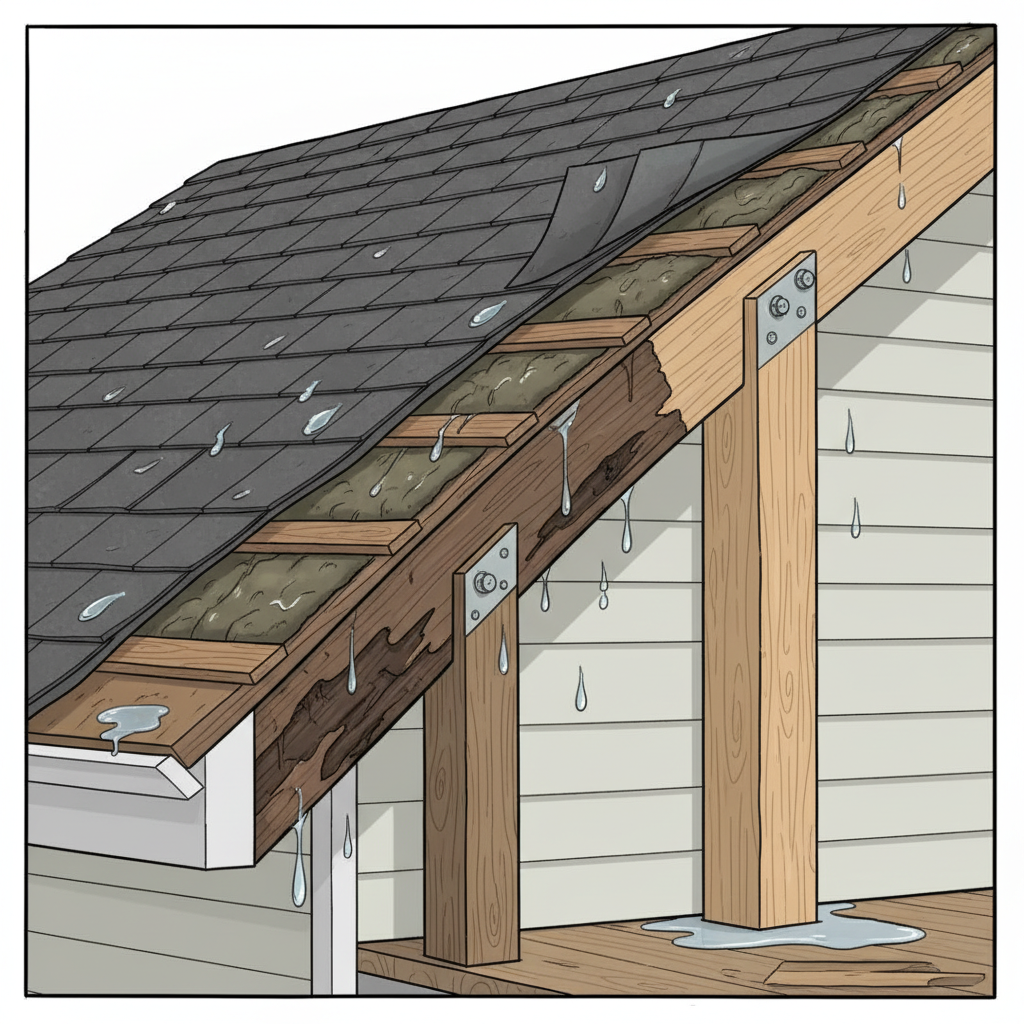
- Undersized Framing: Using rafters or beams that are too small or spaced too far apart to adequately support the roof’s weight.
- Inadequate Fastening: Using too few nails or screws, or incorrect types of fasteners, leading to a weak structure.
- Improper Pitch: A roof with too shallow a pitch might not shed water effectively, leading to water accumulation and saturation.
- Lack of Bracing: Insufficient diagonal bracing or hurricane ties can allow the structure to rack and sag under stress.
Heavy Snow or Ice Load
In regions that experience heavy winters, snow and ice accumulation can place an enormous amount of stress on a roof structure. If the porch roof was not designed to withstand such heavy loads, or if existing damage has weakened it, it can begin to sag under the weight. Ice dams can also form, trapping water and exacerbating water damage issues.
Pest Infestations
Termites, carpenter ants, and other wood-boring insects can cause significant damage to the structural integrity of a porch roof. These pests tunnel through and consume the wood, hollowing out beams and rafters from the inside. This hidden damage can severely weaken the structure, leading to an eventual sag that only becomes apparent once the damage is extensive.
The Dangers of a Sagging Porch Roof
Ignoring a sagging porch roof is never a good idea. The potential consequences range from minor annoyances to severe safety hazards and costly long-term damage.
Structural Collapse
This is arguably the most severe danger. A severely sagging porch roof indicates a significant compromise in its structural integrity. Under the right conditions—such as a heavy rainstorm, snow load, or even strong winds—the entire structure could fail and collapse. This poses an immediate threat to anyone standing underneath or near the porch, potentially causing serious injuries or even fatalities.
Further Water Damage
A sagging roof creates low points where water can pool instead of draining away. This pooling exacerbates existing leaks and creates new opportunities for water to penetrate deeper into the porch structure, the house’s exterior walls, and even its foundation. This leads to more widespread wood rot, mold growth, and potentially costly damage to the home’s interior.
Decreased Property Value
From a purely aesthetic standpoint, a sagging porch roof is an eyesore. It signals to potential buyers that the home has significant structural problems and has not been well-maintained. This can drastically reduce your home’s curb appeal and market value, making it harder to sell and requiring you to offer a lower price.
Pest Entry Points
Structural weaknesses, gaps, and rotted wood areas created by a sagging roof provide easy entry points for pests like rodents, insects, and even birds. Once inside, these pests can cause further damage to the porch and potentially make their way into the main living areas of your home.
How to Identify a Sagging Porch Roof (Signs to Look For)
Early detection is key to mitigating damage and reducing repair costs. Regular visual inspections can help you catch a sagging porch roof before it becomes a major problem.
Visible Dipping or Unevenness
The most obvious sign is a noticeable dip or curve in the roofline. Stand at a distance from your porch and look at the roofline horizontally. Does it look straight and level, or does it dip in the middle or at one end? You might also notice that the fascia board (the trim along the edge of the roof) is no longer perfectly straight.
Cracks in Ceilings or Walls
If the porch roof is attached to the main house, a sag can transfer stress to the adjacent walls or ceiling inside your home. Look for new cracks appearing in the plaster or drywall, particularly near the connection points of the porch to the house.
Misaligned Doors or Windows
A significant structural shift in the porch roof can affect the stability of adjacent structures, including doors and windows. If doors leading to the porch become difficult to open or close, or if windows start to stick or show cracks in the surrounding plaster, it could be a symptom of foundation or structural movement originating from the porch.
Water Stains or Leaks
Any signs of water damage on the porch ceiling, walls, or floor below the roof are red flags. This includes water stains, peeling paint, discolored areas, or actual drips during rain. These indicate a breach in the roof’s waterproofing, which often leads to wood rot and eventual sagging.
Soft or Spongy Wood
Carefully press on exposed wooden beams, rafters, or support posts. If the wood feels soft, spongy, or crumbles easily, it’s likely suffering from rot or severe pest damage. This loss of density means the wood can no longer support its intended load, contributing to a sag.
Repairing a Sagging Porch Roof: DIY vs. Professional
Once you’ve identified a sagging porch roof, the next step is to determine the best course of action for repair. This often boils down to assessing the severity of the damage and your own skill level.
When to DIY (Minor Issues)
Minor sagging or superficial damage might be manageable for a homeowner with solid DIY skills and the right tools. This typically applies to situations where:
- Localized Water Damage: A small section of rotted fascia or a single, easily replaceable rafter end due to a recent, contained leak.
- Loose Fasteners: The sag is minimal and appears to be caused by fasteners that have come loose, which can be re-secured or reinforced.
- Cosmetic Fixes: Repairing minor cracks in the porch ceiling that are not indicative of structural movement.
Even for minor repairs, ensure you understand basic carpentry and safety protocols, especially when working at heights. Always use proper personal protective equipment.
When to Call a Professional (Major Structural Problems)
For anything beyond superficial damage, calling a qualified professional is not just recommended, it’s essential for your safety and the longevity of your home. You should always consult with a structural engineer, a licensed contractor, or a roofing specialist if:
- Significant Sagging: The dip is pronounced, affecting a large section of the roof, or if there’s noticeable deformation in beams or posts.
- Foundation Issues: If you suspect the problem originates from settling footings or a failing foundation beneath the porch.
- Widespread Rot or Pest Damage: Extensive damage to multiple structural components suggests a deep-rooted problem that requires expert assessment and repair.
- Cracks in House Walls/Foundation: If the sag is affecting the main structure of your home, this is a serious structural issue.
- Uncertainty: If you’re unsure about the cause or the extent of the damage, it’s always safer to get a professional opinion.
Professionals have the experience, tools, and knowledge to correctly diagnose the problem, implement safe lifting and shoring techniques, and ensure the repairs meet building codes and structural standards.
Common Repair Methods for a Sagging Porch Roof
The specific repair method will depend on the cause and extent of the sag. Here are some common approaches professionals take:
Reinforcing or Replacing Rafters/Beams
If the main structural members of the roof (rafters or beams) are weakened, they often need to be either reinforced or replaced.
Reinforcement: This involves “sistering” the damaged member by attaching a new, equally sized piece of lumber flush against the existing one. This effectively doubles the strength.
Replacement: For severely rotted or broken rafters/beams, the damaged section or the entire member must be carefully removed and replaced with new, properly sized lumber. This often requires temporary shoring to support the roof during the replacement process.
Addressing Water Damage and Rot
Any repair must first address the source of the water infiltration. This could involve:
- Roof Repair: Fixing or replacing damaged shingles, patching leaks, or installing new flashing.
- Gutter Maintenance: Cleaning, repairing, or replacing damaged gutters and downspouts to ensure proper water drainage away from the porch.
- Wood Treatment: After removing rotted wood, treating surrounding healthy wood with fungicides and wood preservatives to prevent future rot.
Repairing or Replacing Posts/Columns
If the vertical supports are compromised, they need attention.
Repair: For minor rot at the base of a post, a contractor might be able to cut out the damaged section and install a sturdy, treated wood splice.
Replacement: Severely damaged posts or columns must be replaced entirely. This involves temporarily shoring up the roof, removing the old post, and installing a new, properly dimensioned and treated post, ensuring it’s securely anchored to both the footing and the roof beam.
Foundation Repair for Porch Supports
If the concrete footings or piers beneath the porch posts are failing, the repair might involve:
- Underpinning: Extending existing footings deeper into the ground to reach more stable soil.
- New Footings: Pouring new, larger, or deeper concrete footings.
- Slab Repair: If the entire porch slab is settling, it might require mudjacking (injecting material to lift the slab) or more extensive concrete repair.
Improving Drainage
Preventing future water accumulation is critical. This may involve:
- Regrading: Ensuring the ground around the porch slopes away from the foundation.
- French Drains: Installing subsurface drainage systems to divert water.
- Extended Downspouts: Ensuring downspouts direct water several feet away from the porch and house foundation.
Preventative Measures to Avoid Future Sagging
Proactive maintenance is the best defense against a sagging porch roof. A little effort now can save you a lot of money and headaches later.
Regular Inspections
Make it a habit to inspect your porch roof and its supporting structures at least twice a year, ideally in spring and fall. Look for:
- Any signs of new dipping or unevenness.
- Cracks or peeling paint.
- Water stains or signs of moisture.
- Loose or missing shingles.
- Soft or spongy wood in posts, beams, or the ceiling.
- Pest activity (sawdust piles, small holes, mud tubes).
For a thorough inspection, consider hiring a professional every few years, especially if your porch is older or larger.
Proper Gutter Maintenance
Clean your gutters regularly, especially after heavy leaf fall or before winter. Ensure they are free of debris, properly sloped, and securely attached. Check that downspouts are clear and directing water away from your home’s foundation and porch supports. Consider installing gutter guards to minimize clogging.
For more tips on gutter maintenance, resources like Good Housekeeping offer detailed guides on how to keep your gutters in top shape.
Adequate Ventilation
If your porch has an enclosed ceiling, ensure there is adequate ventilation to prevent moisture buildup and condensation. Proper airflow can significantly reduce the risk of wood rot and mold growth within the roof structure.
Timely Repairs
Don’t put off small repairs. A minor leak in the roof or a loose shingle can quickly lead to extensive wood rot if left unaddressed. Fix any issues as soon as you discover them.
Choosing Durable Materials
When building a new porch or undertaking a major renovation, invest in high-quality, durable materials. Use pressure-treated lumber for any components exposed to moisture or ground contact. Consider composite materials for decking and railings, which are resistant to rot, pests, and weathering.
Ensure that the roof pitch and framing are appropriate for your local climate, especially if you experience heavy snow loads.
FAQs About Sagging Porch Roofs
Q1: How much does it cost to fix a sagging porch roof?
A1: The cost to fix a sagging porch roof varies widely depending on the cause, the extent of the damage, and whether you need to hire a professional. Minor repairs like replacing a few rafters might cost a few hundred dollars. However, major structural repairs involving beam replacement, foundation work, or widespread rot can easily range from $2,000 to $10,000 or more. Getting multiple quotes from licensed contractors is always recommended.
Q2: Can I live in a house with a sagging porch roof?
A2: While you can technically “live” in a house with a sagging porch roof, it’s a significant safety concern and should be addressed immediately. A severely sagging roof indicates structural failure that could lead to collapse, posing a risk to anyone on or near the porch. It’s advisable to restrict access to the porch until repairs are completed, especially if the sag is pronounced or progressing rapidly.
Q3: How long does a porch roof last?
A3: The lifespan of a porch roof depends on its construction materials, quality of installation, and maintenance. A well-built and regularly maintained porch roof can last anywhere from 20 to 50 years, often matching the lifespan of the main house roof if similar materials are used. Factors like harsh weather, neglect, and poor initial construction can significantly shorten its lifespan.
Q4: What’s the difference between a sagging and a bowed roof?
A4: While often used interchangeably, there’s a subtle distinction. A “sagging” roof typically refers to a downward dip in the middle or across a section of the roof, often caused by weakened structural members (like rafters) or excessive load. A “bowed” roof, or more accurately “crowned,” usually refers to a central upward curve, often seen in large beams or trusses under compression, or sometimes due to uneven settling. Both indicate structural stress, but sagging generally implies a more immediate concern due to gravity’s effect on weakened components.
A sagging porch roof is more than just an aesthetic flaw; it’s a clear indicator of underlying structural issues that need immediate attention. By understanding the causes, recognizing the warning signs, and taking prompt action—whether through DIY fixes for minor issues or by calling in qualified professionals for significant structural damage—you can protect your investment, ensure safety, and restore your home’s curb appeal. Regular maintenance and preventative measures are your best allies in keeping your porch roof strong, stable, and beautiful for years to come.