Understanding Why Your Porch Roof Might Be Sagging
A sagging porch roof doesn’t happen overnight. It’s often the cumulative result of various factors working in tandem, weakening the structure over time. Identifying the root cause is the first critical step toward a lasting solution.
Water Damage: The Primary Culprit
Water is arguably the most destructive force for any home’s exterior, and a porch roof is no exception. Prolonged exposure to moisture can wreak havoc on wooden structural components.
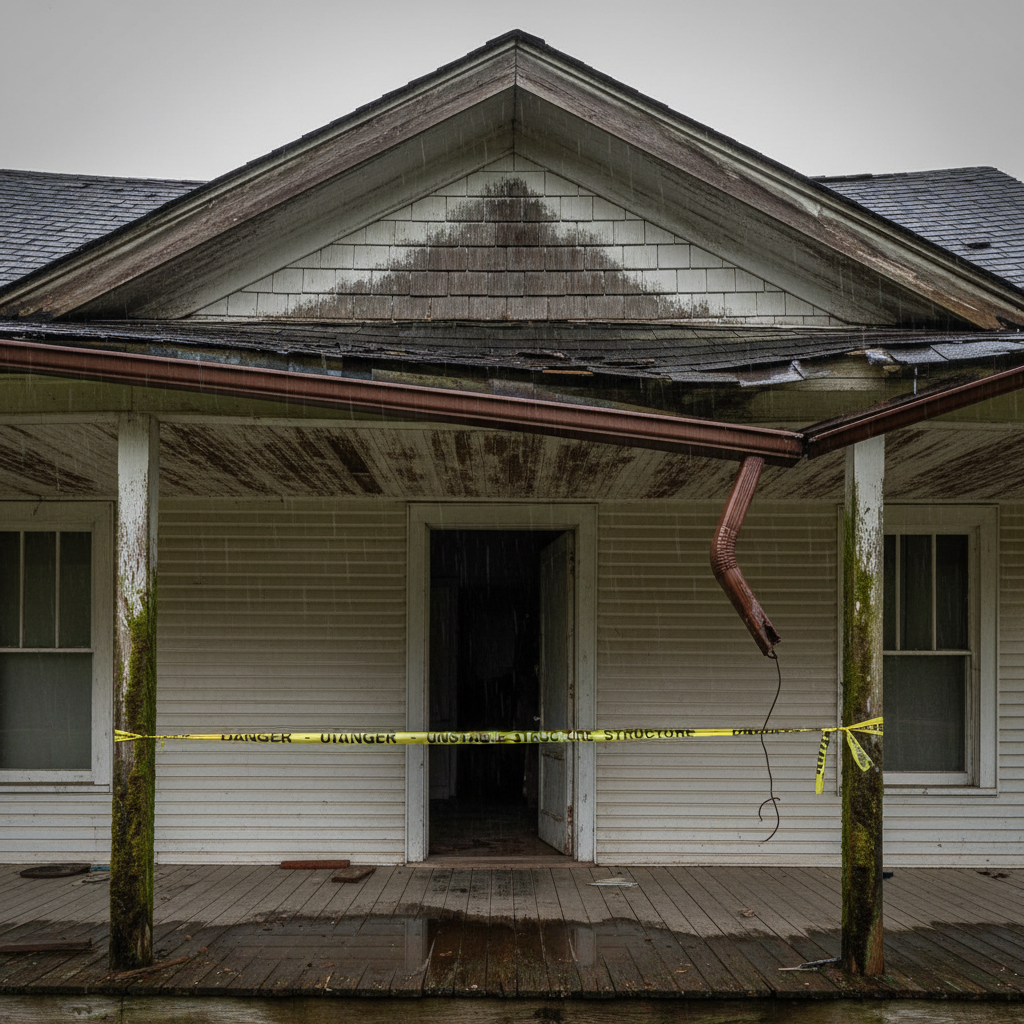
- Leaky Gutters and Downspouts: Clogged or damaged gutters can cause rainwater to overflow directly onto the porch structure, saturating beams, joists, and posts.
- Damaged Shingles or Flashing: Missing, cracked, or improperly installed roof shingles, along with faulty flashing around the house connection points, allow water to penetrate the roof deck. Once water seeps in, it can lead to wood rot, weakening the integrity of the framing members.
- Poor Drainage: If water pools on the porch roof itself (especially with low-slope designs) or against its supporting posts, it accelerates decay and structural degradation.
Insufficient Structural Support
Sometimes, the issue isn’t damage, but an inherent flaw in the porch’s original construction or design.
- Inadequate Sizing of Beams and Joists: If the supporting beams or roof joists are too small for the span they need to cover or the load they are expected to bear (e.g., heavy snow, strong winds, or even the weight of the roofing materials themselves), they will naturally begin to deflect or sag over time.
- Too Few Support Posts: A porch roof with too few supporting posts can place undue stress on the existing members, causing them to bow under the weight.
- Overloading: While less common for a porch roof, excessive weight from accumulated snow, ice, or even poorly installed heavy roofing materials can stress an already marginally supported structure.
Material Degradation Over Time
Even well-built structures are subject to the natural processes of aging and deterioration.
- Aging and Weathering: Over decades, wood can lose its strength due to cycles of expansion and contraction from temperature changes, UV exposure, and general wear. This can lead to the slow weakening and eventual sagging of a porch roof.
- Pest Infestations: Termites, carpenter ants, and other wood-boring insects can tunnel through structural wood, hollowing it out and significantly compromising its strength. An infestation can quickly turn a sturdy beam into a fragile shell.
- Wood Rot (Dry Rot/Wet Rot): Beyond direct water damage, fungal growth (wood rot) can occur in damp, poorly ventilated areas, consuming the cellulose in the wood and making it brittle and weak.
Foundation Problems
While often overlooked, issues with the porch’s foundation or footings can also contribute to a sagging porch roof.
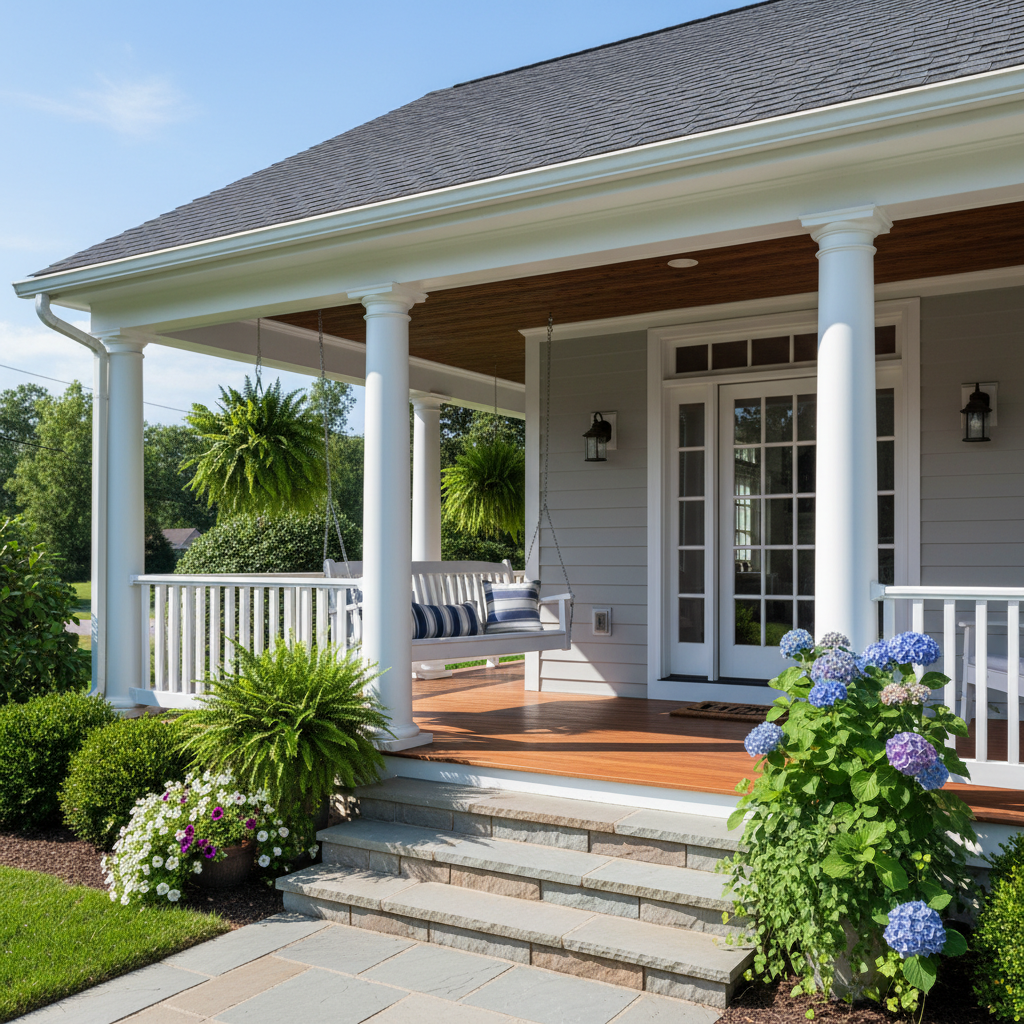
- Settling Footings: If the concrete footings supporting the porch posts are not deep enough, improperly constructed, or placed on unstable soil, they can settle unevenly. This differential settling can cause the posts to sink, leading to a visible sag in the roofline.
- Erosion: Water runoff around the base of the porch posts can erode the soil, undermining the footings and causing instability.
Early Warning Signs: How to Identify a Sagging Porch Roof
Catching a problem early can save you significant time, money, and stress. Regular visual inspections are crucial for identifying the subtle hints that your porch roof might be compromised.
Visual Cues
These are the most obvious indicators of a structural issue.
- Visible Dips or Curves: Stand back from your porch and look at the roofline. Is it perfectly straight and level, or do you see noticeable dips, humps, or a general curve where there shouldn’t be one? Even a slight deviation can indicate a problem.
- Cracks or Gaps: Look for cracks in the fascia board, soffits, or ceiling panels of the porch. Noticeable gaps appearing where the porch roof connects to the main house structure, or between beams and posts, are strong indicators of movement or settlement.
- Misaligned Flashing or Trim: The metal flashing that seals the roof against the house, or any decorative trim work, might appear pulled away, bent, or distorted if the underlying structure is shifting.
- Ponding Water on the Roof Surface: If your porch roof is flat or low-sloped, any areas where water consistently pools after rain are likely points of sag.
- Bowed or Leaning Posts: While the roof itself might be sagging, sometimes the supporting posts are the first to show stress, appearing bowed, leaning, or even splitting.
Functional Indicators
Sometimes, the signs aren’t directly on the roof itself but manifest in its immediate vicinity.
- Sticking Doors or Windows: If doors or windows that are part of or adjacent to the porch structure suddenly become difficult to open or close, it could mean the frame around them has shifted due to structural stress from the sagging roof.
- Creaking or Groaning Noises: During windy conditions or when there’s heavy snow on the roof, listen for unusual creaking, groaning, or cracking sounds. These can indicate structural components under stress.
- Increased Water Ingress: If you notice new leaks or water stains on the porch ceiling or floor, especially after rain, it’s a clear sign of water penetration, which can be both a cause and a symptom of a sagging roof.
The Dangers of Neglecting a Sagging Porch Roof
A sagging porch roof is more than just an eyesore; it’s a serious hazard that can have far-reaching implications for your home and personal safety.
Structural Integrity Compromise
- Risk of Collapse: This is the most alarming danger. As a roof sags, the structural members are put under increasing stress. Eventually, they can fail suddenly, leading to a catastrophic collapse of the entire porch roof, potentially injuring anyone underneath.
- Damage to the Main House Structure: The porch structure is often tied into the main house. A sagging porch roof can exert downward or outward pressure on the adjacent walls and foundation of your home, leading to cracks in walls, misaligned windows and doors, and even damage to the house’s foundation.
Safety Hazards
- Injury Risk: A collapsing porch roof poses an immediate threat of severe injury or even fatality to anyone standing on or near the porch.
- Tripping Hazards: If the sag is significant and affects the porch floor or stairs, it can create uneven surfaces and tripping hazards.
- Falling Debris: As the structure weakens, pieces of fascia, soffit, or roofing material can break off and fall, posing a danger.
Diminished Property Value
- Curb Appeal Reduction: A visible sag instantly detracts from your home’s curb appeal, making it look poorly maintained and neglected. This can significantly lower its perceived value.
- Difficulties in Selling: Potential buyers are often wary of homes with obvious structural issues. A sagging porch roof will likely be flagged during a home inspection, leading to demands for costly repairs, lower offers, or even scaring buyers away entirely.
What to Do When Your Porch Roof is Sagging: A Step-by-Step Guide
Addressing a sagging porch roof requires a systematic and, in most cases, professional approach. Safety should always be your top priority.
Assess the Situation Safely
Before doing anything, visually inspect the extent of the sag from a safe distance. Look for obvious signs of severe damage, such as deeply bowed beams, large cracks, or significant separation from the house. If the sag is severe or appears to be worsening rapidly, avoid using the porch altogether.
When to Call a Professional (Always Recommended)
For any significant sag or structural concern, consulting a professional is not just recommended, it’s essential. Structural repairs are complex and require specialized knowledge and experience.
- Structural Engineer: For complex or severely damaged structures, a structural engineer can accurately assess the load-bearing capacity, identify the precise cause of the sag, and design a safe and effective repair plan.
- Experienced Contractor: Look for a reputable general contractor or a specialized roofing/carpentry contractor with experience in structural repairs. They can implement the engineer’s plan or, for less severe cases, propose and execute appropriate repair solutions.
- Why Professional Help is Crucial:
- Safety: Professionals have the equipment and expertise to safely support and repair the structure.
- Expert Diagnosis: They can accurately pinpoint the underlying cause, ensuring a long-term fix, not just a cosmetic one.
- Compliance: Repairs often need to meet local building codes, and professionals are familiar with these requirements.
- Insurance: Professional work often comes with warranties and is covered by insurance, protecting you from future issues.
Temporary Support Measures (If Absolutely Necessary and Safe)
In very specific, urgent situations where collapse seems imminent and you’re waiting for professionals, temporary shoring might be considered. However, this is extremely risky and should only be attempted if you have experience with structural support and suitable materials. It’s almost always better to evacuate the area and wait for experts. If attempting, use sturdy 4×4 posts cut to exact length, placed vertically under the lowest points of the sag, with load-distributing plates at the top and bottom. Again, this is a very temporary measure and no substitute for professional repair.
Common Repair Approaches
The exact repair strategy will depend entirely on the cause and extent of the sag.
- Replacing Damaged Components: If beams, joists, or posts are rotten or severely damaged, they will need to be carefully removed and replaced with new, properly sized lumber.
- Adding New Support Structures: In cases of insufficient original support, new posts, beams, or even bracing might be added to bolster the existing framework.
- Reinforcing Existing Framework: Sound but undersized beams can sometimes be reinforced by “sistering” them with new, identical lumber bolted alongside the original, effectively doubling their strength.
- Addressing Water Ingress: Any repair must include fixing the source of water damage. This means repairing or replacing leaky gutters, damaged shingles, or faulty flashing to prevent future decay.
- Leveling Porch Foundation: If the issue stems from settling footings, the porch structure might need to be jacked up, and new, deeper, or more stable footings poured or repaired.
- Pest Extermination and Prevention: If pests are the cause, they must be eliminated, and preventative measures taken before structural repairs begin.
Preventing Future Sagging: Maintenance Tips for a Durable Porch Roof
Once your porch roof is restored to its proper glory, proactive maintenance is key to preventing a recurrence of sagging issues.
Regular Inspections
Make it a habit to visually inspect your porch and roof at least once a year, preferably in spring and fall. Look for:
- Any new dips, cracks, or separations.
- Signs of water staining or dampness.
- Gaps in flashing or damaged shingles.
- Pest activity (sawdust piles, small holes, mud tubes).
- Rusting fasteners or hardware.
Effective Water Management
This is paramount for preserving wooden structures.
- Clean Gutters and Downspouts: Regularly clear leaves, twigs, and debris from gutters and ensure downspouts divert water well away from the porch footings and house foundation.
- Maintain Roof Shingles: Promptly repair or replace any damaged, missing, or curling shingles on both the porch roof and the main house roof that might impact the porch. Ensure flashing is intact and properly sealed.
- Proper Drainage: Ensure any low-slope porch roofs have adequate slope for water runoff and that the ground around porch posts is graded away from the structure.
Adequate Structural Reinforcement
If you’re building a new porch or extensively renovating, ensure that all structural components (posts, beams, joists) are appropriately sized and spaced according to local building codes and engineering best practices for the expected loads in your climate zone. This insight from HGTV emphasizes the importance of proper design.
Pest Control
Implement a preventative pest control strategy, especially if you live in an area prone to termites or carpenter ants. Regular inspections by a pest control professional can help catch infestations early.
Foundation Stability
Monitor the ground around your porch posts for signs of erosion or settling. Address any issues promptly to maintain the stability of the porch’s foundation.
Frequently Asked Questions About Porch Roof Sagging
How much does it cost to fix a sagging porch roof?
The cost to repair a sagging porch roof varies widely depending on the cause, extent of damage, materials needed, and local labor rates. Minor repairs, like replacing a single rotten post, might cost a few hundred dollars. However, extensive structural overhauls involving multiple beams, joists, foundation work, and engineer consultations can easily range from $3,000 to $10,000 or more. Obtaining multiple detailed quotes from qualified professionals is essential.
Can I fix a sagging porch roof myself?
While minor cosmetic fixes might be DIY-friendly, structural repairs for a sagging porch roof are generally not recommended for the average homeowner. They require expertise in carpentry, structural engineering principles, and often specialized equipment for shoring and lifting. Incorrect repairs can lead to further damage, safety hazards, and may not comply with building codes. It’s always safest to consult a professional.
How long does a porch roof typically last?
The lifespan of a porch roof depends on its construction quality, materials used, climate, and maintenance. A well-built and properly maintained porch roof can last 20 to 50 years or even longer. However, factors like persistent water exposure, pest infestations, or structural overloading can significantly reduce its lifespan.
What kind of professional should I hire for porch roof repair?
For a sagging porch roof, you should ideally consult a structural engineer first to diagnose the problem and design a solution. Then, hire a reputable general contractor or a specialized carpentry/roofing contractor with proven experience in structural repairs to execute the work. Ensure they are licensed, insured, and can provide references.
Is a sagging porch roof an emergency?
A severely sagging porch roof with visible cracks, rapid deterioration, or signs of imminent collapse is an emergency that requires immediate attention. Evacuate the area and contact professionals right away. Even a minor sag should be considered urgent, as it indicates an underlying problem that will only worsen over time, potentially leading to a dangerous situation and more costly repairs.
A sagging porch roof is a call for action, not a detail to overlook. By understanding the causes, recognizing the signs, and taking prompt, professional action, you can restore the safety, beauty, and value of your porch and your entire home. Don’t let your home slouch; give your porch the stable foundation and strong roof it deserves.