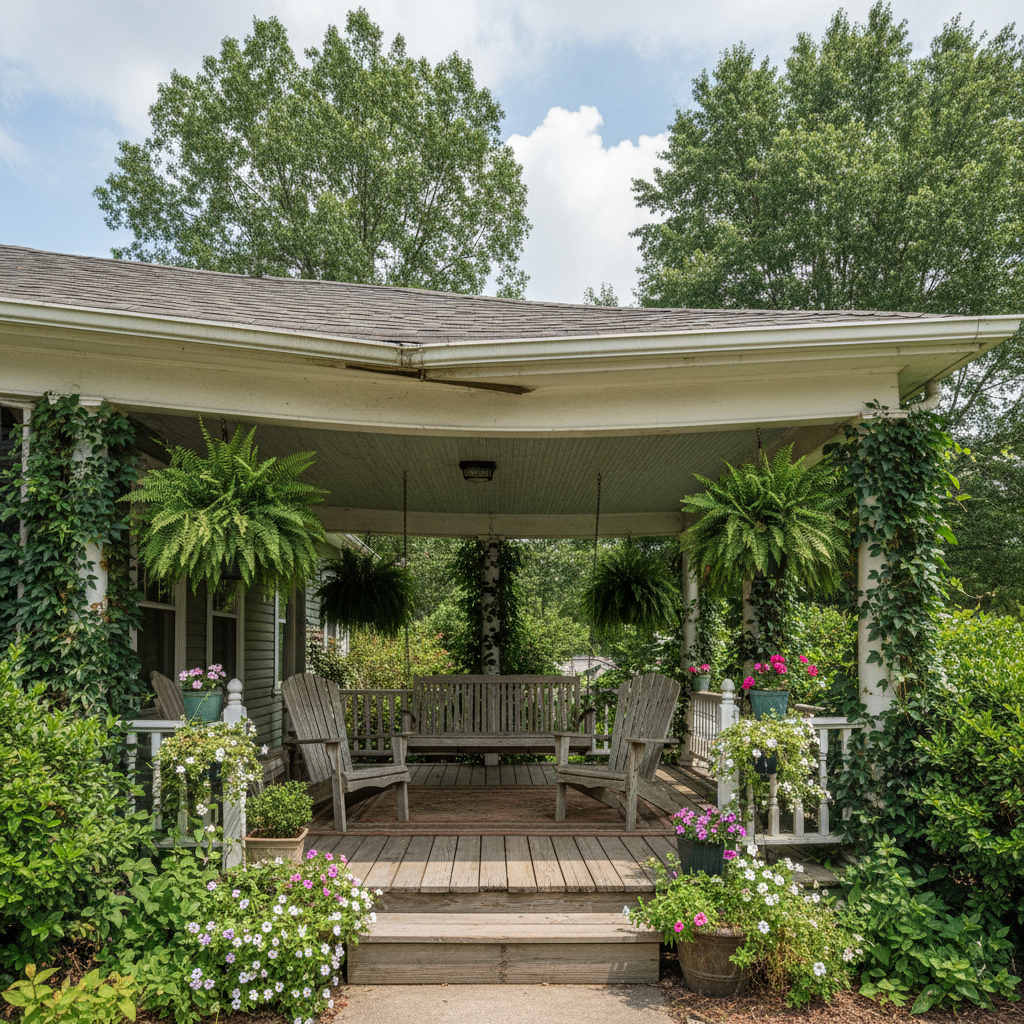
What Causes Your Porch Roof to Sag?
A variety of factors can contribute to a porch roof sagging, from environmental assaults to simple wear and tear. Understanding the root cause is the first step toward effective remediation.
Water Damage and Rot
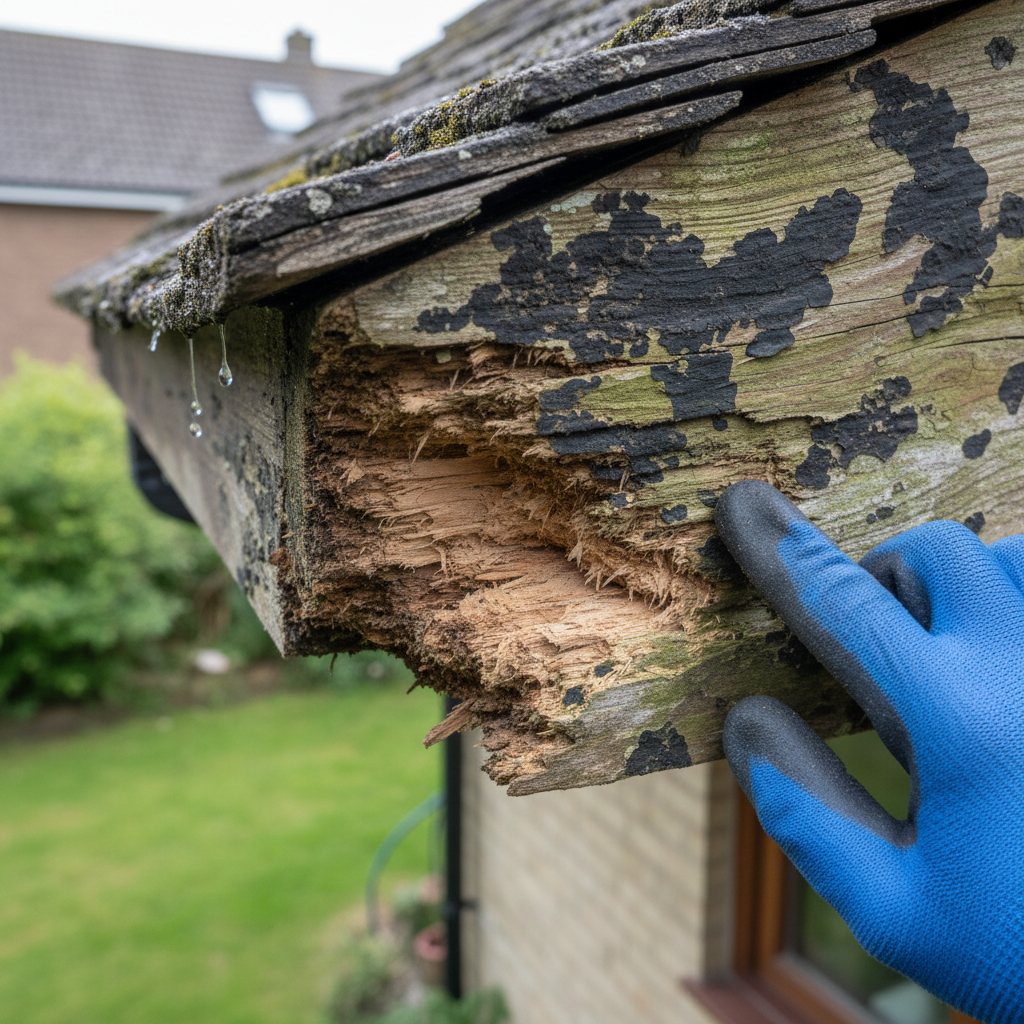
This is arguably the most common culprit behind a failing porch roof. Water can infiltrate the structure through leaky gutters, damaged flashing, or cracked roofing materials. Once inside, it saturates wooden beams, rafters, and support posts, leading to rot. As wood rots, it loses its structural integrity, becomes spongy, and can no longer bear the load of the roof above it, inevitably leading to a noticeable sag.
- Leaky Gutters: Overflowing or clogged gutters direct water directly onto the porch structure rather than away from it.
- Damaged Flashing: Compromised flashing around the junction of the porch roof and the main house roof allows water to seep into critical connections.
- Missing or Damaged Shingles: Any breach in the roofing material exposes the underlayment and structural wood to moisture.
Structural Issues and Foundation Problems
The entire porch structure, including its roof, relies on a solid foundation. If the porch’s foundation settles unevenly, cracks, or shifts over time, it can throw off the alignment of the support posts and beams. This misalignment places undue stress on certain parts of the roof structure, causing it to weaken and sag. Similarly, if the original construction had inherent flaws, such as undersized beams or inadequate connections, the roof might sag under its own weight over time, especially during heavy snowfalls or strong winds.
Age and Wear
Even well-built structures have a finite lifespan. Over decades, constant exposure to the elements—sun, rain, snow, and fluctuating temperatures—takes its toll. Materials can degrade, fasteners can loosen, and the natural expansion and contraction of wood can lead to stress fatigue. Older porches, particularly those that haven’t received regular maintenance, are more susceptible to the cumulative effects of age, which can manifest as a gradual sagging of the roof.
Inadequate Support
Sometimes, the problem isn’t damage but rather an initial design flaw. If the porch roof was built without sufficient support posts, beams, or rafters for its span and weight, it’s destined to sag eventually. This is often seen in DIY projects where engineering principles might have been overlooked, or in older homes where building codes were less stringent. Adding extra weight, such as heavy decorative elements or even a thick layer of snow, can exacerbate this issue.
Excessive Weight
While a well-designed porch roof is built to withstand typical environmental loads, extreme conditions or added weight can push it beyond its limits.
- Heavy Snowfall: In regions with significant winter weather, accumulated snow and ice can exert immense pressure on a roof, causing it to sag or even collapse if not properly designed or maintained.
- Roof-Mounted Equipment: Adding heavy items like satellite dishes, solar panels, or even decorative planters directly onto the porch roof can increase the load beyond its structural capacity.
Is a Sagging Porch Roof Dangerous? The Risks You Can’t Ignore
A sagging porch roof is not merely an eyesore; it’s a significant safety hazard that should be addressed immediately. The dangers extend beyond aesthetic depreciation and can impact the safety of your family and the value of your home.
Structural Collapse
This is the most alarming and immediate danger. A severely sagging roof indicates that the structural integrity of the entire porch is compromised. The weakened beams, rafters, or supports could give way at any moment, especially under additional stress from weather events like heavy rain, snow, or wind. A collapse could cause serious injuries to anyone on or near the porch and inflict extensive damage to your home’s exterior.
Water Infiltration
As the roof sags, it creates low spots where water can pool. This pooling exacerbates existing water damage and can lead to new leaks. These leaks not only further compromise the porch structure but can also extend to your home’s exterior walls, windows, and even interior spaces, leading to mold growth, damaged drywall, and compromised insulation. This can quickly escalate the repair costs significantly.
Pest Infestation
Cracks, gaps, and rotted wood resulting from a sagging roof create inviting entry points and habitats for pests. Termites, carpenter ants, rodents, and other critters can exploit these weaknesses, further damaging the wood and potentially making their way into your main living areas. Addressing a pest infestation adds another layer of complexity and cost to your repair efforts.
Decreased Property Value
From a financial perspective, a sagging porch roof is a major red flag for potential buyers. It signals neglected maintenance and significant structural problems, which can severely diminish your home’s curb appeal and overall market value. Most buyers will either demand a hefty price reduction to cover the anticipated repair costs or simply look elsewhere, making it harder to sell your property.
How to Identify a Sagging Porch Roof Early On
Catching a sagging roof in its early stages can save you time, money, and a lot of headaches. Regular visual inspections are key to identifying problems before they become critical.
Visible Dipping or Unevenness
The most obvious sign is a noticeable dip or curve in the roofline that should ideally be straight and level. Stand back from your home and observe the porch roof from different angles. Look for any areas that appear to be bowing downwards or where the roof surface isn’t uniform. This can be subtle at first, so a keen eye is necessary.
Cracks or Gaps
Inspect the connections between the porch roof and the main house, as well as the areas around support posts and beams. Cracks in the ceiling, gaps forming where the roof meets the wall, or separation between fascia boards can indicate structural movement or a shifting roof. Small cracks can quickly widen as the sag progresses.
Water Stains or Leaks
Any sign of water damage on the porch ceiling, walls, or floor beneath the roof is a critical indicator. Discoloration, peeling paint, bubbling plaster, or actual drips suggest that water is penetrating the roof structure. These stains often appear in the lowest points of the sag where water collects.
Difficulty Opening Doors or Windows
If your porch has doors or windows that are suddenly stiff, stick, or don’t close properly, it could be a sign that the porch structure, including the roof, is shifting or settling unevenly. A sagging roof can distort the door and window frames, causing them to bind.
Shifting Support Posts
Examine the vertical support posts or columns for your porch roof. Are they plumb (perfectly vertical)? Do they show signs of leaning, bowing, or twisting? Are there gaps forming at their bases or tops where they meet the roof structure or foundation? Any instability in the supports directly impacts the roof’s ability to maintain its level.
DIY Fixes vs. Professional Repair: When to Call the Experts
When faced with a sagging porch roof, it’s natural to consider DIY options. However, for structural issues, professional help is almost always the safest and most effective route.
Minor Cosmetic Issues (DIY Potential)
If the sag is incredibly minor and purely cosmetic, without any signs of structural compromise, active leaks, or rotten wood, very small cosmetic fixes might be attempted by an experienced DIYer. This could involve re-securing loose trim, repainting water-stained areas after fixing the leak, or minor patching. However, if there’s any doubt about the structural integrity, err on the side of caution.
Major Structural Problems (Professional Essential)
Any noticeable sag, signs of rotting wood, extensive water damage, shifting supports, or cracks in structural elements absolutely requires the expertise of a professional. A structural engineer or an experienced contractor specializing in porch and deck repair can accurately diagnose the problem, assess the extent of the damage, and recommend the appropriate, safe, and long-lasting solution. Attempting to fix a major structural issue yourself without proper knowledge, tools, and experience can be dangerous and may lead to further damage or even collapse.
For more insights on when to call a professional for home repairs, resources like Good Housekeeping offer valuable advice on assessing the complexity of tasks and understanding when expert intervention is non-negotiable for safety and effectiveness.
The Repair Process: What to Expect
Hiring a qualified professional for your porch roof repair ensures the job is done correctly and safely. Here’s a general overview of what the repair process typically entails:
1. Inspection and Assessment
The first and most critical step is a thorough inspection by a structural engineer or a licensed contractor. They will identify the exact cause of the sag, assess the extent of the damage to beams, rafters, posts, and the foundation, and determine the structural integrity of the entire porch. This assessment often involves specialized tools and expertise to ensure no underlying issues are missed.
2. Temporary Shoring
Before any permanent repairs can begin, the professional will likely install temporary shoring or jacks to support the sagging roof. This prevents further movement, stabilizes the structure, and creates a safe working environment. This step is crucial for preventing a collapse during the repair process.
3. Repairing or Replacing Damaged Components
Depending on the assessment, damaged sections of the roof – such as rotten rafters, compromised support beams, or deteriorated decking – will be either repaired or completely replaced. This could involve cutting out and replacing sections of wood, reinforcing existing beams with new lumber, or installing entirely new structural members. The goal is to restore the load-bearing capacity of the roof.
4. Reinforcing Support Structures
If the problem stems from inadequate or compromised support posts or a failing foundation, these elements will also be addressed. This might include replacing rotted posts, adding additional posts for better weight distribution, or shoring up the foundation with new footings or piers to provide stable, long-term support for the entire porch structure.
5. Waterproofing and Finishing
Once the structural repairs are complete, the contractor will address any issues that led to water infiltration in the first place. This involves repairing or replacing roofing materials, flashing, and gutters to ensure proper drainage and prevent future water damage. Finally, the repaired areas will be finished to match the existing aesthetics of your porch, including painting, staining, or other cosmetic touches, restoring your porch’s curb appeal.
Preventing Porch Roof Sagging: Proactive Maintenance Tips
Prevention is always better (and less expensive) than cure. Regular maintenance can significantly extend the life of your porch roof and prevent costly structural issues.
Regular Inspections
Make it a habit to inspect your porch roof at least twice a year, ideally in the spring and fall. Look for any of the early warning signs mentioned earlier: dips, cracks, gaps, water stains, or shifting supports. Pay close attention after heavy storms or periods of significant snowfall.
Gutter Maintenance
Keep your gutters clean and free of debris. Clogged gutters prevent water from draining properly, causing it to overflow and saturate the porch structure. Ensure downspouts direct water well away from the porch foundation. Check for any leaks in the gutters themselves.
Proper Drainage
Ensure that the ground around your porch foundation slopes away from the house, promoting good drainage. Poor drainage can lead to moisture accumulation around the foundation, potentially causing settlement issues that impact the entire porch structure.
Timely Repairs
Address any minor issues as soon as they arise. Don’t put off fixing a small roof leak, a loose shingle, or a slightly cracked piece of flashing. Small problems left unaddressed can quickly escalate into major structural damage. Early intervention saves money and prevents further deterioration.
Adequate Support Design
If you’re building a new porch or renovating an existing one, ensure that the design incorporates adequate support for the expected loads, including potential snow loads in your region. Consult with a qualified architect or engineer to ensure structural integrity from the outset.
FAQs about Sagging Porch Roofs
How much does it cost to fix a sagging porch roof?
The cost to fix a sagging porch roof varies widely depending on the extent of the damage, the materials needed, the complexity of the repair, and your geographic location. Minor repairs might cost a few hundred dollars, while extensive structural overhauls involving new beams, posts, and foundation work could range from several thousand to tens of thousands of dollars. Always get multiple quotes from licensed professionals.
Can I fix a sagging porch roof myself?
Unless the issue is purely cosmetic and very minor, it is strongly recommended to hire a professional. Structural repairs to a sagging porch roof involve complex engineering principles, safety risks, and specialized tools. Attempting to fix it yourself without proper expertise can be dangerous, lead to further damage, or result in a less stable and potentially unsafe structure.
How long does a porch roof typically last?
The lifespan of a porch roof depends on its construction materials, quality of installation, and maintenance. A well-built and properly maintained porch roof can last 20-30 years or more, especially if constructed with durable materials. However, factors like consistent exposure to harsh weather, poor drainage, or neglect can significantly shorten its lifespan.
What are the signs of structural damage in a porch roof?
Key signs of structural damage include a visible dip or unevenness in the roofline, significant cracks in the ceiling or where the roof meets the house, rotten or soft wood, leaning or bowing support posts, water stains that indicate ongoing leaks, and doors or windows on the porch that are difficult to open or close due to structural shifting.
Conclusion
A porch roof sagging is a serious issue that demands your attention. While it might start as a subtle aesthetic flaw, it quickly progresses into a structural hazard that can jeopardize your home’s safety and value. By understanding the common causes—from water damage and age to inadequate support—and knowing how to spot the early warning signs, you can take proactive steps to protect your investment. Remember, for any significant sag or suspected structural damage, professional help is not just recommended but essential. Investing in timely repairs and consistent maintenance ensures that your porch remains a beautiful, safe, and welcoming extension of your home for years to come. Don’t let a sagging roof diminish your home’s charm or compromise its integrity; act swiftly and wisely.