Why is Your Porch Roof Sagging? Uncovering the Root Causes
A sagging porch roof doesn’t happen overnight; it’s usually the result of underlying issues that have developed over time. Identifying the exact cause is the first critical step toward a successful repair. Here are the most common culprits:
1. Water Damage and Rot
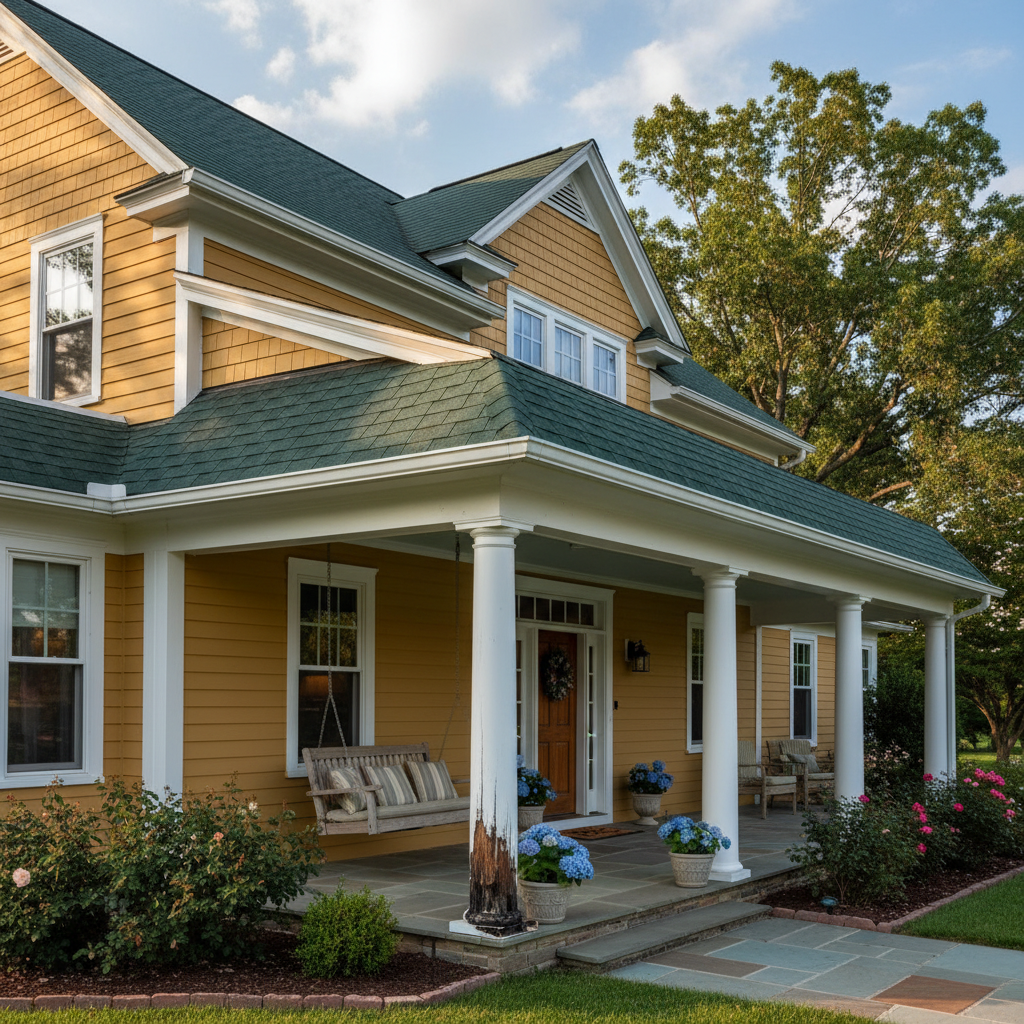
This is arguably the most prevalent cause. Prolonged exposure to moisture can lead to wood rot in beams, joists, and support posts. This can happen due to:
- Leaky Roof: Missing shingles, cracked flashing, or worn-out roofing materials allow water to penetrate the roof structure.
- Clogged Gutters: Overflowing gutters direct water directly onto the porch structure, saturating wood components.
- Poor Drainage: Water pooling around the base of porch columns or near the foundation can seep into the wood, causing rot from the bottom up.
- Lack of Sealing: Unsealed or poorly sealed wood components are more susceptible to absorbing moisture.
Once wood starts to rot, it loses its structural integrity, becoming soft, spongy, and unable to bear its intended load, leading to a noticeable sag.
2. Inadequate Structural Support or Design Flaws
Sometimes, the problem stems from the original construction of the porch:
- Undersized Beams or Joists: If the load-bearing elements were not properly sized for the span or weight of the roof, they will naturally deflect and sag over time.
- Insufficient Number of Supports: Not enough columns or posts to distribute the weight evenly across the structure can lead to concentrated stress points that eventually sag.
- Improper Fastening: Loose or inadequate connections between the roof framing and the house, or between structural members themselves, can allow movement and sagging.
- Foundation Issues: If the porch’s foundation (footings, piers, or slab) settles unevenly or wasn’t properly built, the entire structure can shift, leading to a sagging roof.
3. Heavy Loads: Snow, Ice, and Debris
While porches are designed to withstand some environmental stressors, excessive weight can overwhelm them:
- Heavy Snowfall: A thick blanket of wet snow can add immense weight, especially if not cleared promptly.
- Ice Dams: These form when melted snow refreezes at the edge of the roof, creating a heavy ridge of ice that can also force water under shingles.
- Accumulated Debris: Over time, leaves, branches, and other debris can accumulate on a low-slope porch roof, retaining moisture and adding weight.
4. Pest Infestations
Termites, carpenter ants, and other wood-boring insects can cause significant structural damage without immediate visible signs. These pests tunnel through and consume the wood, hollowing out beams and supports until they are too weak to support the roof’s weight.
5. Age and Material Degradation
Even well-built structures eventually succumb to age. Over decades, wood can dry out, crack, or slowly degrade due to exposure to UV rays and changing temperatures. Fasteners can rust and weaken, and the cumulative effects of minor stresses can lead to a sag.
The Dangers of a Sagging Porch Roof: Why You Can’t Ignore It
Ignoring a sagging porch roof is akin to ignoring a ticking time bomb. The risks extend far beyond mere aesthetics:
1. Immediate Safety Hazard: Collapse
This is the most critical danger. A severely sagging or compromised porch roof is at risk of sudden collapse, especially under additional stress like heavy rain, snow, or wind. Anyone standing beneath it when it collapses could suffer serious injury or even death.
2. Structural Damage to Your Home
A porch roof is often attached to the main structure of your house. A sagging porch can pull on the house’s framing, causing cracks in walls, misaligned windows or doors, and even damage to the main roofline. This can lead to a cascade of expensive repairs throughout your home.
3. Water Intrusion and Further Rot
A sagging roof creates low spots where water can pool. This exacerbates the water damage, leading to more extensive rot, not just in the porch structure but potentially in the adjacent walls of your home. This can also create entry points for mold and mildew, posing health risks.
4. Pest Infestation
Compromised wood from rot or cracks becomes an attractive entry point for pests like termites, carpenter ants, and rodents. These pests can then migrate from the porch into your main house, causing widespread damage.
5. Decreased Property Value
A visibly sagging porch roof is a significant deterrent for potential buyers and drastically reduces your home’s curb appeal. It signals neglect and suggests underlying structural problems, making your home difficult to sell and diminishing its market value.
Assessing the Sag: How to Identify the Extent of the Problem
Before you can fix the problem, you need to understand its severity. A thorough inspection is crucial:
1. Visual Inspection
- Look for Obvious Dips: Stand back from your porch and observe the roofline. Is it straight, or do you see a noticeable dip or curve?
- Check for Cracks: Inspect support columns, beams, and the ledger board (where the porch attaches to the house) for cracks, splits, or signs of stress.
- Examine for Water Stains: Look for discolored areas, peeling paint, or mildew on the roof, ceiling, or support structures, indicating water intrusion.
- Inspect Gutters and Downspouts: Ensure they are clear, properly sloped, and directing water away from the porch.
- Look for Pest Damage: Keep an eye out for small holes, sawdust-like material (frass), mud tubes (termites), or discarded insect wings.
2. The Level Test
Using a long level (4-foot or longer) or a string line, you can accurately measure the extent of the sag:
- Across Beams: Place the level on the underside of the main support beams or joists. If the bubble isn’t centered, there’s a sag.
- Along the Roofline: Run a taut string line from one end of the porch roof to the other, securing it at the highest points. Measure the distance from the string to the lowest point of the sag to quantify the deflection.
3. Probe for Soft Spots
Carefully use an awl or screwdriver to probe any suspicious-looking wood (discolored, damp, or cracked). If the tool easily penetrates the wood, it indicates rot and significant structural compromise.
4. Check Foundation and Connections
Inspect the porch’s foundation for cracks, settling, or shifting. Also, look at the connections where the porch roof framing meets the house to ensure they are secure and free of rust or deterioration.
Solutions for a Sagging Porch Roof: From DIY to Professional Intervention
The solution depends entirely on the cause and severity of the sag. While some minor issues might be DIY-friendly, significant structural problems almost always require professional expertise.
DIY Fixes (For Minor Sags and Preventive Maintenance)
If the sag is minimal and caused by superficial issues like minor rot or a small, easily repairable leak, you might be able to handle it yourself:
- Repairing Minor Leaks: Patching small holes in roofing materials or replacing a few shingles can prevent further water damage.
- Clearing Gutters: Regularly clean gutters to ensure proper drainage.
- Sealing and Painting: Apply fresh paint or sealant to exposed wood to protect it from moisture and UV damage.
- Replacing Rotted Fascia/Trim: If only non-structural trim pieces are rotted, they can be replaced.
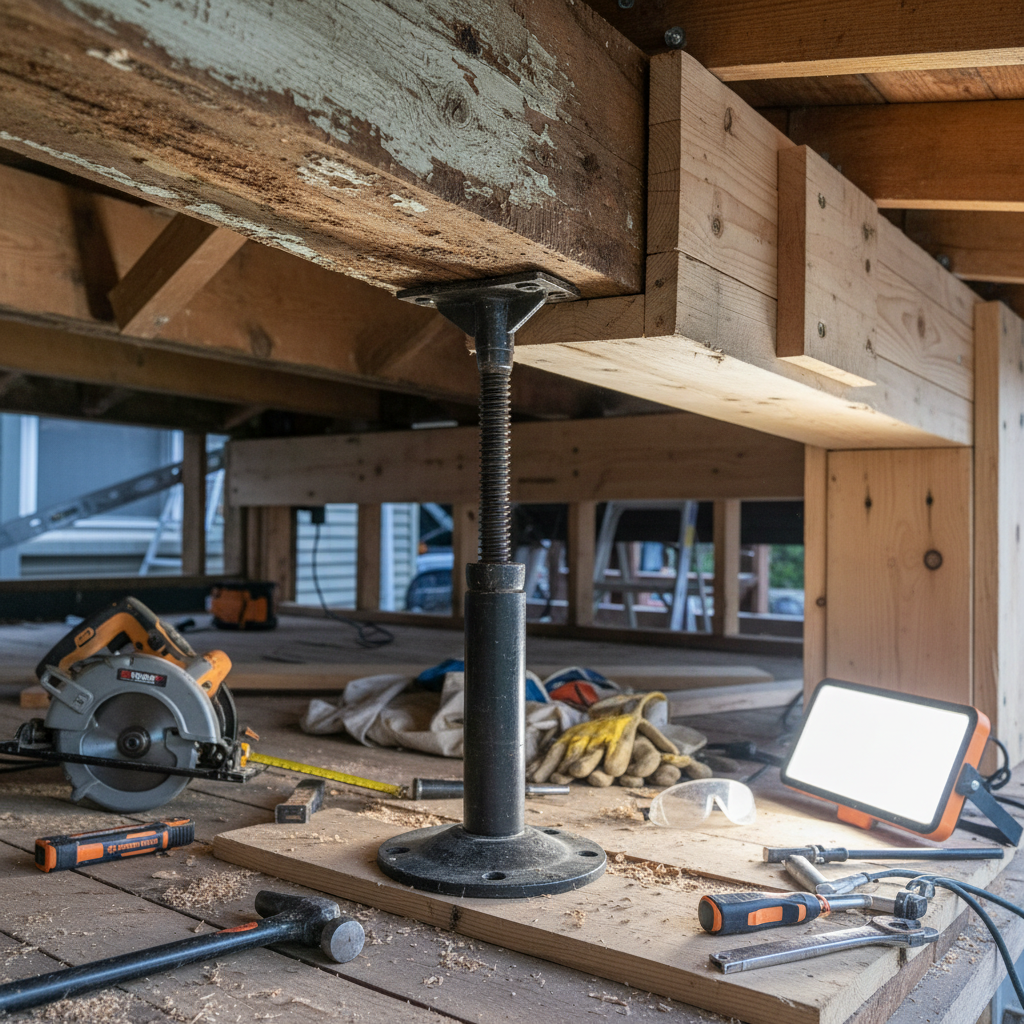
- Adding Temporary Supports: For very slight, non-critical sags, temporary shoring (using adjustable jack posts) can buy you time to plan a permanent repair, but this is NOT a permanent solution.
Professional Solutions (For Moderate to Severe Sags)
Any significant sag, signs of widespread rot, or foundation issues demand the expertise of a structural engineer, a reputable general contractor, or a specialized porch repair company.
- Jacking and Shoring: Professionals use specialized jacks and temporary supports to carefully lift the sagging roof back into its original position. This requires precision to avoid further damage.
- Replacing Damaged Beams/Joists: If beams or joists are rotted or undersized, they will need to be replaced with new, properly sized lumber. This might involve disassembling parts of the roof structure.
- Reinforcing Existing Structure: In some cases, existing beams can be reinforced by “sistering” them with new lumber (attaching a new beam alongside the old one) or by adding steel plates.
- Adding New Support Posts/Columns: If the original design had insufficient supports, new posts can be added to better distribute the load.
- Foundation Repair: If the porch foundation has settled, it may need to be underpinned, re-leveled, or rebuilt to provide stable support for the entire structure.
- Roof Reconstruction: In severe cases, especially if the sag is extensive and multiple structural components are compromised, a partial or full reconstruction of the porch roof may be necessary. This ensures all components are correctly sized and properly installed.
Preventing a Porch Roof Sagging: Proactive Maintenance is Key
Prevention is always better (and cheaper) than cure. Regular maintenance can significantly extend the life of your porch and prevent future sagging.
1. Regular Inspections
Make it a habit to inspect your porch roof, supports, and foundation at least twice a year (spring and fall). Look for any signs of water damage, rot, cracks, or pest activity.
2. Maintain Gutters and Downspouts
Keep your gutters free of leaves and debris to ensure water drains away efficiently. Check that downspouts direct water several feet away from the porch foundation.
3. Protect Wood Components
- Seal and Paint: Ensure all exposed wood on your porch (posts, beams, railings, decking) is regularly painted or sealed with a high-quality weather-resistant product.
- Proper Ventilation: Ensure there’s adequate airflow around wood elements to prevent moisture buildup.
4. Clear Snow and Ice Promptly
After heavy snowfall, safely remove snow from your porch roof, especially if it’s a low-slope design. Address ice dams immediately to prevent water intrusion.
5. Manage Pests
Be vigilant for signs of termites or carpenter ants. If you suspect an infestation, call a pest control professional immediately. Keep wood-to-soil contact to a minimum around your porch foundation.
6. Ensure Proper Drainage Around Foundation
Make sure the ground around your porch foundation slopes away from the structure to prevent water from pooling and seeping into the concrete or wood.
When to Call a Professional: Don’t Take Chances with Structural Integrity
While a DIY approach might seem appealing to save money, certain situations absolutely warrant professional intervention. It’s time to call an expert if:
- The Sag is Significant: Any sag greater than an inch or two across the span is a red flag.
- Widespread Rot: If you find extensive soft spots or visible rot in major structural beams or posts.
- Cracks in Foundation or Walls: These indicate significant structural stress that an expert must evaluate.
- Uncertainty About the Cause: If you can’t pinpoint why your porch roof is sagging, a professional can accurately diagnose the problem.
- Risk of Collapse: If you feel the porch is unstable or poses an immediate danger.
- Lack of Experience: Structural repairs require specific knowledge, tools, and safety precautions. If you’re not experienced with such work, it’s best to hire a professional.
A structural engineer can provide an assessment and detailed repair plan, which can then be executed by a skilled contractor. Investing in professional help ensures the repair is done safely, correctly, and will last for years to come. For more on maintaining a safe home environment, resources like Better Homes & Gardens offer valuable insights into general porch maintenance and safety practices.
Frequently Asked Questions About Porch Roof Sagging
Q1: Is a sagging porch roof dangerous?
A: Yes, absolutely. A sagging porch roof is a significant safety hazard and can lead to sudden collapse, causing severe injuries or even fatalities. It also indicates underlying structural problems that can damage your main house and reduce property value.
Q2: How much does it cost to fix a sagging porch roof?
A: The cost varies widely depending on the cause, extent of damage, and local labor rates. Minor repairs like replacing a few rotted boards might cost a few hundred dollars. However, major structural repairs, including jacking, replacing beams, or foundation work, can range from a few thousand to tens of thousands of dollars.
Q3: Can I fix a sagging porch roof myself?
A: Minor cosmetic issues or very slight sags due to non-structural rot might be manageable for an experienced DIYer. However, if the sag is significant, involves major load-bearing elements, or has foundation issues, it’s highly recommended to hire a qualified professional (structural engineer or experienced contractor) to ensure safety and proper repair.
Q4: How long does a porch roof typically last?
A: The lifespan of a porch roof depends on its construction quality, materials used, and maintenance. Well-built and properly maintained porch roofs can last 20-50 years or even longer. However, factors like water damage, pest infestations, or poor initial construction can significantly shorten its lifespan.
Q5: How can I tell if my porch roof is just old or actually sagging?
A: An old roof might show signs of wear and tear, but a truly sagging roof will have a noticeable dip or curve in the roofline when viewed from a distance. Use a long level or a taut string line across the underside of the beams to confirm if there’s a measurable deflection from a straight line. Soft spots when probing wood are also a clear sign of structural compromise, not just age.
Conclusion: Protecting Your Home from a Sagging Porch Roof
A sagging porch roof is more than just an eyesore; it’s a critical warning sign that demands immediate attention. Understanding the potential causes, from water damage and inadequate support to heavy loads and pest infestations, is the first step toward effective mitigation. Ignoring the problem can lead to severe safety hazards, extensive structural damage to your home, and a significant depreciation of your property value.
Whether you’re able to tackle minor repairs yourself or need the expertise of a professional, acting promptly is paramount. By regularly inspecting your porch, maintaining proper drainage, protecting wood components, and addressing issues as soon as they arise, you can prevent your porch roof from sagging in the first place. Remember, investing in the structural integrity of your porch is an investment in the safety, beauty, and longevity of your entire home.