Why Do Porch Roofs Sag? Understanding the Root Causes
A sagging porch roof doesn’t happen overnight. It’s usually the culmination of various factors, often involving neglect or unforeseen circumstances. Pinpointing the exact cause is the first step toward finding a lasting solution.
Water Damage and Rot
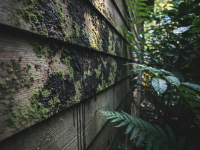
Water is the silent destroyer of many home structures. Leaky gutters, damaged shingles, or poor drainage can allow water to seep into the porch roof’s framing. Over time, this moisture leads to wood rot, weakening beams, joists, and supports. As the wood deteriorates, it loses its structural integrity, causing the roof to sag.
Inadequate Framing or Support
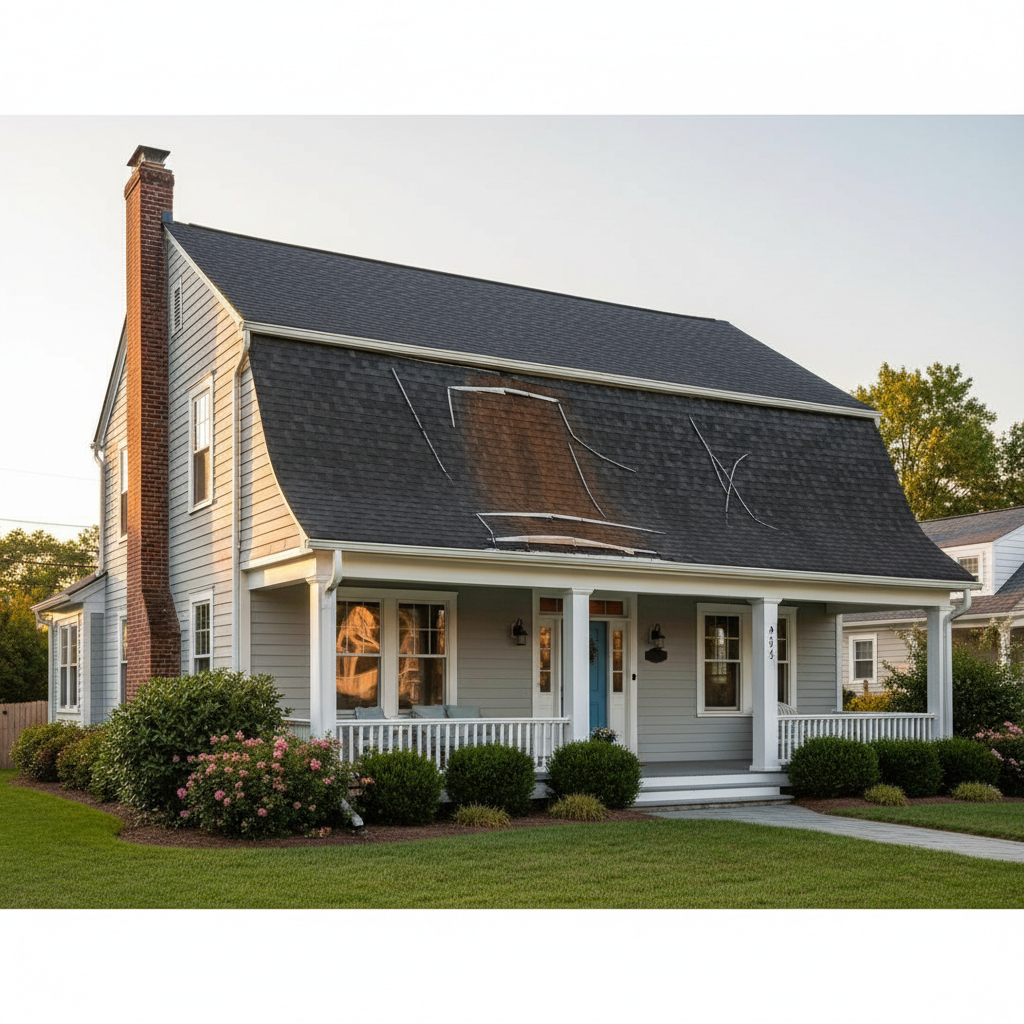
Sometimes, the issue stems from the initial construction. If the porch roof was built with insufficient framing for its size and weight, or if the support posts aren’t adequately spaced or robust enough, it will eventually succumb to gravity. This is especially true for older homes or DIY additions where structural calculations might have been overlooked.
Foundation Issues
The stability of your porch roof is intrinsically linked to the stability of its foundation. If the porch’s foundation settles unevenly, cracks, or shifts due to soil erosion, poor drainage, or expansive clay soils, the entire structure above it can be affected. This differential settlement can cause supports to sink, leading to a visible sag in the roofline.
Termite or Pest Infestation
Unwanted guests like termites, carpenter ants, or even rodents can wreak havoc on wooden structures. Termites, in particular, can tunnel through beams and joists, hollowing them out from the inside. By the time the damage becomes visible as a sag, the infestation might be extensive, requiring professional extermination and structural repair.
Heavy Loads (Snow, Debris)
While porch roofs are designed to withstand certain loads, excessive weight can overwhelm them. Heavy snowfall, especially wet, dense snow that accumulates over time, can place immense stress on the structure. Similarly, a build-up of wet leaves, branches, or other debris can add significant weight, contributing to a sag.
Age and Wear
Like any part of a home, porch roofs have a lifespan. Over decades, exposure to the elements, temperature fluctuations, and the natural aging of materials can weaken the structure. Wood can dry out, crack, or become brittle, fasteners can loosen, and connections can degrade, all contributing to a gradual sag.
Identifying the Signs of a Sagging Porch Roof
Early detection is key to preventing minor issues from escalating into major structural failures. Keep an eye out for these tell-tale signs:
Visible Dip or Curve
This is often the most obvious sign. Stand back and visually inspect your porch roofline from various angles. If you notice a noticeable dip, curve, or unevenness where it should be straight, it’s a clear indication of a sag.
Cracks in Walls or Ceilings Nearby
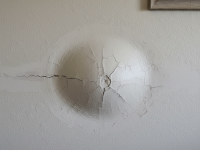
A sagging porch roof can exert pressure on adjacent structures. Look for cracks in the exterior walls of your home near the porch connection points, or even cracks in the interior ceiling or walls of rooms that share a wall with the porch.
Difficulty Opening or Closing Doors or Windows
Structural shifts caused by a sagging roof can misalign door and window frames. If a door leading to your porch or nearby windows start to stick, bind, or become difficult to operate, it could be related to structural movement.
Water Stains or Leaks
Water stains on the porch ceiling, walls, or floor below the roof are a clear sign of a leak. While leaks don’t always cause a sag directly, persistent moisture leads to rot, which in turn causes sagging.
Loose or Detached Materials
Inspect the roofing materials, fascia boards, soffits, and trim around the porch roof. If you see shingles buckling, fascia pulling away, or soffit panels drooping, it indicates movement and potential structural distress.
Unusual Noises
Creaking, groaning, or popping sounds, especially during windy conditions or when weight is applied to the porch (like heavy snow), can signal that the structure is under stress and may be actively shifting or failing.
Is Your Sagging Porch Roof a Safety Hazard?
Absolutely. A sagging porch roof is not merely an aesthetic issue; it poses significant safety risks that should never be ignored.
Risk of Structural Collapse
The most severe danger is the potential for partial or complete structural collapse. As the support weakens, the roof could give way suddenly, leading to serious injury or even fatality to anyone underneath or nearby.
Compromised Home Integrity
The porch roof is often connected to the main structure of your home. A failing porch roof can pull on or push against the main house, causing damage to walls, foundations, and other critical elements, compromising the overall structural integrity of your property.
Tripping Hazards and Falling Debris
Loose roofing materials, damaged trim, or even chunks of rotting wood can become dislodged and fall, creating a hazard for anyone using the porch. A severely sagging roof can also create uneven surfaces on the porch floor below if supports are settling, leading to tripping hazards.
DIY or Professional? Assessing the Scope of the Problem
Deciding whether to tackle the repair yourself or call in a professional depends entirely on the severity and cause of the sag. It’s crucial to be realistic about your skills and the potential risks.
When to Call a Professional
- Significant Sag: If the sag is very noticeable or has appeared suddenly.
- Extensive Water Damage: If rot is widespread, requiring replacement of major structural beams.
- Foundation Issues: If the sag is linked to the porch’s foundation settlement, specialized foundation repair is needed.
- Pest Infestation: Large-scale termite or carpenter ant damage requires professional extermination and repair.
- Uncertainty: If you’re unsure about the cause, the extent of the damage, or how to safely support the roof during repairs, always err on the side of caution and consult an expert. This could include a structural engineer, a reputable contractor, or a home inspector.
Minor Repairs You Might Tackle
- Minor cosmetic issues: Repainting, replacing a few shingles, or re-securing loose trim.
- Gutter Cleaning: Regular maintenance to prevent water buildup.
- Small-scale rot: If caught early and localized to non-structural elements, you might be able to cut out and replace small sections of rotted wood. However, even this requires careful assessment.
Steps to Fix a Sagging Porch Roof
The repair process for a sagging porch roof varies greatly depending on the underlying cause and severity. Here’s a general outline of steps, assuming a professional assessment has been made.
1. Temporary Support and Safety
Before any work begins, the area must be made safe. This usually involves installing temporary supports (shoring) beneath the sagging section of the roof to prevent further collapse and lift it back to its original position. This is a critical step that often requires professional expertise and specialized equipment like hydraulic jacks and sturdy lumber.
2. Inspecting the Damage
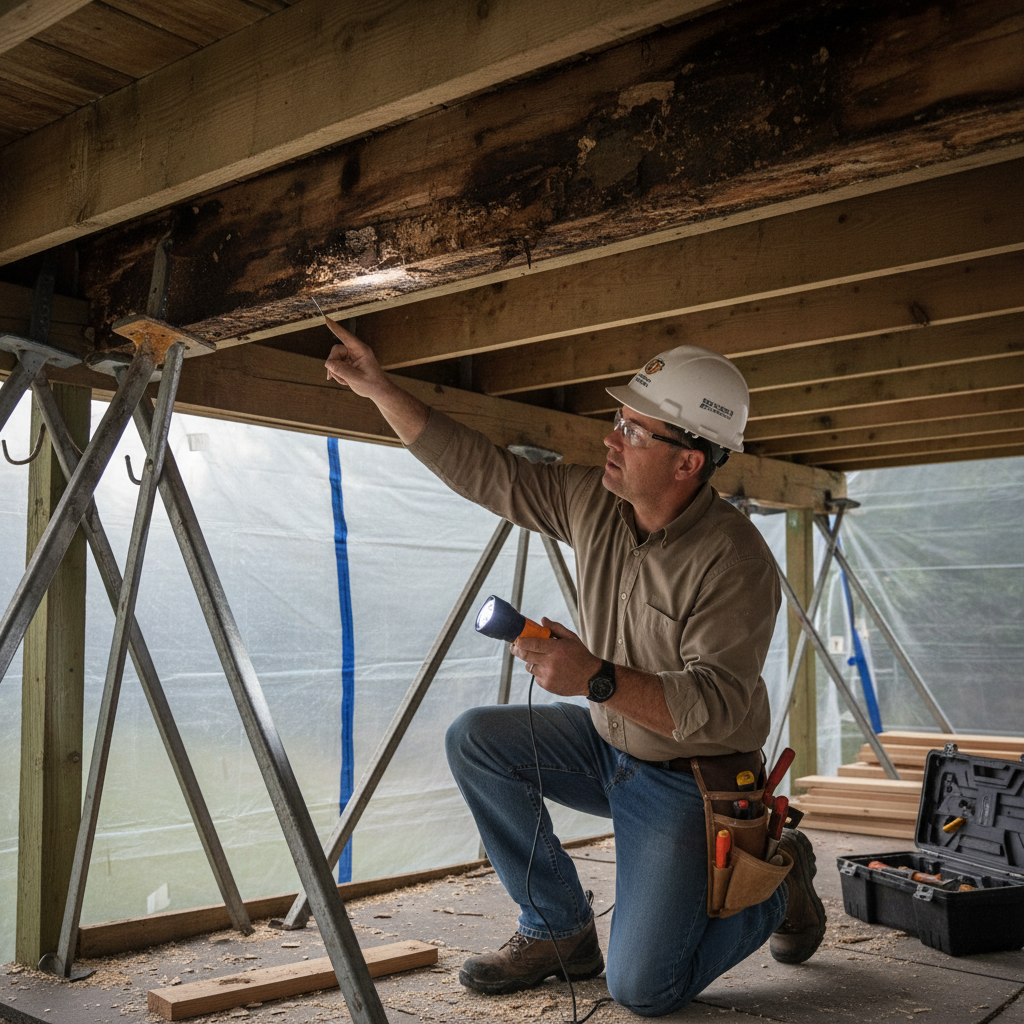
Once supported, a thorough inspection is performed to understand the full extent of the damage. This involves carefully examining every structural component: rafters, joists, beams, support posts, and ledger boards connecting to the house. The goal is to identify all areas affected by rot, pest damage, or structural failure.
3. Repairing Rotted Wood
Sections of wood affected by rot or pest damage must be completely removed. Depending on the extent, this might involve cutting out and replacing portions of beams or entire structural members. New wood should be treated lumber to resist future moisture and pests.
For advice on preventing wood rot and maintaining outdoor structures, check out tips from experts like Good Housekeeping’s outdoor maintenance guide, which emphasizes the importance of sealing and protection.
4. Adding or Reinforcing Support
If the original framing was inadequate, new structural components might need to be added. This could mean installing additional rafters, beefing up existing beams, or adding more robust support posts. Connections between the porch roof and the main house must also be inspected and reinforced if necessary with appropriate structural connectors.
5. Addressing Foundation Issues
If the sag originated from a settling foundation, this issue must be addressed first. This might involve underpinning, pier and beam repair, or other specialized foundation stabilization techniques. Fixing the foundation is paramount before repairing the roof structure above it.
6. Pest Extermination
If termites or other pests are the culprits, a professional pest control company must be engaged to eradicate the infestation. After the pests are gone, the damaged wood can be repaired or replaced.
7. Waterproofing and Drainage Improvements
To prevent future sagging, it’s essential to address the source of water intrusion. This includes repairing or replacing damaged roofing materials (shingles, flashing), cleaning and repairing gutters, installing proper drip edges, and ensuring that water drains away from the porch foundation.
Preventing Future Porch Roof Sagging: Maintenance Tips
Once your porch roof is restored, proactive maintenance is crucial to ensure it remains strong and stable.
Regular Inspections
Make it a habit to visually inspect your porch roof at least twice a year, ideally in spring and fall. Look for any signs of damage, wear, or potential problems before they become severe.
Gutter Maintenance
Keep your gutters clean and free of debris. Clogged gutters overflow, directing water directly onto your porch roof and foundation. Ensure downspouts direct water away from the porch and house.
Sealing and Painting
Regularly seal or paint exposed wood on your porch structure. This protects against moisture intrusion, UV damage, and insect penetration. Use exterior-grade paints or stains with weather-resistant properties.
Pest Control
Be vigilant about pest control. Look for signs of termites (mud tubes), carpenter ants (wood shavings), or other wood-destroying insects. Address any infestations immediately.
Snow Removal
During heavy snowfall, carefully remove snow from your porch roof, especially if it’s a flatter design or you live in an area prone to significant accumulation. Use a roof rake to avoid damaging the roofing materials.
Ensuring Proper Ventilation
If your porch roof has an enclosed attic space, ensure it’s adequately ventilated. Good airflow helps prevent moisture buildup, which can lead to rot and mold.
Understanding the Costs of Porch Roof Repair
The cost to fix a sagging porch roof can vary widely, ranging from a few hundred dollars for minor repairs to several thousand for extensive structural overhauls.
Factors Influencing Cost:
- Extent of Damage: Minor rot is cheaper than replacing entire beams.
- Cause of Sagging: Foundation issues are generally more expensive to fix than simple wood rot.
- Materials: The type of wood, roofing materials, and specialized fasteners used.
- Labor: Professional contractors, especially structural engineers, command higher rates.
- Location: Costs vary by region and local market rates.
- Permits: Major structural work often requires building permits, adding to the overall cost.
Importance of Multiple Quotes
Always get at least three detailed quotes from reputable, licensed, and insured contractors. Ensure the quotes specify the scope of work, materials to be used, timeline, and warranty information.
Frequently Asked Questions About Sagging Porch Roofs
Q: How much does it cost to fix a sagging porch roof?
A: The cost varies significantly. Minor repairs might range from $500 to $2,000. For extensive structural repairs, addressing foundation issues, or complete roof replacement, costs can easily range from $5,000 to $20,000 or more, depending on the complexity and local labor rates.
Q: Can I fix a sagging porch roof myself?
A: Minor cosmetic issues or preventative maintenance might be DIY-friendly. However, if the sag is due to structural damage, extensive rot, or foundation problems, it’s highly recommended to consult or hire a licensed professional. Improper repairs can be dangerous and lead to further, more costly damage.
Q: What are the early signs of a porch roof problem?
A: Early signs include slight unevenness in the roofline, minor water stains on the porch ceiling, loose or curling shingles, small cracks near the porch’s connection to the house, or persistent standing water on the roof after rain.
Q: How long does a porch roof typically last?
A: The lifespan of a porch roof depends on its construction, materials, and maintenance. Well-built and maintained porch roofs can last 20-30 years or more, especially with durable roofing materials. However, neglect or severe weather can shorten this lifespan considerably.
Q: Is a sagging porch roof always a structural issue?
A: While a sagging porch roof is almost always indicative of some structural stress or failure, the severity can vary. It could be minor, localized wood rot affecting non-load-bearing elements, or it could be a critical failure of primary support beams or foundation. It should always be investigated promptly by a professional to determine the exact cause and extent.
Conclusion
A porch roof sagging is a problem that demands your immediate attention. While it might seem daunting, understanding the causes and knowing when to seek professional help are the first steps toward a safe and lasting solution. By being vigilant about maintenance, performing regular inspections, and addressing issues promptly, you can restore your porch to its former glory and ensure it remains a beautiful, functional, and safe extension of your home for many years to come. Don’t let a sagging roof diminish your home’s appeal or compromise its safety – take action today!