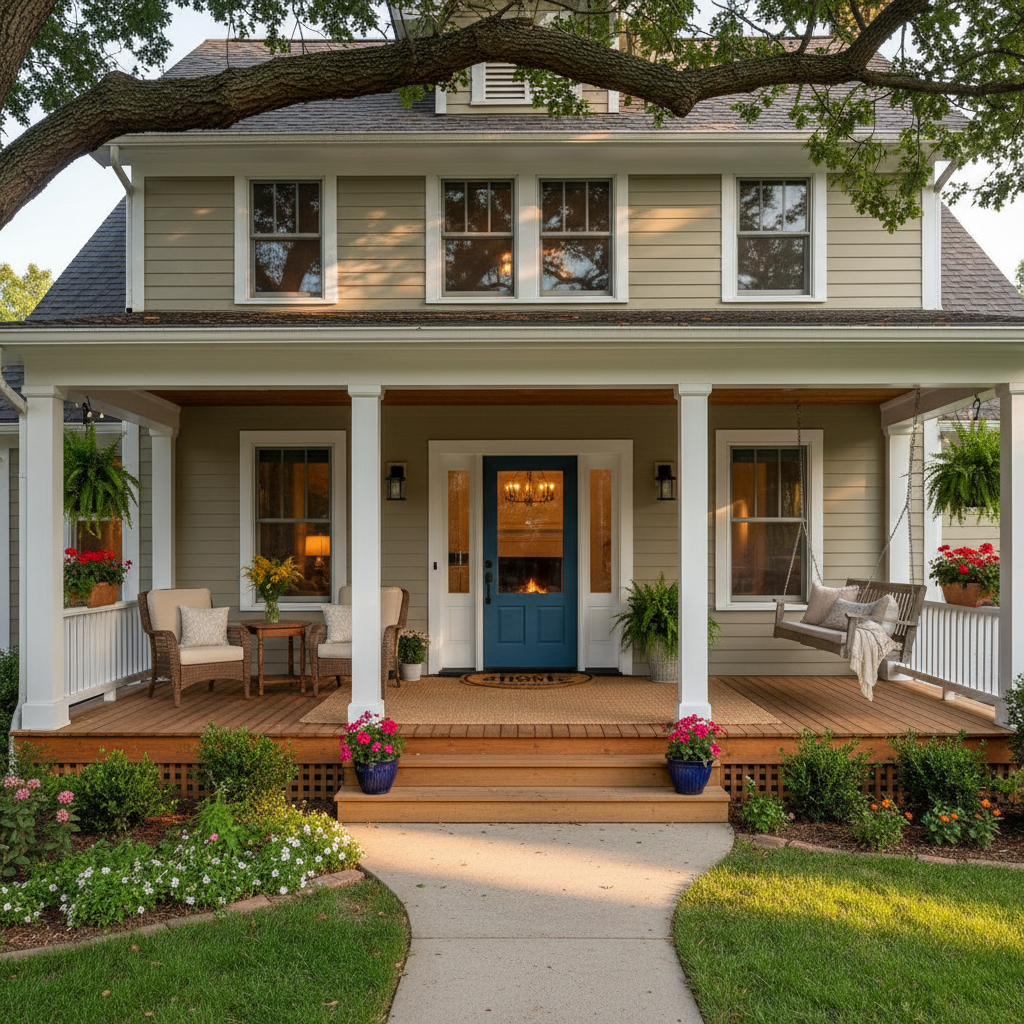
There’s nothing quite like a welcoming porch to enhance your home’s curb appeal and provide a comfortable outdoor living space. However, when you notice your porch roof sagging, it’s more than just an aesthetic issue; it’s a serious structural concern that demands immediate attention. A sagging roof can compromise the safety of your home, lead to further damage, and significantly diminish your property’s value. Understanding the causes, assessing the severity, and knowing the right steps to take are crucial for restoring your porch to its former glory and ensuring the long-term integrity of your home.
Why Is Your Porch Roof Sagging? Uncovering the Root Causes
A sagging porch roof doesn’t happen overnight. It’s usually the result of underlying issues that have developed over time. Identifying the precise cause is the first critical step toward an effective and lasting repair. Here are the most common culprits:
1. Water Damage and Rot
Water is the enemy of wood, and prolonged exposure can lead to rot, weakening structural components. This is perhaps the most prevalent cause of a porch roof sagging. Factors contributing to water damage include:
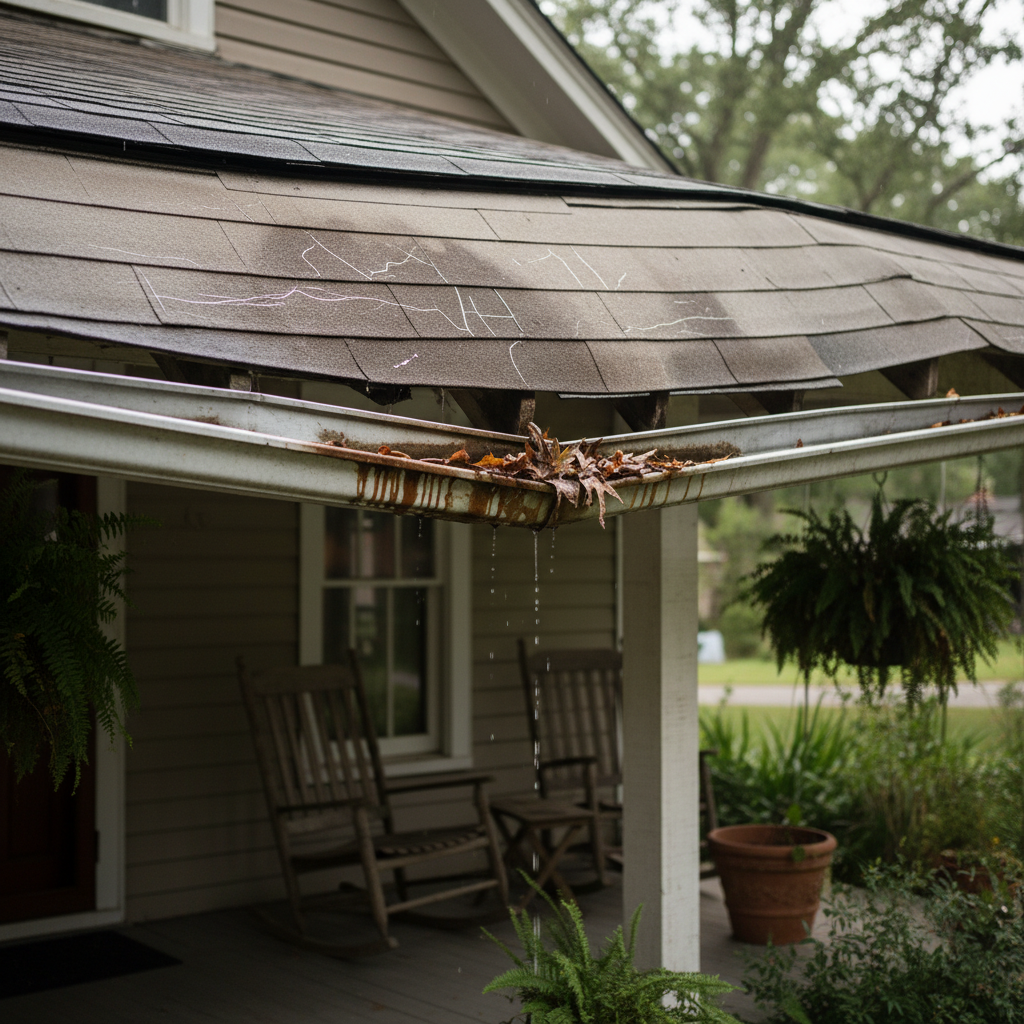
- Leaky Roof Shingles or Flashing: Missing, cracked, or improperly installed shingles, along with faulty flashing around chimneys, walls, or vents, allow water to penetrate the roof deck and soak the underlying structure.
- Clogged or Damaged Gutters: When gutters are blocked with leaves and debris, or if they are broken, water can overflow and run down the porch’s support posts and beams, leading to wood rot.
- Inadequate Drainage: Poor site drainage or insufficient slope on the porch roof itself can cause water to pool, accelerating deterioration.
- Ice Dams: In colder climates, ice dams can form along the roof edge, preventing melted snow from draining and forcing water back under shingles, leading to significant moisture intrusion.
2. Structural Overload or Inadequate Support
Sometimes, the problem isn’t decay, but rather that the porch roof simply isn’t strong enough for the load it carries or was never properly supported to begin with.
- Excessive Weight: Accumulations of heavy snow or ice can put immense stress on a porch roof. Additionally, if the porch was ever converted or modified (e.g., adding heavier roofing materials, a swing, or ceiling fans) without upgrading the underlying structure, it could lead to sagging.
- Undersized Joists or Beams: During original construction, if the joists or beams supporting the roof were not adequately sized for the span or anticipated load, they will inevitably sag over time. Building codes specify minimum dimensions for structural members, and deviations can lead to problems.
- Foundation Settlement: If the footings or foundation supporting the porch posts or walls begin to settle unevenly, it can cause the entire porch structure, including the roof, to shift and sag.
- Loose or Failed Fasteners: Over time, nails, screws, or bolts holding the porch roof components together can loosen or corrode, reducing the structural integrity and causing parts to separate or sag.
3. Poor Original Construction
Unfortunately, not all construction is equal. A poorly built porch is a ticking time bomb for structural issues.
- Improper Attachment to the Main House: If the ledger board (the beam attaching the porch roof to the house) wasn’t properly secured to the main house framing, or if inadequate flashing was used, it can lead to separation and sagging.
- Lack of Adequate Bracing: Without proper cross-bracing or hurricane ties, a porch roof can be more susceptible to wind damage or simply sag under its own weight over time.
- Use of Non-Treated Lumber: For outdoor structures, using lumber that isn’t pressure-treated for ground contact or outdoor exposure can lead to premature rot and structural failure, even if initial construction was sound.
4. Pest Infestations
Pests like termites and carpenter ants can wreak havoc on wooden structures, hollowing them out from the inside. While less common than water damage, a severe infestation can weaken beams and joists to the point of collapse.
- Termites: These insects consume cellulose, leaving behind a network of tunnels that compromise the structural integrity of wood.
- Carpenter Ants: Unlike termites, carpenter ants don’t eat wood but excavate it to build nests, creating galleries that can significantly weaken beams and posts.
5. Age and General Wear and Tear
Even a well-built porch roof has a lifespan. Over decades, exposure to the elements, temperature fluctuations, and the natural aging of materials can contribute to a gradual weakening and eventual sagging.
Is a Sagging Porch Roof Dangerous? Understanding the Risks
Beyond being an eyesore, a porch roof sagging poses several significant dangers that homeowners should never ignore.
1. Risk of Collapse
This is the most obvious and dire consequence. A severely sagging roof is under immense stress. Any additional weight – heavy snow, strong winds, or even a person walking on it for repair – could trigger a catastrophic collapse. This poses a serious risk of injury or fatality to anyone underneath or near the porch.
2. Structural Integrity of the Main House
A porch roof is often attached to the main structure of your home. If the porch roof sags or detaches, it can pull on the house’s framing, potentially causing cracks in interior walls, damage to siding, or even compromising the structural integrity of your entire home.
3. Water Damage and Mold Growth
A sagging roof creates low points where water can accumulate. This standing water will inevitably find its way into the porch structure, accelerating rot and providing a perfect breeding ground for mold and mildew. This dampness can then migrate to your main house, causing extensive damage to walls, ceilings, and insulation, and potentially leading to respiratory health issues for occupants.
4. Pest Infestations
The damp, rotting wood associated with a sagging roof is an open invitation for pests like termites, carpenter ants, and other wood-boring insects. Once established in the porch, these pests can easily spread to the main structure of your house, leading to costly and extensive eradication and repair efforts.
5. Decreased Property Value and Curb Appeal
Visibly sagging structures instantly diminish a home’s curb appeal and signal neglect to potential buyers. A sagging porch roof can significantly reduce your property’s market value and make it much harder to sell.
Given these risks, it’s clear that addressing a sagging porch roof isn’t just about aesthetics; it’s a critical safety and property preservation issue.
How to Assess the Severity of Your Sagging Porch Roof
Before you can plan a repair, you need to understand the extent of the damage. A thorough assessment will help you determine if it’s a minor fix or a major structural overhaul. Remember, if you feel unsafe at any point, do not proceed and call a professional.
1. Visual Inspection
- Look for Obvious Sags: Stand back and visually inspect the roofline. Is there a noticeable dip in the middle or along one edge? Use a straightedge or a long board to compare the roofline for evenness.
- Check for Leaning Posts or Columns: Are the support posts or columns plumb (perfectly vertical)? Use a level to check for any leaning, bowing, or twisting.
- Examine Beams and Joists: Look for cracks, splits, or significant bowing in the main support beams and the smaller joists beneath the roof deck.
- Inspect for Water Stains and Rot: Check for dark spots, discoloration, or peeling paint on the ceiling of the porch, posts, and any visible wooden components. Probe any suspicious areas with a screwdriver or awl; soft, spongy wood indicates rot.
- Look for Gaps: Are there gaps forming between the porch roof and the main house, or between roof components? This can indicate separation or settling.
- Check the Foundation/Footings: Inspect the ground around the base of the support posts for signs of settlement, such as cracked concrete footings or sinking posts.
2. Measurement and Leveling
- Use a Level: A long carpenter’s level or a laser level can accurately show you where the roof is dipping.
- String Line Test: Stretch a tight string line across the length or width of the porch roof, from one solid support point to another. Measure the distance from the string to the underside of the roof at various points. Any significant variation will highlight the extent of the sag.
- Plumb Bob: Use a plumb bob to check if posts are truly vertical.
3. Sounding Wood
Tap various wooden elements with a hammer. Solid, healthy wood will produce a firm, clear sound. Rotting or hollowed-out wood (due to pests) will sound dull, hollow, or feel spongy. This is particularly useful for hidden areas or assessing the integrity of load-bearing posts.
4. Check for Pest Activity
Look for signs of termites (mud tubes, discarded wings) or carpenter ants (wood shavings, frass). If you suspect an infestation, it’s critical to address this before structural repairs.
DIY or Professional? When to Call an Expert
While some minor home repairs can be tackled by a competent DIYer, a porch roof sagging often falls into a category best left to professionals. Knowing when to call an expert is crucial for safety and the effectiveness of the repair.
When to Call a Professional (Highly Recommended):
- Significant Sagging: If the sag is more than an inch or two over a short span, it indicates a serious structural problem.
- Visible Structural Damage: Cracked beams, rotted posts, compromised joists, or separation from the main house are red flags.
- Uncertainty About the Cause: If you can’t pinpoint the exact reason for the sag, a professional can accurately diagnose the issue.
- Difficulty Accessing the Area: If the repair requires working at heights or in confined spaces, professionals have the right equipment and training.
- Need for Temporary Shoring: Safely shoring up a compromised structure requires specialized knowledge and tools.
- Permit Requirements: Most significant structural repairs require building permits, which often necessitate professional drawings and inspections. Navigating this process is easier with a contractor.
- Pest Infestations: If pests are the cause, you’ll need a pest control expert first, followed by a contractor for structural repairs.
- Insurance Claims: If the damage is due to a covered event, a professional estimate will be essential for your insurance claim.
Types of Professionals to Consider:
- Structural Engineer: For complex or severe sagging, an engineer can assess the structural integrity, design a repair plan, and ensure the proposed solution meets building codes.
- General Contractor or Carpenter: A reputable contractor with experience in exterior structural repairs can execute the plan. Look for someone licensed and insured, with good references.
- Roofing Contractor: If the primary cause is a leaky roof, a roofing specialist can address the shingle, flashing, or membrane issues.
- Pest Control Expert: If wood-destroying insects are present, their services are paramount before repairs begin.
Attempting major structural repairs without the necessary expertise can be dangerous, lead to further damage, and potentially create more costly problems down the line. For a critical issue like a sagging porch roof, investing in professional help is often the most cost-effective and safest long-term solution.
Steps to Fix a Sagging Porch Roof (General Approach)
The repair process for a porch roof sagging will vary greatly depending on the cause and severity. However, the general steps below outline the typical approach a professional might take. **Crucially, many of these steps involve working with heavy loads and heights, requiring specialized equipment and expertise. Always consult a professional for significant structural repairs.**
1. Identify and Address the Root Cause
Before any physical repair begins, the underlying problem must be resolved.
- Water Damage: Repair or replace leaky shingles, flashing, and damaged gutters. Ensure proper drainage away from the porch structure. Consider improving roof ventilation if ice dams are an issue.
- Pest Infestation: Engage a pest control professional to eradicate termites or carpenter ants before proceeding with structural repairs.
- Foundation Issues: If the footings are failing, they must be stabilized or rebuilt. This might involve underpinning or repouring concrete.
2. Temporary Shoring (Critical Safety Step)
This is arguably the most important and dangerous step, and it should only be performed by experienced individuals.
- Assess Load: Determine the weight the roof is carrying.
- Install Temporary Supports: Use adjustable lolly columns, hydraulic jacks, or sturdy 4×4 posts with robust headers (strong beams placed horizontally) to support the sagging roof. These temporary supports should be placed strategically to safely lift and hold the roof in its original position or slightly above, allowing for repair. Ensure they are on stable ground or load-distributing pads.
- Gradual Lifting: If lifting is required, it must be done slowly and evenly across multiple points to prevent cracking or further damage.
3. Repairing or Replacing Damaged Components
Once the roof is safely shored, the damaged elements can be addressed.
- Rotted or Damaged Wood: Cut out and replace any sections of joists, beams, rafters, or posts that are compromised by rot, pests, or severe splitting. Ensure new wood is pressure-treated for outdoor use.
- Reinforcing Weakened Members: For beams or joists that are only slightly bowed or cracked, they might be reinforced by “sistering” – attaching a new, identically sized piece of lumber flush against the old one with construction adhesive and heavy-duty screws or bolts.
- Replacing Fasteners: Replace any loose, corroded, or inadequate fasteners with new, appropriately sized, and corrosion-resistant hardware.
4. Strengthening Support Structures
To prevent future sagging, it’s often necessary to enhance the existing support.
- Adding Posts: Install additional support posts or columns if the original design was inadequate for the span or load.
- Adding Bracing: Incorporate diagonal bracing or knee braces to increase rigidity and prevent lateral movement.
- Upgrading Beams: Replace undersized beams with larger, stronger ones, or add a new support beam underneath the existing structure.
- Improving Footings: Ensure that any new or existing posts have robust, properly sized concrete footings that extend below the frost line in cold climates.
5. Re-attaching to the Main House
If the porch roof has pulled away from the main house, it needs to be securely re-attached.
- Ledger Board Inspection: Ensure the ledger board is properly fastened to the house’s rim joist or wall studs using lag screws or bolts, not just nails.
- Flashing: Install or repair flashing where the porch roof meets the house wall to prevent water intrusion.
6. Finishing and Weatherproofing
After structural repairs are complete, the roof deck and finishes can be restored.
- Roof Deck Repair: Replace any damaged plywood or OSB sheathing.
- New Roofing Materials: Install new underlayment and shingles, or other roofing materials, ensuring proper layering and sealing.
- Painting/Sealing: Apply appropriate paints, stains, or sealants to all exposed wood to protect it from moisture and UV damage.
Remember, precision, proper tools, and adherence to building codes are paramount when tackling structural repairs. When in doubt, always consult with a qualified professional.
Preventing Future Porch Roof Sagging: A Proactive Approach
Once you’ve gone through the effort and expense of fixing a porch roof sagging, the last thing you want is for the problem to reoccur. Proactive maintenance and smart choices can significantly extend the life of your porch and prevent future structural issues.
1. Regular Inspections
Make it a habit to inspect your porch roof at least twice a year, ideally in spring and fall. Look for:
- Water Stains: Any discoloration on the porch ceiling or posts.
- Cracks or Gaps: In beams, joists, or where the roof meets the house.
- Loose Fasteners: Wiggle test posts and check for loose bolts or screws.
- Shingle Condition: Missing, cracked, or curling shingles.
- Gutter Condition: Blockages or damage.
- Pest Activity: Signs of mud tubes, wood shavings, or insect frass.
- Levelness: Use a simple level or straightedge to check for any new dips or bows.
2. Maintain Gutters and Downspouts
This is one of the most effective preventative measures against water damage.
- Keep Them Clean: Regularly clear leaves, twigs, and debris from your gutters, especially after heavy storms or in autumn.
- Check for Damage: Ensure gutters are securely attached, not leaking, and properly sloped to drain water away from the porch and house foundation.
- Extend Downspouts: Use downspout extensions to direct water several feet away from the foundation.
3. Ensure Proper Flashing
Flashing is crucial for preventing water intrusion where the porch roof meets walls, chimneys, or other penetrations. Inspect flashing regularly for rust, tears, or separation and repair or replace as needed. This article from Good Housekeeping offers a great general home maintenance checklist that emphasizes the importance of roof and gutter care.
4. Address Leaks Promptly
Even small leaks can lead to significant structural damage over time. If you spot a leak, address it immediately. This might involve replacing a few shingles, sealing a seam, or repairing flashing.
5. Manage Snow and Ice Load
In snowy climates, heavy snow and ice accumulation can exert immense pressure on a porch roof.
- Snow Removal: Safely remove heavy snow from the porch roof using a roof rake, avoiding damage to shingles.
- Prevent Ice Dams: Ensure adequate attic ventilation and insulation to keep the roof deck temperature even and prevent ice dams.
6. Control Pests
Regular pest inspections and preventative measures can keep wood-destroying insects at bay.
- Seal Cracks: Seal any cracks or openings in your porch structure that could serve as entry points for pests.
- Keep Wood Dry: Eliminate moisture sources, as many pests are attracted to damp wood.
- Professional Treatment: If you live in an area prone to termites or carpenter ants, consider preventative pest control treatments.
7. Use Appropriate Materials for Repairs and New Construction
When making repairs or considering a new porch, always use materials suitable for outdoor exposure, such as pressure-treated lumber, rot-resistant decking, and corrosion-resistant fasteners. Ensure that structural components are adequately sized for the span and anticipated load, following local building codes.
8. Proper Ventilation
For enclosed porch roofs, ensure there is adequate ventilation to prevent moisture buildup within the roof structure, which can lead to rot and mold.
By implementing these preventative measures, you can significantly reduce the risk of your porch roof sagging in the future, protecting your investment and ensuring a safe, welcoming entrance to your home for years to come.
Frequently Asked Questions About a Sagging Porch Roof
Q1: How much does it cost to fix a sagging porch roof?
A: The cost to fix a sagging porch roof varies widely depending on the cause, severity, and location. Minor repairs, like replacing a few rotted boards, might cost a few hundred dollars. However, if the issue involves structural beam replacement, foundation repair, or extensive water damage requiring new roofing and finishes, costs can range from $2,000 to $10,000 or more. Obtaining multiple quotes from qualified professionals is recommended.
Q2: Can I fix a sagging porch roof myself?
A: Minor cosmetic issues or very slight sags due to non-structural problems (like a small shingle leak causing minor rot) might be a DIY project for experienced homeowners. However, if the sag is significant, involves major structural components (beams, joists, posts), or if you’re unsure of the cause, it’s strongly advised to hire a professional. Working with compromised structures can be extremely dangerous without proper knowledge, tools, and safety protocols.
Q3: How do I know if my porch roof is just old or actually sagging?
A: Age itself doesn’t cause sagging; it’s the wear and tear associated with age (e.g., accumulated water damage, material fatigue). A truly sagging roof will show a noticeable dip or bow when viewed from a distance, or when a straightedge or level is applied. You might also notice leaning posts, cracks in structural wood, or separation from the main house. If it’s just old but structurally sound, it won’t have these visible signs of deformation.
Q4: What are the signs of impending porch roof collapse?
A: Severe and rapidly worsening sag, visible cracking or splitting in main support beams or posts, significant detachment from the main house, extreme leaning of support columns, sudden creaking or groaning noises, or areas of wood that are completely soft and spongy from rot are all critical warning signs of impending collapse. If you observe any of these, evacuate the area immediately and call a structural engineer or emergency contractor.
Q5: Does home insurance cover a sagging porch roof?
A: It depends on the cause. Home insurance typically covers damage that is sudden and accidental, such as a porch roof sagging due to a severe storm, heavy snow, or a fallen tree. However, damage caused by neglect, lack of maintenance, rot that has occurred over time, pest infestations, or poor original construction is generally not covered. Review your specific policy or consult with your insurance provider to understand your coverage.
Conclusion: Don’t Delay, Protect Your Home Today
A porch roof sagging is a clear indication that something is structurally wrong and needs immediate attention. Ignoring the problem will only lead to more extensive damage, higher repair costs, and potential safety hazards. By understanding the common causes, carefully assessing the damage, and knowing when to enlist professional help, you can effectively address the issue. Investing in a timely and proper repair not only restores your porch’s beauty and functionality but also safeguards the structural integrity and value of your entire home. Don’t let a sagging roof compromise your haven; take action today to ensure your porch remains a safe and welcoming feature for years to come.