There’s nothing quite like relaxing on your porch, enjoying a cup of coffee, or watching the world go by. It’s an extension of your home, offering charm, shade, and a welcoming entrance. However, if you’ve noticed your porch roof sagging, it can quickly turn that idyllic picture into a cause for concern. A sagging porch roof isn’t just an aesthetic issue; it’s a potential safety hazard and a sign of underlying structural problems that need immediate attention. Ignoring it can lead to further damage, costly repairs, and even complete collapse. This comprehensive guide will walk you through the common causes of a sagging porch roof, how to assess the damage, and the steps to take for repair, ensuring your porch remains a safe and beautiful part of your home.
Understanding Why Your Porch Roof is Sagging: Common Causes
Identifying the root cause of a sagging porch roof is the first critical step toward a successful repair. Many factors can contribute to this structural issue, ranging from environmental stressors to improper construction.
Water Damage and Rot
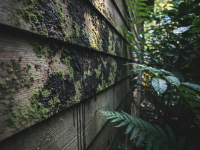
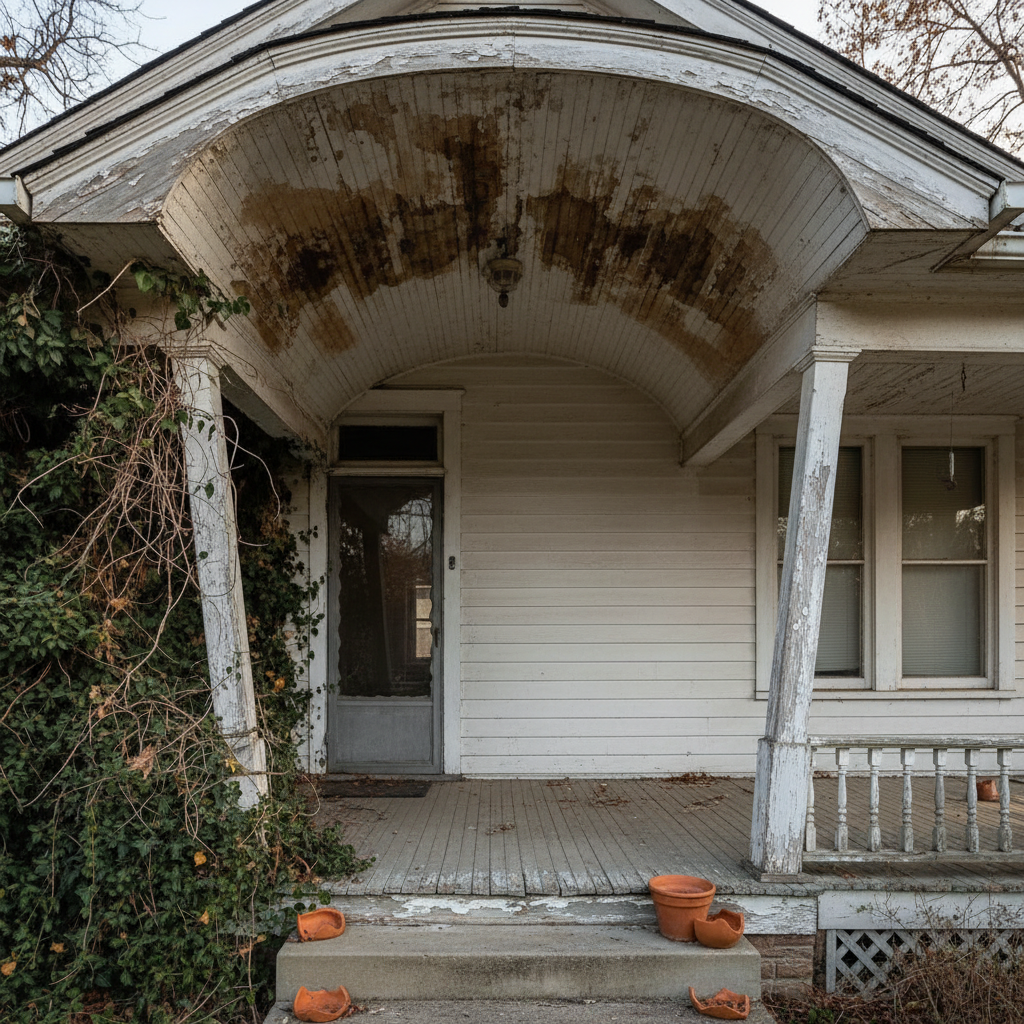
Water is often the primary culprit behind structural degradation. Leaks in the roof, clogged gutters, or improper drainage can allow water to penetrate the roof structure, causing wooden beams, joists, and fascia boards to rot. As wood rots, it loses its strength and integrity, leading to sagging. This is particularly prevalent in areas with high humidity or frequent rainfall.
Foundation or Support Post Issues
The entire weight of your porch roof rests on its support posts and the foundation beneath them. If the ground around the foundation shifts, erodes, or settles unevenly, the support posts can sink, lean, or become unstable. Similarly, if the posts themselves are rotted, damaged by pests, or were improperly installed, they may no longer be able to adequately bear the load, resulting in a visible sag in the roofline.
Age and Material Degradation
Over time, even the strongest materials can succumb to the elements and the natural process of aging. Wooden beams can dry out and crack, metal fasteners can rust, and composite materials can become brittle. Constant exposure to sun, rain, snow, and fluctuating temperatures accelerates this degradation, weakening the overall structure and making it more prone to sagging.
Improper Original Construction
Sometimes, the problem stems from the very beginning. If the porch roof was not designed or built to proper building codes, or if inadequate materials or insufficient support were used, it may not be able to withstand the long-term stress of its own weight or external loads like snow. Undersized joists or beams are common issues in poorly constructed porches.
Heavy Snowfall or Debris Accumulation
While most roofs are designed to handle a certain amount of weight, exceptionally heavy snowfall, especially wet and dense snow, can exceed a porch roof’s load capacity. The same applies to significant accumulation of leaves, branches, or other debris, particularly if it sits for extended periods and becomes waterlogged. This sustained stress can cause beams to bend or break, leading to a sag.
Termite or Pest Infestation
Hidden dangers like termites, carpenter ants, or other wood-boring insects can silently compromise the structural integrity of your porch roof. These pests tunnel through wooden beams, posts, and joists, hollowing them out from the inside. By the time the damage becomes visible as a sag, the internal structure may be severely weakened.
Is a Sagging Porch Roof Dangerous? Assessing the Risks
The short answer is yes, a sagging porch roof can be dangerous. It’s more than just an eyesore; it’s a red flag indicating a potential structural failure. Understanding the risks involved can underscore the importance of prompt action.
Structural Integrity Compromise
A sag indicates that the roof’s structural integrity has been compromised. The components designed to carry the load—beams, joists, and posts—are no longer performing their function adequately. This weakening can escalate quickly, especially under additional stress from weather events like strong winds, heavy rain, or snow.
Safety Hazards for Occupants
The most significant danger is the risk of collapse. A partially collapsed roof can cause serious injury to anyone standing underneath or nearby. Falling debris, sharp edges, and exposed electrical wiring (if present) all pose immediate threats. Even a minor sag can lead to falling pieces of fascia or roofing material, which can cause harm.
Decreased Property Value
Beyond safety, a visibly sagging porch roof significantly detracts from your home’s curb appeal and can drastically decrease its market value. Prospective buyers will view it as a major structural defect, indicating potentially expensive repairs down the line, and may be hesitant to even consider the property.
How to Accurately Assess the Sagging in Your Porch Roof
Before any repair work can begin, a thorough assessment is crucial. This helps determine the extent of the damage, pinpoint the cause, and decide whether a DIY approach is feasible or if professional help is needed.
Visual Inspection
Start with a comprehensive visual inspection. Look for:
- Uneven rooflines: Stand back and observe the roofline from different angles. Is it visibly dipping in the middle or on one side?
- Cracks or splits: Check beams, joists, and posts for cracks, splits, or warping.
- Water stains: Look for water stains on the underside of the roof, the support posts, or adjacent walls, which indicate leaks.
- Mold or mildew: These can be signs of chronic moisture problems.
- Missing or damaged shingles/roofing: These can lead to water intrusion.
- Pest evidence: Look for sawdust, droppings, or visible tunnels in wooden elements.
Using a Level
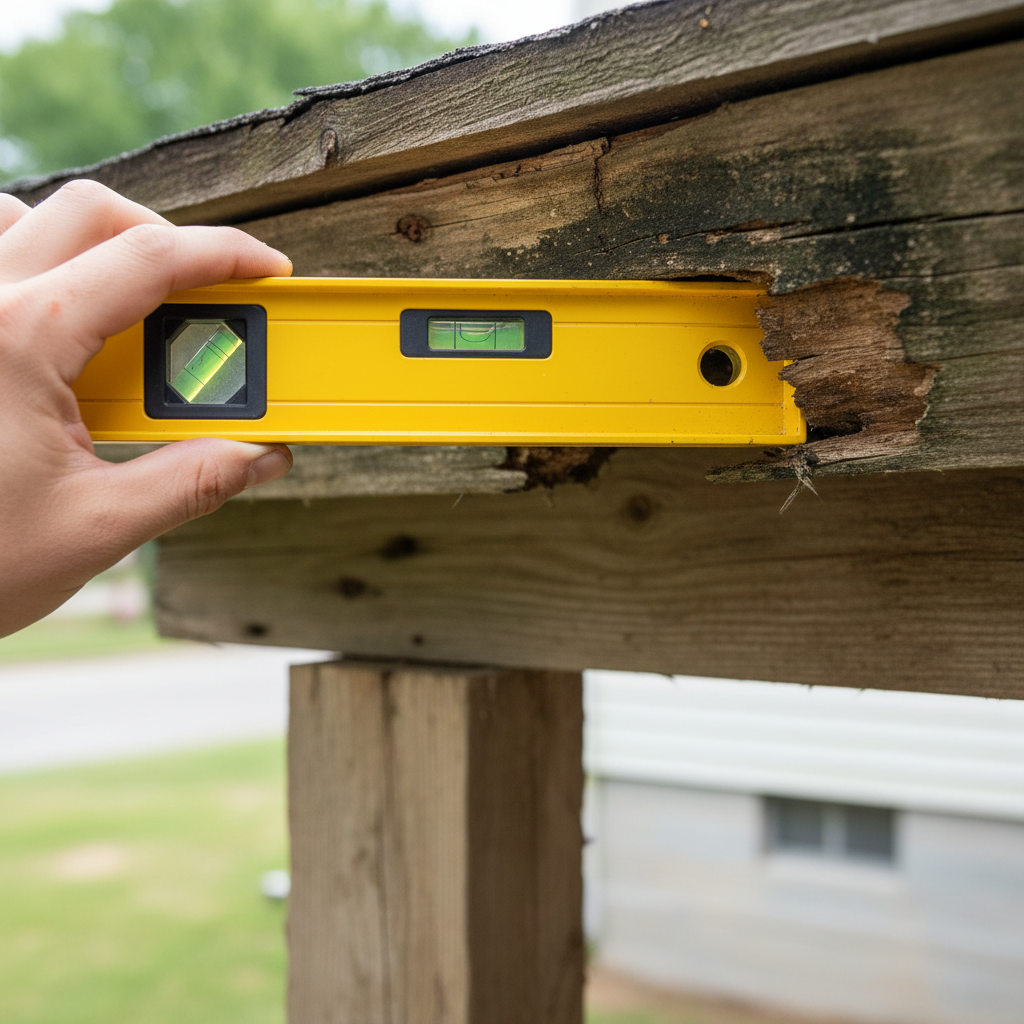
For a more precise measurement, use a long level. Place it on different sections of the roof’s underside (if accessible) and across beams. This will clearly show how much deviation there is from a perfectly level plane. You can also run a string line from one end of the porch roof to the other to get a visual indication of the sag.
Checking Support Posts and Foundation
Examine the support posts closely. Are they plumb (perfectly vertical)? Are there signs of rot at the base or top? Is the concrete foundation around the posts cracked, crumbling, or sinking? Use a screwdriver to probe any suspicious-looking wood; if it’s soft or punky, it’s likely rotted.
Looking for Secondary Damage
A sagging roof can impact other parts of your home. Check for:
- Cracks in adjacent exterior walls.
- Doors or windows near the porch that are difficult to open or close, indicating shifting.
- Damage to gutters or downspouts attached to the porch roof.
Repairing a Sagging Porch Roof: DIY or Professional?
Deciding whether to tackle the repair yourself or hire a professional is a critical decision that should be based on the severity of the sag, your DIY skills, and the underlying cause.
When to Consider DIY Solutions (Minor Issues)
If the sag is minor, caught early, and clearly attributable to superficial damage such as a few rotted fascia boards, a localized leak, or a slightly misaligned support post that can be easily shored up, a confident DIYer might be able to handle it. Basic carpentry skills, understanding of structural loads, and access to the right tools are essential. However, even minor repairs often require temporary shoring, which demands careful planning.
When to Call a Professional (Major Structural Problems)
For significant sagging, widespread rot, foundation issues, or any problem that impacts the main structural integrity of the roof or its connection to your house, always call a licensed professional. This includes:
- Visible cracks in primary support beams or joists.
- Issues with the main house foundation or connections.
- Extensive water damage affecting multiple components.
- Any signs of imminent collapse.
- If you’re unsure about the extent of the damage or the best course of action.
A structural engineer or an experienced contractor specializing in porch repairs can accurately diagnose the problem, ensure the repair meets building codes, and guarantee safety. For guidance on finding a reliable contractor, Better Homes & Gardens offers helpful tips on hiring a contractor.
Step-by-Step Guide to Minor Porch Roof Sag Repair (When DIY is Possible)
If you’ve assessed the situation and determined it’s within your DIY capabilities, here’s a general guide. Remember, safety should always be your top priority.
Safety First
- Wear appropriate safety gear: gloves, safety glasses, and a hard hat if working overhead.
- Ensure a stable ladder or scaffolding.
- Work with a partner, especially when dealing with heavy materials or shoring.
- Never stand directly under an unsupported sagging section.
Temporary Support
Before removing any damaged components, you must temporarily support the sagging section of the roof. Use sturdy 4×4 posts cut to size, topped with a jack post or a temporary header beam (a strong plank of wood) to distribute the load. Place these supports on solid ground or stable plywood to prevent them from sinking. Slowly raise the sagged area until it’s level or slightly above level, being careful not to over-jack and cause more damage.
Identifying and Addressing the Root Cause
- **Water Damage:** Repair any roof leaks immediately. Clean and repair gutters and downspouts to ensure proper drainage away from the porch structure. Replace any rotted wood components, making sure new wood is treated for outdoor use.
- **Pest Infestation:** If pests are present, treat the infestation and replace all damaged wood. Consider preventative measures like pest control treatments for new wood.
- **Support Post Issues:** If a support post is rotted at the base, you might be able to cut out the damaged section and install a concrete pier or a heavy-duty metal post base to lift the new wood off the ground. If the entire post is compromised, replace it with a new, properly sized, pressure-treated post. Ensure the new post is plumb and securely fastened at both ends.
- **Minor Beam/Joist Damage:** For localized rot or cracks in a non-primary beam, you might be able to reinforce it by sistering—attaching a new, identically sized beam alongside the damaged one with construction adhesive and heavy-duty screws or bolts.
Reinforcing or Replacing Damaged Components
Once the root cause is addressed and the area is temporarily supported:
- Carefully remove any severely damaged or rotted wood.
- Cut new, properly sized lumber (pressure-treated for outdoor use) to replace the removed sections.
- Install the new lumber, ensuring it fits snugly and is securely fastened with appropriate structural connectors (hurricane ties, joist hangers, strong screws or bolts).
- If sistering, ensure the new beam runs the full length of the damaged section for maximum support.
- Ensure all connections are strong and meet local building code requirements.
Finishing Touches
Once the structural repairs are complete and the temporary supports are removed, finish the job:
- Re-install any removed roofing materials, fascia, or trim.
- Inspect the entire porch roof to ensure all components are secure and the roofline is now level.
- Apply paint or sealant to protect the new wood from the elements.
- Clean up all debris and tools.
Preventing Future Sagging: Maintenance Tips for Your Porch Roof
Proactive maintenance is key to preventing your porch roof from sagging again and ensuring its longevity.
Regular Inspections
Make it a habit to inspect your porch roof at least twice a year, preferably in spring and fall. Look for any signs of damage, leaks, or pest activity. Early detection can save you significant repair costs.
Gutter and Downspout Maintenance
Keep your gutters and downspouts free of leaves, twigs, and other debris. Clogged gutters can cause water to back up and overflow, leading to water damage on your porch roof and foundation. Ensure downspouts direct water away from the porch’s base.
Proper Drainage
Ensure the ground around your porch foundation slopes away from the structure. This prevents water from pooling around the support posts, which can lead to foundation erosion and wood rot.
Snow Removal
In snowy climates, safely remove heavy snow accumulation from your porch roof after significant snowfalls. Use a roof rake or a broom, being careful not to damage the roofing materials. Never climb onto a snow-covered or icy roof.
Pest Control
Take steps to deter pests. Seal cracks in wood, keep vegetation trimmed away from the porch, and consider professional pest control treatments if you live in an area prone to termites or carpenter ants.
Professional Check-ups
Consider having a professional inspect your porch roof every few years, especially if it’s older or has experienced past issues. They can spot potential problems that might be missed during a DIY inspection.
FAQs About Porch Roof Sagging
How much does it cost to fix a sagging porch roof?
The cost varies widely depending on the extent of the damage, the cause, the materials needed, and whether you hire a professional. Minor DIY repairs could be a few hundred dollars for materials, while professional structural repairs could range from $1,000 to $10,000 or more for extensive damage, foundation work, or complete roof replacement.
Can a sagging porch roof collapse?
Yes, absolutely. A sagging porch roof is a clear indicator of structural weakness. If the underlying issues are not addressed, the roof’s capacity to bear its own weight and any additional loads (like snow or wind) will continue to diminish, eventually leading to a partial or complete collapse. This is why immediate assessment and action are crucial.
How do I know if my porch roof is structurally sound?
Regular visual inspections are key. Look for a level roofline, straight and plumb support posts, no visible cracks, rot, or water stains. Probe any suspicious wood with a screwdriver – it should be hard, not soft. If you have any doubts, especially after a severe storm or if the porch is older, it’s best to consult with a structural engineer or experienced contractor for a professional assessment.
Is a sagging porch roof a DIY project?
Only for very minor issues, such as replacing a single rotted board or reinforcing a slightly compromised area that doesn’t affect the primary structural components. Any significant sag, widespread rot, foundation problems, or issues with main beams and joists should always be handled by a qualified professional. Attempting major structural repairs without expertise can be dangerous and lead to further damage.
A sagging porch roof is a call to action for homeowners. While it can be daunting, understanding the causes and knowing when to call a professional can ensure your porch remains a welcoming and safe part of your home for years to come. Don’t delay—addressing the problem quickly protects your investment and ensures the safety of everyone who enjoys your outdoor living space.