The Hidden Danger: Why Clogged Dryer Vents Matter
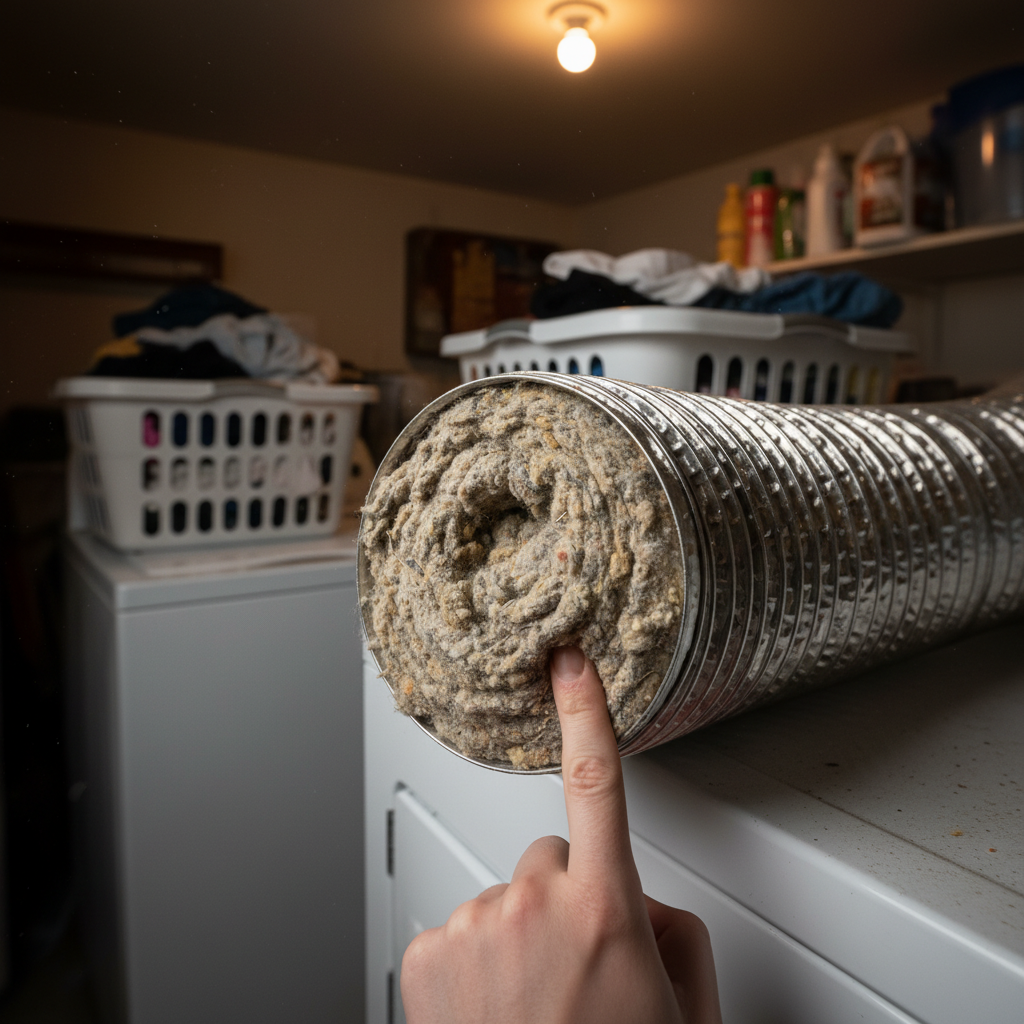
A dryer vent’s primary function is to direct hot, humid air and small particles of lint from your dryer to the outside. This process is crucial for drying clothes efficiently and preventing moisture buildup in your home. However, over time, lint can accumulate within the vent duct, forming a dense blockage. This blockage restricts airflow, causing your dryer to work harder, overheat, and become a potential fire hazard. According to the U.S. Fire Administration, there are thousands of dryer fires reported each year, with failure to clean being the leading factor. This underscores the critical importance of being vigilant about your dryer’s performance and recognizing the indicators of a clogged vent.
Key Dryer Vent Clogged Symptoms You Shouldn’t Ignore
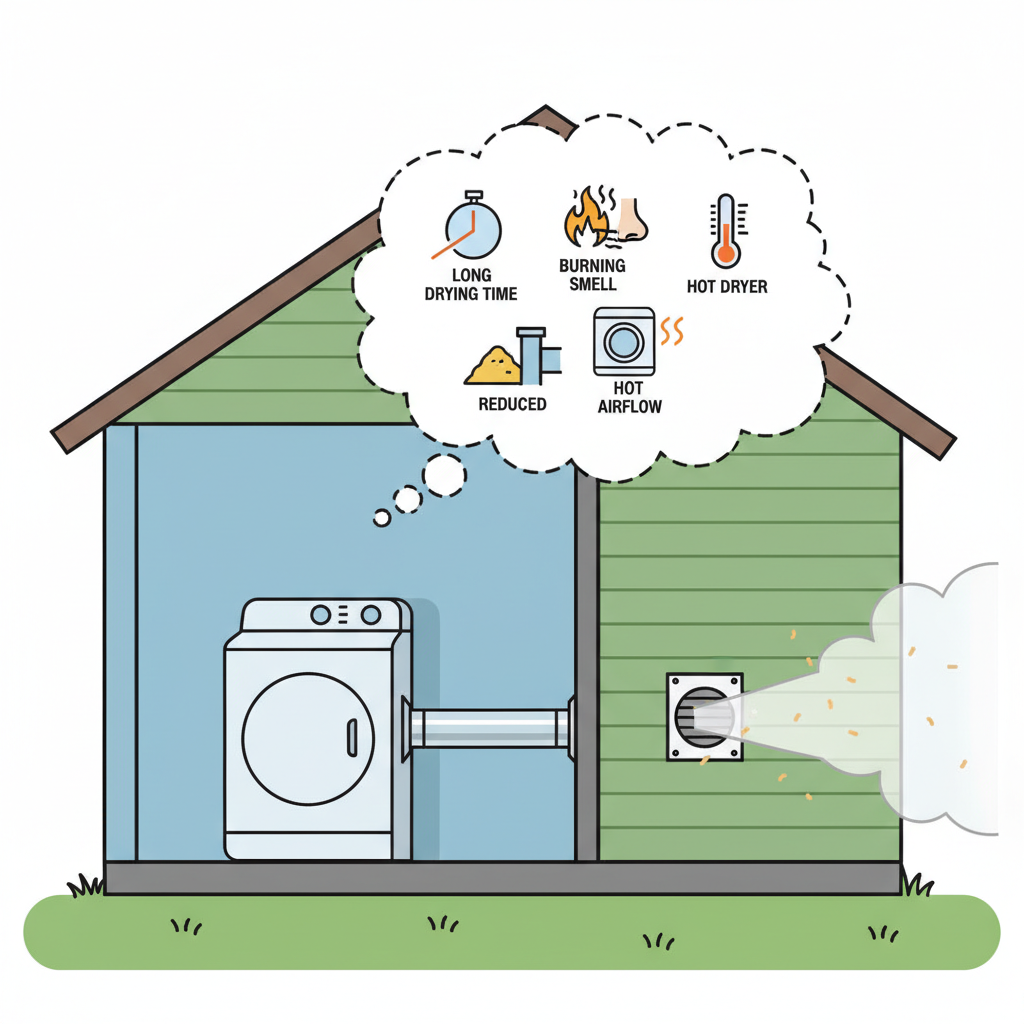
Observing your dryer’s behavior during and after cycles can provide crucial clues about the state of its vent. Pay close attention to these common dryer vent clogged symptoms:
1. Longer Drying Times
This is arguably the most common and noticeable symptom of a clogged dryer vent. If you find that your clothes are still damp or take significantly longer to dry than they used to, even on a high heat setting, a blocked vent is likely the culprit. When airflow is restricted, the moist, hot air cannot escape efficiently, meaning your dryer must run for extended periods to achieve the same level of dryness. This not only wastes energy but also puts unnecessary strain on your appliance, shortening its lifespan. What once took 30-40 minutes might now take an hour or more, or even require multiple cycles.
2. Burning Smell or Lint Odor
A distinct burning smell during or after a drying cycle is a serious red flag. This odor often indicates that lint trapped in the vent or inside the dryer is overheating and beginning to scorch. The smell might be faint at first, perhaps like hot lint, but it can quickly intensify into a more acrid burning plastic or fabric odor. This is a direct sign that a fire could be imminent. If you detect such a smell, stop the dryer immediately, unplug it, and investigate the vent and surrounding areas. This symptom should never be ignored.
3. Dryer is Hot to the Touch
While dryers are designed to produce heat, the top, sides, or door of your appliance should not feel excessively hot to the touch during or after a normal cycle. If you notice your dryer feels unusually hot, it means heat is accumulating inside the machine rather than being expelled through the vent. This overheating is a direct consequence of restricted airflow, as the heating element continues to generate heat that cannot escape. Persistent overheating can damage internal components of the dryer and, more critically, ignite the lint buildup.
4. Excessive Lint in the Lint Trap or Around the Dryer
While the lint trap is designed to catch lint, an unusually large amount of lint accumulating in the trap after just one load, or lint escaping and gathering around the dryer and behind it, can signal a vent problem. This happens because the restricted airflow in the main vent pushes lint back towards the dryer’s interior, causing it to bypass the lint filter or accumulate in unusual places. You might also notice lint on your clothes even after they’ve been “dried,” indicating that the lint isn’t being properly expelled.
5. No Lint on the Lint Screen
Conversely, if you’re consistently finding very little to no lint on your lint screen after multiple loads, it could also indicate a severe blockage. While this might seem counterintuitive, it means that the airflow is so severely compromised that the lint isn’t even making it to the trap. Instead, it’s getting trapped deeper within the dryer’s internal mechanisms or directly in the vent itself, creating a dense, dangerous clog.
6. Excessive Heat and Humidity in the Laundry Room
If your laundry room feels unusually hot, humid, or steamy during a drying cycle, it’s a strong indicator that the hot, moist air from your dryer isn’t properly exiting through the vent to the outside. Instead, this air is being forced back into your home. Beyond discomfort, this can lead to increased indoor humidity, which encourages the growth of mold and mildew, potentially impacting indoor air quality and causing damage to walls or furniture.
7. Moldy or Musty Smell on Clothes
When clothes are not dried completely due to poor ventilation, moisture can remain trapped within the fabric. This dampness, combined with the warm environment, creates an ideal breeding ground for mold and mildew. If your freshly dried clothes come out smelling musty or damp, even after an extended cycle, it’s a clear sign that your dryer isn’t effectively removing moisture, pointing towards a clogged vent issue.
8. Dryer Not Starting or Stopping Mid-Cycle
Modern dryers are equipped with safety mechanisms, such as thermal fuses, designed to prevent overheating. If the dryer’s internal temperature gets too high due to a clogged vent, these safety features can trip, causing the dryer to shut off unexpectedly in the middle of a cycle or refuse to start altogether. While this prevents a fire, it also signals a serious underlying problem that needs immediate attention.
9. Gas Dryer Specific: Carbon Monoxide Alarm Triggering
This is a particularly critical symptom for homes with gas dryers. Gas dryers vent combustion byproducts, including carbon monoxide (CO), along with moist air and lint. If the vent becomes blocked, these dangerous gases can back up into your home. A carbon monoxide alarm going off near your laundry area is an urgent warning sign of a potentially fatal issue. If your CO alarm triggers, immediately evacuate the premises, call emergency services, and do not re-enter until professionals declare it safe. This symptom highlights the dual danger of fire and poisoning that gas dryer vent clogs present.
What Causes Dryer Vent Clogs?
Understanding the common culprits behind vent clogs can help with prevention:
- Lint Accumulation: This is by far the most common cause. Even with a lint trap, fine particles of lint escape and travel through the vent, gradually building up.
- Crushed or Kinked Vents: Vents can become accidentally crushed or kinked, especially if the dryer is pushed too close to a wall, restricting airflow.
- Long or Complex Vent Runs: Vents that are excessively long or have many turns and elbows provide more surfaces for lint to snag and accumulate.
- Improper Vent Materials: Flexible vinyl or plastic ducts, while inexpensive, are highly flammable, easily crushed, and have ribbed interiors that trap lint more readily than rigid metal ducts.
- Exterior Vent Cover Issues: Pet nests, debris, or a clogged vent flap on the outside of your home can block the exit point.
The Dangers of Neglecting Clogged Dryer Vents
Ignoring the dryer vent clogged symptoms can lead to severe consequences:
- Fire Hazard: This is the most significant danger. The combination of lint (highly flammable), heat, and reduced airflow creates ideal conditions for a dryer fire. Good Housekeeping emphasizes the importance of regular vent cleaning to prevent such hazards.
- Increased Energy Bills: A clogged vent forces your dryer to run longer and work harder, consuming significantly more energy and driving up your utility costs.
- Dryer Damage: Persistent overheating and overworking can lead to premature wear and tear on your dryer’s heating element, motor, and other critical components, potentially requiring expensive repairs or premature replacement.
- Mold and Mildew Growth: The excess moisture that cannot escape can promote mold and mildew in your laundry room, affecting air quality and potentially causing structural damage.
- Carbon Monoxide Poisoning (Gas Dryers): For gas dryers, a blocked vent can cause lethal carbon monoxide to back up into your living space, posing an invisible and odorless threat.
How to Prevent Dryer Vent Clogs
Proactive measures are key to keeping your dryer vent clear and your home safe:
Regular Lint Trap Cleaning
Clean your dryer’s lint screen before or after every single load. This simple habit drastically reduces the amount of lint that travels into your vent duct. You can also occasionally wash the lint trap with soap and water to remove any fabric softener residue that might reduce its effectiveness.
Professional Dryer Vent Cleaning
Even with diligent lint trap cleaning, some lint will inevitably accumulate in the vent over time. It’s recommended to have your dryer vent professionally cleaned at least once a year, or more frequently if you have a large family, use your dryer heavily, or have pets that shed a lot of hair. Professionals have specialized tools to thoroughly clear even stubborn blockages.
Proper Vent Material and Installation
Ensure your dryer vent is made of rigid metal ductwork, ideally smooth-walled galvanized steel or aluminum. Avoid flexible plastic or foil-type vents, as they are prone to crushing and trapping lint. The vent run should be as short and straight as possible, with minimal bends and elbows, to facilitate smooth airflow.
Shorten Vent Length
If your dryer vent run is excessively long, consider having it re-routed or shortened by a professional if possible. Shorter, straighter runs are less prone to clogs.
Avoid Overloading Your Dryer
Overloading your dryer can restrict airflow inside the drum, making the dryer work harder and potentially pushing more lint into the vent system. Dry smaller, more manageable loads to ensure proper air circulation and drying efficiency.
When to Call a Professional for Dryer Vent Cleaning
While some homeowners feel comfortable performing minor vent cleaning themselves, there are situations where calling a professional is highly advisable:
- Persistent Symptoms: If you’ve tried basic cleaning (like reaching into the vent from the back of the dryer) but the dryer vent clogged symptoms persist, a deeper, more stubborn blockage likely exists.
- Inaccessible Vents: If your dryer vent runs through walls, ceilings, or has a complex route that you cannot easily access, a professional has the right equipment to reach and clear the entire length.
- Gas Dryer Concerns: Due to the risk of carbon monoxide, it’s generally safer to have a professional inspect and clean gas dryer vents, especially if you suspect a blockage.
- Lack of Proper Tools: Professionals use specialized brushes, vacuums, and cameras to ensure a thorough cleaning without damaging the vent system.
- Annual Maintenance: Even without obvious symptoms, an annual professional cleaning is a smart preventative measure, especially for heavily used dryers.
FAQs About Dryer Vent Clogged Symptoms
How often should I clean my dryer vent?
It’s generally recommended to have your dryer vent professionally cleaned at least once a year. For heavily used dryers, large families, or homes with pets, cleaning every 6-9 months might be more appropriate. Always clean your lint trap before or after every load.
Can a clogged dryer vent cause a fire?
Yes, absolutely. A clogged dryer vent is a leading cause of household fires. Lint is highly flammable, and when it accumulates in a vent with restricted airflow, the dryer can overheat, igniting the lint and causing a fire to spread rapidly.
What’s the difference between cleaning the lint trap and cleaning the dryer vent?
The lint trap is a small, removable screen inside your dryer that catches lint from each load. It should be cleaned after every use. The dryer vent is the ductwork that extends from the back of your dryer to the outside of your home, through which hot, moist air is expelled. This requires specialized tools for thorough cleaning beyond the immediate connection to the dryer.
Is it safe to clean my dryer vent myself?
Minor cleaning, such as detaching the vent hose from the dryer and vacuuming out the accessible ends, can often be done safely. However, for a complete and thorough cleaning of the entire vent run, especially if it’s long, has many turns, or is integrated into walls, it’s safer and more effective to hire a professional who has the proper equipment and expertise.
How can I tell if my dryer vent is blocked without disassembling it?
The key dryer vent clogged symptoms listed above are your primary indicators. Observe if your clothes take longer to dry, if the dryer feels excessively hot, if there’s a burning smell, or if there’s unusual humidity in the laundry room. You can also visually inspect the exterior vent hood while the dryer is running to see if air is being expelled forcefully.
Conclusion
Your dryer is an essential part of your home, and ensuring its safe and efficient operation is paramount. By understanding and promptly addressing the common dryer vent clogged symptoms, you can prevent serious hazards like house fires and carbon monoxide poisoning, while also extending the life of your appliance and reducing energy costs. Make it a habit to clean your lint trap after every load, be mindful of your dryer’s performance, and schedule regular professional vent cleanings. Don’t wait for a problem to escalate; proactive maintenance is the key to a safer, more efficient laundry routine.