Understanding Why Your Porch Roof is Sagging
A porch roof doesn’t sag without reason. Various factors, often working in combination, can lead to this concerning structural weakness. Pinpointing the exact cause is the first step toward a lasting solution.
Water Damage and Rot
One of the most frequent culprits behind a sagging porch roof is water infiltration. Leaky gutters, damaged shingles, or even inadequate flashing can allow water to penetrate the roofing materials and underlying structural wood. Over time, this moisture leads to:
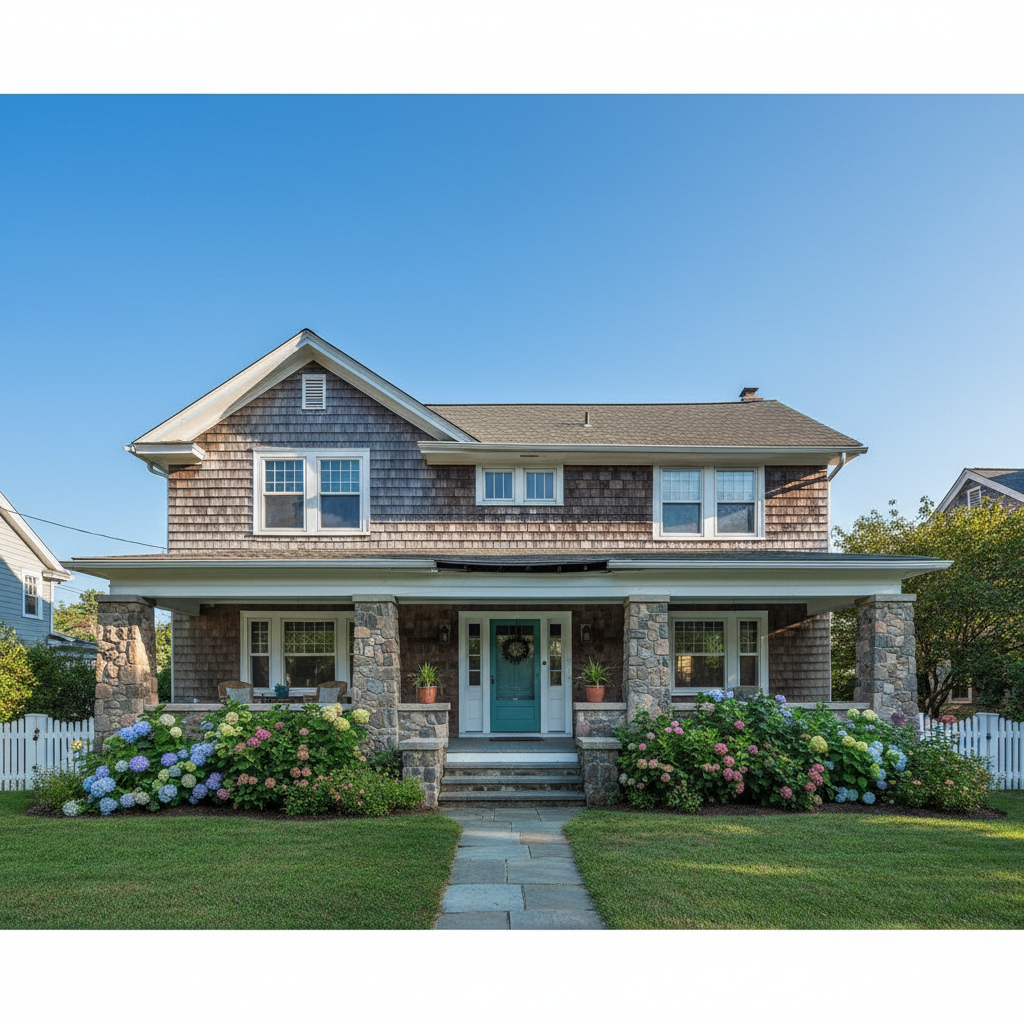
- Wood Rot: Constant exposure to moisture causes wood beams, joists, and rafters to rot. Rotted wood loses its structural integrity, becoming soft, crumbly, and unable to bear weight, leading to a visible sag.
- Mold and Mildew Growth: While not directly causing a sag, extensive mold and mildew can further degrade wood and indicate a persistent moisture problem that needs addressing.
Inadequate Structural Support
Sometimes, the problem isn’t due to damage but rather a fundamental flaw in the original construction or design. This can include:
- Insufficient Sizing of Beams and Joists: If the support beams or joists were undersized for the span they cover or the weight they’re expected to bear (including roofing materials and snow load), they will eventually deflect and sag.
- Too Few Support Columns or Posts: A porch roof needs adequate vertical support. If there aren’t enough columns or posts, or if they are spaced too far apart, the roof structure in between them may lack sufficient support and begin to sag.
- Improper Fastening: Connections between structural elements (e.g., rafters to ledger board, joists to beams) must be strong and properly fastened. Loose or insufficient fasteners can lead to structural shifting and sagging over time.
Foundation or Footing Issues
The stability of your porch roof ultimately depends on the stability of its foundation or footings. If the ground underneath the porch supports settles, shifts, or erodes, it can cause the entire porch structure to move. This movement can lead to:
- Uneven Settling: If one side of the porch’s foundation settles more than another, it can pull down the corresponding part of the roof.
- Heaving: In colder climates, frost heave can lift and then drop porch footings, creating instability.
- Erosion: Water runoff that erodes soil around footings can undermine their support.
Age and Wear
Like all building materials, porch roofs have a lifespan. Over decades, even well-constructed roofs can begin to show signs of wear and tear:
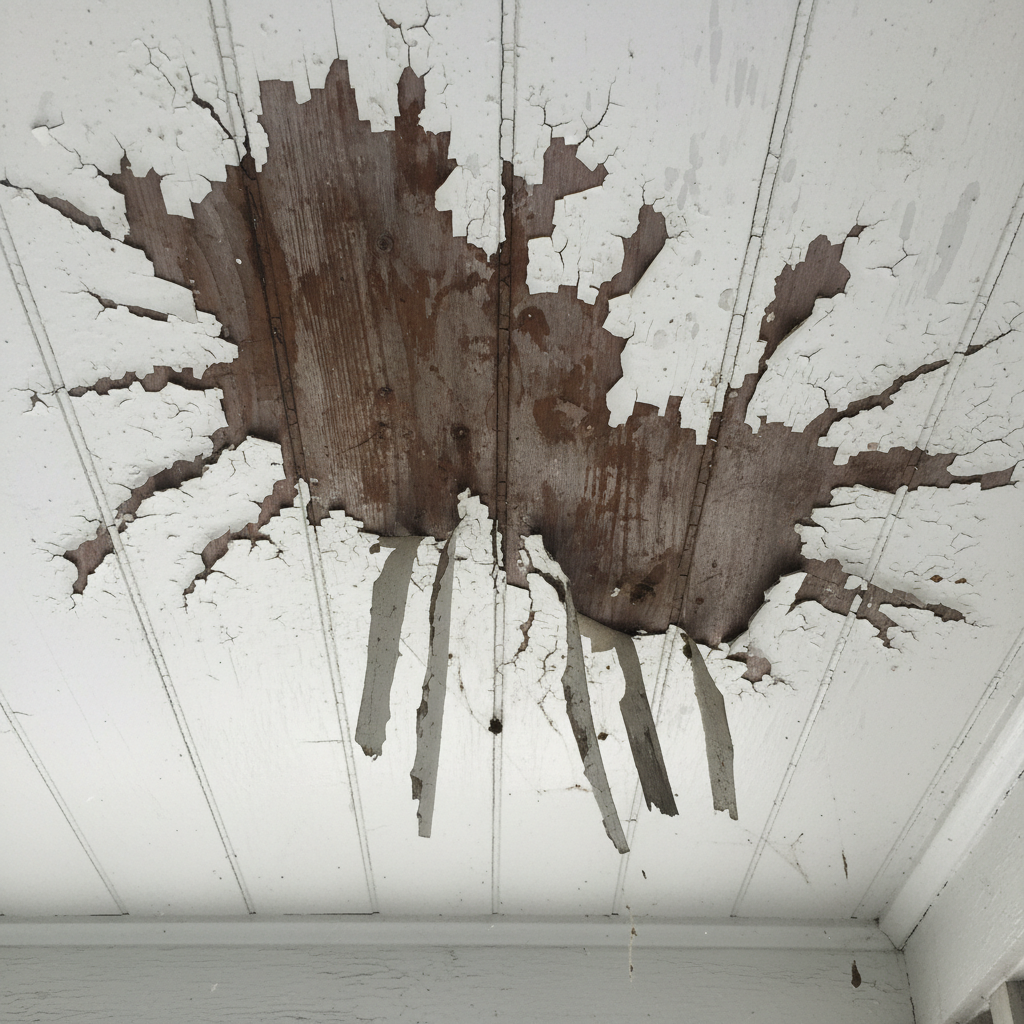
- Material Degradation: Wood can dry out, crack, or become brittle. Metal fasteners can corrode.
- Accumulated Stress: Continuous exposure to changing weather conditions, temperature fluctuations, and weight loads (like snow or heavy rain) can gradually weaken the structure.
Poor Original Construction
Unfortunately, some sagging porch roofs are a legacy of poor workmanship during initial construction. This can manifest as:
- Incorrect Pitch: A roof with an insufficient pitch may not shed water effectively, leading to water accumulation and saturation.
- Lack of Proper Bracing: Inadequate cross-bracing or hurricane ties can allow the roof structure to flex and deform under stress.
- Use of Substandard Materials: Employing lower-grade wood or materials not suited for exterior exposure will accelerate deterioration.
Pest Infestations
Termites, carpenter ants, and other wood-boring insects can cause significant damage to the structural lumber of a porch roof. These pests tunnel through wood, creating intricate networks that severely compromise the material’s strength, leading to eventual sagging and potential collapse.
Excessive Weight (Snow, Debris)
While most roofs are designed to handle typical snow loads, an unusually heavy snowfall or an accumulation of wet leaves and debris over time can exert excessive pressure on a porch roof. If the roof’s structural components are already weakened or inadequately sized, this extra weight can be the tipping point, causing it to sag.
The Dangers of a Sagging Porch Roof
Ignoring a sagging porch roof is not merely an aesthetic oversight; it’s a safety hazard and a precursor to more extensive and costly home repairs. Understanding the potential dangers can underscore the urgency of addressing this issue promptly.
Structural Collapse
The most immediate and severe danger of a sagging porch roof is the risk of partial or complete structural collapse. If the underlying beams, joists, or posts are severely compromised, the roof could give way without warning. This poses a serious threat of injury or even fatality to anyone standing on or near the porch.
Water Infiltration into Your Home
A sagging roof creates pockets where water can pool. This increases the likelihood of leaks not only through the porch roof itself but potentially into the main structure of your home. Water infiltration can lead to:
- Interior water damage (ceilings, walls, flooring).
- Mold and mildew growth inside your home, leading to poor air quality and potential health issues.
- Further deterioration of structural components within your house.
Decreased Property Value
A visibly sagging porch roof is a significant red flag for potential homebuyers. It suggests structural problems, neglected maintenance, and potentially high repair costs. This will undoubtedly detract from your home’s curb appeal and significantly lower its market value.
Aesthetic Deterioration
Even if the structural integrity isn’t immediately compromised, a sagging roof simply looks bad. It makes your home appear poorly maintained and uncared for, diminishing its overall beauty and inviting environment.
How to Identify a Sagging Porch Roof (Signs to Look For)
Early detection is key to preventing minor issues from becoming major problems. Regular inspections of your porch can help you spot the telltale signs of a sagging roof before it becomes dangerous.
Visible Bowing or Dipping
This is the most obvious sign. Stand back from your home and look at the porch roofline. Is it perfectly straight and level, or do you notice a noticeable dip or curve in the middle or along an edge? Even a slight bow can indicate a problem.
Cracks or Gaps
Examine the areas where the porch roof connects to the house, as well as around any support posts or columns. Look for:
- Cracks in the fascia board or soffits.
- Gaps appearing between the roof and the house siding.
- Separation between roof components.
Misaligned Posts or Columns
If the porch roof is sagging, it will put uneven pressure on the supporting posts or columns. Look for:
- Posts that appear to be leaning or out of plumb.
- Gaps between the top of the post and the beam it supports.
- Cracks or splintering at the top or bottom of posts due to uneven stress.
Water Stains or Leaks
Any signs of water damage on the underside of the porch roof, on the porch floor, or along the house wall adjacent to the porch should be a cause for concern. These can include:
- Brown or yellow water stains.
- Peeling paint or blistering finishes.
- Actual drips or puddles after rain.
Doors or Windows Sticking
If the porch is attached to the main structure of your home, a significant sag could put stress on the house’s frame. This stress might manifest as doors or windows near the porch becoming difficult to open or close, or developing new cracks in nearby plaster or drywall.
Steps to Take When You Discover Your Porch Roof is Sagging
Finding a sag in your porch roof can be alarming, but acting swiftly and systematically is crucial to mitigate further damage and ensure safety.
Prioritize Safety
Before doing anything else, assess the immediate safety risk. If the sag is severe, accompanied by visible cracking, splintering, or sounds of distress, it might be advisable to:
- Evacuate the area directly under and around the porch.
- Barricade the porch to prevent anyone from using it.
- Contact a structural engineer or a qualified contractor immediately for an emergency assessment.
Document the Damage
Take clear photos and videos of the sagging roof from various angles. Note down any specific observations, such as the location of the sag, any cracks, water stains, or misaligned supports. This documentation will be invaluable when consulting with professionals and for insurance purposes.
Consider Professional Inspection
Even for minor sags, a professional inspection is highly recommended. A qualified contractor, structural engineer, or home inspector has the expertise to:
- Accurately determine the root cause of the sag.
- Assess the extent of the damage to both the porch roof and potentially the adjacent house structure.
- Provide a detailed report and recommend the most effective and safest repair strategies.
Regular home maintenance and inspections are crucial for catching issues early. For a comprehensive list of common house problems to look out for, consult resources like this guide from Good Housekeeping.
Repairing a Sagging Porch Roof: DIY vs. Professional Help
Deciding whether to tackle a sagging porch roof repair yourself or call in the experts depends heavily on the severity of the sag and the underlying cause.
When DIY Might Be Possible
If the sag is very minor and clearly attributable to superficial issues, DIY might be considered. This could include:
- Very Minor Surface Sagging: Perhaps a small section of a decorative fascia board has warped due to sun exposure, not affecting the main structure.
- Addressing Minor Water Leaks: Fixing a small gutter leak or replacing a few damaged shingles that are *just starting* to cause superficial water staining, before structural wood is compromised.
- Temporary Shoring: In an emergency, and with extreme caution, you might temporarily shore up a slightly sagging section to prevent immediate collapse while waiting for professional help. This is a very temporary measure and should only be attempted by someone with experience and proper safety equipment.
Important Caveat: Even seemingly minor sags can be indicative of deeper problems. If you’re not 100% confident in your assessment and repair capabilities, it’s always safer to consult a professional.
When to Call a Professional
For the vast majority of sagging porch roof scenarios, professional help is not just recommended, but essential. You absolutely need a professional if:
- The Sag is Significant: Any noticeable dip or curve in the roofline points to serious structural issues.
- The Cause is Unknown: A professional can accurately diagnose the root cause.
- There’s Structural Damage: Rotted beams, compromised joists, or foundation problems require specialized knowledge and equipment.
- Safety is a Concern: If you fear the roof could collapse, do not attempt to fix it yourself.
- Specialized Equipment is Needed: Lifting heavy beams, shoring up structures, or working at heights requires specific tools and expertise.
- Permits Are Required: Major structural repairs often necessitate building permits, which professionals are experienced in obtaining.
- You Lack Experience: Structural repairs are not for amateur DIYers. Incorrect repairs can lead to greater damage or unsafe conditions.
What a Professional Will Do
A qualified contractor or structural engineer will typically follow these steps:
- Thorough Inspection: Identify the exact cause and extent of the damage.
- Shoring and Support: Temporarily support the sagging roof to prevent further collapse and safely facilitate repairs.
- Repair or Replacement: Replace rotted or undersized lumber (beams, joists, rafters) or repair damaged elements.
- Foundation Work: Address any underlying foundation or footing issues.
- Water Management: Repair or install proper flashing, gutters, and downspouts to prevent future water damage.
- Reinforcement: Add extra support, bracing, or stronger fasteners where necessary.
- Finishing Touches: Restore the roof to its original aesthetic and structural integrity.
Common Repair Methods for Sagging Porch Roofs
The specific repair method for a sagging porch roof depends entirely on the underlying cause and the extent of the damage. Here are some common approaches professionals take:
Shoring Up and Reinforcement
This is often the first step in any structural repair. Temporary adjustable steel posts (ACRO props) are used to safely lift and support the sagging section of the roof, allowing workers to access and repair the damaged components without risk of collapse. Once the roof is properly supported, permanent reinforcements can be added, such as:
- Sistering Beams/Joists: Adding new lumber alongside existing, damaged, or undersized beams and joists to increase their load-bearing capacity.
- Adding New Posts/Columns: Installing additional vertical supports to reduce the span and weight on existing structural members.
- Installing Steel Plates/Flitch Plates: For severe cases or where wood beams are highly compromised, steel plates can be bolted to the sides of wooden beams to dramatically increase their strength.
Replacing Damaged Wood (Beams, Joists, Rafters)
If wood components have suffered extensive rot, pest damage, or are severely cracked, they often need to be completely replaced. This involves:
- Carefully removing the damaged section while the roof is shored up.
- Cutting and fitting new, appropriately sized, and treated lumber.
- Ensuring proper connections with strong fasteners and joinery techniques.
- Using pressure-treated lumber for any wood that will be exposed to moisture or ground contact.
Addressing Foundation/Footing Issues
If the sag stems from settling or shifting foundations, the repair must start at the ground level:
- Underpinning: Extending existing footings deeper into stable soil.
- Pier and Beam Repair/Replacement: Repairing or replacing damaged concrete piers or wooden beams that support the porch structure.
- Drainage Improvement: Rerouting water away from the foundation to prevent erosion or hydrostatic pressure that can cause settlement or heave.
Improving Drainage and Water Management
To prevent recurrence of water damage-related sagging, comprehensive drainage solutions are essential:
- Gutter Repair/Replacement: Ensuring gutters are properly sized, pitched, and free of debris to effectively channel water away from the roof and foundation.
- Downspout Extensions: Directing water from downspouts far away from the porch footings.
- Roofing Repairs: Fixing damaged shingles, flashing, or underlying waterproof membranes to prevent leaks into the structural wood.
- Proper Pitch Adjustment: In some cases, adjusting the roof pitch may be necessary to ensure water sheds efficiently.
Adding New Support Posts or Columns
Sometimes, the original design simply didn’t account for sufficient support. Adding extra posts or columns can significantly improve the load distribution and stability of the porch roof. This requires:
- Digging new footings that extend below the frost line in cold climates.
- Pouring concrete bases for new posts.
- Installing appropriately sized and aesthetically matching posts or columns.
- Ensuring proper attachment to the roof structure above.
Preventing Future Porch Roof Sagging
Once your porch roof is repaired, the goal is to keep it strong and stable for years to come. Proactive maintenance is your best defense against future sagging.
Regular Inspections and Maintenance
Make it a habit to inspect your porch roof at least twice a year, preferably in spring and fall. Look for:
- Signs of water damage, such as stains, peeling paint, or soft wood.
- Loose or missing shingles.
- Cracks or gaps in fascia boards or soffits.
- Any visible bowing or dipping in the roofline.
- Loose fasteners or connections.
Promptly address any minor issues you find.
Proper Drainage
Ensure your gutters and downspouts are clean, functional, and correctly directing water away from the porch and home foundation. Consider installing gutter guards to minimize debris accumulation.
Adequate Support Structures
If you are building a new porch or extensively renovating an existing one, ensure that the design includes adequately sized beams, joists, and a sufficient number of support columns or posts to handle anticipated loads (including snow and wind).
Prompt Repairs of Minor Issues
Don’t let small problems escalate. A minor leak in the flashing or a few loose shingles can quickly lead to extensive wood rot if left unaddressed. Fix these issues immediately to prevent water infiltration from compromising the structural integrity of your porch roof.
Pest Control
Regularly check for signs of wood-boring insects. Implement pest control measures if necessary to protect your wooden structural components from damage. Seal cracks and openings that pests could use to enter.
FAQs about Porch Roof Sagging
Q1: How much does it cost to fix a sagging porch roof?
The cost varies widely depending on the cause, extent of damage, and local labor rates. Minor repairs, like replacing a few rotted boards, might range from a few hundred to a couple of thousand dollars. Extensive structural repairs involving beam replacement, foundation work, or shoring can easily range from $5,000 to $15,000 or more. Getting multiple quotes from qualified professionals is recommended.
Q2: Can I live in a house with a sagging porch roof?
While a slightly sagging porch roof might not pose an immediate danger to the main house structure, it should be addressed quickly. If the sag is significant or worsening, it presents a serious safety hazard and increases the risk of collapse. It’s advisable to avoid using the porch and consult a professional immediately to assess the risk and perform necessary repairs.
Q3: Is a sagging porch roof always a structural issue?
Almost always, yes. While a very superficial warp in a non-load-bearing trim piece might not be structural, any noticeable dip in the main roofline indicates that the underlying support beams, joists, or posts are failing to carry their load properly. This is a structural issue that requires professional attention.
Q4: How long does a porch roof typically last?
The lifespan of a porch roof depends on the materials used, construction quality, climate, and maintenance. A well-built and regularly maintained porch roof can last 20-30 years or even longer. However, factors like poor initial construction, chronic water exposure, or pest infestations can significantly shorten this lifespan.
Q5: Can I prevent a porch roof from sagging?
Yes, proactive measures can significantly reduce the risk of your porch roof sagging. Regular inspections, keeping gutters clean and functional, addressing any leaks or water issues immediately, ensuring proper pest control, and making sure the original construction had adequate support for its span and expected loads are all crucial preventative steps.
Conclusion
A sagging porch roof is a clear signal that something is amiss with your home’s exterior structure. While it might start as a subtle aesthetic flaw, it can quickly escalate into a dangerous and expensive problem if left unaddressed. Understanding the common causes, knowing how to identify the signs, and prioritizing professional assessment and repair are crucial steps for any homeowner facing this issue. By acting promptly and investing in proper repair and ongoing maintenance, you can restore your porch to its former glory, ensuring it remains a safe, beautiful, and inviting extension of your home for many years to come.