Understanding Why Your Porch Roof is Sagging
A sagging porch roof doesn’t just happen overnight. It’s often the cumulative result of various factors, some of which might have been at play for years. Identifying the root cause is the first step toward a lasting solution.
Water Damage and Rot
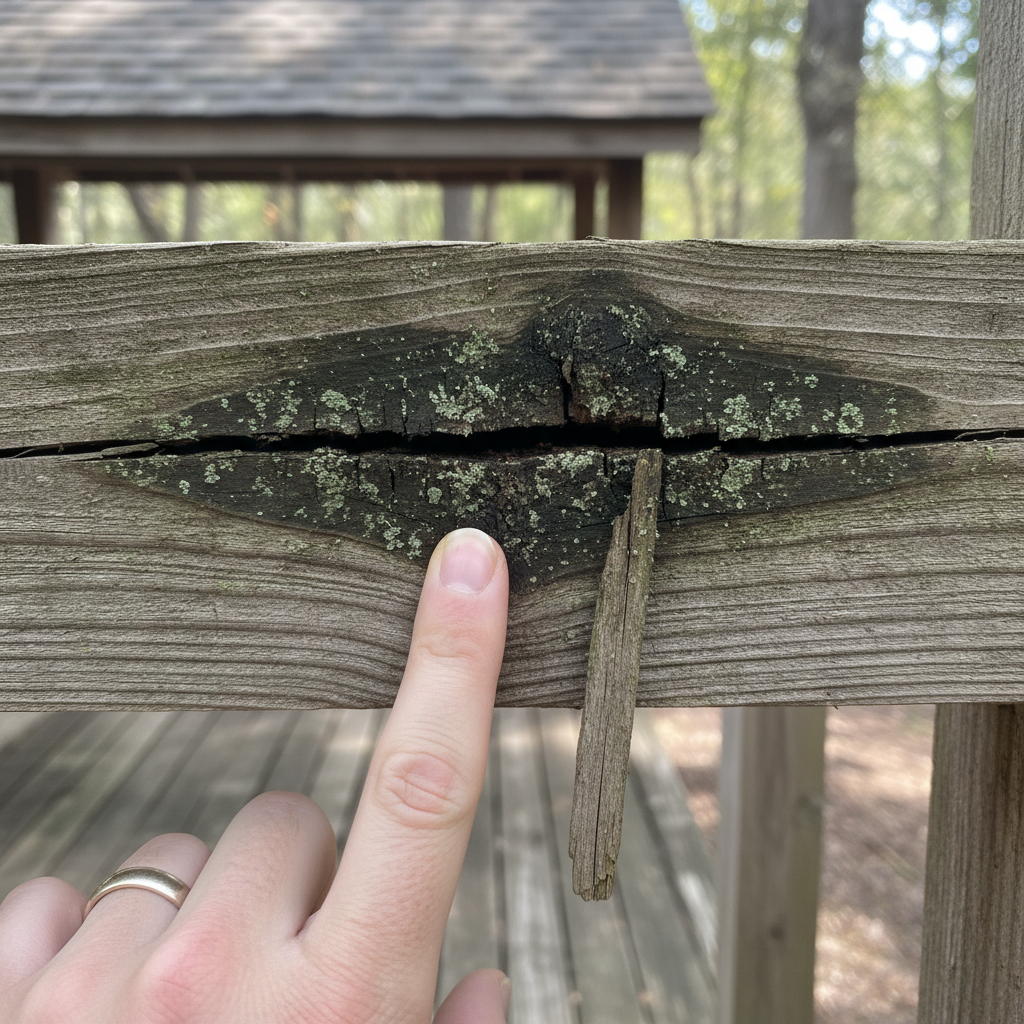
Water is perhaps the most common culprit behind a failing porch roof. Leaks, overflowing gutters, or poor drainage can allow water to penetrate the roofing materials, saturating the wooden components like beams, joists, and decking. Over time, this moisture leads to wood rot, weakening the structural integrity of the entire roof. Look for discolored wood, soft spots, or mold growth as tell-tale signs of water damage.
Foundation and Structural Issues
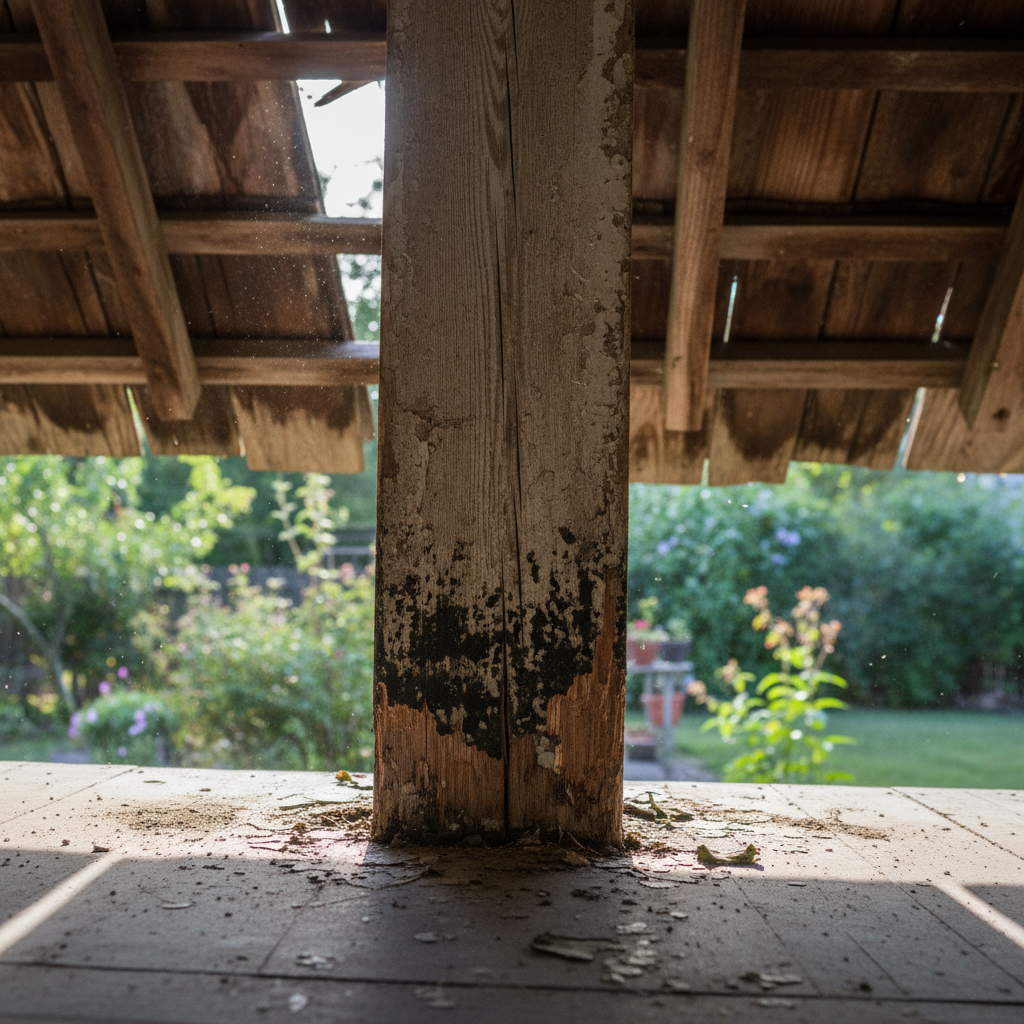
The stability of your porch roof is intrinsically linked to the stability of its supporting structures. If the porch foundation settles unevenly, or if supporting posts or columns shift or rot, the roof above it can begin to sag. Cracks in the foundation, leaning posts, or gaps between the posts and the roof can all point to underlying structural problems that affect the roof’s levelness.
Age and Wear and Tear
Like all parts of a home, porch roofs have a lifespan. Over decades, exposure to the elements—sun, rain, snow, and wind—can degrade materials. Wood can dry out, crack, and become brittle; fasteners can rust and loosen; and roofing materials can lose their protective qualities. This natural aging process, combined with the constant stress of gravity, can eventually lead to a noticeable sag.
Improper Installation or Design
Sometimes, the problem stems from how the porch roof was built in the first place. Insufficient support, undersized beams or joists for the span, or poor construction techniques can mean the roof was never strong enough to bear its own weight, let alone additional loads. Flawed architectural design that doesn’t account for local weather conditions or material properties can also contribute to premature sagging.
Heavy Loads (Snow, Debris)
While most porch roofs are designed to withstand a certain amount of snow or other environmental loads, excessive accumulation can push them past their limits. Heavy snowfall, especially wet snow, can exert tremendous pressure on the roof structure. Similarly, a buildup of leaves, branches, or other debris that holds moisture can add significant weight and accelerate deterioration.
Pest Infestations
Termites, carpenter ants, and other wood-boring insects can wreak havoc on the hidden structural components of your porch roof. These pests tunnel through and consume wood, creating hollowed-out sections that severely compromise the strength of beams, joists, and supporting posts. Often, you won’t see the damage until it’s extensive, making regular inspections vital.
The Dangers of a Sagging Porch Roof
Ignoring a sagging porch roof is never a good idea. The potential consequences range from minor annoyances to severe hazards.
Safety Hazards
The most immediate and concerning danger is the risk of collapse. A significantly sagging roof is structurally compromised and could give way, potentially causing serious injury or even fatalities to anyone underneath it. This risk increases with additional weight from snow, wind, or even just people walking on the porch.
Further Structural Damage
A sagging porch roof is often a symptom of a larger issue, and it can also cause new problems. The uneven distribution of weight and stress can transfer to the adjacent walls and foundation of your home, leading to cracks, shifted framing, and misaligned doors and windows inside your house. This cascading effect can turn a relatively contained issue into a widespread structural nightmare.
Reduced Curb Appeal and Property Value
Beyond safety, a visibly sagging porch roof detracts significantly from your home’s curb appeal. It signals neglect and structural issues to potential buyers, making your property less attractive and potentially reducing its market value. Even if you’re not planning to sell, it can be an eyesore that impacts your enjoyment of your home.
Water Intrusion into the Home
As a porch roof sags, it can create new pathways for water to enter. Gaps might form where the porch roof meets the main house, or the altered slope could direct rainwater towards your home’s foundation or exterior walls. This can lead to interior leaks, mold growth, and extensive water damage within your house, costing even more to repair.
Initial Assessment: What You Can Do Before Calling a Pro
Before you contact a professional, a preliminary inspection can help you understand the extent of the problem and provide valuable information to contractors.
Visual Inspection Checklist
- Examine the roofline: Stand back and visually inspect the roofline from various angles. Does it appear level, or is there a noticeable dip or bow?
- Check supporting posts and columns: Are they plumb (perfectly vertical)? Do you see any cracks, rot, or signs of insect damage?
- Inspect beams and joists: Look for any visible sagging, cracking, or signs of water damage (discoloration, mold, soft spots) on the underside of the roof structure.
- Examine fasteners: Are bolts, screws, or nails rusted, loose, or pulling away from the wood?
- Look for water stains: Check the porch ceiling, walls, and the ground around the porch for signs of water accumulation or past leaks.
- Assess the foundation: Are there cracks in the porch’s concrete slab or foundation? Is the slab settling unevenly?
Identifying the Source of the Sag
Your visual inspection should help you narrow down the potential causes. If you see widespread rot, water damage is likely the primary issue. If posts are leaning, foundation problems might be at fault. A consistent sag across a wide span with no obvious rot could point to undersized framing. Pinpointing the source is crucial for effective repair.
Documenting the Damage
Take clear photos and videos of all visible damage, including close-ups of specific issues and wider shots showing the overall sag. Note down any measurements of the sag’s depth, the length of affected areas, and the location of water stains or cracks. This documentation will be invaluable when discussing the problem with professionals and can help with insurance claims if applicable.
Repairing a Sagging Porch Roof: DIY vs. Professional Help
Deciding whether to tackle the repair yourself or hire a professional depends entirely on the severity and cause of the sag.
When DIY Might Be Possible (Minor Issues)
For very minor, superficial sags caused by a small, isolated patch of rotten decking or a single loose fastener, a handy homeowner might be able to make repairs. This could involve replacing a small section of fascia, reinforcing a single joist with a sister board, or re-securing loose components. However, even these small jobs require a good understanding of carpentry and safety.
When to Call a Structural Engineer or Contractor
In most cases involving a sagging porch roof, professional help is not just recommended, but essential. Here’s when to call the experts:
- Significant Sagging: If the sag is pronounced or affects a large area.
- Widespread Water Damage: If rot is extensive or affects primary structural beams.
- Foundation Problems: If the porch foundation itself is cracking or settling.
- Leaning Posts or Columns: If supporting elements are visibly out of plumb.
- Cracks in Walls: If you notice cracks in the adjacent house walls.
- Uncertainty: If you’re not sure about the cause or the best course of action.
A qualified structural engineer can assess the integrity of your porch and provide detailed plans for repair. A reputable general contractor or roofing contractor specializing in structural work can then execute these plans safely and effectively. For more insights on the importance of structural integrity and regular home checks, you can consult resources like Good Housekeeping’s home maintenance checklists, which often emphasize the early detection of issues before they become major problems.
Common Repair Methods for a Sagging Porch Roof
The repair method will depend on the identified cause and extent of the damage. Professionals employ various techniques to restore the roof’s integrity.
Shoring and Jacking
This is often the first step in addressing a significant sag. Temporary supports (shores) and hydraulic jacks are used to carefully lift the sagging section of the roof back to its original level. This process must be done slowly and meticulously to avoid further damage to the structure or the rest of the house. Once lifted, the roof can be permanently reinforced or repaired.
Replacing Damaged Beams and Joists
If wood components like beams, joists, or ledger boards are extensively rotted, cracked, or otherwise beyond repair, they must be replaced. This involves carefully removing the compromised wood and installing new, properly sized lumber. For critical structural elements, this is a job for experienced professionals.
Reinforcing Existing Structures
Sometimes, existing beams or joists might not be fully rotted but are simply undersized or weakened. In such cases, a professional might “sister” new lumber alongside the existing pieces. This involves attaching new boards securely to the old ones, effectively doubling their strength and load-bearing capacity without full replacement.
Addressing Foundation Problems
If the sag is due to foundation issues, the repair must start from the ground up. This could involve underpinning the porch foundation, repairing cracks, or stabilizing settled areas. Without a stable foundation, any repairs to the roof itself will only be temporary.
Waterproofing and Drainage Solutions
To prevent future sagging, especially if water damage was the culprit, comprehensive waterproofing and drainage improvements are essential. This might include repairing or replacing gutters and downspouts, adding drip edges to the roof, improving the roof’s slope, or applying waterproof membranes to the porch deck and roof surface.
Preventing Future Porch Roof Sagging
Once your porch roof is restored, implementing preventative measures is key to its longevity.
Regular Maintenance and Inspections
Make it a habit to inspect your porch roof and its supporting structures at least once or twice a year, especially after severe weather. Look for any new signs of damage, water intrusion, or pest activity. Early detection allows for minor repairs before they escalate.
Proper Drainage Systems
Ensure your gutters and downspouts are clear of debris and are effectively channeling water away from the porch foundation and roofline. Consider adding splash blocks or extenders to downspouts to carry water even further away.
Gutter Maintenance
Clean your gutters regularly to prevent clogs that can cause water to back up and spill over, saturating the porch roof and fascias. This is particularly important in autumn when leaves fall heavily.
Using Durable Materials
When making repairs or building a new porch, choose materials known for their durability and resistance to rot and pests. Pressure-treated lumber, composite materials, and high-quality roofing shingles can offer better longevity.
Addressing Snow Load
In regions with heavy snowfall, consider carefully removing excessive snow from your porch roof. Use a roof rake to pull snow off gently, taking care not to damage the roofing materials. Never climb onto a snow-laden, sagging roof.
Frequently Asked Questions About Porch Roof Sagging
How much does it cost to fix a sagging porch roof?
The cost varies significantly depending on the cause, extent of damage, materials needed, and labor rates in your area. Minor repairs might range from a few hundred to a couple of thousand dollars. Extensive structural repairs, including foundation work or full beam replacement, could easily run from several thousand to over ten thousand dollars. Getting multiple quotes from qualified professionals is recommended.
Can I live in my house if my porch roof is sagging?
If the sag is significant or appears to be worsening rapidly, it poses a safety risk, and it might be advisable to limit access to the porch area. While your main house structure might still be safe, a collapsing porch could damage the adjacent house wall. It’s best to have it inspected by a structural engineer as soon as possible to determine the immediate danger level.
What are the signs of a failing porch roof?
Key signs include a visible dip or bow in the roofline, cracking or splitting wood in beams or joists, soft or spongy wood (indicating rot), leaning or cracked support posts, water stains on the porch ceiling or walls, persistent leaks, and unusual noises like creaking or groaning during wind or rain.
How long does a porch roof typically last?
The lifespan of a porch roof depends heavily on its construction quality, materials used, maintenance, and exposure to weather. A well-built and well-maintained porch roof can last 20-30 years or more, similar to a main house roof. Poorly built roofs or those subject to constant water damage might show signs of failure much sooner.
Is a sagging porch roof covered by home insurance?
It depends on your policy and the cause of the sag. If the damage is sudden and accidental (e.g., from a severe storm, falling tree, or unexpected collapse), it might be covered. However, damage resulting from neglect, poor maintenance, rot, or pests over time is typically not covered. Always review your specific policy and consult with your insurance provider.
A sagging porch roof is a clear signal that something is amiss with your home’s structure. While it might seem daunting, addressing the problem promptly and effectively is crucial for safety, preserving your home’s value, and maintaining its aesthetic appeal. By understanding the causes, recognizing the dangers, and knowing when to call in the professionals, you can ensure your porch remains a safe and enjoyable extension of your living space for years to come.