There’s nothing quite as frustrating as opening your dishwasher after a cycle, expecting sparkling clean dishes, only to find a pool of murky water lingering at the bottom. If your dishwasher not draining fully, it’s not just an unsightly nuisance; it can lead to foul odors, unsanitary conditions, and even damage to your appliance over time. While the problem might seem daunting, many common causes can be diagnosed and fixed with a little DIY effort. This comprehensive guide will walk you through the usual suspects behind incomplete dishwasher drainage, equip you with step-by-step troubleshooting techniques, and help you get your dishwasher back to peak performance, ensuring your dishes come out clean and dry every time.
Understanding Why Your Dishwasher Isn’t Draining Completely
Before diving into fixes, it’s crucial to understand the mechanisms involved in your dishwasher’s drainage system. Essentially, water is pumped out through a drain hose, often connecting to your kitchen sink drain or garbage disposal. Any blockage or malfunction along this path can prevent water from exiting the appliance entirely. Identifying the root cause is the first step toward a successful resolution.
Common Culprits: What’s Blocking the Flow?
Several factors can contribute to your dishwasher’s drainage woes. Pinpointing the exact issue is key to a quick and effective repair.
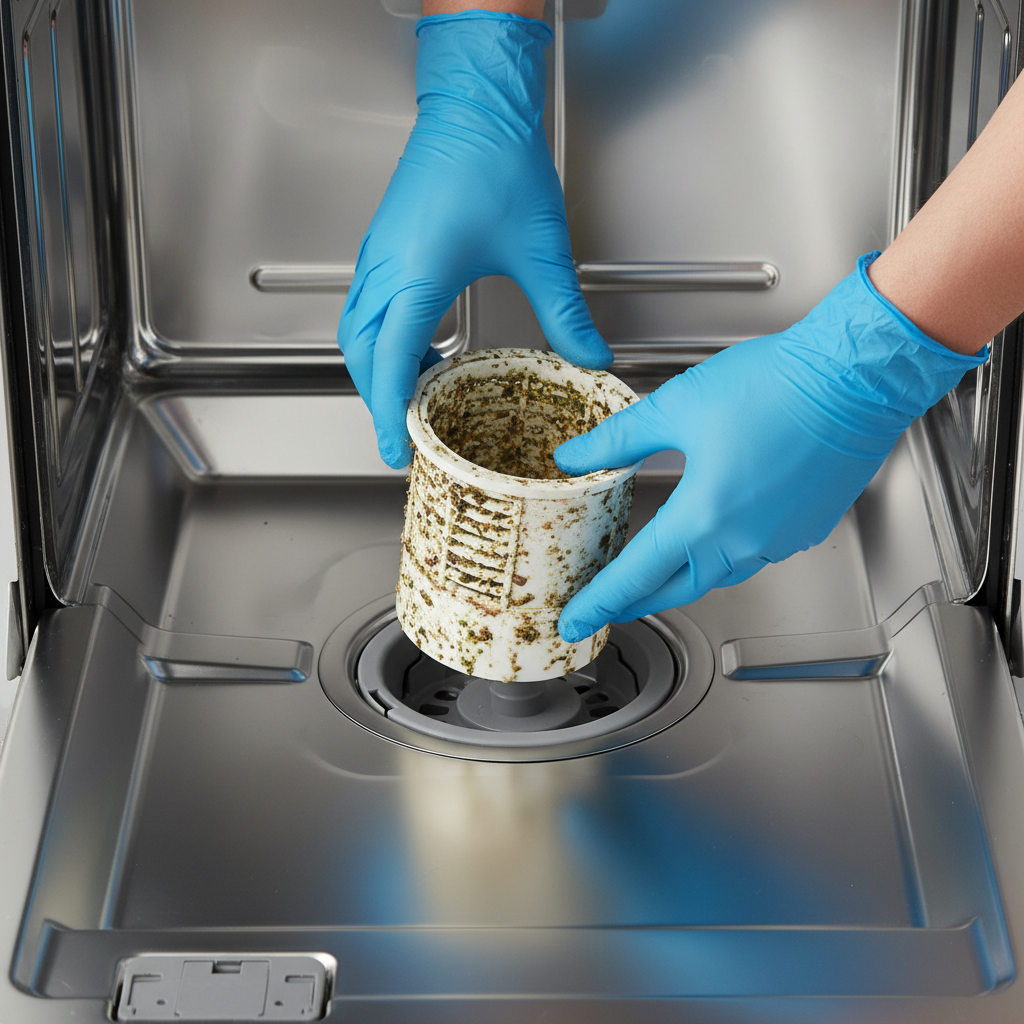
- Food Debris in the Filter: This is perhaps the most common and easiest fix. Over time, food particles, grease, and other residue can accumulate in the dishwasher’s filter, impeding water flow to the drain pump.
- Clogged Drain Hose: The corrugated drain hose, which carries wastewater from the dishwasher to your home’s drain system, can become kinked, bent, or clogged with grease and food debris internally.
- Air Gap Issues (if applicable): Some dishwashers use an air gap device, typically located on your kitchen sink countertop, to prevent dirty drain water from siphoning back into the dishwasher. If this air gap becomes clogged, it can block drainage.
- Malfunctioning Drain Pump: The drain pump is the heart of your dishwasher’s drainage system. If it’s faulty, seized, or has a broken impeller, it won’t be able to push water out effectively.
- Faulty Check Valve: Located near the drain pump or in the drain hose, the check valve prevents dirty water from flowing back into the dishwasher. If it’s stuck closed or clogged, it will obstruct drainage.
- Drain Impeller Problems: The impeller is a small fan-like component within the drain pump that pushes water. If it’s damaged, broken, or obstructed, the pump won’t function correctly.
- Kitchen Sink Air Gap Clog: As mentioned, if your dishwasher drains into a separate air gap on the sink, debris can build up there, causing a blockage.
- Sump Area Blockage: The sump is the lowest point inside your dishwasher tub where water collects before being pumped out. Larger debris can sometimes bypass the filter and accumulate here.
- Issues with the Garbage Disposal (if connected): If your dishwasher drains into a garbage disposal, the disposal must be clear. New disposal installations often require punching out a plug for the dishwasher drain line; if this wasn’t done, drainage would be completely blocked.
- Problems with the Drain Pump Motor: While the pump itself might be okay, the motor driving it could be failing, leading to intermittent or complete drainage failure.
- Electronic Control Board Malfunction: In rare cases, a faulty control board might not send the correct signals to the drain pump, preventing it from activating at the appropriate time.
- Improper Installation or Kinked Hose: A drain hose installed incorrectly, without a high loop (if no air gap is used), or with a severe kink from the start can cause chronic drainage problems.
- Sudsy Water or Too Much Detergent: Excessive suds can confuse the dishwasher’s sensors, making it think there’s still water in the tub, or simply create enough foam to physically impede water from flowing down to the drain pump.
Step-by-Step DIY Troubleshooting and Fixes
Many drainage issues can be resolved with basic tools and a bit of patience. Always prioritize safety when working with appliances.
Safety First: Before You Begin
Before attempting any repairs or inspections on your dishwasher, always follow these critical safety steps:
- Disconnect Power: Turn off the circuit breaker that supplies power to your dishwasher. This prevents electric shock.
- Turn Off Water Supply: Close the water shut-off valve to the dishwasher, usually located under the sink.
- Protect Your Floor: Place old towels or a shallow pan under the dishwasher to catch any residual water that might spill out during your inspection.
1. Check and Clean the Dishwasher Filter
This is your starting point for almost any dishwasher drainage issue. A clogged filter is remarkably common.
- Locate the Filter: Open the dishwasher door and pull out the bottom rack. You’ll typically find the filter assembly in the center of the tub floor. It might be a cylindrical filter with a flat screen underneath, or just a flat filter screen.
- Remove the Filter: Twist or lift the filter according to your dishwasher’s manual. Some models have multiple filter components.
- Clean Thoroughly: Rinse the filter(s) under running water, scrubbing gently with a soft brush (like an old toothbrush) and a little dish soap to remove all food particles, grease, and grime.
- Reinstall: Ensure the filter is correctly reinserted and secured, as improper installation can also hinder drainage.
2. Inspect the Drain Hose for Kinks or Clogs
The drain hose can be a tricky area, but it’s worth checking.
- Access the Hose: The drain hose usually runs from the back of the dishwasher to the plumbing under your sink. You might need to gently pull the dishwasher out from its cabinet recess to fully inspect the hose for kinks.
- Check for Kinks: Smooth out any obvious bends or kinks in the hose. Ensure it has a proper “high loop” or is connected to an air gap to prevent backflow.
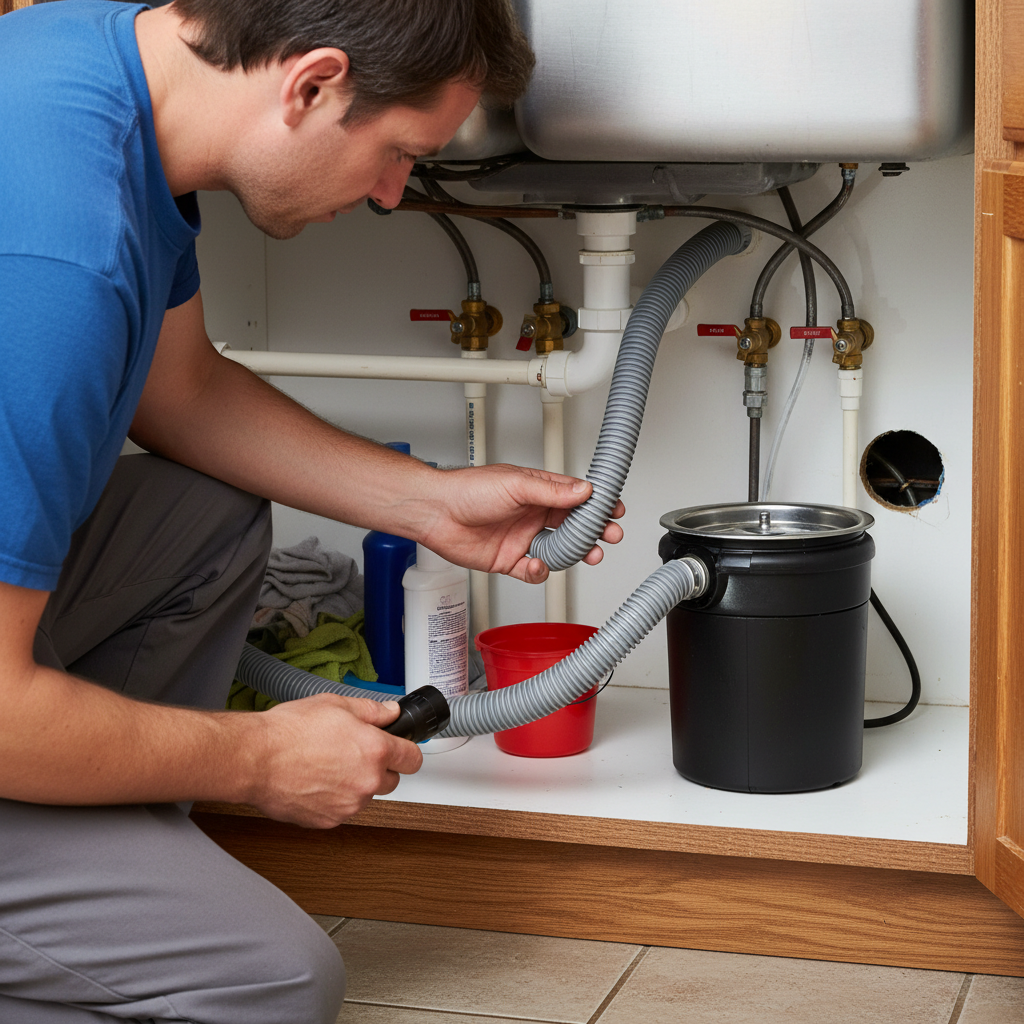
- Internal Clog Check: If no kinks are present, the clog might be internal. Disconnect the drain hose from both the dishwasher and the sink drain/garbage disposal. Have a bucket ready as water will likely spill.
- Clear the Clog: Inspect the hose ends for blockages. You can try flushing water through it from a faucet or using a long, flexible brush or a plumber’s snake to clear any internal debris.
- Reattach: Securely reattach the hose, ensuring clamps are tight and there are no new kinks.
3. Examine the Air Gap (If Present)
An air gap is a small cylindrical device on your countertop, typically next to the faucet. Not all dishwashers have one.
- Remove the Cover: Twist off the chrome or plastic cap from the air gap.
- Inspect for Clogs: Look into the opening for any accumulated food particles or debris.
- Clear the Blockage: Use a paper clip, small brush, or screwdriver to clear any visible obstructions. Run the dishwasher briefly (if it’s safe to do so) or pour water into the air gap to flush it, observing if water drains freely through the smaller hoses connected to it.
- Reinstall: Replace the cap securely.
4. Address Garbage Disposal Issues
If your dishwasher drains into a garbage disposal, this is a common point of failure.
- Run the Disposal: Always run your garbage disposal before starting the dishwasher cycle. This ensures the disposal is clear of food waste that could otherwise block the dishwasher’s drain line.
- Check for Plug: If you’ve recently installed a new garbage disposal and your dishwasher has never drained properly, it’s highly likely the knockout plug for the dishwasher drain line wasn’t removed. You’ll need to disconnect the dishwasher drain hose from the disposal and use a screwdriver and hammer to punch out the plug from inside the disposal’s drain inlet.
- Clear Any Clogs: Ensure the disposal itself is not jammed or clogged.
5. Clear the Sump Area and Drain Impeller
The sump is the basin at the very bottom of the dishwasher tub, below the filter.
- Remove Bottom Rack and Filter: Clear access to the sump area.
- Inspect the Sump: Look for any large pieces of food, broken glass, or other foreign objects that might have bypassed the filter. Carefully remove any debris you find.
- Check the Impeller: Once the sump is clear, you might be able to see the drain impeller, which is a small fan-like blade. It should spin freely. If it’s jammed by debris (like a piece of broken glass or a fruit pit), carefully remove the obstruction. Some models require removing a pump cover to access the impeller.
6. Test the Drain Pump
A failing drain pump will often make unusual noises or no noise at all during the drain cycle.
- Listen: During the drain cycle, listen for a humming or grinding noise. If you hear nothing, the pump might not be getting power, or it’s seized. If you hear it hum but no water moves, the impeller might be broken or obstructed.
- Visual Inspection (Advanced): Accessing the drain pump often requires pulling the dishwasher out and sometimes tilting it or removing bottom panels. This is a more advanced DIY step. Look for signs of damage or leaks. If the pump assembly itself is cracked or visibly faulty, it will likely need replacement.
- Professional Help: If you suspect a faulty drain pump and are not comfortable with advanced appliance repair, it’s best to call a technician.
7. Check the Check Valve
The check valve is a one-way valve designed to prevent dirty water from flowing back into the dishwasher. It’s often located at the outlet of the drain pump or within the drain hose connection.
- Locate and Inspect: Accessing the check valve typically involves removing the drain hose from the pump or the pump itself. Look for a small flap or ball inside the valve.
- Clear Debris: Ensure it’s not clogged with food particles or detergent residue, which could prevent it from opening fully during the drain cycle.
- Test Movement: The flap should move freely. If it’s stuck or broken, the valve may need to be replaced.
8. Verify Proper Detergent Usage
Sometimes, the simplest solutions are overlooked.
- Amount: Using too much detergent, especially with soft water, can create an excessive amount of suds. These suds can prevent the water from properly draining, as the foam effectively traps the water.
- Type: Ensure you are using detergent specifically designed for dishwashers, not regular dish soap, which will produce far too many suds.
- Rinsing Aid: While not directly related to drainage, ensuring proper rinsing aid levels can help dishes dry better, sometimes giving the impression of standing water when it’s just condensation.
When to Call a Professional Appliance Technician
While many dishwasher drainage problems can be tackled by a homeowner, there are times when professional intervention is necessary. Don’t hesitate to call a certified appliance technician if:
- You’ve tried all the DIY troubleshooting steps and the issue persists.
- You suspect a faulty drain pump or motor but are uncomfortable replacing it yourself.
- There are electrical issues, such as tripped breakers or unusual burning smells.
- You believe the control board is malfunctioning.
- You’re unsure about any step and want to avoid causing further damage to your appliance.
A professional will have the specialized tools, diagnostic equipment, and expertise to quickly identify and repair complex issues, ensuring your dishwasher operates safely and efficiently. For more general advice on maintaining your home appliances, consider visiting reputable sources like Good Housekeeping’s guide to cleaning your dishwasher.
Preventing Future Dishwasher Drainage Problems
Proactive maintenance is the best way to avoid the frustration of a dishwasher not draining fully in the future. Incorporate these habits into your routine:
- Scrape, Don’t Pre-Rinse (Too Much): While it’s tempting to rinse dishes thoroughly, modern dishwashers are designed to handle food particles. However, large chunks of food can still clog filters. Scrape plates clean of major food debris before loading, but avoid excessive pre-rinsing as it can lead to detergent not working effectively.
- Regular Filter Cleaning: Make it a habit to clean your dishwasher filter at least once a month, or more frequently if you use your dishwasher often or wash heavily soiled dishes.
- Proper Loading Techniques: Avoid overloading the dishwasher, as this can impede water circulation and prevent proper washing and draining. Ensure dishes don’t block spray arms or the detergent dispenser.
- Use the Correct Amount and Type of Detergent: Always use high-quality dishwasher detergent, and follow the manufacturer’s recommendations for the correct amount. Too much creates suds, too little might not clean effectively.
- Run Garbage Disposal Regularly: If your dishwasher drains into a disposal, run the disposal every time you use your sink to clear any potential blockages in the drain line.
- Periodic Deep Cleaning: Run an empty cycle with a dishwasher cleaner, vinegar, or baking soda every few months to remove grease buildup, hard water deposits, and odors from the internal components, including the sump and spray arms.
- Check for Kinks: Periodically check the drain hose behind the dishwasher and under the sink for any signs of kinking or crushing.
Understanding Your Dishwasher’s Drainage System
A clear understanding of how your dishwasher moves water can demystify drainage issues. When a wash cycle concludes, the dirty water collects in the sump at the bottom of the tub. The drain pump, a powerful motor, then activates, pushing this water through the drain filter, into the drain hose, and finally into your home’s drain system (either directly to a dedicated drain, through an air gap, or into your garbage disposal). A high loop in the drain hose or an air gap on the countertop prevents dirty water from siphoning back into the clean dishes. If any component in this pathway—from the filter to the final drain point—is obstructed or faulty, your dishwasher will experience issues, often resulting in standing water.
Complete drainage is not just about aesthetics; it’s crucial for several reasons:
- Hygiene: Standing water is a breeding ground for bacteria and mold, leading to unpleasant odors and unsanitary conditions.
- Performance: If water isn’t fully drained, it can mix with the fresh water for the next cycle, reducing cleaning effectiveness.
- Appliance Longevity: Persistent standing water and debris can cause premature wear and tear on internal components and lead to rust or corrosion.
- Odor Prevention: Stagnant water quickly develops a foul smell that can permeate your kitchen.
Frequently Asked Questions About Dishwasher Drainage
Why does my dishwasher leave standing water after a cycle?
Standing water after a cycle is a clear sign that your dishwasher isn’t draining fully. Common reasons include a clogged filter, a kinked or obstructed drain hose, a blocked air gap, issues with your garbage disposal (if connected), or a malfunctioning drain pump. It’s often due to food debris preventing proper water flow.
How often should I clean my dishwasher filter?
It’s generally recommended to clean your dishwasher filter at least once a month, or more frequently if you notice drainage issues, odors, or if you wash particularly greasy or heavily soiled dishes. Regular cleaning prevents buildup and ensures efficient operation.
Can too much detergent cause drainage issues?
Yes, absolutely. Using too much detergent, especially in areas with soft water, can create excessive suds. These suds can interfere with the dishwasher’s ability to pump out water effectively, leading to incomplete drainage or standing water in the tub. Always use the recommended amount of detergent for your water hardness and dishwasher model.
Is it normal for some water to remain in the bottom of the dishwasher?
A very small amount of residual water, typically just a puddle in the sump area (the lowest point of the tub), can be normal in some dishwasher models, particularly those with a continuous-use pump seal. However, if you see more than a shallow puddle – meaning water covering the entire floor of the tub or visibly deep – then your dishwasher is not draining fully and requires attention.
What’s the difference between an air gap and a high loop for drainage?
Both an air gap and a high loop serve the same purpose: to prevent dirty drain water from siphoning back into your dishwasher. An air gap is a physical fixture installed on your countertop, creating an actual air break in the drain line. A high loop, on the other hand, is achieved by routing the dishwasher drain hose in a U-shape high up under the sink before connecting it to the drain, using gravity to prevent backflow. Many plumbing codes require one or the other, or both, depending on local regulations.
Addressing the issue of your dishwasher not draining fully is not just about convenience; it’s about maintaining a hygienic kitchen and prolonging the life of your appliance. By understanding the common causes and following these detailed troubleshooting steps, you can often resolve the problem yourself. Remember, regular maintenance is your best defense against drainage woes. Keep those filters clean, watch your detergent usage, and your dishwasher will continue to serve you with sparkling clean results for years to come.