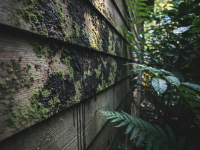
The bathroom, a sanctuary for relaxation, can unfortunately become a breeding ground for an unwelcome guest: mold. Understanding bathroom mold growth causes and removal is crucial for maintaining a healthy and hygienic living space. This pervasive fungus not only mars the aesthetic appeal of your tiles and grout but can also pose health risks, from respiratory issues to allergic reactions. From the insidious dark spots appearing in grout lines to the fuzzy patches on shower curtains, mold thrives in specific conditions that bathrooms often inadvertently provide. This comprehensive guide will delve deep into why mold chooses your bathroom, how to effectively eliminate it, and most importantly, how to prevent its return, ensuring your bathroom remains a pristine and safe haven.
The Prime Suspects: Common Causes of Bathroom Mold Growth
Mold spores are microscopic and ever-present in the air, both indoors and out. They become a problem when they land on a surface with moisture and a food source. Bathrooms, by their very nature, are ripe with these conditions. Let’s explore the primary factors contributing to mold proliferation in this often-damp environment.
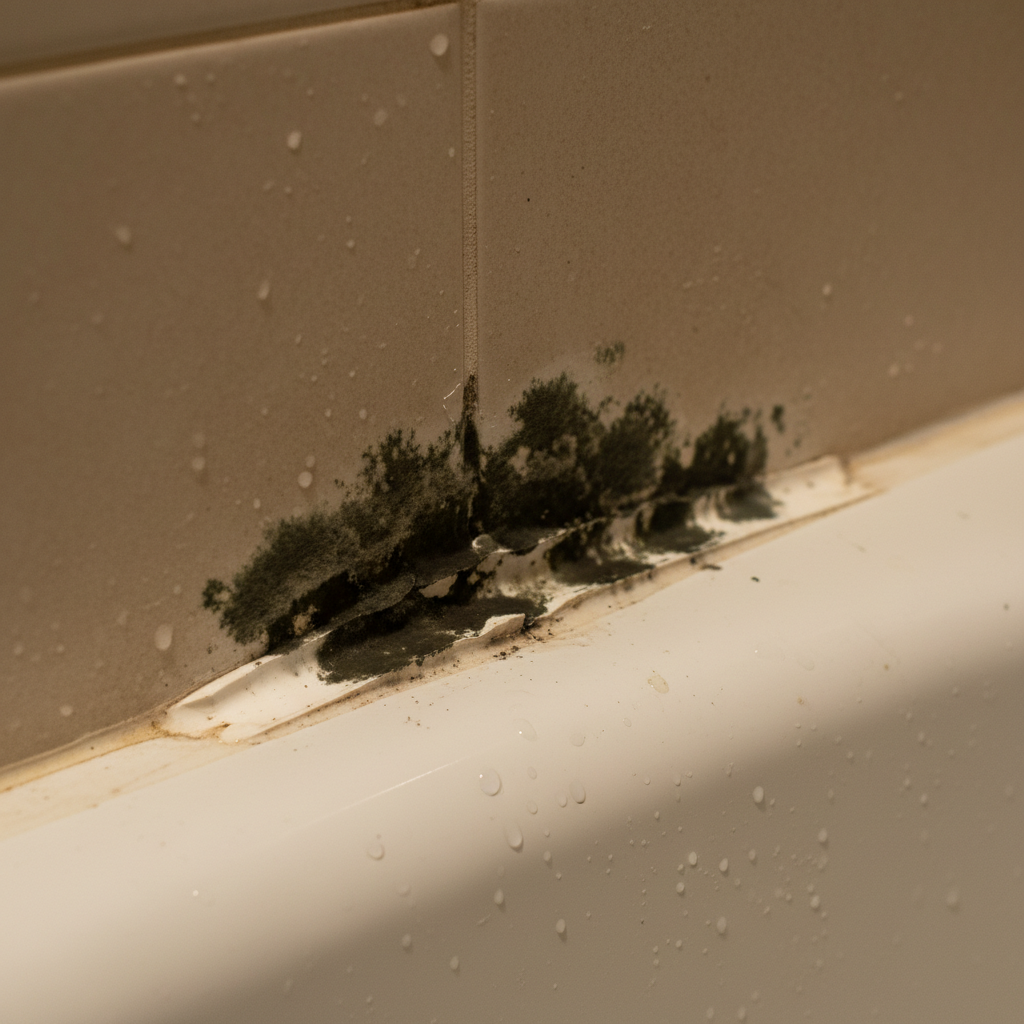
1. Excessive Humidity and Poor Ventilation
- The Steam Factor: Hot showers and baths generate significant amounts of steam, rapidly elevating the humidity levels in an enclosed bathroom. If this moisture isn’t effectively vented, it condenses on cool surfaces like walls, ceilings, and mirrors, creating ideal conditions for mold.
- Inadequate Exhaust Fans: A properly functioning exhaust fan is your first line of defense. If your fan is too small for the room, rarely used, or clogged with dust, it won’t effectively remove humid air.
- Lack of Windows or Airflow: Bathrooms without windows or those where windows are kept closed lack natural airflow to dissipate moisture.
2. Persistent Leaks and Water Intrusion
- Plumbing Leaks: Slow, unnoticed leaks from pipes behind walls, under sinks, or around toilets can saturate building materials, creating hidden mold factories.
- Grout and Caulk Failure: Cracked, deteriorated, or improperly sealed grout and caulk around tubs, showers, and sinks allow water to seep into walls and subflooring, promoting mold growth in unseen areas.
- Roof or Wall Leaks: External water intrusion, though less common directly in bathrooms, can also lead to damp spots on shared walls or ceilings.
3. Condensation on Cold Surfaces
- When warm, moist air meets cooler surfaces (like uninsulated walls, windows, or pipes), it condenses into liquid water. This regular wetting of surfaces, especially if not wiped down, provides a continuous moisture source for mold.
4. Organic Food Sources
- Mold needs something to eat, and bathrooms offer plenty. Soap scum, dead skin cells, hair, dust, and even residues from personal care products provide ample nutrients for mold spores to feast upon.
- Porous materials like drywall, wood, and wallpaper absorb moisture and provide an organic substrate.
5. Infrequent or Inadequate Cleaning
- Leaving soap residue, hair, and grime unchecked allows mold spores to settle and establish colonies.
- Not regularly cleaning shower curtains, bath mats, and other absorbent items also contributes.
6. Dark, Warm Environments
- While some mold species can grow in cooler temperatures, most thrive in warmth. Bathrooms, particularly after a hot shower, provide this warmth.
- Dark areas, such as behind cabinets or under sinks, are also conducive to mold growth as they lack UV light which can inhibit some mold types.
Taking Back Control: Effective Bathroom Mold Removal Strategies
Once you’ve identified the presence of mold, prompt action is key. While some smaller instances can be handled with DIY methods, larger or more stubborn infestations may require professional intervention. Always prioritize safety during mold removal.
Safety First: Essential Precautions Before You Begin
- Ventilation: Open windows and doors, and use your exhaust fan to ensure good air circulation.
- Personal Protective Equipment (PPE): Wear rubber gloves, safety goggles, and an N95 respirator mask to prevent inhaling spores and protect your skin and eyes from cleaning solutions.
- Isolate the Area: If possible, close off the bathroom to prevent spores from spreading to other parts of your home.
DIY Solutions for Small to Moderate Mold Growth
For areas smaller than 10 square feet (roughly a 3×3 foot patch), you can often tackle mold yourself using common household products.
1. White Vinegar: The Natural Mold Killer
- Undiluted white vinegar is a mild acid that can kill approximately 82% of mold species.
- Application: Spray undiluted white vinegar directly onto the moldy surface. Let it sit for at least an hour before scrubbing with a brush or cloth. Rinse thoroughly and allow to air dry. The smell dissipates quickly.
2. Baking Soda: Gentle and Effective
- Baking soda is a mild abrasive that can clean and deodorize. It’s also safe for most surfaces.
- Application: Mix 1/4 cup of baking soda with water to create a paste. Apply the paste to the moldy area and scrub with a brush. Rinse and repeat if necessary. You can also spray a baking soda and water solution after cleaning to help prevent recurrence.
3. Hydrogen Peroxide: A Stronger Option
- 3% hydrogen peroxide is an antifungal, antiviral, and antibacterial solution that can effectively kill mold on porous and non-porous surfaces.
- Application: Spray 3% hydrogen peroxide onto the moldy surface and let it sit for 10-15 minutes. Scrub with a brush and wipe clean.
4. Commercial Mold Cleaners
- Various commercial products are designed specifically for mold removal. Always read and follow the manufacturer’s instructions carefully. Many contain bleach, which can discolor surfaces and only bleaches the mold, often not killing the roots, especially on porous surfaces.
- Caution: Never mix bleach with ammonia or vinegar, as this can create dangerous toxic fumes.
Tackling Mold in Specific Bathroom Areas
- Grout and Caulk: These are common hotspots. Use a stiff brush or old toothbrush with your chosen cleaning solution. If caulk is heavily molded, it’s often best to remove and replace it entirely.
- Shower Curtains: Fabric curtains can be machine washed with detergent and a cup of vinegar or baking soda. Plastic liners can be scrubbed or replaced.
- Walls and Ceilings: For painted surfaces, gentle scrubbing with vinegar or baking soda solution is often effective. If mold has penetrated drywall, it might need to be removed and replaced.
- Under Sinks and Cabinets: Address any leaks immediately. Clean with your chosen solution, ensuring the area dries completely.
When to Call the Professionals: Large-Scale Mold Remediation
While DIY solutions are great for small patches, there are situations where professional mold remediators are necessary:
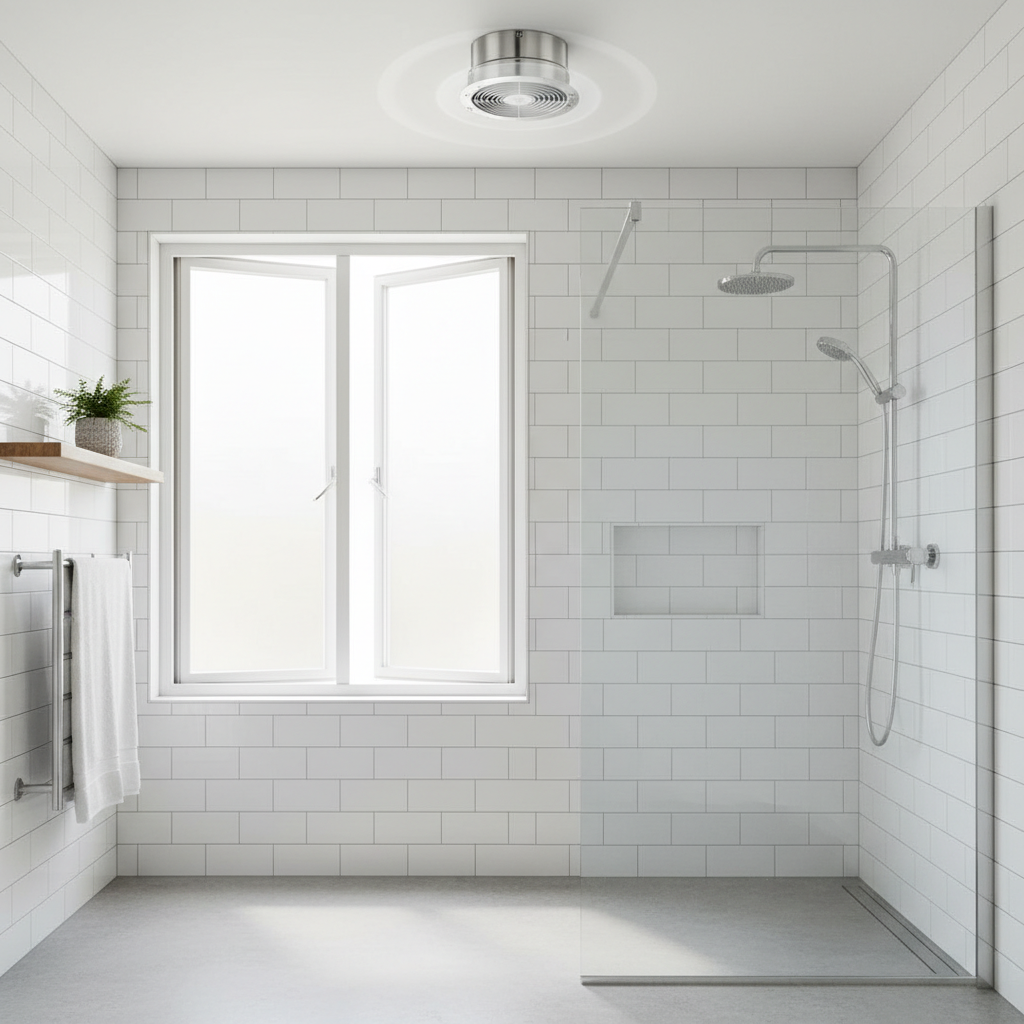
- Large Infestations: If the mold covers an area larger than 10 square feet.
- Hidden Mold: If you suspect mold behind walls, under flooring, or in HVAC systems due to persistent musty odors or health symptoms without visible mold.
- Recurrent Mold: If mold keeps coming back despite your best efforts, it indicates an underlying moisture issue that needs expert diagnosis.
- Health Concerns: If anyone in the household has severe allergies, asthma, or a compromised immune system, it’s safer to have professionals handle any mold.
The Best Defense is a Good Offense: Preventing Bathroom Mold Growth
Preventing mold from taking hold is far easier and safer than removing it. By addressing the root causes, you can create an environment hostile to mold growth.
1. Master the Art of Ventilation
- Use Your Exhaust Fan Religiously: Turn on your bathroom exhaust fan before you shower or bathe and leave it running for at least 15-20 minutes afterward to effectively remove humid air. Ensure the fan is properly vented to the outside, not into an attic space.
- Open Windows and Doors: If you have a window, open it during and after showering to create cross-ventilation. Leave the bathroom door ajar or open after use to allow air to circulate.
- Check Fan Efficiency: Periodically clean your exhaust fan cover and ensure it’s moving air effectively. If it’s weak or noisy, it might need repair or replacement.
2. Control Humidity Levels
- Wipe Down Surfaces: After showering, quickly wipe down shower walls, glass doors, and tiles with a squeegee or towel. This dramatically reduces surface moisture.
- Dry Out Fabrics: Hang wet towels and bath mats outside the bathroom to dry completely, or place them in a well-ventilated area. Don’t leave them crumpled on the floor.
- Consider a Dehumidifier: In consistently humid climates or poorly ventilated bathrooms, a small dehumidifier can help keep ambient moisture levels in check. Aim for indoor humidity levels between 30-50%.
3. Promptly Repair Leaks
- Regularly inspect plumbing fixtures, toilets, and the areas around your tub and shower for any signs of leaks.
- Check grout and caulk lines annually. Re-grout or re-caulk at the first sign of cracking, peeling, or deterioration. This forms a critical waterproof barrier.
4. Embrace Regular Cleaning Habits
- Daily Wipes: A quick wipe-down of the shower after use prevents soap scum and water spots from building up, depriving mold of a food source.
- Weekly Deep Clean: Clean your bathroom thoroughly at least once a week, paying attention to grout lines, corners, and under sinks. Use a bathroom cleaner that helps inhibit mold growth.
- Wash Shower Curtains/Liners: Clean or replace shower curtains and liners regularly.
5. Choose Mold-Resistant Materials
- When remodeling or repainting, opt for mold-resistant paint, especially on ceilings and walls that get damp.
- Use mold-resistant caulk and grout.
- Consider materials like solid surface shower surrounds instead of tiled walls, as they have fewer grout lines.
For more tips on maintaining a healthy home environment, Apartment Therapy offers excellent advice on various aspects of home care, including how to keep your bathroom sparkling and mold-free. Their guide on cleaning bathroom mold provides further practical insights.
Frequently Asked Questions About Bathroom Mold
Q1: Is black mold in the bathroom dangerous?
A: While “black mold” often refers to Stachybotrys chartarum, which can produce mycotoxins and cause severe health issues, many types of mold are black in appearance but are not this specific strain. Regardless of the species, any mold growth can trigger allergies, asthma attacks, skin irritation, and other respiratory problems, especially in sensitive individuals. It’s best to remove all mold promptly and safely, regardless of its color, and address the underlying moisture issue.
Q2: Can mold grow through paint or caulk?
A: Yes, mold can grow on and through paint, especially if the paint is not mold-resistant or if the surface underneath is damp. It can also grow on caulk and even penetrate porous caulk or grow underneath failing caulk lines. If mold appears on these surfaces, it indicates a moisture problem that needs immediate attention, as the mold may have established roots deeper within the material.
Q3: How long does it take for mold to grow in a bathroom?
A: Given the right conditions (moisture, warmth, and a food source), mold spores can begin to germinate and form visible colonies in as little as 24 to 48 hours. If there’s a constant source of moisture, like a persistent leak or high humidity, mold can establish itself very quickly.
Q4: What kills mold naturally?
A: White vinegar, baking soda, and hydrogen peroxide are effective natural mold killers for small to moderate infestations. Tea tree oil (diluted in water) is also a powerful natural antifungal, though it has a strong scent. Always test these solutions on an inconspicuous area first to ensure they don’t discolor your surfaces.
Q5: When should I replace caulk due to mold?
A: If mold is growing directly on the caulk and can be easily cleaned off, you might not need to replace it immediately, though it indicates a need for better ventilation or drying. However, if the caulk is discolored beyond cleaning, cracked, peeling, or if mold seems to be growing underneath it, it’s best to remove the old caulk entirely and replace it with fresh, mold-resistant caulk. This ensures the waterproof seal is intact and eliminates hidden mold.
Conclusion: A Mold-Free Bathroom is Within Reach
Dealing with bathroom mold growth can feel like a relentless battle, but with a clear understanding of its causes and a commitment to effective removal and diligent prevention, you can reclaim your bathroom as a clean, healthy, and enjoyable space. From maximizing ventilation to promptly addressing leaks and establishing a routine cleaning schedule, every step you take contributes to inhibiting mold’s ability to thrive. Remember, vigilance is your strongest ally in the fight against mold, ensuring your home remains a safe and pleasant environment for everyone.