The Unwanted Guest: Why Shower Curtains Attract Mildew
To truly conquer the problem of a shower curtain attracting mildew smell, it’s essential to understand why it happens in the first place. Mildew, a common type of fungus, is primarily driven by three factors: moisture, warmth, and organic material. Your shower environment provides all three in abundance.
- High Humidity: Every shower you take saturates the air with moisture. Without adequate ventilation, this humidity lingers, creating a damp atmosphere where mildew spores can easily settle and grow.
- Warm Temperatures: Bathrooms are generally kept warm, especially during and after a shower, which accelerates fungal growth.
- Organic Material: While synthetic, shower curtains can collect soap scum, dead skin cells, and other microscopic organic particles. These act as a food source for mildew, allowing it to flourish and spread.
- Lack of Proper Drying: Perhaps the most significant culprit, a shower curtain that isn’t allowed to fully dry after each use remains damp for extended periods, providing a continuous invitation for mildew to set up shop. The folds and creases of a bunched-up curtain are particularly susceptible.
- Material Composition: Some shower curtain materials are more prone to mildew than others. Cotton and linen, being natural fibers, can absorb and retain moisture more readily. Vinyl and PEVA (polyethylene vinyl acetate) are water-resistant but can still develop mildew on their surface if not cleaned regularly.
Once established, mildew releases spores and volatile organic compounds (VOCs) into the air, which are responsible for that unmistakable musty, earthy odor. This smell often precedes visible signs, meaning your nose might be the first to alert you to an impending mildew problem.
Early Warning Signs: Recognizing Mildew Beyond the Smell
While the musty odor is a primary indicator, recognizing other signs of mildew early can help you tackle the problem before it becomes a larger issue. Keep an eye out for these visual and tactile cues:
- Visible Spots and Discoloration: Mildew typically appears as small, black, gray, or sometimes pinkish-orange spots. These often start at the bottom of the shower curtain where water tends to collect and linger. Over time, these spots can spread and merge, forming larger unsightly patches.
- Slimy or Fuzzy Texture: If you touch a mildew-affected area, it might feel slightly slimy or even fuzzy, indicating active fungal growth.
- Dampness that Won’t Go Away: Even hours after a shower, if your curtain feels persistently damp, it’s a prime candidate for mildew growth.
- Stiff or Brittle Material: In some cases, prolonged mildew exposure can cause certain materials, especially fabric curtains, to become stiff or brittle, indicating damage to the fibers.
Ignoring these signs can lead to more than just an unsightly bathroom. Mildew and mold can trigger allergies, asthma attacks, and other respiratory issues in sensitive individuals. It’s crucial to address these issues promptly to maintain a healthy home environment.
Your Arsenal Against Mildew: Effective Cleaning Strategies
Don’t let a musty shower curtain diminish your bathroom’s appeal. With the right techniques and products, you can effectively eliminate mildew and its associated smell. The best cleaning method often depends on your shower curtain’s material.
Machine Washing Your Shower Curtain (Fabric & Some Liners)
Many fabric shower curtains and even some synthetic liners (check the care tag!) are machine washable, offering a convenient and thorough cleaning solution.
- Remove the Curtain: Take the curtain down from its hooks or rings. If the rings are washable, you can often leave them on.
- Pre-Treatment (Optional): For heavily soiled areas or stubborn spots, pre-treat with a stain remover or a paste of baking soda and a little water. Let it sit for 15-30 minutes.
- Add Towels: For fabric curtains, throw in a couple of old bath towels with the curtain. The towels provide agitation that helps scrub the curtain clean and prevent wrinkles.
- Detergent and Boosters: Use your regular laundry detergent. For an extra mildew-fighting boost, add one cup of white vinegar or ½ cup of baking soda directly to the washing machine tub with the curtain. These natural agents are excellent for breaking down mildew and neutralizing odors. Avoid mixing vinegar and bleach, as this can create dangerous chlorine gas.
- Wash Cycle: Use a warm water cycle (check the care tag for specific temperature recommendations) on a gentle or delicate setting. Cold water may not be as effective against mildew spores.
- Rinse Thoroughly: Ensure the curtain is thoroughly rinsed to remove all detergent residue, which can attract new growth.
- Drying: This is crucial!
- Fabric Curtains: Tumble dry on a low heat setting or air dry. Remove promptly to prevent new wrinkles and ensure it’s completely dry before rehanging.
- Vinyl/PEVA Liners: *Do not* put these in the dryer. The high heat can melt or damage the material. Instead, hang them up immediately, fully extended, to air dry. A well-ventilated area is best.
- Rehang: Once completely dry, rehang your fresh, clean shower curtain.
For more detailed instructions on cleaning various types of shower curtains, Good Housekeeping offers valuable tips on how to clean a shower curtain and liner effectively.
Hand-Washing and Spot Treatment (Vinyl, PEVA, Delicates)
For shower curtains that aren’t machine washable, or for tackling specific mildew spots, hand-washing and spot treatment are excellent alternatives.
- Prepare Your Cleaning Solution:
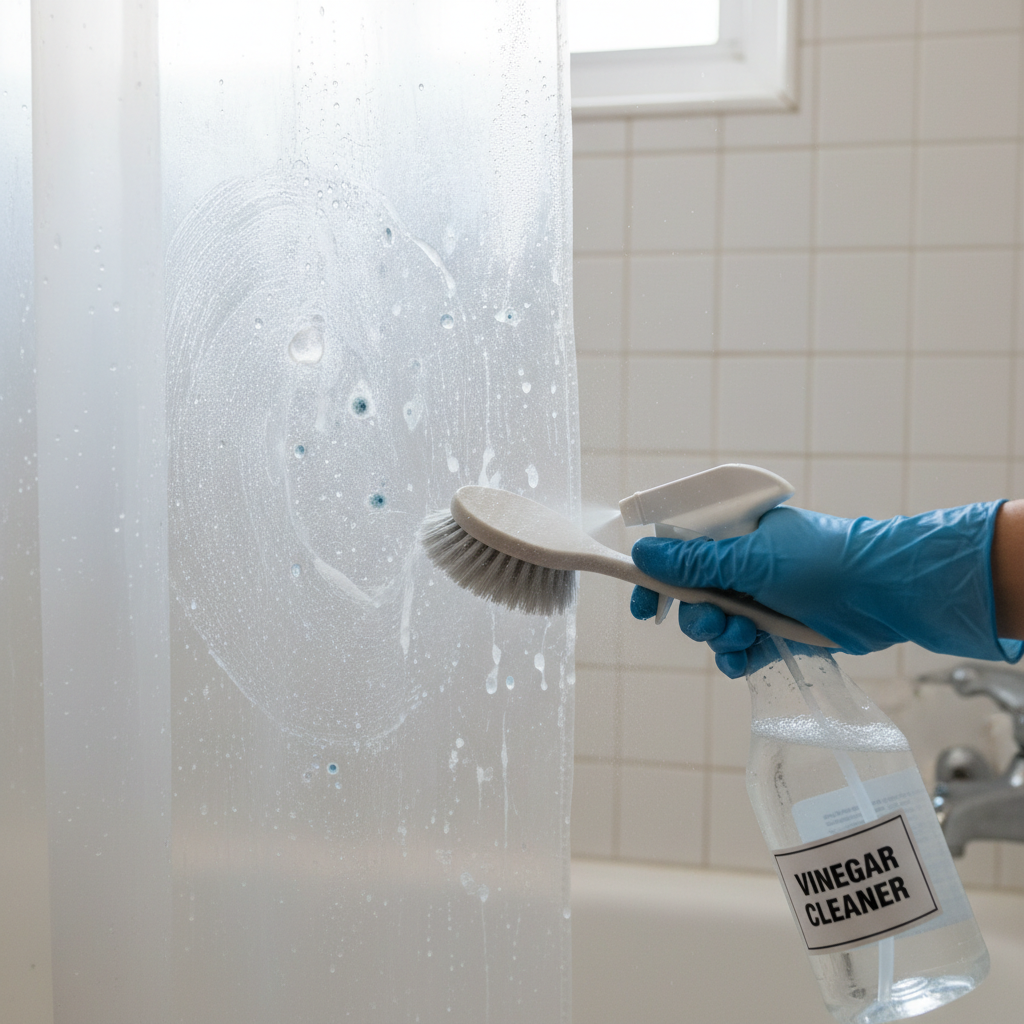
- Vinegar Spray: Mix equal parts white vinegar and water in a spray bottle.
- Baking Soda Paste: Combine baking soda with a small amount of water to create a thick paste.
- Mild Soap: A solution of warm water and a few drops of dish soap or mild laundry detergent.
- Apply and Scrub:
- For overall cleaning, lay the curtain flat in a bathtub or on a clean floor. Spray generously with the vinegar solution or apply the soap solution. Use a soft-bristled brush (an old toothbrush is great for crevices) or a sponge to gently scrub away mildew and grime.
- For spot treatment, apply the baking soda paste directly to mildew spots, let it sit for 15-30 minutes, then scrub.
- Rinse Thoroughly: Rinse the curtain thoroughly with clean water, ensuring all cleaning solution and mildew residue are gone.
- Dry Completely: Hang the curtain fully extended in a well-ventilated area to air dry. A shower rod or clothesline works well. Ensure it is bone-dry before gathering or folding.
Tackling Stubborn Stains and Smells
Sometimes, mildew can be particularly persistent. Here are some stronger solutions to consider, always with caution:
- Bleach (Use with Extreme Caution): For white or very light-colored vinyl or fabric curtains that are bleach-safe, a diluted bleach solution can be highly effective. Mix ¼ cup of bleach with 1 gallon of water. Apply to the affected area, let it sit for no more than 10-15 minutes, then rinse thoroughly. Always wear gloves, ensure good ventilation, and never mix bleach with vinegar or ammonia-based cleaners. Test in an inconspicuous area first.
- Hydrogen Peroxide: A safer alternative to bleach for many fabrics, 3% hydrogen peroxide can be sprayed directly onto mildew spots. Let it bubble and sit for 10-15 minutes, then scrub and rinse. It’s a natural disinfectant and brightener.
- Borax: Dissolve ½ cup of borax in a gallon of warm water. Soak the curtain or apply the solution directly to stubborn mildew. Scrub, then rinse thoroughly. Borax is a natural mineral with antifungal properties.
- Tea Tree Oil: For a natural, pleasant-smelling approach, mix 10-20 drops of tea tree essential oil with a cup of water in a spray bottle. Spray on the curtain, especially after cleaning, and leave it. Tea tree oil is a natural fungicide and antiseptic, and its scent can help mask residual mustiness.
Proactive Prevention: Keeping Mildew at Bay
Cleaning an existing mildew problem is one thing, but preventing its return is the true key to a consistently fresh bathroom. Proactive measures are your best defense against your shower curtain attracting mildew smell.
Ventilation is Key
Proper airflow is paramount in controlling bathroom humidity.
- Use Your Exhaust Fan: Turn on your bathroom exhaust fan before you start showering and leave it running for at least 20-30 minutes after you finish. This helps to draw out humid air.
- Open Windows/Doors: If you don’t have an exhaust fan or want extra ventilation, open a bathroom window or leave the door ajar after showering to allow moisture to escape and fresh air to circulate.
- Extend the Curtain: After every shower, fully extend your shower curtain along the rod. This allows air to circulate around it, helping it dry evenly and quickly, preventing moisture from pooling in folds.
Material Matters: Choosing the Right Shower Curtain
The material of your shower curtain can significantly impact its susceptibility to mildew.
- Polyester and Nylon: These synthetic fabrics are generally more water-resistant and quicker to dry than natural fibers. Look for options labeled “mildew-resistant” or “water-repellent.”
- PEVA/EVA (Ethylene Vinyl Acetate): These materials are excellent waterproof choices for liners. They are PVC-free, which means they don’t have the strong chemical smell often associated with traditional vinyl. They are easy to wipe clean but still require regular drying.
- Antimicrobial Treatments: Some shower curtains and liners come treated with antimicrobial agents that inhibit the growth of bacteria and fungi. These can be a worthwhile investment if mildew is a persistent issue.
- Weighted Hems: Curtains with weighted hems prevent them from billowing inwards and sticking to you, but also help the curtain hang straighter, reducing folds where moisture can gather.
Regular Maintenance Habits
Consistent, small actions can make a huge difference in preventing mildew.
- Daily Wipe-Down: After each shower, take a moment to squeegee or wipe down the bottom portion of your shower curtain with a towel or a small squeegee. This removes excess water and soap scum.
- Weekly Quick Clean: Once a week, spray your curtain (especially the bottom) with a diluted white vinegar solution or hydrogen peroxide spray and let it air dry. This acts as a preventative disinfectant.
- Scheduled Deep Cleans: Depending on your bathroom’s humidity and shower usage, aim to machine wash or hand wash your shower curtain every 2-4 weeks. Liners might need cleaning more frequently, every 1-2 weeks.
- Clean Rings and Rod: Don’t forget the curtain rings and shower rod, as mildew can also accumulate there. Wipe them down regularly.
Humidity Control Solutions
Beyond ventilation, other tools can help manage overall bathroom humidity.
- Dehumidifiers: For very humid climates or bathrooms with poor ventilation, a small bathroom-specific dehumidifier can significantly reduce ambient moisture levels.
- Moisture Absorbers: Products like desiccant bags or moisture-absorbing crystals can be placed discreetly in the bathroom to pull excess humidity from the air.
Beyond the Curtain: Other Bathroom Mildew Hotspots
While the shower curtain is often a prime offender, a lingering mildew smell might also point to other areas in your bathroom that need attention. Mildew can thrive wherever moisture is present.
- Grout and Caulk: The porous nature of grout and the sealant properties of caulk make them susceptible to mildew growth. Look for discoloration or black spots. Regular cleaning with a grout brush and a bleach-based or oxygen bleach cleaner can help.
- Shower Heads and Faucets: Mineral deposits combined with moisture can create an environment for mildew. Regularly wipe down these fixtures and periodically descale your shower head.
- Drains: Hair, soap scum, and other debris can accumulate in drains, leading to blockages and standing water, which are perfect for mildew. Use a drain cleaner or a mixture of baking soda and vinegar to keep them clear.
- Bath Mats and Rugs: These absorb moisture and, if not dried properly, can harbor mildew. Wash them regularly and ensure they are thoroughly dried before being put back on the floor.
- Walls and Ceilings: If condensation is a chronic issue, mildew can form on painted surfaces. Ensure proper ventilation to prevent this, and clean any affected areas with a diluted bleach or vinegar solution.
Addressing mildew throughout the entire bathroom is crucial for maintaining a truly fresh and healthy environment. A holistic approach ensures you’re not just moving the problem from one spot to another.
When to Replace: Knowing When Your Shower Curtain Has Reached Its Limit
Despite your best efforts, there comes a time when cleaning is no longer enough. Knowing when to replace your shower curtain or liner is important for both hygiene and aesthetics.
- Persistent Odor: If, after thorough cleaning and drying, the mildew smell lingers, it’s a strong indicator that the mildew has permeated the material too deeply.
- Severe Stains and Discoloration: When mildew spots are extensive, deeply set, and don’t respond to strong cleaning agents, the curtain is likely beyond salvage. These stains often indicate structural damage to the material.
- Tears, Rips, or Deterioration: Physical damage compromises the curtain’s integrity and makes it harder to clean effectively. A damaged liner won’t adequately contain water.
- Health Concerns: If anyone in your household is particularly sensitive to allergens or experiencing persistent respiratory issues that seem tied to bathroom visits, replacing a heavily mildewed curtain is a wise precautionary measure.
As a general rule of thumb, most shower curtain liners should be replaced every 6-12 months, depending on usage and cleaning frequency. Fabric curtains, with proper care, can last longer, but usually benefit from replacement every 1-2 years.
FAQs about Shower Curtains and Mildew
- Can I put a vinyl shower curtain in the washing machine?
- While some PEVA/EVA liners can tolerate a gentle, cold wash cycle, most traditional vinyl curtains are best hand-washed. High heat from a washing machine or dryer can melt or warp vinyl. Always check the care tag, but generally, hand-washing with vinegar or baking soda is a safer bet for vinyl.
- How often should I clean my shower curtain?
- A quick wipe-down or spray with a vinegar solution after each shower is ideal. For a deeper clean, aim to machine wash or hand wash your fabric shower curtain every 2-4 weeks. Your liner, being closer to the water, may need cleaning every 1-2 weeks, or even weekly if mildew is a recurring issue.
- What’s the best material for a mildew-resistant shower curtain?
- Polyester and nylon fabrics, often treated with water-repellent finishes, are good choices. For liners, PEVA or EVA are excellent due to their waterproof nature and ease of cleaning. Look for curtains explicitly marketed as “mildew-resistant” or “antimicrobial.”
- Does leaving the shower curtain open help prevent mildew?
- Yes, absolutely! After showering, fully extend your shower curtain along the rod. This allows air to circulate around both sides, helping it dry quickly and preventing moisture from getting trapped in folds where mildew thrives.
- Is mildew on a shower curtain harmful?
- While not all mildew is highly toxic, it can certainly be harmful, especially for sensitive individuals. Mildew spores can trigger allergies, asthma attacks, and other respiratory symptoms. Prolonged exposure can also cause irritation to the eyes, skin, and throat. It’s always best to remove mildew promptly to maintain a healthy indoor environment.
A shower curtain attracting mildew smell doesn’t have to be a permanent fixture in your home. By understanding the causes, implementing effective cleaning routines, and adopting proactive prevention strategies, you can maintain a fresh, clean, and healthy bathroom environment. From proper ventilation to choosing the right materials and establishing regular maintenance habits, every step you take contributes to banishing those musty odors for good. Embrace these tips, and enjoy stepping into a truly clean and inviting shower every single time.