The Unpleasant Truth: Why Shower Curtains Attract Mildew Smell
Mildew is a type of fungus that thrives in specific conditions, and your bathroom, particularly your shower area, often provides the perfect breeding ground. Understanding these factors is the first step toward conquering the smell.
The Perfect Storm: Humidity, Darkness, and Organic Matter
Imagine a humid, enclosed space with limited airflow. That’s essentially what your shower enclosure becomes after each use. Here’s why it’s a mildew magnet:
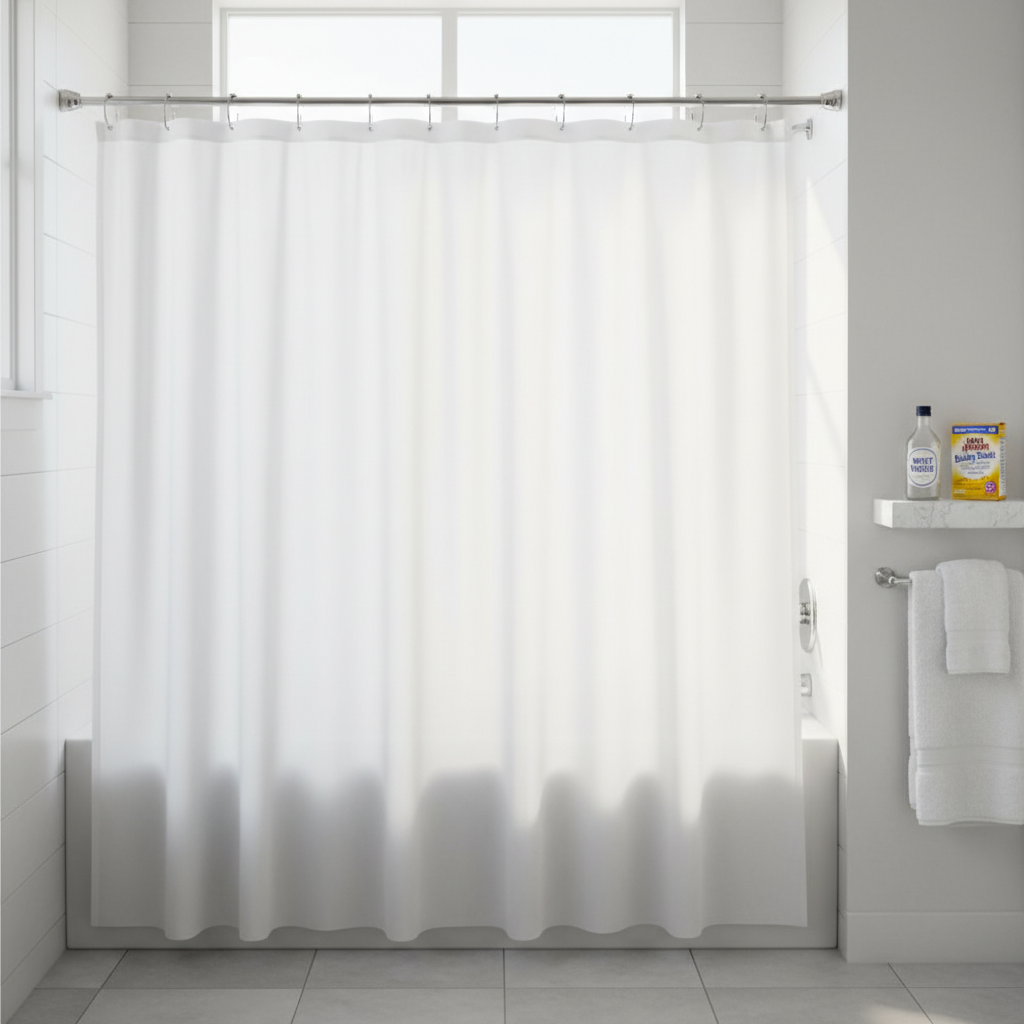
- Constant Moisture: Water droplets cling to the shower curtain long after you’ve turned off the tap. This continuous dampness is crucial for mildew spores to germinate and grow.
- Lack of Light: Mildew generally prefers dark or dimly lit environments. A closed shower curtain, especially one that traps moisture, provides precisely this.
- Soap Scum and Body Oils: These everyday residues, often invisible to the naked eye, provide a food source for mildew. They cling to the curtain’s surface, creating a nutrient-rich biofilm where fungi can flourish.
- Poor Air Circulation: Without adequate ventilation, the humid air lingers, preventing the shower curtain and other bathroom surfaces from drying thoroughly.
Fabric vs. Vinyl: Does Material Matter?
While all shower curtains are susceptible to mildew, some materials may be more prone to it or harder to clean once it sets in.
- Fabric Curtains (Cotton, Linen, Polyester): These materials, while often more aesthetically pleasing, are porous. They absorb and retain moisture more readily, making them a prime candidate for mildew growth if not dried properly. Polyester, however, tends to be more water-resistant than natural fibers.
- Vinyl or PEVA Curtains: These synthetic options are non-porous and water-resistant by nature, which can make them easier to wipe clean. However, mildew can still grow on the surface, especially in the folds and at the bottom where water pools. The plasticizers in some vinyl can also give off their own distinct smell, which might be confused with mildew.
Beyond the Curtain: Other Contributors to Bathroom Mildew
It’s important to remember that your shower curtain might not be the sole culprit. Other areas in your bathroom can also harbor mildew and contribute to a general musty odor:
- Grout lines between tiles
- Caulking around the tub or shower base
- Showerheads and fixtures
- Bath mats and towels left damp on the floor
- Insufficiently cleaned bathroom fans
Immediate Action: How to Get Rid of Existing Mildew Smell on Your Shower Curtain
Once you’ve identified the source of that unpleasant shower curtain attracting mildew smell, it’s time to tackle it head-on. Different curtain materials require slightly different cleaning approaches.
Washing Fabric Shower Curtains: A Step-by-Step Guide
Most fabric shower curtains are machine-washable, making them relatively easy to refresh.
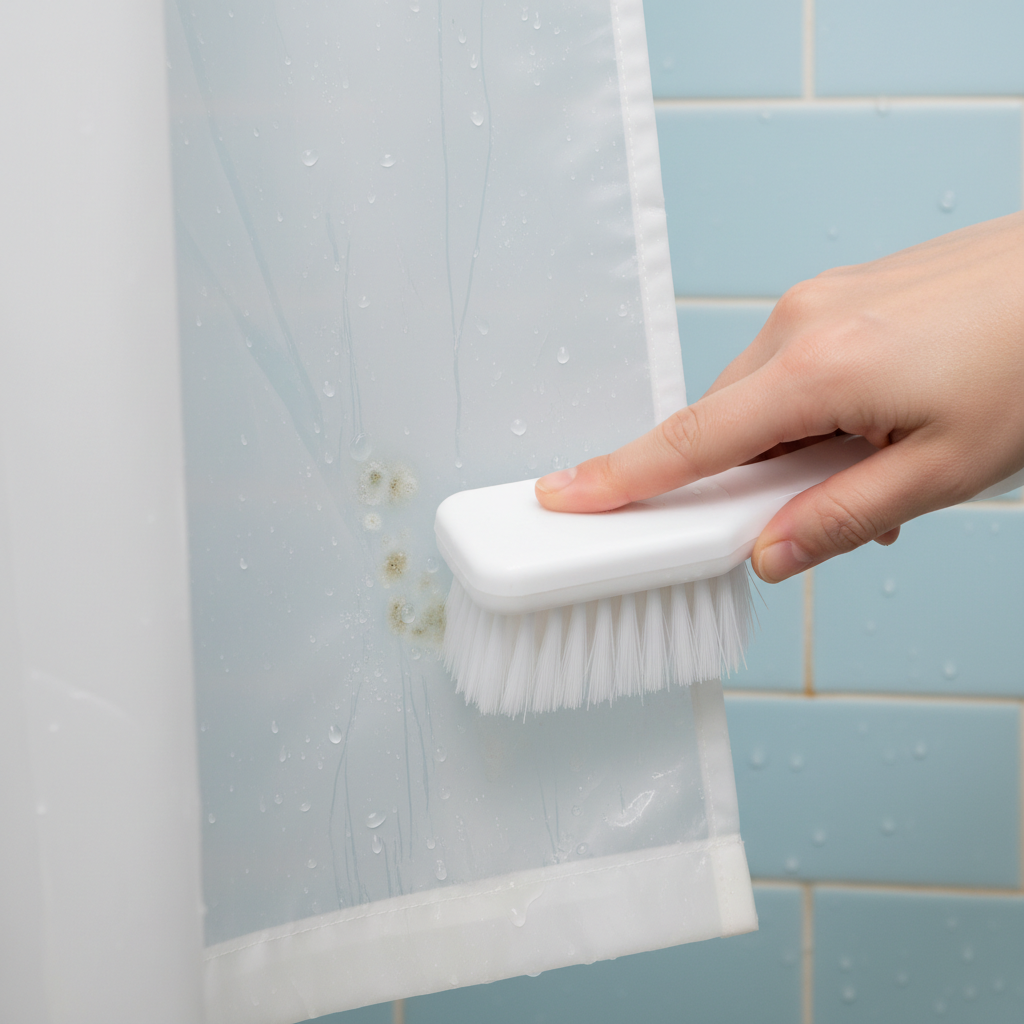
- Pre-Treatment (Optional but Recommended): If you see visible mildew spots, gently scrub the affected areas with an old toothbrush dipped in a mixture of white vinegar and water (1:1 ratio) or a paste of baking soda and water. Let it sit for 15-30 minutes.
- Load the Washer: Remove the curtain from its hooks and place it in the washing machine. For added scrubbing power and to help dislodge mildew spores, you can add a few old towels to the load.
- Add Cleaning Agents:
- Detergent: Use your regular laundry detergent.
- Baking Soda: Add 1/2 cup of baking soda directly to the wash cycle. This helps to deodorize and boost cleaning power.
- White Vinegar: Add 1/2 to 1 cup of white vinegar to the fabric softener dispenser or directly into the rinse cycle. Vinegar is a natural disinfectant and helps kill mildew and neutralize odors. Do NOT mix vinegar and bleach, as it creates toxic chlorine gas.
- Select Cycle: Wash on a warm or hot water cycle, depending on the curtain’s care instructions. Hot water is more effective at killing mildew. Choose a gentle cycle to protect the fabric.
- Drying Tips: Once the cycle is complete, hang the curtain immediately to air dry. If you have a clothesline outdoors, even better – direct sunlight is a natural mildew killer. If drying indoors, make sure it’s fully extended and in a well-ventilated area. Avoid putting fabric shower curtains in the dryer unless the label explicitly states it’s safe, as high heat can damage the fabric or plastic coating.
Cleaning Vinyl or PEVA Shower Curtains: Gentle Yet Effective
Vinyl and PEVA curtains usually can’t go in the washing machine, but they are still straightforward to clean.
- Spot Cleaning: For light mildew, mix a solution of warm water and a few drops of dish soap or a mild all-purpose cleaner. Use a sponge or soft cloth to wipe down the curtain, paying special attention to the bottom edge and folds.
- Soaking Method (for heavier mildew):
- Fill your bathtub with warm water.
- Add 1-2 cups of white vinegar or 1/2 cup of bleach (diluted) to the water. If using bleach, ensure the bathroom is well-ventilated and wear gloves. Never mix vinegar and bleach.
- Submerge the shower curtain in the solution and let it soak for 30 minutes to an hour.
- For stubborn spots, use a soft brush or sponge to gently scrub the mildew away while it’s still in the tub.
- Rinse the curtain thoroughly with clean water to remove all cleaning solution.
- Wipe-Down Techniques: After cleaning, always wipe the curtain dry with a clean towel or hang it fully extended to air dry completely.
Tackling Stubborn Stains and Lingering Odors
For persistent mildew spots or a stubborn shower curtain attracting mildew smell, you might need stronger measures:
- Borax Solution: Mix 1 cup of Borax with 1 gallon of hot water. Apply the solution to the mildewed areas, let it sit for a few minutes, then scrub and rinse. Borax is a natural fungicide and deodorizer.
- Hydrogen Peroxide: A 3% hydrogen peroxide solution can be effective on light mildew. Spray it directly onto the spots, let it sit for 10-15 minutes, then wipe clean and rinse. Always patch test in an inconspicuous area first, as it can cause discoloration on some fabrics.
For more detailed cleaning advice on shower curtains and liners, you can consult resources like Good Housekeeping’s guide on cleaning shower curtains for effective strategies.
Prevention is Key: Stopping Mildew Smell Before It Starts
The best way to deal with a shower curtain attracting mildew smell is to prevent it from happening in the first place. A few simple habits and the right choices can make a huge difference.
Optimize Bathroom Ventilation
This is arguably the most critical step in mildew prevention.
- Use Your Exhaust Fan: Turn on your bathroom exhaust fan before you step into the shower and let it run for at least 15-20 minutes after you’re done. This removes humid air from the bathroom, allowing surfaces to dry faster.
- Open Windows and Doors: If you don’t have an exhaust fan, or even if you do, opening a window or leaving the bathroom door ajar during and after showering can significantly improve airflow and reduce humidity.
Mastering Shower Curtain Care Routine
Small daily actions can prevent big mildew problems.
- Spread It Out: After every shower, fully extend your shower curtain to its widest point. This allows air to circulate around it and helps it dry evenly, preventing water from pooling in the folds.
- Quick Wipe Down: Keep a small squeegee or a microfiber cloth in your shower and give the bottom of the curtain a quick wipe after each use to remove excess water.
- Regular Spray: For an extra layer of protection, lightly mist the bottom of your curtain with a daily shower cleaner or a homemade solution of white vinegar and water (1:1 ratio) after each shower. Do not rinse.
- Frequent Washing Schedule: Fabric shower curtains should be washed every 2-4 weeks. Vinyl or PEVA liners can be wiped down weekly and given a deeper clean monthly.
Choosing the Right Shower Curtain Material
Your choice of curtain can impact its susceptibility to mildew.
- Water-Repellent Fabrics: Look for fabric curtains treated with water-repellent finishes. While not entirely waterproof, they shed water more effectively than untreated fabrics.
- Anti-Microbial Liners: Many shower curtain liners are now made with anti-microbial properties that actively inhibit the growth of mold and mildew. This is an excellent investment.
- Quick-Dry Options: Some newer fabrics are designed to dry very quickly, further reducing the chances of mildew growth.
The Role of Shower Liners
A good shower liner is your first line of defense against a shower curtain attracting mildew smell.
- Separate Liner Benefits: Use a separate liner inside your decorative fabric curtain. The liner takes the brunt of the water and is typically easier to clean or replace.
- Regular Liner Replacement: Even with diligent cleaning, liners have a finite lifespan. Plan to replace your shower liner every 6-12 months, or sooner if you notice persistent mildew, tears, or staining.
Controlling Overall Bathroom Humidity
Addressing the broader humidity levels in your bathroom can benefit not just your shower curtain but your entire space.
- Utilize a Dehumidifier: In particularly humid climates or bathrooms with poor ventilation, a small dehumidifier can work wonders in keeping the air dry.
- Wipe Down Surfaces: After showering, quickly wipe down shower walls, glass doors, and other wet surfaces to remove standing water.
- Avoid Drying Laundry: Don’t hang wet laundry in the bathroom, as this adds significant moisture to the air.
When to Replace Your Shower Curtain
Even with the best cleaning and prevention efforts, there comes a time when replacement is the most practical solution for a shower curtain attracting mildew smell that just won’t go away.
Signs it’s time for a new one:
- Permanent Stains: If dark, ingrained mildew stains remain after thorough cleaning attempts.
- Persistent Odor: When the mildew smell lingers even after washing and drying.
- Tears or Damage: Holes or rips can harbor moisture and make cleaning ineffective.
- Fading or Discoloration: While not directly related to mildew, it indicates general wear and tear, and often accompanies persistent mildew issues.
- Excessive Soap Scum Buildup: If the curtain feels perpetually slimy or stiff with soap residue that won’t wash off.
When replacing, consider opting for eco-friendly materials like PEVA (which is PVC-free and generally considered safer) or organic cotton with a separate washable liner. Properly dispose of your old curtain according to local guidelines, or repurpose it if possible (e.g., for messy craft projects or drop cloths).
Beyond the Curtain: Keeping Your Entire Bathroom Mildew-Free
A fresh shower curtain is a great start, but for a truly mildew-free bathroom, you need to extend your cleaning efforts to the entire space.
- Clean Grout and Tiles: Use a grout brush and a mixture of oxygen bleach (color-safe) or baking soda paste to scrub away mildew from tiled surfaces.
- Address Caulking: Mold often grows in the caulk around tubs and showers. If it’s heavily mildewed, it might be time to remove the old caulk and apply a fresh bead.
- Showerhead Maintenance: Periodically soak your showerhead in white vinegar to remove mineral deposits and any potential mildew buildup.
- Check for Leaks: Persistent mildew behind walls or under sinks could indicate a hidden leak. Address these promptly to prevent structural damage and widespread mold growth.
- Wash Bath Mats and Towels: Ensure bath mats are dried completely after use (hang them up or put them in the laundry). Wash towels frequently.
FAQs About Shower Curtain Mildew Smell
Q: Can I put a shower curtain in the dryer?
A: It depends on the material. Most fabric shower curtains (especially polyester) can be tumble-dried on a low heat setting, but check the care label first. Vinyl or PEVA curtains should never go in the dryer, as the heat can melt or damage them. Air drying is generally the safest option for all types to prevent shrinkage and damage.
Q: How often should I wash my shower curtain?
A: As a general rule, fabric shower curtains should be washed every 2-4 weeks. Shower liners (vinyl, PEVA, or fabric) should be wiped down weekly and given a deeper clean monthly, or replaced every 6-12 months, depending on wear and mildew buildup.
Q: Are anti-mildew shower curtains really effective?
A: “Anti-mildew” or “anti-microbial” shower curtains and liners can be quite effective as they are treated with agents that inhibit fungal growth. However, they are not foolproof. You still need to maintain good ventilation and practice regular cleaning to prevent mildew buildup entirely.
Q: What causes the pink slime on shower curtains?
A: The pink slime isn’t mold or mildew, but rather a bacteria called Serratia marcescens. This airborne bacterium thrives in moist environments and feeds on fatty deposits from soap and shampoo. While generally harmless, it can cause infections in people with compromised immune systems. It can be cleaned using the same methods as mildew (vinegar, bleach, or general bathroom cleaner) and prevented with good ventilation and regular cleaning.
A persistent shower curtain attracting mildew smell can be a real nuisance, impacting the freshness and hygiene of your entire bathroom. By understanding the conditions that allow mildew to flourish, implementing a consistent cleaning routine, and choosing the right materials, you can effectively banish that musty odor for good. Embrace these simple habits, and you’ll enjoy a consistently fresh, clean, and inviting bathroom every day.